Who was Lamech (descendant of Cain) in the Bible?
Lamech was a man in Cain’s family line who boasted to his wives that he had killed a man for wounding him.
Boastful descendant in the line of Cain
Primeval age
Lamech was a man in Cain’s family line who boasted to his wives that he had killed a man for wounding him.
Follow the reading trailBEYOND THE NAME
This Lamech was a descendant of Cain and the first man recorded as taking two wives. He spoke a chilling song to them, boasting that he had killed a young man for striking him and claiming far greater vengeance than was ever threatened against Cain. His words mark how far pride and violence had spread in the generations after the first sin.
These are other entries using this name. Compare their source passages before treating them as the same or different historical people.
These entries connect the study to the source’s recorded family context. Read their cautions when the family records or identifications differ.
FOLLOW THE PASSAGES
These are chapter studies associated with this record. Their order follows the books and chapters, rather than a reconstructed timeline of the person’s life.
a descendant of Cain whose poem invokes seventy-sevenfold retaliation
Genesis 4 opens with two brothers and two offerings. God regards Abel and his offering but not Cain and his offering. The chapter does not explain why. Instead, it follows Cain’s response to God’s warning, the killing of Abel, and the consequences that follow.
Chapter overview from the authored study guide.THE PEOPLE AROUND THE PERSON
Relationships follow the source graph. Some are interpretive or uncertain, and individual verse citations are not yet available for every connection.
STUDY & INTERPRETATION
Lamech of Cain’s line shows the deepening of human violence apart from God, a grim contrast to the line of Seth where people called on the LORD. His boast turns God’s earlier protection of Cain into an excuse for unchecked revenge, multiplying bloodshed rather than restraining it. The story sets the stage for the corruption that would later fill the earth in the days of Noah. Against this backdrop Scripture’s promise of a coming deliverer grows all the more needed, for the answer to the spreading curse of sin would not come from human strength but from the One who would break the cycle of violence and reconcile humanity to God.
From the Learn of Christ person commentary. Read alongside the linked Scripture passages.KEEP SCRIPTURE CLOSE
1 authored chapter guide features this person. This is guide coverage, not an exhaustive count of biblical mentions.
ASK A BETTER QUESTION
Identity, story, early-life sources, family, and where to read.
Names and spellings in the source: Lamech (descendant of Cain) · Lamech
Lamech was a man in Cain’s family line who boasted to his wives that he had killed a man for wounding him.
This Lamech was a descendant of Cain and the first man recorded as taking two wives. He spoke a chilling song to them, boasting that he had killed a young man for striking him and claiming far greater vengeance than was ever threatened against Cain. His words mark how far pride and violence had spread in the generations after the first sin.
The individualized passage index associates this Lamech (descendant of Cain) record with Genesis. There are 4 distinct indexed verse references in the 66-book Bible. Browse the book-by-book list below; it separates this identity from other people who share the name. Source assignments and textual identifications can require interpretation.
A separate childhood account for Lamech (descendant of Cain) is not provided in our current authored profile sources. Begin with Genesis 4:18 and the passages linked here for the evidence that is available. The first indexed reference to a name is not a birth record. This profile does not establish a birth date, schooling, or childhood events beyond what its sources state.
The current source graph does not list immediate family for Lamech (descendant of Cain). That is a limit of this data, not evidence that Lamech (descendant of Cain) had no relatives. Read the cited passages for the details they actually give.
Lamech of Cain’s line shows the deepening of human violence apart from God, a grim contrast to the line of Seth where people called on the LORD. His boast turns God’s earlier protection of Cain into an excuse for unchecked revenge, multiplying bloodshed rather than restraining it.
Answers draw on our existing authored biography and linked chapter studies. Where supplied, verse assignments come from the individualized STEP Bible index. Childhood answers distinguish documented events from gaps in the available sources.
FIND THE PERSON IN THE TEXT
4 distinct verse references in the source’s 66-book index. These are indexed name assignments, rather than every indirect allusion to this person. A name may also refer to descendants, a tribe, or a nation; read each passage to distinguish that usage from the individual.
“And unto Enoch was born Irad: and Irad begat Mehujael: and Mehujael begat Methusael: and Methusael begat Lamech.”
Genesis 4:18 · King James Version
“And Lamech took unto him two wives: the name of the one was Adah, and the name of the other Zillah.”
Genesis 4:19 · King James Version
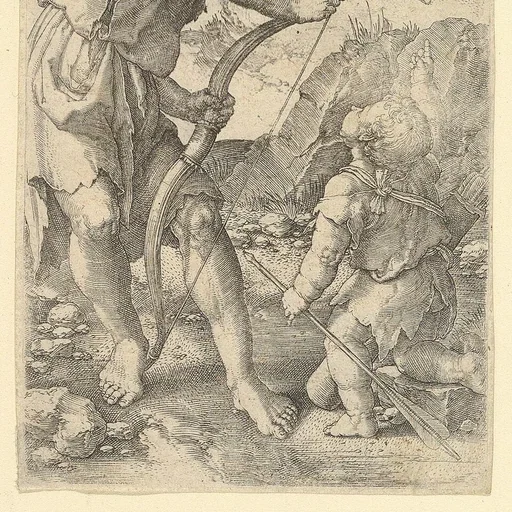
“And Lamech said unto his wives, Adah and Zillah, Hear my voice; ye wives of Lamech, hearken unto my speech: for I have slain a man to my wounding, and a young man to my hurt.”
Genesis 4:23 · King James Version
“If Cain shall be avenged sevenfold, truly Lamech seventy and sevenfold.”
Genesis 4:24 · King James Version
References are adapted from STEP Bible / Tyndale House TIPNR (CC BY 4.0). Deduplicated, matched to this identity, and checked against the bundled KJV’s verse bounds. Interpretive assignments and translation/versification differences may remain. This index is separate from evidence for individual family relationships.
YOUR OWN OBSERVATIONS
Notes, saved people, and study marks stay in this browser. They do not sync to your account.
KEEP EXPLORING
People featured in the same study guides. Sharing a chapter does not establish a family relationship.