Who was Micaiah in the Bible?
Micaiah was a prophet who told King Ahab the truth about a coming defeat, even though it landed him in prison.
Prophet of the Lord
c. 853 BC
Micaiah was a prophet who told King Ahab the truth about a coming defeat, even though it landed him in prison.
Follow the reading trailBEYOND THE NAME
When Ahab and Jehoshaphat sought guidance about going to war at Ramoth-gilead, four hundred prophets promised victory, but Micaiah son of Imlah spoke the true word of the Lord and foretold Israel's defeat and Ahab's death. He described a vision of the Lord on His throne and of a spirit that would lure Ahab through the lying mouths of his prophets. For his honesty he was struck and imprisoned, yet his word came to pass exactly as he said.
Themes in the authored commentary
These are other entries using this name. Compare their source passages before treating them as the same or different historical people.
These entries connect the study to the source’s recorded family context. Read their cautions when the family records or identifications differ.
FOLLOW THE PASSAGES
These are chapter studies associated with this record. Their order follows the books and chapters, rather than a reconstructed timeline of the person’s life.
unnamed prophet (distinct from Micaiah son of Imlah) who rebuked Ahab for releasing Ben-hadad with a parable
Thirty-two kings, horses, chariots, a host that filled the country - all of it ringed around Samaria. Inside the wall is Ahab, who built an altar to Baal and provoked the LORD more than any king before him. Ben-hadad’s demand grows uglier with each messenger: first the silver and the wives, then the right to ransack the palace for anything pleasant in the king’s eyes. The situation is hopeless. Then a prophet walks in with a word.
Chapter overview from the authored study guide.prophet who announced Ahab's death in a vision of the heavenly council and was imprisoned for his words
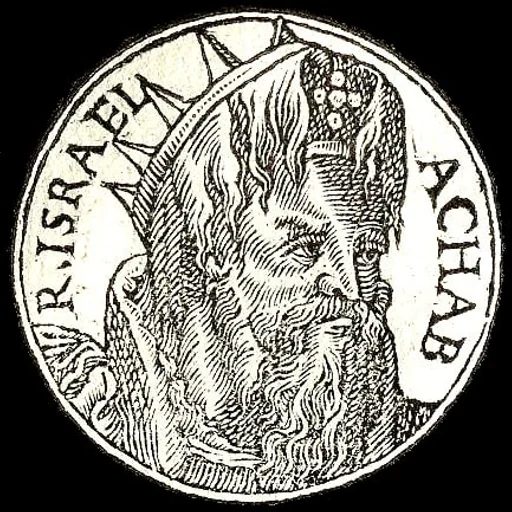
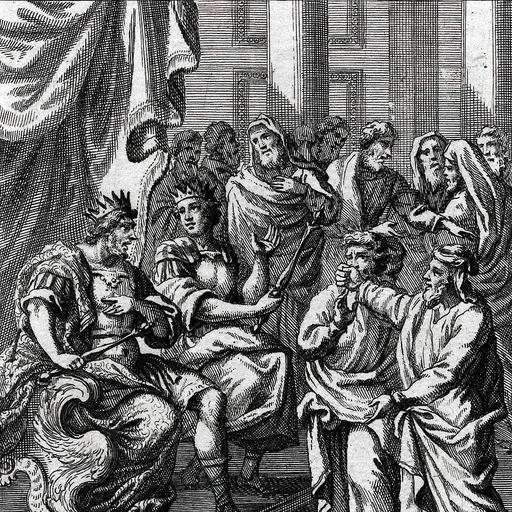
Two kings sit on their thrones at the gate of Samaria, robed for the occasion, and four hundred prophets shout the same word: go to war, and win. The voices are loud and they are unanimous. They are also wrong. Somewhere in the city sits one man who will say so, and the king already knows it. "I hate him," Ahab admits, "for he doth not prophesy good concerning me, but evil." His name is Micaiah, and he has been right before.
Chapter overview from the authored study guide.prophet who alone predicts Ahab's defeat and describes a heavenly vision of a lying spirit sent to Ahab's prophets
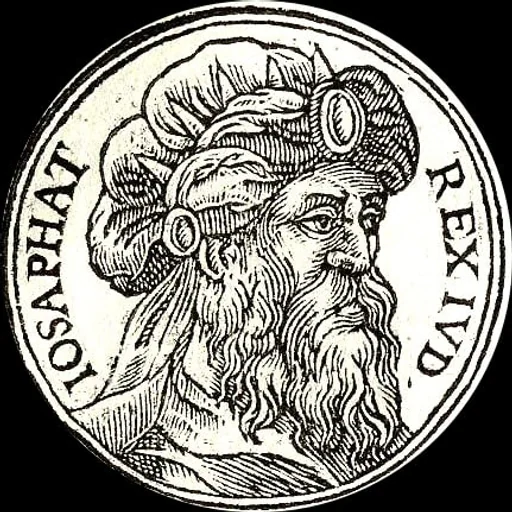
Jehoshaphat is a king blessed with riches and honour in abundance. Yet his wealth and power lead him into a dangerous alliance. He marries his son to the daughter of Ahab, king of Israel - an affinity that will test his faith. After certain years, he goes down to Ahab in Samaria. Ahab welcomes him with ceremony, slaughtering sheep and oxen, and then makes his proposal: will Jehoshaphat join him in battle to retake Ramoth-gilead from Syria?
Chapter overview from the authored study guide.THE PEOPLE AROUND THE PERSON
Relationships follow the source graph. Some are interpretive or uncertain, and individual verse citations are not yet available for every connection.
STUDY & INTERPRETATION
Micaiah appears in 1 Kings 22 as the lone true prophet set against a crowd of court favorites, and his story is one of Scripture's clearest pictures of the cost of speaking God's word to power. Pressured to agree with the majority, he answers that he can only say what the Lord puts in his mouth, and his vision of the heavenly throne reveals that even the deception working through false prophets falls under God's sovereign purpose to bring Ahab to the judgment he has earned. Struck on the face and sent to prison on bread and water, Micaiah stakes his vindication on the outcome: if the king returns in peace, the Lord has not spoken by him. His courage models the prophet's calling to truth over flattery, regardless of consequence. He stands in the long line of faithful witnesses who suffered for God's word, a line that reaches its summit in the One who is Himself the truth and was condemned for bearing witness to it.
From the Learn of Christ person commentary. Read alongside the linked Scripture passages.KEEP SCRIPTURE CLOSE
3 authored chapter guides feature this person. This is guide coverage, not an exhaustive count of biblical mentions.
ASK A BETTER QUESTION
Identity, story, early-life sources, family, and where to read.
Micaiah was a prophet who told King Ahab the truth about a coming defeat, even though it landed him in prison.
When Ahab and Jehoshaphat sought guidance about going to war at Ramoth-gilead, four hundred prophets promised victory, but Micaiah son of Imlah spoke the true word of the Lord and foretold Israel's defeat and Ahab's death. He described a vision of the Lord on His throne and of a spirit that would lure Ahab through the lying mouths of his prophets. For his honesty he was struck and imprisoned, yet his word came to pass exactly as he said.
The individualized passage index associates this Micaiah record with 1 Kings, 2 Chronicles. There are 17 distinct indexed verse references in the 66-book Bible. Browse the book-by-book list below; it separates this identity from other people who share the name. Source assignments and textual identifications can require interpretation.
A separate childhood account for Micaiah is not provided in our current authored profile sources. Begin with 1 Kings 22:8 and the passages linked here for the evidence that is available. The first indexed reference to a name is not a birth record. This profile does not establish a birth date, schooling, or childhood events beyond what its sources state.
The current source graph does not list immediate family for Micaiah. That is a limit of this data, not evidence that Micaiah had no relatives. Read the cited passages for the details they actually give.
Micaiah appears in 1 Kings 22 as the lone true prophet set against a crowd of court favorites, and his story is one of Scripture's clearest pictures of the cost of speaking God's word to power. Pressured to agree with the majority, he answers that he can only say what the Lord puts in his mouth, and his vision of the heavenly throne reveals that even the deception working through false prophets falls under God's sovereign purpose to bring Ahab to the judgment he has earned.
Answers draw on our existing authored biography and linked chapter studies. Where supplied, verse assignments come from the individualized STEP Bible index. Childhood answers distinguish documented events from gaps in the available sources.
FIND THE PERSON IN THE TEXT
17 distinct verse references in the source’s 66-book index. These are indexed name assignments, rather than every indirect allusion to this person. A name may also refer to descendants, a tribe, or a nation; read each passage to distinguish that usage from the individual.
“And the king of Israel said unto Jehoshaphat, There is yet one man, Micaiah the son of Imlah, by whom we may enquire of the LORD: but I hate him; for he doth not prophesy good concerning me, but evil. And Jehoshaphat said, Let not the king say so.”
1 Kings 22:8 · King James Version
“But Zedekiah the son of Chenaanah went near, and smote Micaiah on the cheek, and said, Which way went the Spirit of the LORD from me to speak unto thee?”
1 Kings 22:24 · King James Version
“And Micaiah said, As the LORD liveth, even what my God saith, that will I speak.”
2 Chronicles 18:13 · King James Version
“And Micaiah said, If thou certainly return in peace, then hath not the LORD spoken by me. And he said, Hearken, all ye people.”
2 Chronicles 18:27 · King James Version
References are adapted from STEP Bible / Tyndale House TIPNR (CC BY 4.0). Deduplicated, matched to this identity, and checked against the bundled KJV’s verse bounds. Interpretive assignments and translation/versification differences may remain. This index is separate from evidence for individual family relationships.
YOUR OWN OBSERVATIONS
Notes, saved people, and study marks stay in this browser. They do not sync to your account.
KEEP EXPLORING
People featured in the same study guides. Sharing a chapter does not establish a family relationship.