Who was Third Captain of Fifty in the Bible?
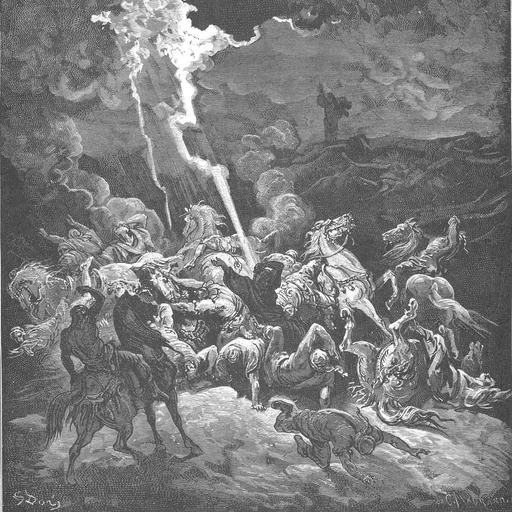
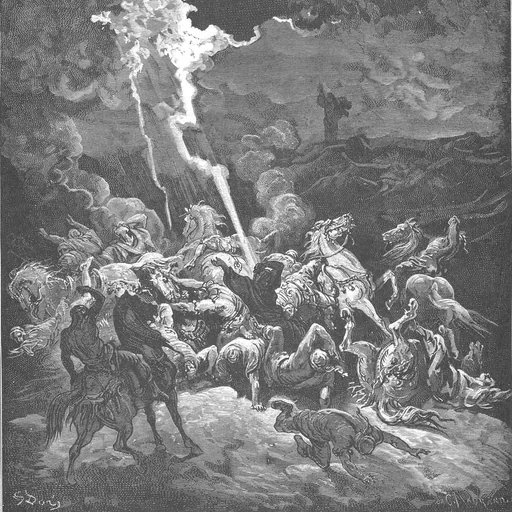
The third captain of fifty fell on his knees before Elijah and begged that his life be spared, and the Lord let him live.
Humble Officer Who Pleaded with Elijah
9th century BC
The third captain of fifty fell on his knees before Elijah and begged that his life be spared, and the Lord let him live.
Follow the reading trailBEYOND THE NAME
When the king sent a third captain with fifty men, this officer did not command Elijah but came up and fell on his knees, pleading that his life and the lives of his men be precious in the prophet’s sight. The angel of the Lord told Elijah not to fear but to go down with him, and the captain and his company were spared. His humility set him apart from the two captains who had perished before him.
Themes in the authored commentary
FOLLOW THE PASSAGES
These are chapter studies associated with this record. Their order follows the books and chapters, rather than a reconstructed timeline of the person’s life.
third captain who humbly pleads with Elijah and is spared
A king leans on a lattice, and it gives way. Ahaziah fell down through a lattice… and was sick. Hurt and afraid, he reaches for help - and reaches the wrong direction. With the God who brought Israel out of Egypt close at hand, he sends all the way to Ekron, to inquire of Baal-zebub, a foreign god whose very name the text spells as a mockery: “lord of flies.”
Chapter overview from the authored study guide.THE PEOPLE AROUND THE PERSON
Relationships follow the source graph. Some are interpretive or uncertain, and individual verse citations are not yet available for every connection.
STUDY & INTERPRETATION
The third captain breaks the pattern of defiance by approaching the prophet as a suppliant rather than an enforcer, and his plea for mercy is answered with life. His reverence acknowledges what the king refused to admit, that Elijah truly spoke for God and that the safest place was on bended knee. The narrative thus turns on the difference between demanding and beseeching, between confronting God and submitting to Him. His deliverance quietly anticipates the gospel pattern, where those who humble themselves and ask for mercy receive it, while the proud are turned away.
From the Learn of Christ person commentary. Read alongside the linked Scripture passages.KEEP SCRIPTURE CLOSE
1 authored chapter guide features this person. This is guide coverage, not an exhaustive count of biblical mentions.
ASK A BETTER QUESTION
Identity, story, early-life sources, family, and where to read.
The third captain of fifty fell on his knees before Elijah and begged that his life be spared, and the Lord let him live.
When the king sent a third captain with fifty men, this officer did not command Elijah but came up and fell on his knees, pleading that his life and the lives of his men be precious in the prophet’s sight. The angel of the Lord told Elijah not to fear but to go down with him, and the captain and his company were spared. His humility set him apart from the two captains who had perished before him.
Our authored studies connect Third Captain of Fifty with 2 Kings. The linked chapters provide reading context, not proof that an unnamed or inferred identity is explicitly named there. A verified, identity-specific verse index is not yet available for this record, so these chapter tags should not be treated as an exhaustive list of mentions.
A separate childhood account for Third Captain of Fifty is not provided in our current authored profile sources. Begin with 2 Kings 1 and the passages linked here for the evidence that is available. The first indexed reference to a name is not a birth record. This profile does not establish a birth date, schooling, or childhood events beyond what its sources state.
The current source graph does not list immediate family for Third Captain of Fifty. That is a limit of this data, not evidence that Third Captain of Fifty had no relatives. Read the cited passages for the details they actually give.
The third captain breaks the pattern of defiance by approaching the prophet as a suppliant rather than an enforcer, and his plea for mercy is answered with life. His reverence acknowledges what the king refused to admit, that Elijah truly spoke for God and that the safest place was on bended knee.
Answers draw on our existing authored biography and linked chapter studies. Where supplied, verse assignments come from the individualized STEP Bible index. Childhood answers distinguish documented events from gaps in the available sources.
YOUR OWN OBSERVATIONS
Notes, saved people, and study marks stay in this browser. They do not sync to your account.
KEEP EXPLORING
People featured in the same study guides. Sharing a chapter does not establish a family relationship.