Who was Elijah in the Bible?
Elijah was a prophet who called Israel back to the Lord and called down fire from heaven on Mount Carmel.
Prophet of fire
c. 870-850 BC
Elijah was a prophet who called Israel back to the Lord and called down fire from heaven on Mount Carmel.
Follow the reading trailBEYOND THE NAME
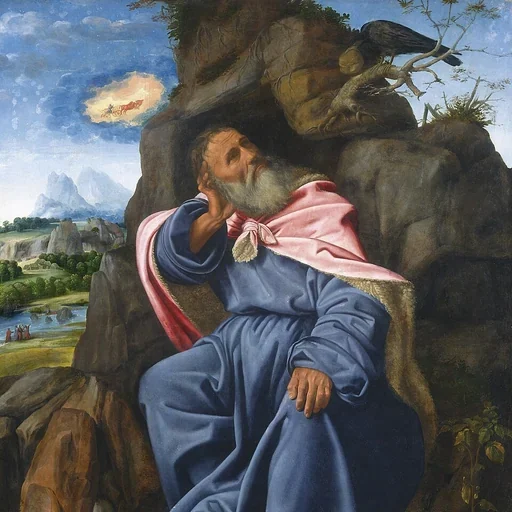
Elijah the Tishbite confronted King Ahab and Queen Jezebel during Israel's slide into Baal worship, announcing a drought and later defeating the prophets of Baal in the contest on Mount Carmel. He was sustained by ravens and by a widow's miraculous flour and oil, heard the Lord in a low whisper at Horeb, and anointed Elisha to follow him. His ministry closed when he was taken up to heaven in a whirlwind, leaving his mantle and a double portion of his spirit to Elisha.
Themes in the authored commentary
These are other entries using this name. Compare their source passages before treating them as the same or different historical people.
These entries connect the study to the source’s recorded family context. Read their cautions when the family records or identifications differ.
FOLLOW THE PASSAGES
Selected passages and introductions help you read this person’s story in context.
prophet who announced the drought to Ahab, was fed by ravens, and raised a widow's son at Zarephath
During a time of drought, Elijah is sustained first by the brook and then within a widow’s household at Zarephath. The chapter follows provision through scarcity and the restoration of the widow’s son.
confronted Ahab, challenged the prophets of Baal on Mount Carmel, and called down fire from heaven
Elijah confronts the prophets of Baal on Mount Carmel and calls the people to stop wavering between loyalties. The chapter’s public contest and the return of rain belong within the wider conflict over worship in Israel.
fled from Jezebel's threat, was sustained by an angel in the wilderness, and encountered God at Horeb
After the confrontation at Carmel, Elijah flees, receives food and rest, and journeys to Horeb. God addresses him there and gives further instructions. The passage reveals the prophet’s fear and exhaustion as well as his continuing commission.
THE PEOPLE AROUND THE PERSON
Relationships follow the source graph. Some are interpretive or uncertain, and individual verse citations are not yet available for every connection.
STUDY & INTERPRETATION
Elijah bursts into the narrative in 1 Kings 17 with a word that shuts the heavens, and his ministry becomes the great prophetic stand against the Baal worship that Ahab and Jezebel had enthroned. He embodies the prophet who speaks the word of the Lord against kings, who is fed by raven and widow when the land is starved, who calls fire from heaven on Carmel, and who then, exhausted and afraid, is met by God not in wind or earthquake but in a still small voice. Taken up in a whirlwind rather than dying, he leaves a legacy so large that the prophets foretell his return before the great day of the Lord, and the Gospels link that expectation to the forerunner of the Messiah. On the Mount of Transfiguration he stands beside Moses and speaks with Jesus, the Law and the Prophets bearing witness to the One they pointed toward. Elijah's whole life leans forward, the voice in the wilderness calling a people back to their God.
From the Learn of Christ person commentary. Read alongside the linked Scripture passages.KEEP SCRIPTURE CLOSE
20 authored chapter guides feature this person. This is guide coverage, not an exhaustive count of biblical mentions.
ASK A BETTER QUESTION
Identity, story, early-life sources, family, and where to read.
Names and spellings in the source: Elijah · Elias
Elijah was a prophet who called Israel back to the Lord and called down fire from heaven on Mount Carmel.
Elijah the Tishbite confronted King Ahab and Queen Jezebel during Israel's slide into Baal worship, announcing a drought and later defeating the prophets of Baal in the contest on Mount Carmel. He was sustained by ravens and by a widow's miraculous flour and oil, heard the Lord in a low whisper at Horeb, and anointed Elisha to follow him. His ministry closed when he was taken up to heaven in a whirlwind, leaving his mantle and a double portion of his spirit to Elisha.
The individualized passage index associates this Elijah record with 1 Kings, 2 Kings, 2 Chronicles, Malachi, Luke. There are 63 distinct indexed verse references in the 66-book Bible. Browse the book-by-book list below; it separates this identity from other people who share the name. Source assignments and textual identifications can require interpretation.
A separate childhood account for Elijah is not provided in our current authored profile sources. Begin with 1 Kings 17:1 and the passages linked here for the evidence that is available. The first indexed reference to a name is not a birth record. This profile does not establish a birth date, schooling, or childhood events beyond what its sources state.
The current source graph does not list immediate family for Elijah. That is a limit of this data, not evidence that Elijah had no relatives. Read the cited passages for the details they actually give.
Elijah bursts into the narrative in 1 Kings 17 with a word that shuts the heavens, and his ministry becomes the great prophetic stand against the Baal worship that Ahab and Jezebel had enthroned. He embodies the prophet who speaks the word of the Lord against kings, who is fed by raven and widow when the land is starved, who calls fire from heaven on Carmel, and who then, exhausted and afraid, is met by God not in wind or earthquake but in a still small voice.
Answers draw on our existing authored biography and linked chapter studies. Where supplied, verse assignments come from the individualized STEP Bible index. Childhood answers distinguish documented events from gaps in the available sources.
FIND THE PERSON IN THE TEXT
63 distinct verse references in the source’s 66-book index. These are indexed name assignments, rather than every indirect allusion to this person. A name may also refer to descendants, a tribe, or a nation; read each passage to distinguish that usage from the individual.
“And Elijah the Tishbite, who was of the inhabitants of Gilead, said unto Ahab, As the LORD God of Israel liveth, before whom I stand, there shall not be dew nor rain these years, but according to my word.”
1 Kings 17:1 · King James Version
“And Elijah said unto all the people, Come near unto me. And all the people came near unto him. And he repaired the altar of the LORD that was broken down.”
1 Kings 18:30 · King James Version
“And Elijah answered and said to the captain of fifty, If I be a man of God, then let fire come down from heaven, and consume thee and thy fifty. And there came down fire from heaven, and consumed him and his fifty.”
2 Kings 1:10 · King James Version
“And when his disciples James and John saw this, they said, Lord, wilt thou that we command fire to come down from heaven, and consume them, even as Elias did?”
Luke 9:54 · King James Version
References are adapted from STEP Bible / Tyndale House TIPNR (CC BY 4.0). Deduplicated, matched to this identity, and checked against the bundled KJV’s verse bounds. Interpretive assignments and translation/versification differences may remain. This index is separate from evidence for individual family relationships.
YOUR OWN OBSERVATIONS
Notes, saved people, and study marks stay in this browser. They do not sync to your account.
KEEP EXPLORING
People featured in the same study guides. Sharing a chapter does not establish a family relationship.