

Luke 4
People in this chapter
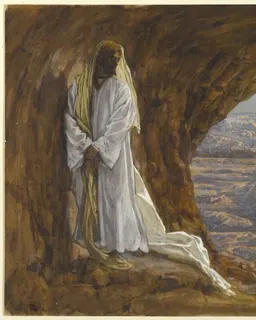
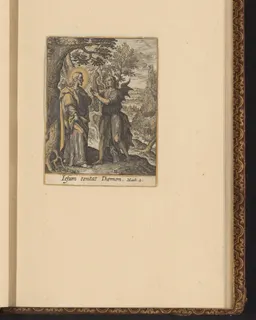
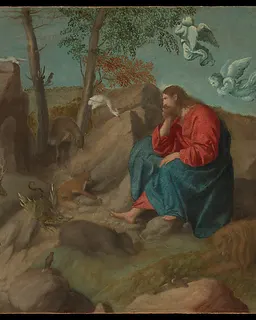
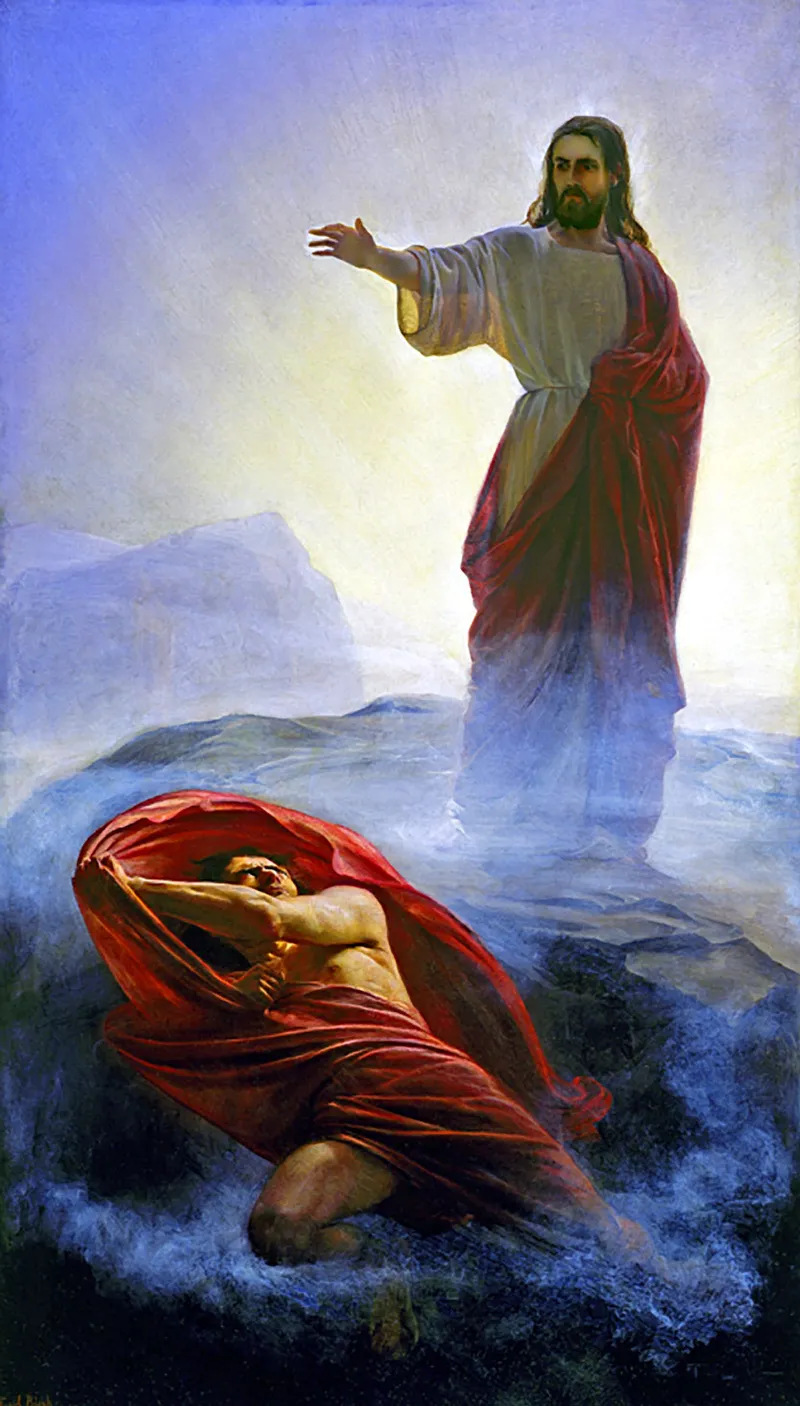
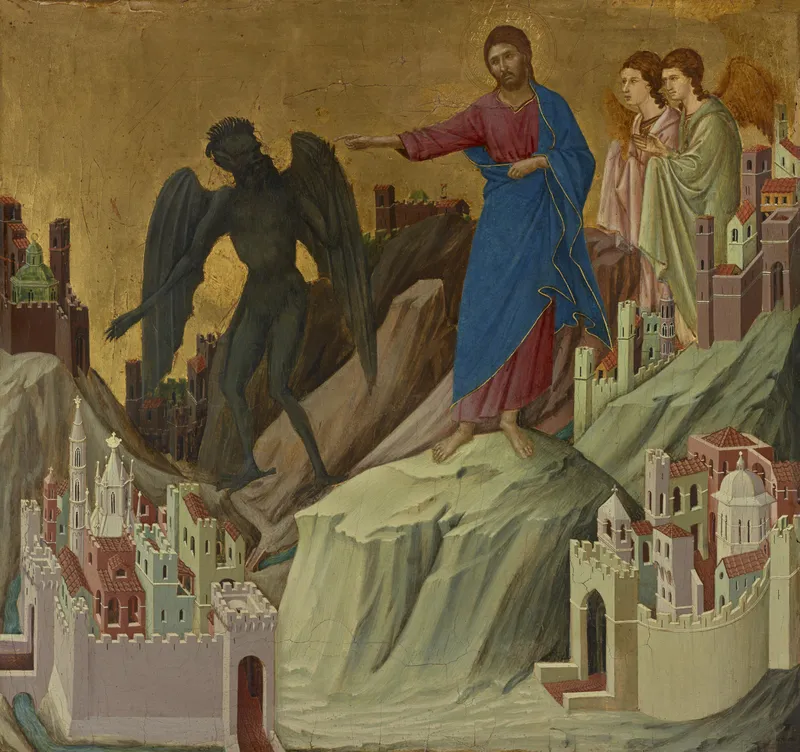
Luke opens this chapter where the last one ended - at the Jordan, where the Spirit descended and the voice from heaven named Jesus the beloved Son. And Jesus being full of the Holy Ghost returned from Jordan, and was led by the Spirit into the wilderness (v. 1). The same Spirit that rested on Him now drives Him out into the wild to be tested for forty days. The number is not idle. It echoes the forty days Moses spent on the mountain and Elijah's forty-day journey to Horeb, and above all it echoes the forty years Israel wandered in the desert, hungry and tried and so often failing.
Jesus enters that same school of the wilderness - and where He is pressed, He answers every time with three words: It is written.1
Tap any highlighted phrase to jump to the commentary that unpacks it.
Luke 4:1-13It Is Written
1And Jesus being full of the Holy Ghost returned from Jordan, and was led by the Spirit into the wilderness, 2Being forty days tempted of the devil. And in those days he did eat nothing: and when they were ended, he afterward hungered. 3And the devil said unto him, If thou be the Son of God, command this stone that it be made bread. 4And Jesus answered him, saying, It is written, That man shall not live by bread alone, but by every word of God. 5And the devil, taking him up into an high mountain, shewed unto him all the kingdoms of the world in a moment of time. 6And the devil said unto him, All this power will I give thee, and the glory of them: for that is delivered unto me; and to whomsoever I will I give it. 7If thou therefore wilt worship me, all shall be thine. 8And Jesus answered and said unto him, Get thee behind me, Satan: for it is written, Thou shalt worship the Lord thy God, and him only shalt thou serve. 9And he brought him to Jerusalem, and set him on a pinnacle of the temple, and said unto him, If thou be the Son of God, cast thyself down from hence: 10For it is written, He shall give his angels charge over thee, to keep thee: 11And in their hands they shall bear thee up, lest at any time thou dash thy foot against a stone. 12And Jesus answering said unto him, It is said, Thou shalt not tempt the Lord thy God. 13And when the devil had ended all the temptation, he departed from him for a season.
Notice who does the leading. Jesus being full of the Holy Ghost… was led by the Spirit into the wilderness, being forty days tempted of the devil (vv. 1-2). The testing is not an ambush that catches heaven off guard; the same Spirit that descended on Him at the Jordan walks Him straight into it. This sets the whole scene in a particular light. The wilderness is not a sign that something has gone wrong with His calling - it is the first thing His calling does.
And the setting carries memory. Israel was led into a wilderness for forty years and there proved faithless again and again, hungry and grumbling and grasping; Moses fasted forty days on the mountain; Elijah journeyed forty days to meet God at Horeb. Jesus steps into that long story and takes its hardest part on Himself. In those days he did eat nothing: and when they were ended, he afterward hungered. The hunger is real, and it is precisely at the point of His real human need that the tempter makes his first move.
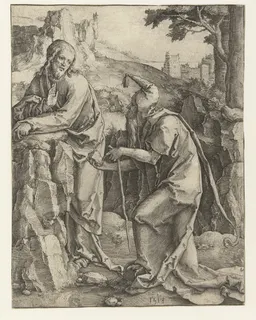
The first offer is aimed at the hunger: If thou be the Son of God, command this stone that it be made bread (v. 3). The hook is in the opening clause - if thou be the Son of God. The voice from heaven has just declared Him the beloved Son; now the tempter invites Him to prove it, to settle His identity by a display of power and to use that power to meet His own need on His own terms.
It is a small thing, on the surface - bread for a starving man, and He certainly had the power to make it. But Jesus refuses, and He refuses with Scripture: It is written, That man shall not live by bread alone, but by every word of God (v. 4). The words come straight from Israel's wilderness story, where the LORD let the people hunger and then fed them with manna to teach them that very lesson.2 Where Israel demanded bread and doubted God's care, Jesus goes hungry and trusts the word of God to sustain Him.
He will not let even a legitimate need become a reason to act apart from His Father.
The second offer raises the stakes from a loaf to an empire. The devil shows Him all the kingdoms of the world in a moment of time and says, All this power will I give thee, and the glory of them… If thou therefore wilt worship me, all shall be thine (vv. 5-7). Here is the heart of every temptation laid bare: a shortcut to the throne with the cross left out, glory without obedience, the prize without the path.
And the price is a single act of worship bent in the wrong direction. Jesus answers without hesitation: Get thee behind me, Satan: for it is written, Thou shalt worship the Lord thy God, and him only shalt thou serve (v. 8). The quotation is again from Deuteronomy, from the charge Israel was given as they faced the temptations of a new land. The word only bears all the weight. Worship is not a transaction to be spent on whatever offers the most; it belongs to the LORD alone.
The kingdoms were indeed His to inherit - but from the Father's hand, by the Father's road, not as the devil's gift bought with the Father's due.
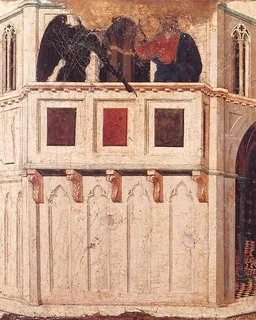
The third offer is the most subtle, because this time the tempter himself quotes Scripture. He sets Jesus on a pinnacle of the temple and says, If thou be the Son of God, cast thyself down from hence: for it is written, He shall give his angels charge over thee, to keep thee (vv. 9-11). It is real Scripture, lifted from Psalm 91 - a true promise of God's protection, twisted into a dare.
Throw yourself off, the logic runs, and force God to prove His faithfulness by catching you. But a promise of God is not a lever to pull; trust that demands a spectacle is not trust at all. Jesus answers with one more line from Deuteronomy: It is said, Thou shalt not tempt the Lord thy God (v. 12). To leap from the pinnacle in order to test whether God will keep His word would be the very opposite of faith - it would be Israel at Massah all over again, saying in effect, Is the LORD among us or not? Jesus will not put His Father on trial.
He knows that Scripture is not a collection of detached promises to be exploited but a whole counsel to be obeyed - and so the verse hurled at Him is answered by the verse He lives by.
The round ends, but not the war: when the devil had ended all the temptation, he departed from him for a season (v. 13). The little phrase for a season is quietly ominous. This is a retreat, not a surrender. The tempter withdraws to wait for another opening, and Luke's readers will see him return - in the crowd that wants a sign, in Peter's well-meant protest against the cross, and at last in the garden and the trial, when the hour, and the power of darkness close in.
So this wilderness victory is not the whole battle; it is the opening one, the proof of how the whole battle will be fought and won. Three times the same weapon, three times the same stance: not raw power, not clever debate, but the written word held fast and obeyed. The Son of God, full of the Spirit and faint with hunger, has met the tempter on the very ground where humanity has always lost - and has stood.
Luke 4:14-22This Day Is This Scripture Fulfilled
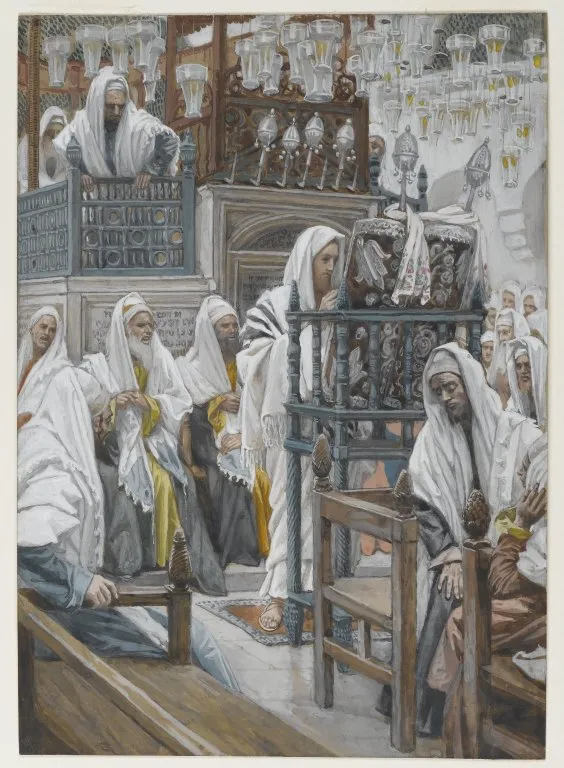
14And Jesus returned in the power of the Spirit into Galilee: and there went out a fame of him through all the region round about. 15And he taught in their synagogues, being glorified of all. 16And he came to Nazareth, where he had been brought up: and, as his custom was, he went into the synagogue on the sabbath day, and stood up for to read. 17And there was delivered unto him the book of the prophet Esaias. And when he had opened the book, he found the place where it was written, 18The Spirit of the Lord is upon me, because he hath anointed me to preach the gospel to the poor; he hath sent me to heal the brokenhearted, to preach deliverance to the captives, and recovering of sight to the blind, to set at liberty them that are bruised, 19To preach the acceptable year of the Lord. 20And he closed the book, and he gave it again to the minister, and sat down. And the eyes of all them that were in the synagogue were fastened on him. 21And he began to say unto them, This day is this scripture fulfilled in your ears. 22And all bare him witness, and wondered at the gracious words which proceeded out of his mouth. And they said, Is not this Joseph’s son?
The wilderness was not a weakening but a strengthening: Jesus returned in the power of the Spirit into Galilee (v. 14). He goes out tested and proven, and word of Him spreads through the whole region as He teaches in the synagogues, being glorified of all. Then Luke brings Him home: he came to Nazareth, where he had been brought up: and, as his custom was, he went into the synagogue on the sabbath day, and stood up for to read (v. 16).
Two quiet details deserve a pause. First, as his custom was - the worship of God on the sabbath was His settled habit, the ordinary rhythm of His life long before this dramatic day. Second, this is His hometown, the place where everyone present had watched Him grow from a boy. The stage is small and familiar; what He is about to say on it will be anything but. He stands, and the scroll of Isaiah is placed in His hands.
He unrolls the scroll and finds the place - the opening lines of Isaiah 61 - and reads aloud what becomes the charter of His whole ministry: The Spirit of the Lord is upon me, because he hath anointed me to preach the gospel to the poor; he hath sent me to heal the brokenhearted, to preach deliverance to the captives, and recovering of sight to the blind, to set at liberty them that are bruised, to preach the acceptable year of the Lord (vv. 18-19).1 Hear what He chooses to read.
Not thunder, not the day of vengeance, but good news - aimed at exactly the people the world overlooks. The poor, the brokenhearted, the captives, the blind, the bruised. The prophecy reaches toward the ones with nothing to offer and everything to gain. And it opens with the Spirit and the anointing: the Spirit of the Lord is upon me, because he hath anointed me. The same Spirit that descended at the Jordan and led Him through the wilderness is the Spirit by whom He is sent.
His mission is not self-appointed; it is the overflow of an anointing.
Then comes the moment the whole scene has been building toward. He closed the book, and he gave it again to the minister, and sat down - the posture of a teacher about to expound - and the eyes of all them that were in the synagogue were fastened on him (v. 20). In the held silence He speaks one sentence: This day is this scripture fulfilled in your ears (v. 21). It is among the most daring sentences in the Gospels.
He does not say the prophecy is admirable, or that it will be fulfilled someday; He says it is fulfilled this day, in your ears - in the hearing of the very words He has just read. The One Isaiah spoke of is standing in front of them; the anointed deliverer is not a future hope but the man they watched grow up. At first the room is taken with Him: all bare him witness, and wondered at the gracious words which proceeded out of his mouth. But already the question is forming that will turn the wonder sour: Is not this Joseph's son? They are dazzled by the words and stumbling over the speaker - impressed and offended in the same breath.
Luke 4:23-30He Passing Through the Midst of Them
23And he said unto them, Ye will surely say unto me this proverb, Physician, heal thyself: whatsoever we have heard done in Capernaum, do also here in thy country. 24And he said, Verily I say unto you, No prophet is accepted in his own country. 25But I tell you of a truth, many widows were in Israel in the days of Elias, when the heaven was shut up three years and six months, when great famine was throughout all the land; 26But unto none of them was Elias sent, save unto Sarepta, a city of Sidon, unto a woman that was a widow. 27And many lepers were in Israel in the time of Eliseus the prophet; and none of them was cleansed, saving Naaman the Syrian. 28And all they in the synagogue, when they heard these things, were filled with wrath, 29And rose up, and thrust him out of the city, and led him unto the brow of the hill whereon their city was built, that they might cast him down headlong. 30But he passing through the midst of them went his way,
Jesus reads the room before it turns, and names its demand out loud: Ye will surely say unto me this proverb, Physician, heal thyself: whatsoever we have heard done in Capernaum, do also here in thy country (v. 23). The hometown wants its show. They have heard of the wonders He worked elsewhere, and now they expect Him to put on the same display for them - to prove Himself on demand to the people who feel they have first claim on Him.
It is, in its way, the wilderness temptation again, this time with the crowd holding the script: if thou be who you say, prove it - here, now, for us. But signs are not vending-machine favors owed to familiarity, and faith that will only believe after a private demonstration is not faith. Jesus will not be managed by the expectations of the room, however much they feel entitled to it. Instead He answers with a hard proverb and then reaches back into their own Scriptures to expose what is really happening in their hearts.
The proverb is famous for good reason: Verily I say unto you, No prophet is accepted in his own country (v. 24). There is a strange, recurring tragedy in it. The very nearness that should breed trust breeds contempt instead; those who know a prophet's face and family find it hardest to receive his word. Nazareth cannot get past Is not this Joseph's son? - the familiar frame becomes a wall. And the word accepted deliberately catches up the acceptable year He has just proclaimed (v. 19).
He came announcing the year of God's favor, the year of acceptance - and the place that should have welcomed Him most is the place least willing to accept Him. The danger here is not unbelief born of ignorance but unbelief born of over-familiarity, the assumption that we already have someone figured out. It is possible to be closest to Jesus by accident of upbringing and farthest from Him in the heart - to know all about Him and miss Him entirely.
Then Jesus drives the point home with two episodes from their own history - and they are pointed. Many widows were in Israel in the days of Elias… But unto none of them was Elias sent, save unto Sarepta, a city of Sidon, unto a woman that was a widow. And many lepers were in Israel in the time of Eliseus the prophet; and none of them was cleansed, saving Naaman the Syrian (vv. 25-27).2 Both stories share one scandalous feature: in a time when Israel was full of need, God's great mercy through His prophets landed on outsiders - a Sidonian widow, a Syrian general - while the insiders went without.
Jesus is holding up a mirror. The grace of God has never been the guaranteed inheritance of those who assume they are owed it; it goes where there is faith to receive it, even past the borders of the chosen people. To a Nazareth that wanted its hometown privileges honored, this was the most cutting thing He could say: the very Scriptures you revere record God blessing the foreigner over the entitled. And buried in the offense is a promise too large for them to hear in their anger - that this Anointed One's mercy was always going to reach beyond Israel, to whoever would receive it.
The reaction is violent and immediate: all they in the synagogue, when they heard these things, were filled with wrath, and rose up, and thrust him out of the city, and led him unto the brow of the hill whereon their city was built, that they might cast him down headlong (vv. 28-29). Minutes earlier they marveled at His gracious words; now the same crowd is dragging Him to a cliff. That is how fast wonder curdles into rage when the truth indicts us - and it is a sobering thing that this murderous fury erupts inside a synagogue, on the sabbath, among the religious.
But the scene does not end the way they intend: he passing through the midst of them went his way (v. 30). There is no fight, no miracle described, no panic - simply a quiet, sovereign withdrawal straight through the heart of the mob. The plain sense is unmistakable: His hour has not yet come, and no crowd can hurry it. He will lay down His life, but in His own time and at the place appointed, not at the brow of a Nazareth hill on the day His neighbors lose their temper.
He walks through them and goes on with His mission, untouched.
Luke 4:31-44The Holy One of God
31And came down to Capernaum, a city of Galilee, and taught them on the sabbath days. 32And they were astonished at his doctrine: for his word was with power. 33And in the synagogue there was a man, which had a spirit of an unclean devil, and cried out with a loud voice, 34Saying, Let us alone; what have we to do with thee, thou Jesus of Nazareth? art thou come to destroy us? I know thee who thou art; the Holy One of God. 35And Jesus rebuked him, saying, Hold thy peace, and come out of him. And when the devil had thrown him in the midst, he came out of him, and hurt him not. 36And they were all amazed, and spake among themselves, saying, What a word is this! for with authority and power he commandeth the unclean spirits, and they come out. 37And the fame of him went out into every place of the country round about. 38And he arose out of the synagogue, and entered into Simon’s house. And Simon’s wife’s mother was taken with a great fever; and they besought him for her. 39And he stood over her, and rebuked the fever; and it left her: and immediately she arose and ministered unto them. 40Now when the sun was setting, all they that had any sick with divers diseases brought them unto him; and he laid his hands on every one of them, and healed them. 41And devils also came out of many, crying out, and saying, Thou art Christ the Son of God. And he rebuking them suffered them not to speak: for they knew that he was Christ. 42And when it was day, he departed and went into a desert place: and the people sought him, and came unto him, and stayed him, that he should not depart from them. 43And he said unto them, I must preach the kingdom of God to other cities also: for therefore am I sent. 44And he preached in the synagogues of Galilee.
From the town that rejected Him Jesus comes down to Capernaum, and the contrast is immediate. They were astonished at his doctrine: for his word was with power (v. 32). At Nazareth His word provoked wrath; here it provokes wonder of a different kind - the people sense an authority in His teaching they have never met before. And the authority is not merely in the manner of His speech but in its effect, as the next moment proves.
In the synagogue there was a man, which had a spirit of an unclean devil, and cried out with a loud voice (v. 33). The teaching and the deliverance belong together: His word does not just describe the kingdom of God, it enforces it. Where Jesus speaks, the powers of darkness are flushed into the open and made to answer. Even in the place of worship, evil had quietly taken up residence - and the presence of the Holy One will not leave it hidden.
What the demon screams is one of the most arresting confessions in the Gospel: Let us alone; what have we to do with thee, thou Jesus of Nazareth? art thou come to destroy us? I know thee who thou art; the Holy One of God (v. 34). The irony cuts deep. The hometown synagogue could not see past Joseph's son; this unclean spirit names Him exactly - the Holy One of God. The forces of darkness recognize Him on sight, and they are terrified.
They do not doubt who He is; they dread what His coming means for them: art thou come to destroy us? Jesus does not accept the testimony, true as it is. Hold thy peace, and come out of him (v. 35). The demon obeys the moment it is commanded; it throws the man down but, the text is careful to note, hurt him not, and comes out. There is no struggle, no incantation, no protracted battle - only a word, and the powers that held a man captive let go.
What a word is this! the people say. For with authority and power he commandeth the unclean spirits, and they come out (v. 36). The deliverance He read about in Isaiah is happening in front of them.
The same authority moves seamlessly from the spiritual to the bodily. Leaving the synagogue, Jesus enters Simon's house, where Simon's wife's mother was taken with a great fever; and they besought him for her (v. 38). The word Luke uses next is telling: he stood over her, and rebuked the fever; and it left her (v. 39). He rebukes the fever exactly as He rebuked the demon - the disease answers His command the way the unclean spirit did.
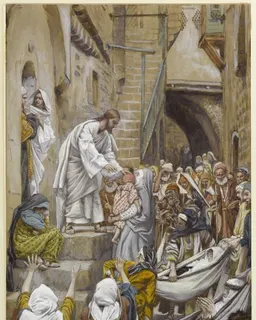
And the healing is complete and instant: immediately she arose and ministered unto them. There is no slow convalescence; she is not merely better but restored, up and serving in the same breath. Then, as the sun sets and the sabbath ends, the floodgates open: all they that had any sick with divers diseases brought them unto him; and he laid his hands on every one of them, and healed them (v. 40). Note the tenderness of every one of them - not a crowd healed in the mass, but person after person, each one touched.
The kingdom He proclaimed is not an idea; it is good news with hands, reaching the captive and the broken and the sick one body at a time.
The demons keep blurting out the truth - devils also came out of many, crying out, and saying, Thou art Christ the Son of God (v. 41) - and again Jesus silences them, for they knew that he was Christ. He will not have His identity proclaimed by unclean spirits, nor His mission reduced to a sensation of healings; the confession of who He is must come from faith, not from terror, and in its proper time.
So at daybreak He withdraws to a solitary place, and when the crowds find Him and try to keep Him - stayed him, that he should not depart from them - He gently refuses to be held: I must preach the kingdom of God to other cities also: for therefore am I sent (v. 43). The little word must governs His whole life. He is not driven by the demands of the crowd or the pull of an easy welcome; He is governed by the purpose for which He was sent.
The same Spirit-anointing He read aloud in Nazareth - sent to preach good news - is the constraint that moves Him on past Capernaum to the next town, and the next. And he preached in the synagogues of Galilee. The mission will not be confined to one grateful town; it presses outward, because that is what He came to do.
Research trail
Sources & further study
These references support the historical, linguistic, manuscript, and contextual notes in this chapter. Scripture remains the primary text; external sources are provided so readers can inspect the research directly.
- Luke 4 - Translators' NotesThe NET Bible's detailed footnotes on Luke 4 - the wilderness testing and its order of temptations (vv. 1-13), the quotation and shape of Isaiah 61 in the Nazareth reading (vv. 18-19), the difficult sayings about Elijah and Elisha (vv. 25-27), and the demon's confession at Capernaum (vv. 34, 41).
- Luke 4 ↔ Deuteronomy · Isaiah 61 · 1 & 2 KingsTraces the threads tying Luke 4 to the rest of Scripture - the three answers drawn from Deuteronomy (Deut. 8:3; 6:13, 16), the reading of Isaiah 61:1-2 in the synagogue (vv. 18-19), and the Elijah and Elisha episodes from 1 Kings 17 and 2 Kings 5 that Jesus recalls (vv. 25-27).
- Luke 4 · Greek interlinear and lexiconThe Greek text of Luke 4 word by word, with parsing and lexicon links - useful for the verb chriō (“anointed,” v. 18, the root of the title Christ), the adjective dektos (“acceptable,” vv. 19, 24), the repeated gegraptai (“it is written,” vv. 4, 8, 10), and exousia (“power, authority,” vv. 6, 32, 36).
Where this echoes in Scripture
It Is Written
- Deuteronomy 8:3he... fed thee with manna... that he might make thee know that man doth not live by bread only, but by every word that proceedeth out of the mouth of the LORD.The word Jesus quotes in verse 4 - the lesson of Israel's wilderness now lived out perfectly.
- Romans 5:19For as by one man's disobedience many were made sinners, so by the obedience of one shall many be made righteous.The contrast underlying the whole scene - one man's fall, and the obedience of the One tested here.
- 1 Corinthians 15:45The first man Adam was made a living soul; the last Adam was made a quickening spirit.Jesus as the last Adam, standing where the first fell (vv. 1-13).
- Hebrews 4:15tempted like as we are, yet without sin.Why the wilderness matters for us - the tested One can help the tempted.
- James 4:7Submit yourselves therefore to God. Resist the devil, and he will flee from you.The pattern of verses 8 and 13 - the tempter resisted by the word, and made to depart.
This Day Is This Scripture Fulfilled
- Isaiah 61:1-2The Spirit of the Lord GOD is upon me; because the LORD hath anointed me to preach good tidings unto the meek... to proclaim the acceptable year of the LORD.The scroll Jesus reads in verses 18-19 - the prophecy He claims as His own.
- Leviticus 25:10ye shall... proclaim liberty throughout all the land... it shall be a jubile unto you; and ye shall return every man unto his possession.The jubilee behind the “acceptable year” of verse 19 - debts forgiven, captives freed, inheritance restored.
- Luke 3:22the Holy Ghost descended in a bodily shape like a dove upon him.The anointing Jesus speaks of in verse 18 - the Spirit that came upon Him at the Jordan.
- Acts 10:38how God anointed Jesus of Nazareth with the Holy Ghost and with power: who went about doing good.The apostolic summary of verse 18 - Jesus anointed with the Spirit, sent to do good.
- Matthew 11:5the blind receive their sight... the poor have the gospel preached to them.The manifesto of verses 18-19 carried out in deed - Jesus pointing to His works as the proof.
He Passing Through the Midst of Them
- 1 Kings 17:9Arise, get thee to Zarephath, which belongeth to Zidon, and dwell there: behold, I have commanded a widow woman there to sustain thee.The widow of Sarepta Jesus recalls in verse 26 - God's mercy sent to an outsider.
- 2 Kings 5:14Then went he down, and dipped himself seven times in Jordan... and his flesh came again like unto the flesh of a little child, and he was clean.Naaman the Syrian, cleansed in verse 27 - the foreigner healed when Israel's lepers were not.
- John 1:11He came unto his own, and his own received him not.The rejection of verses 28-29 in a single line - the Anointed One refused by His own.
- Luke 2:34this child is set for the fall and rising again of many in Israel; and for a sign which shall be spoken against.Simeon's prophecy fulfilled at Nazareth - the sign spoken against (vv. 28-29).
- John 7:30Then they sought to take him: but no man laid hands on him, because his hour was not yet come.The same truth as verse 30 - no crowd can seize Him before His appointed hour.
The Holy One of God
- Mark 1:24Let us alone; what have we to do with thee, thou Jesus of Nazareth? art thou come to destroy us? I know thee who thou art, the Holy One of God.The same confession as verse 34 - the demon naming Jesus the Holy One of God.
- James 2:19Thou believest that there is one God; thou doest well: the devils also believe, and tremble.The warning behind verses 34 and 41 - the demons know exactly who He is, and are lost.
- 1 John 3:8For this purpose the Son of God was manifested, that he might destroy the works of the devil.The meaning of the deliverance in verses 35-36 - the Holy One come to undo the works of darkness.
- Acts 10:38who went about doing good, and healing all that were oppressed of the devil; for God was with him.The whole Capernaum scene summarized (vv. 33-41) - Jesus healing all who were oppressed.
- Mark 1:38Let us go into the next towns, that I may preach there also: for therefore came I forth.The same resolve as verse 43 - the mission that will not stay in one grateful town.