
Who was Jezebel in the Bible?
Jezebel was a foreign queen who married King Ahab and pushed Israel to worship Baal while opposing the prophets of the Lord.
Queen of Israel
c. 870-840 BC
Jezebel was a foreign queen who married King Ahab and pushed Israel to worship Baal while opposing the prophets of the Lord.
Follow the reading trailBEYOND THE NAME
Jezebel was a Sidonian princess who became queen of Israel through her marriage to Ahab and championed the worship of Baal and Asherah. She sponsored hundreds of Baal's prophets, sought to kill the prophets of the Lord, and engineered the death of Naboth so Ahab could take his vineyard. Her name became a byword in Scripture for a ruler who weaponizes power against true worship and against the innocent.
Themes in the authored commentary
FOLLOW THE PASSAGES
These are chapter studies associated with this record. Their order follows the books and chapters, rather than a reconstructed timeline of the person’s life.
Phoenician princess from Sidon whom Ahab married, introducing Baal worship to Israel
Four men take the throne of Israel in this one chapter. Baasha’s line ends. Elah is murdered drunk. Zimri seizes power and burns the palace down over his own head in a week. Omri claws his way up through a civil war. Three of them die by violence, and then the worst of all arrives: Ahab, who marries a foreign queen and turns the whole kingdom toward Baal. This is the churn that follows when a people walk away from their God.
Chapter overview from the authored study guide.queen whose massacre of the LORD's prophets formed the backdrop for the Carmel showdown
Three years without rain. The brooks are dry, the cattle dying, the people starving. Ahab has scoured every kingdom for the prophet who shut the sky, and now Elijah walks back into the open to meet him. The king spits the charge first: troubler of Israel. Elijah hands it back. You troubled Israel, you and your father’s house, the day you traded the Lord for Baal.
Chapter overview from the authored study guide.sent a death threat to Elijah after the slaughter of her prophets on Carmel
Hours earlier, fire fell from heaven at Carmel and a whole nation cried out that the LORD is God. Now the prophet who called that fire down is running for his life - from a single message sent by one furious queen. Elijah leaves his servant behind, walks a day into the wilderness, sits under a juniper tree, and asks God to let him die.
Chapter overview from the authored study guide.orchestrated the false trial and execution of Naboth so Ahab could seize the vineyard
There is a moment in every person’s life when they want something that is not theirs. A possession, a role, a place in another’s life. The tenth commandment forbids coveting because coveting, unchecked, breeds lies, theft, and murder. Ahab, the king of Israel, encounters such a moment. And what begins as a simple, reasonable request becomes a cascade of injustice.
Chapter overview from the authored study guide.queen mother thrown from a window on Jehu's command and eaten by dogs
Years ago the house of Ahab murdered a man named Naboth for his vineyard, and Elijah stood in that field and named the sentence: dogs would eat Jezebel on this ground (1 Kings 21). Then nothing. Ahab died in his bed. A generation passed. The word looked spent. In 2 Kings 9 it wakes, and it moves fast. Elisha hands a young prophet a flask of oil and one errand: anoint Jehu king at Ramoth-gilead, and run.
Chapter overview from the authored study guide.THE PEOPLE AROUND THE PERSON
Recorded parents
Recorded spouses
Recorded children
Relationships follow the source graph. Some are interpretive or uncertain, and individual verse citations are not yet available for every connection.
STUDY & INTERPRETATION
Jezebel enters the story in 1 Kings 16 as the wife Ahab takes from Sidon, and through her the worship of Baal gains a determined royal patron in Israel. She funds Baal's prophets, hunts those who serve the Lord, threatens Elijah after Carmel, and arranges the judicial murder of Naboth, drawing the prophetic word of judgment down on the house of Ahab. Her career embodies a recurring danger in Scripture: the use of throne and law to crush the faithful and seize what belongs to others, exactly the injustice the prophets cry out against. The Bible never softens her violence, and her name later returns in Revelation as a symbol of seductive corruption inside the community of faith. Against such misused power, the larger story of Scripture sets the gentle and just reign of the One who lays down His life rather than take the life of the innocent.
From the Learn of Christ person commentary. Read alongside the linked Scripture passages.KEEP SCRIPTURE CLOSE
5 authored chapter guides feature this person. This is guide coverage, not an exhaustive count of biblical mentions.
ASK A BETTER QUESTION
Identity, story, early-life sources, family, and where to read.
Jezebel was a foreign queen who married King Ahab and pushed Israel to worship Baal while opposing the prophets of the Lord.
Jezebel was a Sidonian princess who became queen of Israel through her marriage to Ahab and championed the worship of Baal and Asherah. She sponsored hundreds of Baal's prophets, sought to kill the prophets of the Lord, and engineered the death of Naboth so Ahab could take his vineyard. Her name became a byword in Scripture for a ruler who weaponizes power against true worship and against the innocent.
The individualized passage index associates this Jezebel record with 1 Kings, 2 Kings, Revelation. There are 20 distinct indexed verse references in the 66-book Bible. Browse the book-by-book list below; it separates this identity from other people who share the name. Source assignments and textual identifications can require interpretation.
A separate childhood account for Jezebel is not provided in our current authored profile sources. Begin with 1 Kings 16:31 and the passages linked here for the evidence that is available. The first indexed reference to a name is not a birth record. This profile does not establish a birth date, schooling, or childhood events beyond what its sources state.
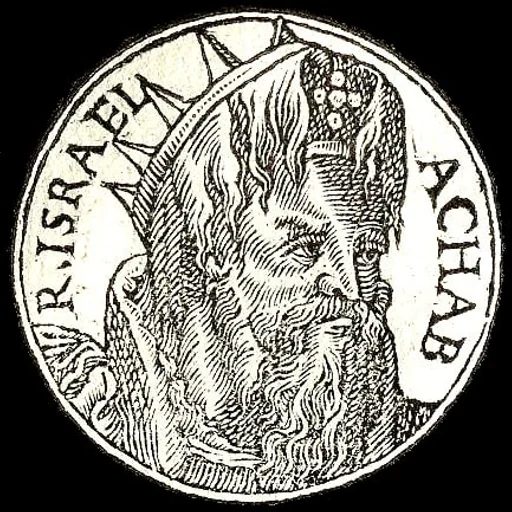
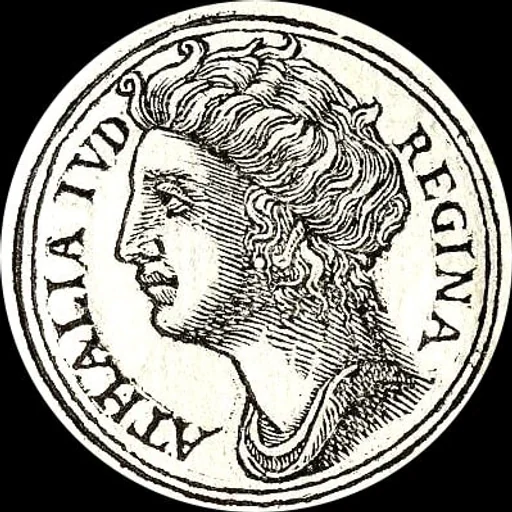
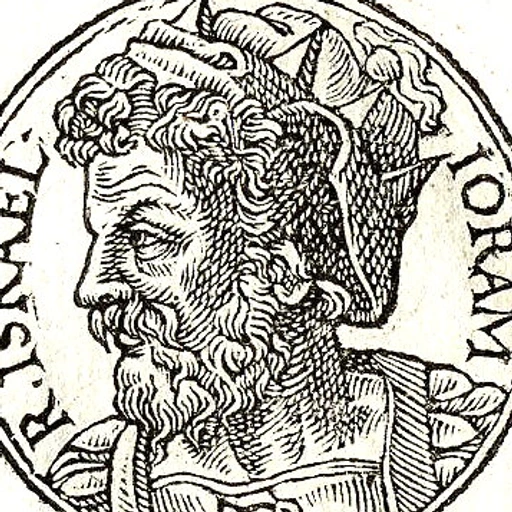
Jezebel’s source record lists Ethbaal (father), Ahab (spouse), Athaliah (child), Joash (child), Ahaziah (child), Joram (child). These are source-graph relationships; legal family, uncertain identifications, and ancestral language require the cautions below. Individual verse evidence is not yet retained for every family edge.
Jezebel enters the story in 1 Kings 16 as the wife Ahab takes from Sidon, and through her the worship of Baal gains a determined royal patron in Israel. She funds Baal's prophets, hunts those who serve the Lord, threatens Elijah after Carmel, and arranges the judicial murder of Naboth, drawing the prophetic word of judgment down on the house of Ahab.
Answers draw on our existing authored biography and linked chapter studies. Where supplied, verse assignments come from the individualized STEP Bible index. Childhood answers distinguish documented events from gaps in the available sources.
FIND THE PERSON IN THE TEXT
20 distinct verse references in the source’s 66-book index. These are indexed name assignments, rather than every indirect allusion to this person. A name may also refer to descendants, a tribe, or a nation; read each passage to distinguish that usage from the individual.
“And it came to pass, as if it had been a light thing for him to walk in the sins of Jeroboam the son of Nebat, that he took to wife Jezebel the daughter of Ethbaal king of the Zidonians, and went and served Baal, and worshipped him.”
1 Kings 16:31 · King James Version
“But Jezebel his wife came to him, and said unto him, Why is thy spirit so sad, that thou eatest no bread?”
1 Kings 21:5 · King James Version
“And thou shalt smite the house of Ahab thy master, that I may avenge the blood of my servants the prophets, and the blood of all the servants of the LORD, at the hand of Jezebel.”
2 Kings 9:7 · King James Version
“Notwithstanding I have a few things against thee, because thou sufferest that woman Jezebel, which calleth herself a prophetess, to teach and to seduce my servants to commit fornication, and to eat things sacrificed unto idols.”
Revelation 2:20 · King James Version
References are adapted from STEP Bible / Tyndale House TIPNR (CC BY 4.0). Deduplicated, matched to this identity, and checked against the bundled KJV’s verse bounds. Interpretive assignments and translation/versification differences may remain. This index is separate from evidence for individual family relationships.
YOUR OWN OBSERVATIONS
Notes, saved people, and study marks stay in this browser. They do not sync to your account.
KEEP EXPLORING
People featured in the same study guides. Sharing a chapter does not establish a family relationship.