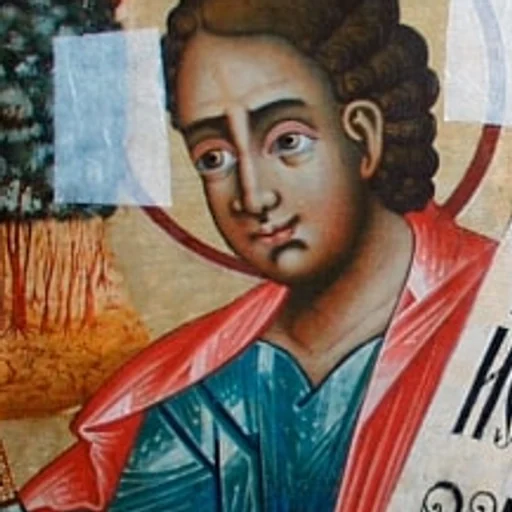
Who was Habakkuk in the Bible?
Habakkuk was a prophet who openly questioned God about violence and injustice, and learned to trust Him while he waited for the answer.
Prophet of Honest Questions
Late 7th century BC
Habakkuk was a prophet who openly questioned God about violence and injustice, and learned to trust Him while he waited for the answer.
Follow the reading trailBEYOND THE NAME
Habakkuk prophesied in Judah as the threat of Babylon was rising, and his book is shaped as a dialogue in which the prophet brings his complaints directly to God. He asks why the wicked seem to prosper and why God would use a crueler nation to judge Judah, and God answers with the promise that “the just shall live by his faith.” His book moves from troubled questioning to a closing song of trust, vowing to rejoice in the Lord even if every earthly comfort fails.
Themes in the authored commentary
FOLLOW THE PASSAGES
These are chapter studies associated with this record. Their order follows the books and chapters, rather than a reconstructed timeline of the person’s life.
prophet who cries out against injustice and receives God's announcement of the Chaldean judgment
Habakkuk begins where few books of the Bible dare to begin - with a complaint addressed not to the people but to God Himself. The burden which Habakkuk the prophet did see (v. 1) is the first line, and the burden turns out to be the prophet’s own anguish over a world gone wrong. He looks at his own nation and sees violence, iniquity, spoiling, strife and contention; he sees the law itself grown slack and justice perverted, the wicked hemming in the righteous. And he says the thing that honest faith sometimes has to say: O LORD, how long shall I cry, and thou wilt not hear! (v. 2).
Chapter overview from the authored study guide.prophet stationed at his watchtower to receive and record God's vision of the coming woes
The first chapter of Habakkuk ended with a question left hanging in the air - how can a holy God use a nation more wicked than the one it punishes? Chapter 2 opens with the prophet’s response, and it is one of the most striking pictures of waiting faith in Scripture. I will stand upon my watch, and set me upon the tower, and will watch to see what he will say unto me, and what I shall answer when I am reproved (v. 1). He posts himself like a sentry on the city wall and waits for God to break the silence. He fully expects to be corrected - what I shall answer when I am reproved - and he waits anyway.
Chapter overview from the authored study guide.prophet who offers a psalm of trembling faith, recalling God's mighty acts and resting in his salvation
The book ends where complaints rarely end - in worship. This final chapter is headed A prayer of Habakkuk the prophet upon Shigionoth (v. 1), a psalm set for music, and it gathers up everything the prophet has wrestled with and turns it into a song. He opens with awe and one urgent request: O LORD, I have heard thy speech, and was afraid: O LORD, revive thy work in the midst of the years, in the midst of the years make known; in wrath remember mercy (v. 2). He has heard what God intends to do, and it frightens him; so he pleads that in the storm of judgment God would not forget to be merciful.
Chapter overview from the authored study guide.THE PEOPLE AROUND THE PERSON
Relationships follow the source graph. Some are interpretive or uncertain, and individual verse citations are not yet available for every connection.
STUDY & INTERPRETATION
Habakkuk stands among the prophets who watched the long approach of exile and tried to make sense of God’s justice in a violent age. Rather than simply pronouncing oracles, he wrestles aloud with God, voicing the ache of every believer who sees evil go unchecked, and God meets that honesty with the assurance that the righteous will live by faithfulness while the proud will not endure. His declaration that “the just shall live by his faith” became a thread carried into the New Testament, where it helped frame the gospel of God’s righteousness received through trust. Habakkuk’s closing resolve to rejoice in the God of his salvation though the fig tree does not blossom reveals a faith that holds fast when everything visible is stripped away, a faith fulfilled in the One who would be the ground of trust for all who wait on God.
From the Learn of Christ person commentary. Read alongside the linked Scripture passages.KEEP SCRIPTURE CLOSE
3 authored chapter guides feature this person. This is guide coverage, not an exhaustive count of biblical mentions.
ASK A BETTER QUESTION
Identity, story, early-life sources, family, and where to read.
Habakkuk was a prophet who openly questioned God about violence and injustice, and learned to trust Him while he waited for the answer.
Habakkuk prophesied in Judah as the threat of Babylon was rising, and his book is shaped as a dialogue in which the prophet brings his complaints directly to God. He asks why the wicked seem to prosper and why God would use a crueler nation to judge Judah, and God answers with the promise that “the just shall live by his faith.” His book moves from troubled questioning to a closing song of trust, vowing to rejoice in the Lord even if every earthly comfort fails.
The individualized passage index associates this Habakkuk record with Habakkuk. There are 2 distinct indexed verse references in the 66-book Bible. Browse the book-by-book list below; it separates this identity from other people who share the name. Source assignments and textual identifications can require interpretation.
A separate childhood account for Habakkuk is not provided in our current authored profile sources. Begin with Habakkuk 1:1 and the passages linked here for the evidence that is available. The first indexed reference to a name is not a birth record. This profile does not establish a birth date, schooling, or childhood events beyond what its sources state.
The current source graph does not list immediate family for Habakkuk. That is a limit of this data, not evidence that Habakkuk had no relatives. Read the cited passages for the details they actually give.
Habakkuk stands among the prophets who watched the long approach of exile and tried to make sense of God’s justice in a violent age. Rather than simply pronouncing oracles, he wrestles aloud with God, voicing the ache of every believer who sees evil go unchecked, and God meets that honesty with the assurance that the righteous will live by faithfulness while the proud will not endure.
Answers draw on our existing authored biography and linked chapter studies. Where supplied, verse assignments come from the individualized STEP Bible index. Childhood answers distinguish documented events from gaps in the available sources.
FIND THE PERSON IN THE TEXT
2 distinct verse references in the source’s 66-book index. These are indexed name assignments, rather than every indirect allusion to this person. A name may also refer to descendants, a tribe, or a nation; read each passage to distinguish that usage from the individual.
“The burden which Habakkuk the prophet did see.”
Habakkuk 1:1 · King James Version
“A prayer of Habakkuk the prophet upon Shigionoth.”
Habakkuk 3:1 · King James Version
References are adapted from STEP Bible / Tyndale House TIPNR (CC BY 4.0). Deduplicated, matched to this identity, and checked against the bundled KJV’s verse bounds. Interpretive assignments and translation/versification differences may remain. This index is separate from evidence for individual family relationships.
YOUR OWN OBSERVATIONS
Notes, saved people, and study marks stay in this browser. They do not sync to your account.