Who was Hamor in the Bible?
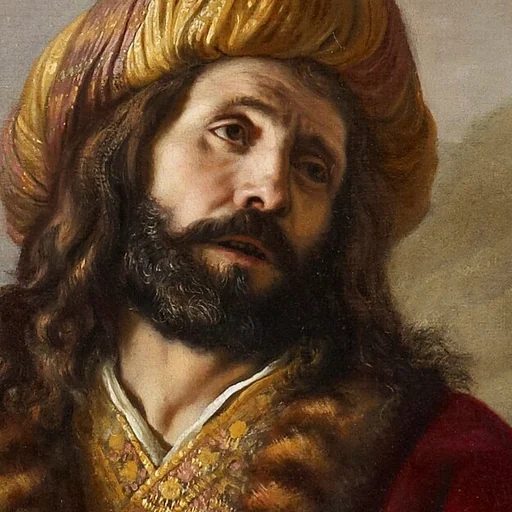
Hamor was the ruler of the city of Shechem and the father of the man who wronged Jacob’s daughter Dinah.
Prince of Shechem
Patriarchal age
Hamor was the ruler of the city of Shechem and the father of the man who wronged Jacob’s daughter Dinah.
Follow the reading trailBEYOND THE NAME
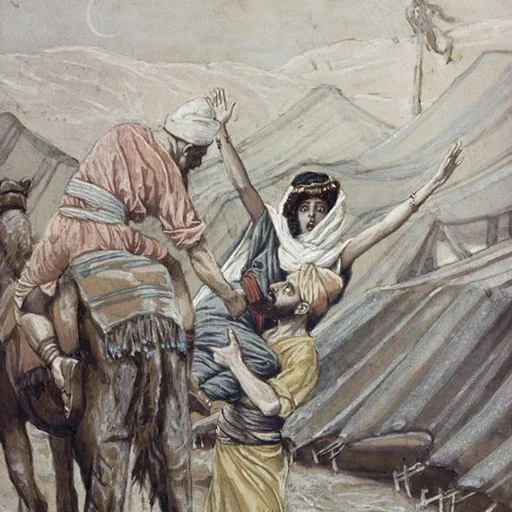
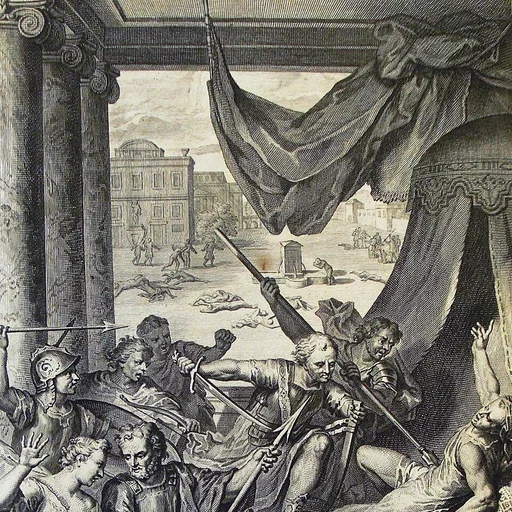
Hamor was the Hivite prince of Shechem whose son Shechem violated Dinah, the daughter of Jacob and Leah. He came to Jacob to arrange a marriage and proposed that the two peoples intermarry and share the land. The negotiation ended in violence when Dinah’s brothers Simeon and Levi took deadly revenge on the city, an act Jacob later condemned.
Themes in the authored commentary
FOLLOW THE PASSAGES
These are chapter studies associated with this record. Their order follows the books and chapters, rather than a reconstructed timeline of the person’s life.
Shechem's father who negotiates with Jacob for Dinah's hand
Genesis 34 is a chapter to read slowly and with grief. It opens quietly: Dinah the daughter of Leah… went out to see the daughters of the land (v. 1). An ordinary thing - a young woman going to meet the young women of a new place. But Shechem, the prince of that country, saw her, he took her, and lay with her, and defiled her (v. 2). The Hebrew will not let the act be softened into anything but what it was: a violation. Then comes a strange and unsettling turn - his soul clave unto Dinah… and he loved the damsel, and spake kindly (v. 3), and he sends his father to ask for her in marriage. The wrong is real, and no later tenderness undoes it.
Chapter overview from the authored study guide.THE PEOPLE AROUND THE PERSON
Recorded children
Relationships follow the source graph. Some are interpretive or uncertain, and individual verse citations are not yet available for every connection.
STUDY & INTERPRETATION
Hamor stands within one of the darkest episodes of Jacob’s household, a story the text recounts plainly with its grief, deceit, and bloodshed. His proposal to blend the families of Shechem with the people of promise touches a recurring tension in Genesis, where God’s covenant family must live among the nations without losing its calling. The chapter offers no easy heroes, and Jacob’s sorrow over the slaughter echoes into his final blessings. Read within the long account, it shows how far human sin can carry a family, and why the promise of a Deliverer who would bring true justice and reconciliation runs as a hope beneath even Israel’s failures.
From the Learn of Christ person commentary. Read alongside the linked Scripture passages.KEEP SCRIPTURE CLOSE
1 authored chapter guide features this person. This is guide coverage, not an exhaustive count of biblical mentions.
ASK A BETTER QUESTION
Identity, story, early-life sources, family, and where to read.
Names and spellings in the source: Hamor · Emmor
Hamor was the ruler of the city of Shechem and the father of the man who wronged Jacob’s daughter Dinah.
Hamor was the Hivite prince of Shechem whose son Shechem violated Dinah, the daughter of Jacob and Leah. He came to Jacob to arrange a marriage and proposed that the two peoples intermarry and share the land. The negotiation ended in violence when Dinah’s brothers Simeon and Levi took deadly revenge on the city, an act Jacob later condemned.
The individualized passage index associates this Hamor record with Genesis, Joshua, Judges, Acts. There are 13 distinct indexed verse references in the 66-book Bible. Browse the book-by-book list below; it separates this identity from other people who share the name. Source assignments and textual identifications can require interpretation.
A separate childhood account for Hamor is not provided in our current authored profile sources. Begin with Genesis 33:19 and the passages linked here for the evidence that is available. The first indexed reference to a name is not a birth record. This profile does not establish a birth date, schooling, or childhood events beyond what its sources state.
Hamor’s source record lists Shechem (child). These are source-graph relationships; legal family, uncertain identifications, and ancestral language require the cautions below. Individual verse evidence is not yet retained for every family edge.
Hamor stands within one of the darkest episodes of Jacob’s household, a story the text recounts plainly with its grief, deceit, and bloodshed. His proposal to blend the families of Shechem with the people of promise touches a recurring tension in Genesis, where God’s covenant family must live among the nations without losing its calling.
Answers draw on our existing authored biography and linked chapter studies. Where supplied, verse assignments come from the individualized STEP Bible index. Childhood answers distinguish documented events from gaps in the available sources.
FIND THE PERSON IN THE TEXT
13 distinct verse references in the source’s 66-book index. These are indexed name assignments, rather than every indirect allusion to this person. A name may also refer to descendants, a tribe, or a nation; read each passage to distinguish that usage from the individual.
“And he bought a parcel of a field, where he had spread his tent, at the hand of the children of Hamor, Shechem’s father, for an hundred pieces of money.”
Genesis 33:19 · King James Version
“And Hamor communed with them, saying, The soul of my son Shechem longeth for your daughter: I pray you give her him to wife.”
Genesis 34:8 · King James Version
“And unto Hamor and unto Shechem his son hearkened all that went out of the gate of his city; and every male was circumcised, all that went out of the gate of his city.”
Genesis 34:24 · King James Version
“And were carried over into Sychem, and laid in the sepulchre that Abraham bought for a sum of money of the sons of Emmor the father of Sychem.”
Acts 7:16 · King James Version
References are adapted from STEP Bible / Tyndale House TIPNR (CC BY 4.0). Deduplicated, matched to this identity, and checked against the bundled KJV’s verse bounds. Interpretive assignments and translation/versification differences may remain. This index is separate from evidence for individual family relationships.
YOUR OWN OBSERVATIONS
Notes, saved people, and study marks stay in this browser. They do not sync to your account.
KEEP EXPLORING
People featured in the same study guides. Sharing a chapter does not establish a family relationship.