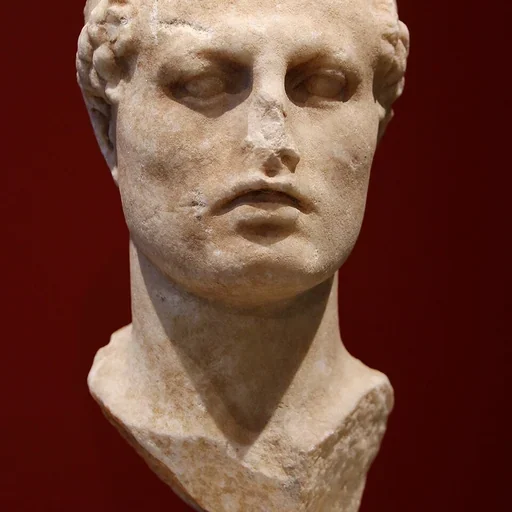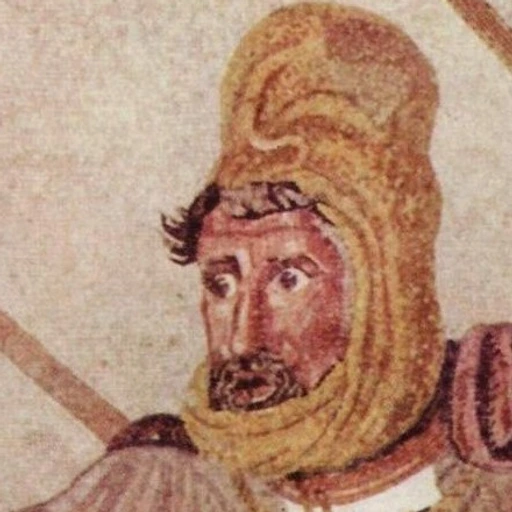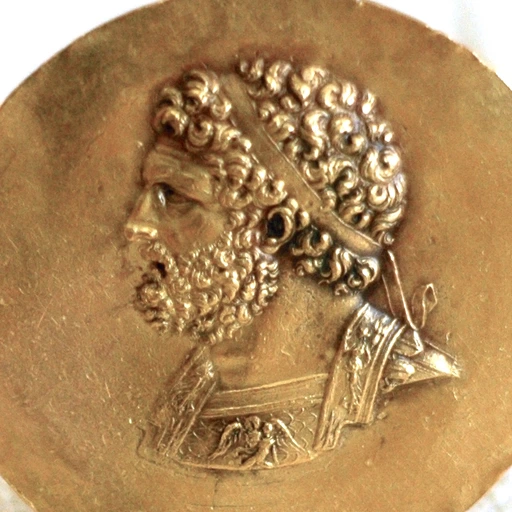
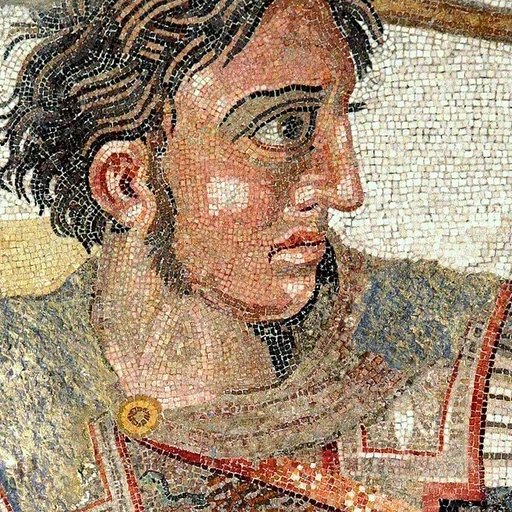
Who was Philip of Macedon in the Bible?
Philip of Macedon was the king of Macedon and the father of Alexander the Great.
King of Macedon
c. 382-336 BC
Philip of Macedon was the king of Macedon and the father of Alexander the Great.
Follow the reading trailBEYOND THE NAME
Philip ruled the kingdom of Macedon and built it into a powerful military force before his son Alexander succeeded him. First Maccabees identifies Alexander as the son of Philip the Macedonian when it recounts the beginning of Greek rule. Though Philip himself does not act in the biblical narrative, his name marks the royal line from which the empire that shaped the world of the Maccabees arose.
Themes in the authored commentary
FOLLOW THE PASSAGES
These are chapter studies associated with this record. Their order follows the books and chapters, rather than a reconstructed timeline of the person’s life.
father of Alexander, named as the origin of the Macedonian dynasty
1 Maccabees opens on a stage the size of the world. Alexander the Great pours out of Greece, shatters the Persian empire, marches to the ends of the earth, and then dies in the fullness of his power, leaving his kingdom to be torn apart by the generals who served him. Crowns multiply, wars multiply, and the writer says plainly that "evils were multiplied in the earth." Out of that long unraveling comes one man, Antiochus, called the Illustrious, whose pride will fall on the people of God like a hammer. The book is history, but it reads like a warning: empires rise and rise, and a small faithful people stands directly in their path.
Chapter overview from the authored study guide.THE PEOPLE AROUND THE PERSON
Recorded children
Relationships follow the source graph. Some are interpretive or uncertain, and individual verse citations are not yet available for every connection.
STUDY & INTERPRETATION
Philip of Macedon is named in 1 Maccabees 1 only as the father of Alexander, the point of origin for the Greek kingdom that came out of the land of Kittim. His brief mention anchors Alexander's conquests in a real dynasty and signals to the reader the human kingdoms whose ambitions God would weave into the unfolding of His larger purpose. The history that follows traces how the empire begun in Macedon eventually pressed Greek custom upon Jerusalem and provoked the struggle to remain faithful to the covenant. Even passing names in Scripture remind us that real rulers and real nations form the stage on which God's people are tested and preserved. Behind the rise of every such throne stands the conviction, carried through this history, that the Lord alone establishes a kingdom that will not pass away.
From the Learn of Christ person commentary. Read alongside the linked Scripture passages.KEEP SCRIPTURE CLOSE
1 authored chapter guide features this person. This is guide coverage, not an exhaustive count of biblical mentions.
ASK A BETTER QUESTION
Identity, story, early-life sources, family, and where to read.
Philip of Macedon was the king of Macedon and the father of Alexander the Great.
Philip ruled the kingdom of Macedon and built it into a powerful military force before his son Alexander succeeded him. First Maccabees identifies Alexander as the son of Philip the Macedonian when it recounts the beginning of Greek rule. Though Philip himself does not act in the biblical narrative, his name marks the royal line from which the empire that shaped the world of the Maccabees arose.
Our authored studies connect Philip of Macedon with 1 Maccabees. The linked chapters provide reading context, not proof that an unnamed or inferred identity is explicitly named there. A verified, identity-specific verse index is not yet available for this record, so these chapter tags should not be treated as an exhaustive list of mentions.
A separate childhood account for Philip of Macedon is not provided in our current authored profile sources. Begin with 1 Maccabees 1 and the passages linked here for the evidence that is available. The first indexed reference to a name is not a birth record. This profile does not establish a birth date, schooling, or childhood events beyond what its sources state.
Philip of Macedon’s source record lists Alexander the Great (child). These are source-graph relationships; legal family, uncertain identifications, and ancestral language require the cautions below. Individual verse evidence is not yet retained for every family edge.
Philip of Macedon is named in 1 Maccabees 1 only as the father of Alexander, the point of origin for the Greek kingdom that came out of the land of Kittim. His brief mention anchors Alexander's conquests in a real dynasty and signals to the reader the human kingdoms whose ambitions God would weave into the unfolding of His larger purpose.
Answers draw on our existing authored biography and linked chapter studies. Where supplied, verse assignments come from the individualized STEP Bible index. Childhood answers distinguish documented events from gaps in the available sources.
YOUR OWN OBSERVATIONS
Notes, saved people, and study marks stay in this browser. They do not sync to your account.
KEEP EXPLORING
People featured in the same study guides. Sharing a chapter does not establish a family relationship.