Who was Aiah in the Bible?
The STEP Bible index describes Aiah as “Man living at the time of United Monarchy”. The indexed passages include 2 Samuel 3:7, 2 Samuel 21:8, 2 Samuel 21:10.
Bible passages & recorded family context
The STEP Bible index describes Aiah as “Man living at the time of United Monarchy”. The indexed passages include 2 Samuel 3:7, 2 Samuel 21:8, 2 Samuel 21:10.
Follow the reading trailBEYOND THE NAME
The STEP Bible index describes Aiah as “Man living at the time of United Monarchy”. The indexed passages include 2 Samuel 3:7, 2 Samuel 21:8, 2 Samuel 21:10.
These are other entries using this name. Compare their source passages before treating them as the same or different historical people.
FOLLOW THE PASSAGES
These are chapter studies associated with this record. Their order follows the books and chapters, rather than a reconstructed timeline of the person’s life.
The war continues, and David grows stronger while Saul’s house grows weaker. Ish-bosheth brings a charge against Abner concerning Saul’s concubine Rizpah. After their quarrel, Abner offers to bring Israel over to David, who receives him at a feast and sends him away in peace.
Chapter context linked from the profile or identity index.THE PEOPLE AROUND THE PERSON
Recorded children
Relationships follow the source graph. Some are interpretive or uncertain, and individual verse citations are not yet available for every connection.
KEEP SCRIPTURE CLOSE
The identity index points to this source reference:
2 Samuel 3:7This is an indexing reference for the identity, rather than a verse citation for every displayed relationship.
ASK A BETTER QUESTION
Identity, story, early-life sources, family, and where to read.
The STEP Bible index describes Aiah as “Man living at the time of United Monarchy”. The indexed passages include 2 Samuel 3:7, 2 Samuel 21:8, 2 Samuel 21:10.
For this Aiah identity, the named-reference index links 2 Samuel 3:7, 2 Samuel 21:8, 2 Samuel 21:10, 2 Samuel 21:11. The reference list below links to the source’s assigned passages so you can read their immediate wording in context. These references may describe a family line, a brief role, or an event; they do not by themselves provide a continuous life story.
The individualized passage index associates this Aiah record with 2 Samuel. There are 4 distinct indexed verse references in the 66-book Bible. Browse the book-by-book list below; it separates this identity from other people who share the name. Source assignments and textual identifications can require interpretation.
A separate childhood account for Aiah is not provided in our current authored profile sources. Begin with 2 Samuel 3:7 and the passages linked here for the evidence that is available. The first indexed reference to a name is not a birth record. This profile does not establish a birth date, schooling, or childhood events beyond what its sources state.
Aiah’s source record lists Rizpah (child). These are source-graph relationships; legal family, uncertain identifications, and ancestral language require the cautions below. Individual verse evidence is not yet retained for every family edge.
Use the source identity and its passage context at 2 Samuel 3:7. This page keeps a separate canonical record for this person. A shared name is not enough to merge identities, families, or life events. The individualized source identifier distinguishes this record by its assigned passages; it does not settle every historical identification. The family links and indexed passages below help locate the individual within the text.
This is a primary-reference study. A full authored biography has not yet been added. Where supplied, verse assignments come from the individualized STEP Bible index. Childhood answers distinguish documented events from gaps in the available sources.
FIND THE PERSON IN THE TEXT
4 distinct verse references in the source’s 66-book index. These are indexed name assignments, rather than every indirect allusion to this person. A name may also refer to descendants, a tribe, or a nation; read each passage to distinguish that usage from the individual.
“And Saul had a concubine, whose name was Rizpah, the daughter of Aiah: and Ishbosheth said to Abner, Wherefore hast thou gone in unto my father’s concubine?”
2 Samuel 3:7 · King James Version
“But the king took the two sons of Rizpah the daughter of Aiah, whom she bare unto Saul, Armoni and Mephibosheth; and the five sons of Michal the daughter of Saul, whom she brought up for Adriel the son of Barzillai the Meholathite:”
2 Samuel 21:8 · King James Version
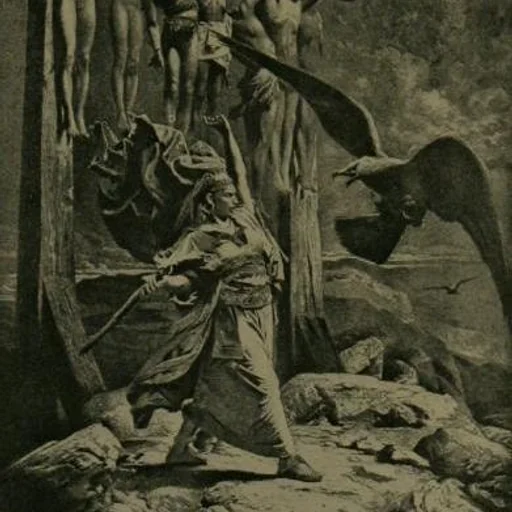
“And Rizpah the daughter of Aiah took sackcloth, and spread it for her upon the rock, from the beginning of harvest until water dropped upon them out of heaven, and suffered neither the birds of the air to rest on them by day, nor the beasts of the field by night.”
2 Samuel 21:10 · King James Version
“And it was told David what Rizpah the daughter of Aiah, the concubine of Saul, had done.”
2 Samuel 21:11 · King James Version
References are adapted from STEP Bible / Tyndale House TIPNR (CC BY 4.0). Deduplicated, matched to this identity, and checked against the bundled KJV’s verse bounds. Interpretive assignments and translation/versification differences may remain. This index is separate from evidence for individual family relationships.
YOUR OWN OBSERVATIONS
Notes, saved people, and study marks stay in this browser. They do not sync to your account.