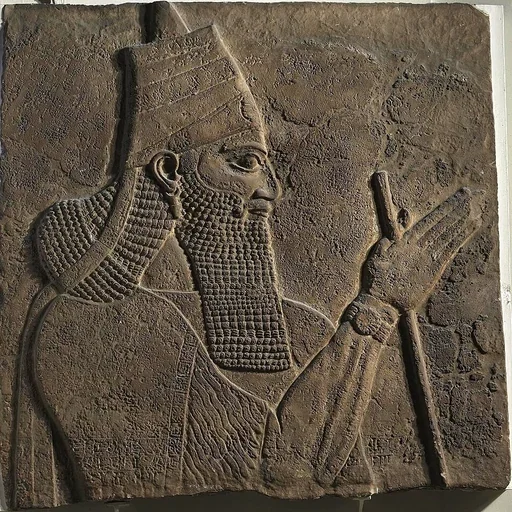
Who was Tiglath-pileser III in the Bible?
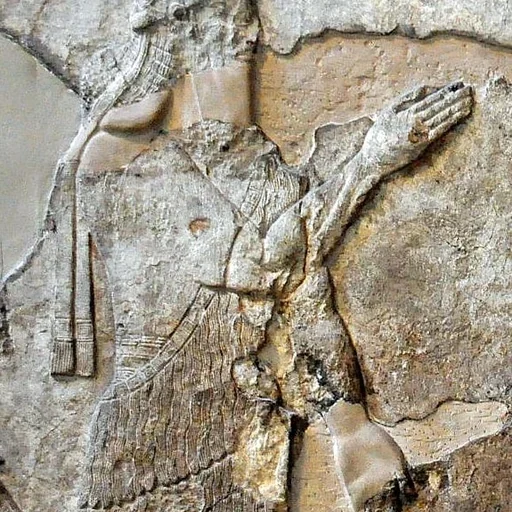
Tiglath-pileser III, also called Pul, was a powerful king of Assyria who carried away many Israelites into exile.
King of Assyria
c. 745-727 BC
Tiglath-pileser III, also called Pul, was a powerful king of Assyria who carried away many Israelites into exile.
Follow the reading trailBEYOND THE NAME
Tiglath-pileser, the Assyrian king also named Pul in Scripture, came against the land in the days of Pekah and captured a wide swath of northern Israel, carrying its people captive to Assyria. When Ahaz of Judah faced the combined threat of Israel and Syria, he sent treasure from the temple and palace to buy Assyrian help, and Tiglath-pileser marched against Damascus, killed its king, and took its people away. He stands as the instrument through whom Assyria first tore great pieces from the people of God.
Themes in the authored commentary
These entries connect the study to the source’s recorded family context. Read their cautions when the family records or identifications differ.
FOLLOW THE PASSAGES
These are chapter studies associated with this record. Their order follows the books and chapters, rather than a reconstructed timeline of the person’s life.
Assyrian king who responds to Ahaz's appeal and attacks Damascus
Ahaz ascends the throne of Judah at the age of twenty, heir to a century of Davidic kingship. But where his father Jotham kept the law of the Lord, Ahaz walks in the way of the kings of Israel - and worse. He commits his son to the fire, adopts pagan altars, and when faced with invasion, sends tribute to Assyria in place of any cry to God. In his desperation and compromise, we see a king who has forgotten the covenant, forgotten that the Lord is his shield and stronghold. Yet God does not abandon His people.
Chapter overview from the authored study guide.Assyrian king referenced as the one to whom Hoshea was previously subject
Samaria falls. After two hundred years the northern kingdom is simply gone - the city taken, the ten tribes carried off to Assyria (vv. 5-6). Hoshea, the last king, had tried to buy safety by playing Assyria against Egypt, and the gamble cost him everything. But the army is not the story. The story is the long pause that follows, when the narrator stops the clock to answer one question: how did it come to this?
Chapter overview from the authored study guide.king of Assyria whom Ahaz summons for help but who fails to aid him
A young king takes David’s throne and burns his own children in a fire. That is where 2 Chronicles 28 begins. Ahaz copies the kings of Israel, casts idols for Baal, fills the valley of Hinnom with smoke . The covenant snaps. Heaven stops shielding Judah, and the armies pour in. Syria strikes. Israel kills 120,000 of Judah’s finest in a single day and drags 200,000 more home as captives.
Chapter overview from the authored study guide.THE PEOPLE AROUND THE PERSON
Relationships follow the source graph. Some are interpretive or uncertain, and individual verse citations are not yet available for every connection.
STUDY & INTERPRETATION
Tiglath-pileser embodies the rising empire that the prophets had long warned would be the rod of God’s judgment upon a faithless people. The Scriptures present him as a conqueror serving his own ambition while unknowingly carrying out a purpose larger than himself, for the Lord governs the nations even when they do not acknowledge Him. His campaigns began the dismembering of the northern kingdom and drew Judah into a fatal dependence on Assyria that Ahaz purchased with the holy things of the temple. Against the terror of empires that rise to scatter and enslave, Scripture holds out the hope of a King from the line of David who would gather the scattered and reign over a kingdom no empire could overthrow.
From the Learn of Christ person commentary. Read alongside the linked Scripture passages.KEEP SCRIPTURE CLOSE
3 authored chapter guides feature this person. This is guide coverage, not an exhaustive count of biblical mentions.
ASK A BETTER QUESTION
Identity, story, early-life sources, family, and where to read.
Names and spellings in the source: Tiglath-pileser III · Tiglath-pileser · Tilgath-pilneser · great · Jareb · Pul
Tiglath-pileser III, also called Pul, was a powerful king of Assyria who carried away many Israelites into exile.
Tiglath-pileser, the Assyrian king also named Pul in Scripture, came against the land in the days of Pekah and captured a wide swath of northern Israel, carrying its people captive to Assyria. When Ahaz of Judah faced the combined threat of Israel and Syria, he sent treasure from the temple and palace to buy Assyrian help, and Tiglath-pileser marched against Damascus, killed its king, and took its people away. He stands as the instrument through whom Assyria first tore great pieces from the people of God.
The individualized passage index associates this Tiglath-pileser III record with 2 Kings, 1 Chronicles, 2 Chronicles, Hosea. There are 9 distinct indexed verse references in the 66-book Bible. Browse the book-by-book list below; it separates this identity from other people who share the name. Source assignments and textual identifications can require interpretation.
A separate childhood account for Tiglath-pileser III is not provided in our current authored profile sources. Begin with 2 Kings 15:19 and the passages linked here for the evidence that is available. The first indexed reference to a name is not a birth record. This profile does not establish a birth date, schooling, or childhood events beyond what its sources state.
The current source graph does not list immediate family for Tiglath-pileser III. That is a limit of this data, not evidence that Tiglath-pileser III had no relatives. Read the cited passages for the details they actually give.
Tiglath-pileser embodies the rising empire that the prophets had long warned would be the rod of God’s judgment upon a faithless people. The Scriptures present him as a conqueror serving his own ambition while unknowingly carrying out a purpose larger than himself, for the Lord governs the nations even when they do not acknowledge Him.
Answers draw on our existing authored biography and linked chapter studies. Where supplied, verse assignments come from the individualized STEP Bible index. Childhood answers distinguish documented events from gaps in the available sources.
Tiglath-pileser@2Ki.15.19-Hos
FIND THE PERSON IN THE TEXT
9 distinct verse references in the source’s 66-book index. These are indexed name assignments, rather than every indirect allusion to this person. A name may also refer to descendants, a tribe, or a nation; read each passage to distinguish that usage from the individual.
“And Pul the king of Assyria came against the land: and Menahem gave Pul a thousand talents of silver, that his hand might be with him to confirm the kingdom in his hand.”
2 Kings 15:19 · King James Version
“And king Ahaz went to Damascus to meet Tiglathpileser king of Assyria, and saw an altar that was at Damascus: and king Ahaz sent to Urijah the priest the fashion of the altar, and the pattern of it, according to all the workmanship thereof.”
2 Kings 16:10 · King James Version
“And the God of Israel stirred up the spirit of Pul king of Assyria, and the spirit of Tilgathpilneser king of Assyria, and he carried them away, even the Reubenites, and the Gadites, and the half tribe of Manasseh, and brought them unto Halah, and Habor, and Hara, and to the river Gozan, unto this day.”
1 Chronicles 5:26 · King James Version
“It shall be also carried unto Assyria for a present to king Jareb: Ephraim shall receive shame, and Israel shall be ashamed of his own counsel.”
Hosea 10:6 · King James Version
References are adapted from STEP Bible / Tyndale House TIPNR (CC BY 4.0). Deduplicated, matched to this identity, and checked against the bundled KJV’s verse bounds. Interpretive assignments and translation/versification differences may remain. This index is separate from evidence for individual family relationships.
YOUR OWN OBSERVATIONS
Notes, saved people, and study marks stay in this browser. They do not sync to your account.
KEEP EXPLORING
People featured in the same study guides. Sharing a chapter does not establish a family relationship.