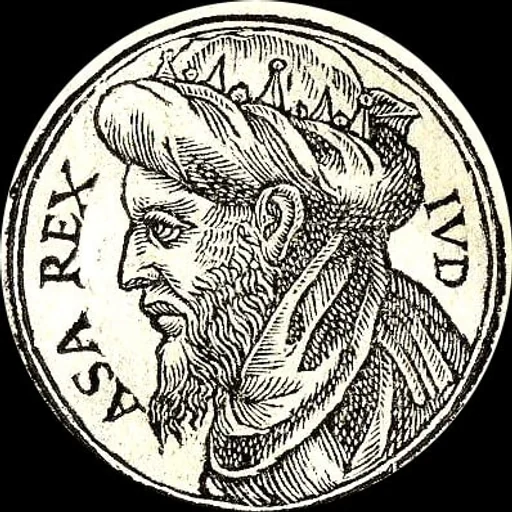
Who was Abijah in the Bible?
Abijah was a king of Judah who trusted the Lord in battle and defeated the much larger army of Israel.
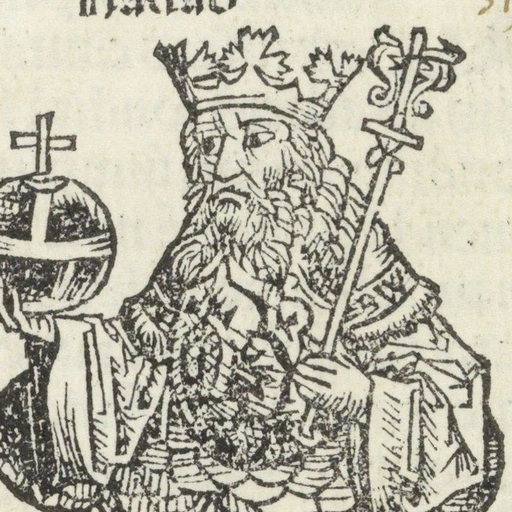
King of Judah
c. 913 BC
Abijah was a king of Judah who trusted the Lord in battle and defeated the much larger army of Israel.
Follow the reading trailBEYOND THE NAME
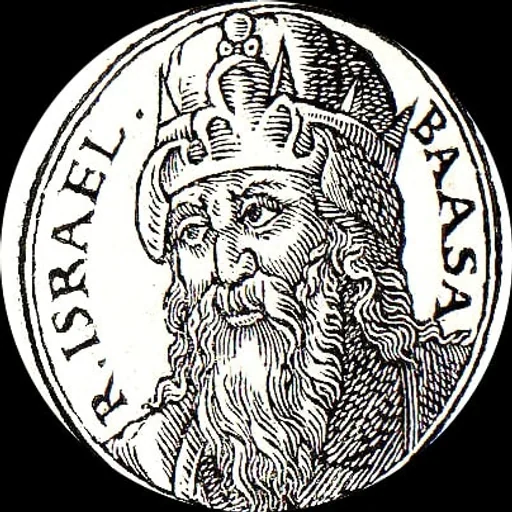
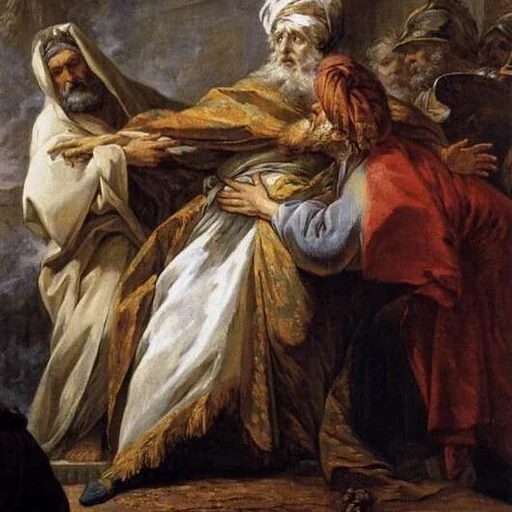
Abijah son of Rehoboam reigned over Judah and went to war against Jeroboam king of Israel, who came against him with twice as many men. Standing on a mountain, Abijah called out that Judah had not forsaken the Lord, that the priests and the temple worship remained, and that God Himself was with them as their head. When the men of Judah cried out and the priests sounded the trumpets, God struck down Israel before them, and Abijah prevailed because they relied on the Lord, the God of their fathers.
Themes in the authored commentary
These are other entries using this name. Compare their source passages before treating them as the same or different historical people.
FOLLOW THE PASSAGES
These are chapter studies associated with this record. Their order follows the books and chapters, rather than a reconstructed timeline of the person’s life.
king of Judah who walked in his father's sins but was spared for David's sake
Four kings, two kingdoms, one chapter. In Jerusalem, Abijam walks in his father’s sins and reigns three short years. He earns nothing. Yet the LORD hands him a lamp for David’s sake, and the line refuses to go out. Then comes Asa, his son, and the air changes. He smashes the idols, burns his own grandmother’s image by the brook, and gives himself wholly to the LORD.
Chapter overview from the authored study guide.king of Judah who confronts Jeroboam in battle, appeals to the Davidic covenant, and wins a decisive victory
Two armies face off, and the count is not close. Abijah of Judah has four hundred thousand men. Jeroboam meets him with eight hundred thousand. By every honest reckoning, Judah should be crushed before the day is out. Then, before a single sword is drawn, Abijah does the strangest thing. He climbs a mountain and preaches. He does not count his troops or rally their nerve. He points to a promise: the LORD gave the kingdom to David by a covenant of salt.
Chapter overview from the authored study guide.THE PEOPLE AROUND THE PERSON
Relationships follow the source graph. Some are interpretive or uncertain, and individual verse citations are not yet available for every connection.
STUDY & INTERPRETATION
Abijah’s reign is remembered for a single decisive battle in which the smaller, surrounded army of Judah is delivered because it leaned on the Lord rather than on numbers. His speech on the mountain insists that true safety lies in keeping the covenant worship God commanded, the priests, the offerings, and the temple God chose for His Name, and that to forsake these is to forsake the One who fights for His people. The Chronicler frames the victory as proof that the Lord honors those who rely on Him, even amid a divided and troubled house. The reliance Abijah preached, a people surrounded yet trusting that God is with them as their head, points ahead to the King who would be Immanuel, God with us, the true head of His people in every battle.
From the Learn of Christ person commentary. Read alongside the linked Scripture passages.KEEP SCRIPTURE CLOSE
2 authored chapter guides feature this person. This is guide coverage, not an exhaustive count of biblical mentions.
ASK A BETTER QUESTION
Identity, story, early-life sources, family, and where to read.
Names and spellings in the source: Abijah · Abijam
Abijah was a king of Judah who trusted the Lord in battle and defeated the much larger army of Israel.
Abijah son of Rehoboam reigned over Judah and went to war against Jeroboam king of Israel, who came against him with twice as many men. Standing on a mountain, Abijah called out that Judah had not forsaken the Lord, that the priests and the temple worship remained, and that God Himself was with them as their head. When the men of Judah cried out and the priests sounded the trumpets, God struck down Israel before them, and Abijah prevailed because they relied on the Lord, the God of their fathers.
The individualized passage index associates this Abijah record with 1 Kings, 1 Chronicles, 2 Chronicles, Matthew. There are 20 distinct indexed verse references in the 66-book Bible. Browse the book-by-book list below; it separates this identity from other people who share the name. Source assignments and textual identifications can require interpretation.
A separate childhood account for Abijah is not provided in our current authored profile sources. Begin with 1 Kings 14:31 and the passages linked here for the evidence that is available. The first indexed reference to a name is not a birth record. This profile does not establish a birth date, schooling, or childhood events beyond what its sources state.
Abijah’s source record lists Rehoboam (father), Maacah (mother), Asa (child). These are source-graph relationships; legal family, uncertain identifications, and ancestral language require the cautions below. Individual verse evidence is not yet retained for every family edge.
Abijah’s reign is remembered for a single decisive battle in which the smaller, surrounded army of Judah is delivered because it leaned on the Lord rather than on numbers. His speech on the mountain insists that true safety lies in keeping the covenant worship God commanded, the priests, the offerings, and the temple God chose for His Name, and that to forsake these is to forsake the One who fights for His people.
Answers draw on our existing authored biography and linked chapter studies. Where supplied, verse assignments come from the individualized STEP Bible index. Childhood answers distinguish documented events from gaps in the available sources.
FIND THE PERSON IN THE TEXT
20 distinct verse references in the source’s 66-book index. These are indexed name assignments, rather than every indirect allusion to this person. A name may also refer to descendants, a tribe, or a nation; read each passage to distinguish that usage from the individual.
“And Rehoboam slept with his fathers, and was buried with his fathers in the city of David. And his mother’s name was Naamah an Ammonitess. And Abijam his son reigned in his stead.”
1 Kings 14:31 · King James Version
“And Rehoboam slept with his fathers, and was buried in the city of David: and Abijah his son reigned in his stead.”
2 Chronicles 12:16 · King James Version
“Then the men of Judah gave a shout: and as the men of Judah shouted, it came to pass, that God smote Jeroboam and all Israel before Abijah and Judah.”
2 Chronicles 13:15 · King James Version
“So Abijah slept with his fathers, and they buried him in the city of David: and Asa his son reigned in his stead. In his days the land was quiet ten years.”
2 Chronicles 14:1 · King James Version
References are adapted from STEP Bible / Tyndale House TIPNR (CC BY 4.0). Deduplicated, matched to this identity, and checked against the bundled KJV’s verse bounds. Interpretive assignments and translation/versification differences may remain. This index is separate from evidence for individual family relationships.
YOUR OWN OBSERVATIONS
Notes, saved people, and study marks stay in this browser. They do not sync to your account.
KEEP EXPLORING
People featured in the same study guides. Sharing a chapter does not establish a family relationship.