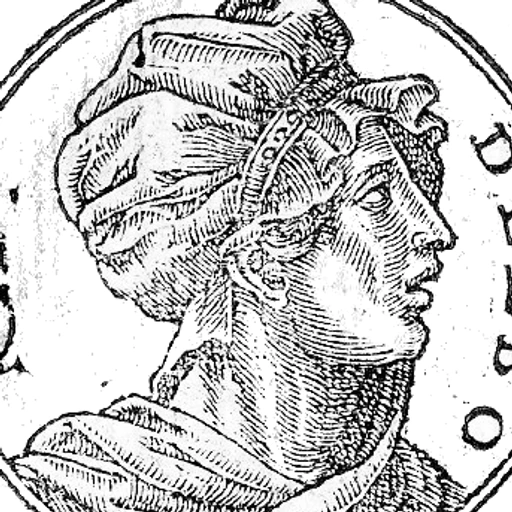
Who was Deborah in the Bible?
Deborah was a prophetess and judge who led Israel and called Barak to fight against the Canaanite army of Sisera.
Prophetess and Judge of Israel
c. 1200 BC
Deborah was a prophetess and judge who led Israel and called Barak to fight against the Canaanite army of Sisera.
Follow the reading trailBEYOND THE NAME
Deborah was a prophetess who judged Israel, holding court under a palm tree in the hill country of Ephraim, where the people came to her for decisions. When the Canaanite king Jabin oppressed Israel, she summoned Barak and delivered the Lord’s command to march against Sisera, promising victory. After the enemy was routed, Deborah and Barak sang a triumphant song celebrating the Lord’s deliverance and the faithful who answered the call to battle.
Themes in the authored commentary
These are other entries using this name. Compare their source passages before treating them as the same or different historical people.
These entries connect the study to the source’s recorded family context. Read their cautions when the family records or identifications differ.
FOLLOW THE PASSAGES
These are chapter studies associated with this record. Their order follows the books and chapters, rather than a reconstructed timeline of the person’s life.
prophetess and judge who summons Barak and declares the battle plan
After Ehud dies, Israel turns away from the Lord again. Jabin king of Canaan oppresses them for twenty years. His commander Sisera has 900 iron chariots. The Israelites cry out to the LORD.
Chapter overview from the authored study guide.leads the victory song celebrating Israel's deliverance
Some scholars date the Song of Deborah to the twelfth century BC. Deborah and Barak sing it after the LORD delivers Israel from Sisera, whose iron chariots had helped hold Israel under Jabin for twenty years.
Chapter overview from the authored study guide.THE PEOPLE AROUND THE PERSON
Relationships follow the source graph. Some are interpretive or uncertain, and individual verse citations are not yet available for every connection.
STUDY & INTERPRETATION
Deborah stands out among the judges as one who led by the word of the Lord, a prophetess to whom Israel looked for justice and guidance in a dark and disordered age. Her summons of Barak and her bold declaration of God’s purpose show a leader who trusted the promise of victory before any sword was drawn. The song she sang afterward is one of the oldest poems in Scripture, praising the Lord who fights for His people and honoring those who risked their lives, while lamenting those who held back. Her ministry reveals that God raises up faithful voices to deliver His people in their need, sustaining the nation as it waited for the deliverance that would finally come through Christ.
From the Learn of Christ person commentary. Read alongside the linked Scripture passages.KEEP SCRIPTURE CLOSE
2 authored chapter guides feature this person. This is guide coverage, not an exhaustive count of biblical mentions.
ASK A BETTER QUESTION
Identity, story, early-life sources, family, and where to read.
Deborah was a prophetess and judge who led Israel and called Barak to fight against the Canaanite army of Sisera.
Deborah was a prophetess who judged Israel, holding court under a palm tree in the hill country of Ephraim, where the people came to her for decisions. When the Canaanite king Jabin oppressed Israel, she summoned Barak and delivered the Lord’s command to march against Sisera, promising victory. After the enemy was routed, Deborah and Barak sang a triumphant song celebrating the Lord’s deliverance and the faithful who answered the call to battle.
The individualized passage index associates this Deborah record with Judges. There are 9 distinct indexed verse references in the 66-book Bible. Browse the book-by-book list below; it separates this identity from other people who share the name. Source assignments and textual identifications can require interpretation.
A separate childhood account for Deborah is not provided in our current authored profile sources. Begin with Judges 4:4 and the passages linked here for the evidence that is available. The first indexed reference to a name is not a birth record. This profile does not establish a birth date, schooling, or childhood events beyond what its sources state.
The current source graph does not list immediate family for Deborah. That is a limit of this data, not evidence that Deborah had no relatives. Read the cited passages for the details they actually give.
Deborah stands out among the judges as one who led by the word of the Lord, a prophetess to whom Israel looked for justice and guidance in a dark and disordered age. Her summons of Barak and her bold declaration of God’s purpose show a leader who trusted the promise of victory before any sword was drawn.
Answers draw on our existing authored biography and linked chapter studies. Where supplied, verse assignments come from the individualized STEP Bible index. Childhood answers distinguish documented events from gaps in the available sources.
FIND THE PERSON IN THE TEXT
9 distinct verse references in the source’s 66-book index. These are indexed name assignments, rather than every indirect allusion to this person. A name may also refer to descendants, a tribe, or a nation; read each passage to distinguish that usage from the individual.
“And Deborah, a prophetess, the wife of Lapidoth, she judged Israel at that time.”
Judges 4:4 · King James Version
“And Barak called Zebulun and Naphtali to Kedesh; and he went up with ten thousand men at his feet: and Deborah went up with him.”
Judges 4:10 · King James Version
“Then sang Deborah and Barak the son of Abinoam on that day, saying,”
Judges 5:1 · King James Version
“And the princes of Issachar were with Deborah; even Issachar, and also Barak: he was sent on foot into the valley. For the divisions of Reuben there were great thoughts of heart.”
Judges 5:15 · King James Version
References are adapted from STEP Bible / Tyndale House TIPNR (CC BY 4.0). Deduplicated, matched to this identity, and checked against the bundled KJV’s verse bounds. Interpretive assignments and translation/versification differences may remain. This index is separate from evidence for individual family relationships.
YOUR OWN OBSERVATIONS
Notes, saved people, and study marks stay in this browser. They do not sync to your account.
KEEP EXPLORING
People featured in the same study guides. Sharing a chapter does not establish a family relationship.