Who was Pharaoh’s Chief Cupbearer in the Bible?
The chief cupbearer was an Egyptian official imprisoned with Joseph, whose dream Joseph correctly interpreted as a sign of his restoration.
Royal Cupbearer of Egypt
Patriarchal age
The chief cupbearer was an Egyptian official imprisoned with Joseph, whose dream Joseph correctly interpreted as a sign of his restoration.
Follow the reading trailBEYOND THE NAME
Pharaoh’s chief cupbearer was thrown into prison where Joseph was held, and there he dreamed of a vine with three branches that pressed grapes into Pharaoh’s cup. Joseph interpreted the dream to mean that in three days the cupbearer would be restored to his office, and asked only to be remembered. The cupbearer was indeed restored, yet he forgot Joseph until Pharaoh himself was troubled by dreams.
Themes in the authored commentary
FOLLOW THE PASSAGES
These are chapter studies associated with this record. Their order follows the books and chapters, rather than a reconstructed timeline of the person’s life.
Pharaoh's imprisoned chief cupbearer whose dream Joseph interprets as restoration in three days
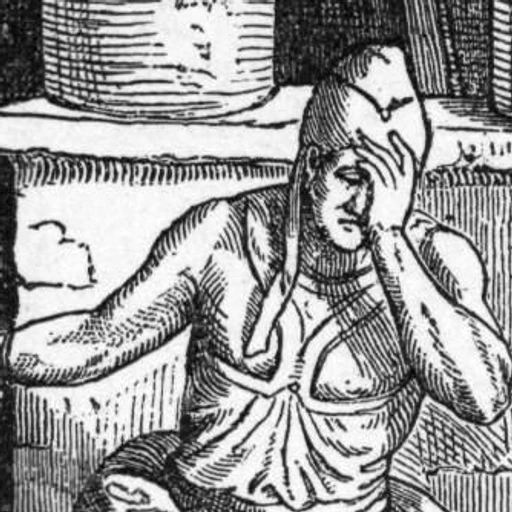
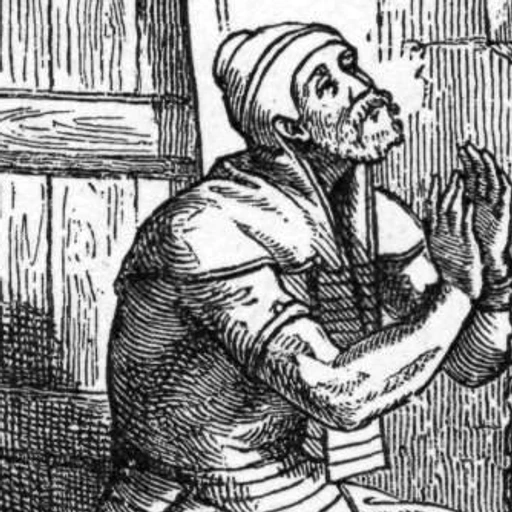
Joseph’s story has been a long fall. Favoured son, then sold by his brothers; trusted steward in Potiphar’s house, then falsely accused and thrown into prison. Genesis 40 opens with him still there - but, as ever, finding favour and being given charge. Two of Pharaoh’s most senior servants, his chief butler and chief baker, offend their lord and are cast into the very prison where Joseph is bound, and the captain of the guard sets Joseph over them to serve them. One morning Joseph notices their faces are troubled, and he asks why.
Chapter overview from the authored study guide.THE PEOPLE AROUND THE PERSON
Relationships follow the source graph. Some are interpretive or uncertain, and individual verse citations are not yet available for every connection.
STUDY & INTERPRETATION
The cupbearer’s dream is one of the turning points in Joseph’s long road from the pit to the palace, evidence that God was with Joseph even in chains. His restoration confirmed Joseph’s God-given gift of interpretation, though his forgetfulness left Joseph waiting two more years for deliverance. When at last he remembered, his word brought Joseph before Pharaoh at the appointed time. The whole sequence reveals a providence working unseen through ordinary people and their failures, the same hidden faithfulness that throughout Scripture brings God’s purposes to pass and prepares a deliverer to preserve many lives.
From the Learn of Christ person commentary. Read alongside the linked Scripture passages.KEEP SCRIPTURE CLOSE
1 authored chapter guide features this person. This is guide coverage, not an exhaustive count of biblical mentions.
ASK A BETTER QUESTION
Identity, story, early-life sources, family, and where to read.
The chief cupbearer was an Egyptian official imprisoned with Joseph, whose dream Joseph correctly interpreted as a sign of his restoration.
Pharaoh’s chief cupbearer was thrown into prison where Joseph was held, and there he dreamed of a vine with three branches that pressed grapes into Pharaoh’s cup. Joseph interpreted the dream to mean that in three days the cupbearer would be restored to his office, and asked only to be remembered. The cupbearer was indeed restored, yet he forgot Joseph until Pharaoh himself was troubled by dreams.
Our authored studies connect Pharaoh’s Chief Cupbearer with Genesis. The linked chapters provide reading context, not proof that an unnamed or inferred identity is explicitly named there. A verified, identity-specific verse index is not yet available for this record, so these chapter tags should not be treated as an exhaustive list of mentions.
A separate childhood account for Pharaoh’s Chief Cupbearer is not provided in our current authored profile sources. Begin with Genesis 40 and the passages linked here for the evidence that is available. The first indexed reference to a name is not a birth record. This profile does not establish a birth date, schooling, or childhood events beyond what its sources state.
The current source graph does not list immediate family for Pharaoh’s Chief Cupbearer. That is a limit of this data, not evidence that Pharaoh’s Chief Cupbearer had no relatives. Read the cited passages for the details they actually give.
The cupbearer’s dream is one of the turning points in Joseph’s long road from the pit to the palace, evidence that God was with Joseph even in chains. His restoration confirmed Joseph’s God-given gift of interpretation, though his forgetfulness left Joseph waiting two more years for deliverance.
Answers draw on our existing authored biography and linked chapter studies. Where supplied, verse assignments come from the individualized STEP Bible index. Childhood answers distinguish documented events from gaps in the available sources.
YOUR OWN OBSERVATIONS
Notes, saved people, and study marks stay in this browser. They do not sync to your account.
KEEP EXPLORING
People featured in the same study guides. Sharing a chapter does not establish a family relationship.