Who was Pharaoh (time of Joseph) in the Bible?
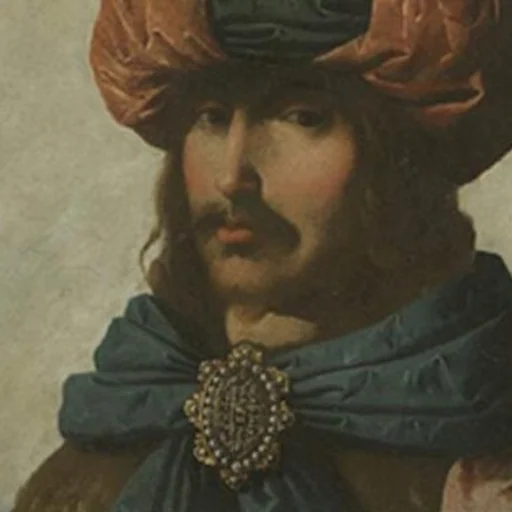
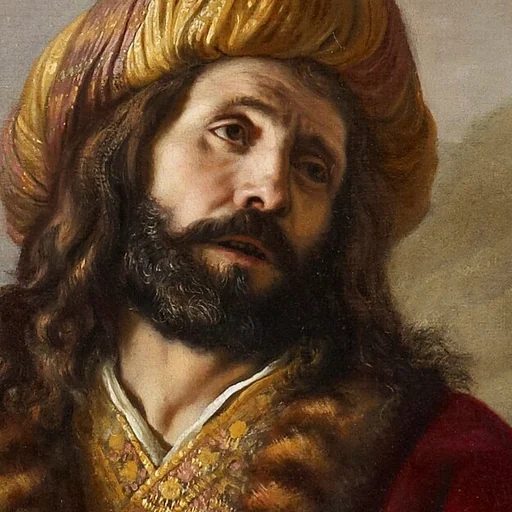
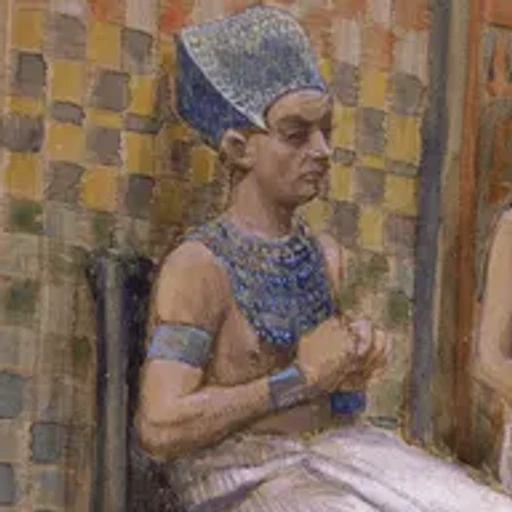
This Pharaoh was the king of Egypt who, troubled by dreams, raised Joseph to be governor over all the land.
King of Egypt
Patriarchal age
This Pharaoh was the king of Egypt who, troubled by dreams, raised Joseph to be governor over all the land.
Follow the reading trailBEYOND THE NAME
Pharaoh was disturbed by two dreams that none of his wise men could interpret, until the cupbearer remembered Joseph. When Joseph explained that the dreams foretold seven years of plenty followed by seven years of famine, Pharaoh recognized the Spirit of God in him and set him over all Egypt. He welcomed Joseph’s family to settle in Goshen, preserving them through the famine.
Themes in the authored commentary
These are other entries using this name. Compare their source passages before treating them as the same or different historical people.
These entries connect the study to the source’s recorded family context. Read their cautions when the family records or identifications differ.
FOLLOW THE PASSAGES
These are chapter studies associated with this record. Their order follows the books and chapters, rather than a reconstructed timeline of the person’s life.
restores the cupbearer and executes the baker as Joseph predicted
Joseph’s story has been a long fall. Favoured son, then sold by his brothers; trusted steward in Potiphar’s house, then falsely accused and thrown into prison. Genesis 40 opens with him still there - but, as ever, finding favour and being given charge. Two of Pharaoh’s most senior servants, his chief butler and chief baker, offend their lord and are cast into the very prison where Joseph is bound, and the captain of the guard sets Joseph over them to serve them. One morning Joseph notices their faces are troubled, and he asks why.
Chapter overview from the authored study guide.dreams of seven fat and seven thin cows, summons Joseph, and elevates him to second-in-command over Egypt
Genesis 41 opens with Pharaoh alone with his dreams. Egypt’s wise men hear about the seven cows and seven ears of grain and cannot tell Pharaoh what they mean . Joseph is still in prison. The cupbearer is about to remember him.
Chapter overview from the authored study guide.hears that Joseph's brothers have come and invites the whole family to settle in Egypt
Years have passed since Joseph was sold. He has served in Potiphar’s house, been imprisoned on a false charge, and risen to power second only to Pharaoh . His brothers sold him when he was seventeen. They have stood before him in Egypt without recognising him. Now he asks the attendants to leave so he can tell his brothers who he is.
Chapter overview from the authored study guide.welcomes Jacob's family, grants them Goshen, and is blessed by Jacob
Genesis 47 is the story of two peoples under one famine . Joseph has brought his family to Egypt, and now they meet Pharaoh. Pharaoh receives Joseph’s brothers, and Jacob blesses the king. Then the account returns to the famine. The Egyptians spend their money and trade their animals for food. When they have nothing left but their land and themselves, they offer both. In verse 25 they thank Joseph for saving their lives and accept service under Pharaoh. Meanwhile Jacob’s family grows in Goshen.
Chapter overview from the authored study guide.grants Joseph leave to travel to Canaan to bury his father
Genesis opened with God speaking light into a formless dark and calling a world into being. It closes with a coffin in Egypt. Between those scenes, Genesis follows a family from Ur to Canaan and then to Egypt, where Joseph brings them through the famine. A father lies dead, surrounded by the sons he once feared he would never see again - one of them risen to rule the kingdom, having fed them, housed them, forgiven them - and yet, the moment the old man is gone, the family’s deepest fear comes back to the surface.
Chapter overview from the authored study guide.THE PEOPLE AROUND THE PERSON
Relationships follow the source graph. Some are interpretive or uncertain, and individual verse citations are not yet available for every connection.
STUDY & INTERPRETATION
This Pharaoh stands as a striking example of God working through a foreign ruler to accomplish His saving purpose. Acknowledging that the wisdom in Joseph came from God, he entrusted his kingdom to a once-imprisoned Hebrew and so spared countless lives in the years of famine. His welcome to Jacob’s household brought the family of promise into Egypt, where they would grow into a great people. The whole story shows a sovereign God who orders the hearts of kings and the rise and fall of nations, bending even a pagan court toward the deliverance of His people and the long path that leads to the Redeemer of all.
From the Learn of Christ person commentary. Read alongside the linked Scripture passages.KEEP SCRIPTURE CLOSE
5 authored chapter guides feature this person. This is guide coverage, not an exhaustive count of biblical mentions.
ASK A BETTER QUESTION
Identity, story, early-life sources, family, and where to read.
Names and spellings in the source: Pharaoh (time of Joseph) · Pharaoh
This Pharaoh was the king of Egypt who, troubled by dreams, raised Joseph to be governor over all the land.
Pharaoh was disturbed by two dreams that none of his wise men could interpret, until the cupbearer remembered Joseph. When Joseph explained that the dreams foretold seven years of plenty followed by seven years of famine, Pharaoh recognized the Spirit of God in him and set him over all Egypt. He welcomed Joseph’s family to settle in Goshen, preserving them through the famine.
The individualized passage index associates this Pharaoh (time of Joseph) record with Genesis, Acts. There are 70 distinct indexed verse references in the 66-book Bible. Browse the book-by-book list below; it separates this identity from other people who share the name. Source assignments and textual identifications can require interpretation.
A separate childhood account for Pharaoh (time of Joseph) is not provided in our current authored profile sources. Begin with Genesis 37:36 and the passages linked here for the evidence that is available. The first indexed reference to a name is not a birth record. This profile does not establish a birth date, schooling, or childhood events beyond what its sources state.
The current source graph does not list immediate family for Pharaoh (time of Joseph). That is a limit of this data, not evidence that Pharaoh (time of Joseph) had no relatives. Read the cited passages for the details they actually give.
This Pharaoh stands as a striking example of God working through a foreign ruler to accomplish His saving purpose. Acknowledging that the wisdom in Joseph came from God, he entrusted his kingdom to a once-imprisoned Hebrew and so spared countless lives in the years of famine.
Answers draw on our existing authored biography and linked chapter studies. Where supplied, verse assignments come from the individualized STEP Bible index. Childhood answers distinguish documented events from gaps in the available sources.
FIND THE PERSON IN THE TEXT
70 distinct verse references in the source’s 66-book index. These are indexed name assignments, rather than every indirect allusion to this person. A name may also refer to descendants, a tribe, or a nation; read each passage to distinguish that usage from the individual.
“And the Midianites sold him into Egypt unto Potiphar, an officer of Pharaoh’s, and captain of the guard.”
Genesis 37:36 · King James Version
“And for that the dream was doubled unto Pharaoh twice; it is because the thing is established by God, and God will shortly bring it to pass.”
Genesis 41:32 · King James Version
“And it shall come to pass, when Pharaoh shall call you, and shall say, What is your occupation?”
Genesis 46:33 · King James Version
“And at the second time Joseph was made known to his brethren; and Joseph’s kindred was made known unto Pharaoh.”
Acts 7:13 · King James Version
References are adapted from STEP Bible / Tyndale House TIPNR (CC BY 4.0). Deduplicated, matched to this identity, and checked against the bundled KJV’s verse bounds. Interpretive assignments and translation/versification differences may remain. This index is separate from evidence for individual family relationships.
YOUR OWN OBSERVATIONS
Notes, saved people, and study marks stay in this browser. They do not sync to your account.
KEEP EXPLORING
People featured in the same study guides. Sharing a chapter does not establish a family relationship.