Who was Rezin in the Bible?
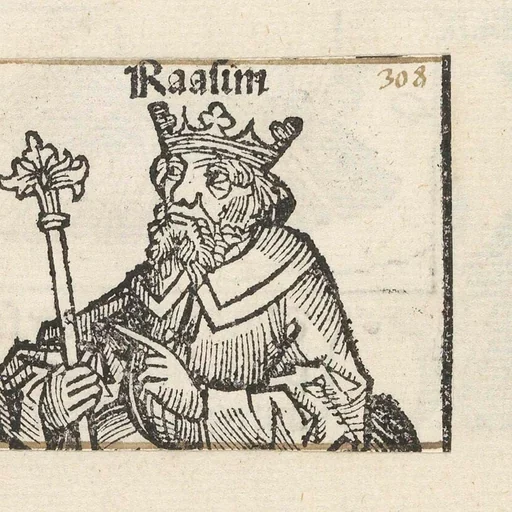
Rezin was the king of Aram who allied with Israel to attack Judah during the days of the prophet Isaiah.
King of Aram
8th century BC
Rezin was the king of Aram who allied with Israel to attack Judah during the days of the prophet Isaiah.
Follow the reading trailBEYOND THE NAME
Rezin ruled Aram, with its capital at Damascus, and joined with Pekah, king of Israel, to march against Judah and pressure King Ahaz into their coalition against Assyria. This threat, often called the Syro-Ephraimite crisis, prompted Isaiah’s assurance to Ahaz that the plans of these two kings would fail. Rezin stands as one of the foreign powers whose schemes Isaiah declared would not stand against God’s purposes.
Themes in the authored commentary
These are other entries using this name. Compare their source passages before treating them as the same or different historical people.
These entries connect the study to the source’s recorded family context. Read their cautions when the family records or identifications differ.
FOLLOW THE PASSAGES
These are chapter studies associated with this record. Their order follows the books and chapters, rather than a reconstructed timeline of the person’s life.
king of Aram who allied with Pekah to threaten Jerusalem
It is a moment of national panic. Two kings - Rezin of Syria to the northeast and Pekah of Israel to the north - have formed an alliance and are marching on Jerusalem, meaning to tear down the house of David and set a puppet of their own on the throne. When word reaches King Ahaz, the dynasty trembles: his heart was moved, and the heart of his people, as the trees of the wood are moved with the wind (v. 2). Into that fear the LORD sends Isaiah, and with him a son named Shearjashub - a name that means “a remnant shall return.” The prophet’s word to the shaking king is a call to be still and trust: Take heed, and be quiet; fear not (v. 4).
Chapter overview from the authored study guide.king of Aram whose power is the immediate threat the sign-child's name announces
Isaiah 8 cannot be read apart from the verse just before it. In chapter 7 the prophet had given king Ahaz a sign in the teeth of his fear: a virgin shall conceive, and bear a son, and shall call his name Immanuel - God with us (7:14). Chapter 8 takes up that promise and presses it against the hardest facts. The kingdoms of Syria and Israel that Ahaz dreads will soon be stripped bare; but the Assyria he leans on for rescue will turn into a flood that pours over Judah too, rising even to the neck (v. 8). And it is precisely the drowning land that Isaiah addresses by the name of promise: O Immanuel. The danger is not denied.
Chapter overview from the authored study guide.Aramean king whose fall is part of the judgment oracle in the northern context
Isaiah opens this chapter in the gloom of a real place. The land of Zebulun and the land of Naphtali (v. 1) was Israel’s northern frontier, the first ground to be overrun when armies came down from the north - the region later called Galilee of the nations. It is the most afflicted, most trampled corner of the land. And it is precisely there that Isaiah sets a sunrise: The people that walked in darkness have seen a great light: they that dwell in the land of the shadow of death, upon them hath the light shined (v. 2).
Chapter overview from the authored study guide.THE PEOPLE AROUND THE PERSON
Relationships follow the source graph. Some are interpretive or uncertain, and individual verse citations are not yet available for every connection.
STUDY & INTERPRETATION
Rezin appears in Isaiah as the head of the Aramean kingdom whose alliance with Israel terrified the house of David and set the stage for one of the prophet’s most famous oracles. God, through Isaiah, dismissed the two threatening kings as “smoking firebrands,” soon to be spent, and called Ahaz to quiet trust rather than fearful diplomacy with Assyria. Rezin’s coalition, and Ahaz’s failure to rely on God, opened the way for Assyrian domination and for the great prophecies of a coming child whose government would have no end. Against the backdrop of fragile and failing kings like Rezin, Isaiah lifted the hope of an everlasting King whose throne would be established in righteousness.
From the Learn of Christ person commentary. Read alongside the linked Scripture passages.KEEP SCRIPTURE CLOSE
3 authored chapter guides feature this person. This is guide coverage, not an exhaustive count of biblical mentions.
ASK A BETTER QUESTION
Identity, story, early-life sources, family, and where to read.
Rezin was the king of Aram who allied with Israel to attack Judah during the days of the prophet Isaiah.
Rezin ruled Aram, with its capital at Damascus, and joined with Pekah, king of Israel, to march against Judah and pressure King Ahaz into their coalition against Assyria. This threat, often called the Syro-Ephraimite crisis, prompted Isaiah’s assurance to Ahaz that the plans of these two kings would fail. Rezin stands as one of the foreign powers whose schemes Isaiah declared would not stand against God’s purposes.
The individualized passage index associates this Rezin record with 2 Kings, Isaiah. There are 9 distinct indexed verse references in the 66-book Bible. Browse the book-by-book list below; it separates this identity from other people who share the name. Source assignments and textual identifications can require interpretation.
A separate childhood account for Rezin is not provided in our current authored profile sources. Begin with 2 Kings 15:37 and the passages linked here for the evidence that is available. The first indexed reference to a name is not a birth record. This profile does not establish a birth date, schooling, or childhood events beyond what its sources state.
The current source graph does not list immediate family for Rezin. That is a limit of this data, not evidence that Rezin had no relatives. Read the cited passages for the details they actually give.
Rezin appears in Isaiah as the head of the Aramean kingdom whose alliance with Israel terrified the house of David and set the stage for one of the prophet’s most famous oracles. God, through Isaiah, dismissed the two threatening kings as “smoking firebrands,” soon to be spent, and called Ahaz to quiet trust rather than fearful diplomacy with Assyria.
Answers draw on our existing authored biography and linked chapter studies. Where supplied, verse assignments come from the individualized STEP Bible index. Childhood answers distinguish documented events from gaps in the available sources.
FIND THE PERSON IN THE TEXT
9 distinct verse references in the source’s 66-book index. These are indexed name assignments, rather than every indirect allusion to this person. A name may also refer to descendants, a tribe, or a nation; read each passage to distinguish that usage from the individual.
“In those days the LORD began to send against Judah Rezin the king of Syria, and Pekah the son of Remaliah.”
2 Kings 15:37 · King James Version
“And the king of Assyria hearkened unto him: for the king of Assyria went up against Damascus, and took it, and carried the people of it captive to Kir, and slew Rezin.”
2 Kings 16:9 · King James Version
“And say unto him, Take heed, and be quiet; fear not, neither be fainthearted for the two tails of these smoking firebrands, for the fierce anger of Rezin with Syria, and of the son of Remaliah.”
Isaiah 7:4 · King James Version
“Therefore the LORD shall set up the adversaries of Rezin against him, and join his enemies together;”
Isaiah 9:11 · King James Version
References are adapted from STEP Bible / Tyndale House TIPNR (CC BY 4.0). Deduplicated, matched to this identity, and checked against the bundled KJV’s verse bounds. Interpretive assignments and translation/versification differences may remain. This index is separate from evidence for individual family relationships.
YOUR OWN OBSERVATIONS
Notes, saved people, and study marks stay in this browser. They do not sync to your account.
KEEP EXPLORING
People featured in the same study guides. Sharing a chapter does not establish a family relationship.