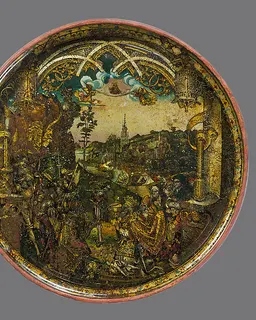
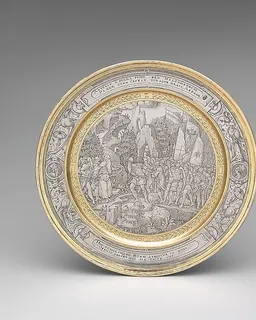
Genesis 14
People in this chapter
Genesis 14 moves from a regional war and Lot's capture to Abram's recovery of the captives. On the return, Abram meets Melchizedek, king of Salem and priest of God Most High, then refuses a personal share of Sodom's goods.
Tap any highlighted phrase to jump to the commentary that unpacks it.
Genesis 14:1-12War and Captivity
1And it came to pass in the days of Amraphel king of Shinar, Arioch king of Ellasar, Chedorlaomer king of Elam, and Tidal king of nations; 2That these made war with Bera king of Sodom, and with Birsha king of Gomorrah, Shinab king of Admah, and Shemeber king of Zeboiim, and the king of Bela, which is Zoar. 3All these were joined together in the vale of Siddim, which is the salt sea. 4Twelve years they served Chedorlaomer, and in the thirteenth year they rebelled. 5And in the fourteenth year came Chedorlaomer, and the kings that were with him, and smote the Rephaims in Ashteroth Karnaim, and the Zuzims in Ham, and the Emims in Shaveh Kiriathaim, 6And the Horites in their mount Seir, unto Elparan, which is by the wilderness. 7And they returned, and came to Enmishpat, which is Kadesh, and smote all the country of the Amalekites, and also the Amorites, that dwelt in Hazezontamar. 8And there went out the king of Sodom, and the king of Gomorrah, and the king of Admah, and the king of Zeboiim, and the king of Bela (the same is Zoar;) and they joined battle with them in the vale of Siddim; 9With Chedorlaomer the king of Elam, and with Tidal king of nations, and Amraphel king of Shinar, and Arioch king of Ellasar; four kings with five. 10And the vale of Siddim was full of slimepits; and the kings of Sodom and Gomorrah fled, and fell there; and they that remained fled to the mountain. 11And they took all the goods of Sodom and Gomorrah, and all their victuals, and went their way. 12And they took Lot, Abram’s brother’s son, who dwelt in Sodom, and his goods, and departed.
After the five city kings rebel, a coalition defeats them and takes goods from Sodom and Gomorrah. Lot, who lives in Sodom, is carried away with his goods.
Genesis 14:13-16Abram Recovers Lot
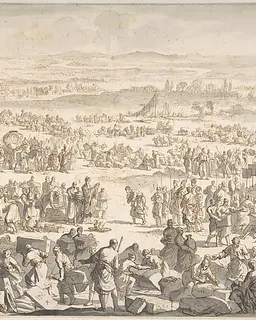
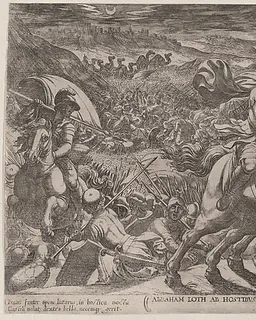
13And there came one that had escaped, and told Abram the Hebrew; for he dwelt in the plain of Mamre the Amorite, brother of Eshcol, and brother of Aner: and these were confederate with Abram. 14And when Abram heard that his brother was taken captive, he armed his trained servants, born in his own house, three hundred and eighteen, and pursued them unto Dan. 15And he divided himself against them, he and his servants, by night, and smote them, and pursued them unto Hobah, which is on the left hand of Damascus. 16And he brought back all the goods, and also brought again his brother Lot, and his goods, and the women also, and the people.
When he hears Lot is captive, Abram pursues with 318 trained men born in his household. He divides the force by night and brings back Lot, the people, and the goods.
Genesis 14:17-20Melchizedek
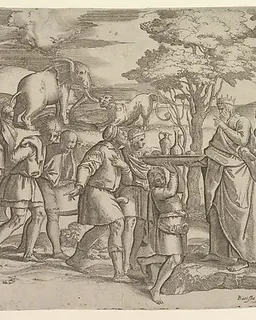
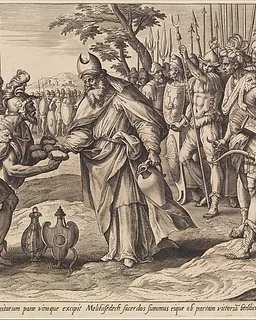
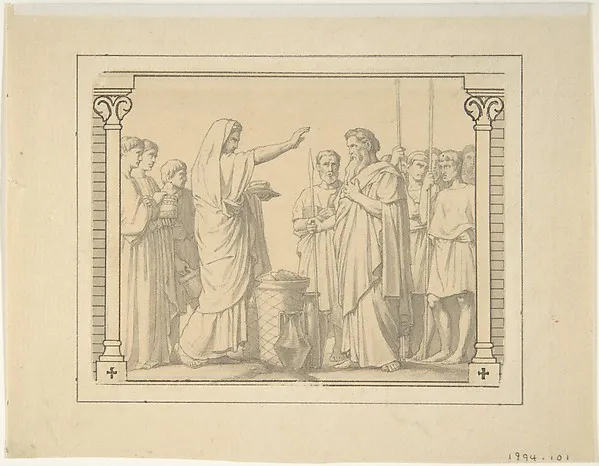
17And the king of Sodom went out to meet him after his return from the slaughter of Chedorlaomer, and of the kings that were with him, at the valley of Shaveh, which is the king’s dale. 18And Melchizedek king of Salem brought forth bread and wine: and he was the priest of the most high God. 19And he blessed him, and said, Blessed be Abram of the most high God, possessor of heaven and earth: 20And blessed be the most high God, which hath delivered thine enemies into thy hand. And he gave him tithes of all.
Melchizedek, king of Salem and priest of God Most High, brings bread and wine, blesses Abram and God, and receives a tenth from Abram.
Genesis 14:21-24Abram Refuses Personal Spoils
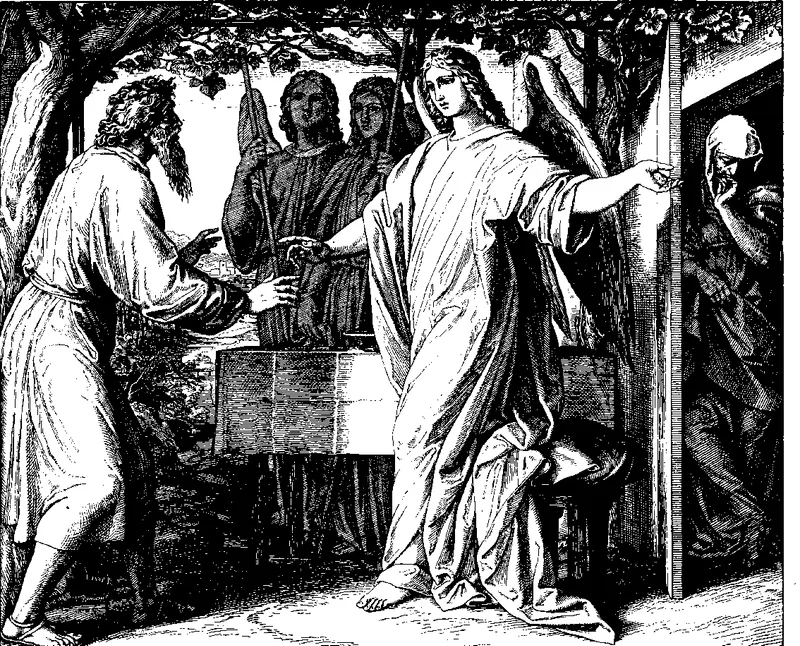
21And the king of Sodom said unto Abram, Give me the persons, and take the goods to thyself. 22And Abram said to the king of Sodom, I have lift up mine hand unto the LORD, the most high God, the possessor of heaven and earth, 23That I will not take from a thread even to a shoelatchet, and that I will not take any thing that is thine, lest thou shouldest say, I have made Abram rich: 24Save only that which the young men have eaten, and the portion of the men which went with me, Aner, Eshcol, and Mamre; let them take their portion.
The king offers Abram the goods if people are returned. Abram refuses Sodom's personal spoils, so its king cannot claim to make him rich; food and allies' shares remain exceptions.
Research trail
Sources & further study
These references support the historical, linguistic, manuscript, and contextual notes in this chapter. Scripture remains the primary text; external sources are provided so readers can inspect the research directly.
- Genesis 14 · Psalm 110 and Hebrews 5-7A study tool for tracing Melchizedek's biblical presentation into Psalm 110 and Hebrews's teaching about Jesus's priesthood.
- Genesis 14 · Hebrew + classical Jewish commentaryHebrew text and classical commentary for Melchizedek, God Most High, and Abram's oath about the spoils.
- Genesis 14 · Translators' NotesTranslation notes for the king list, trained household men, and Abram's stated exceptions concerning the spoils.