Micah 4
People in this chapter
The first three chapters of Micah are mostly thunder - rulers who hate the good, and love the evil, prophets who cry Peace for a price, and the staggering word that Zion shall be plowed as a field, and Jerusalem shall become heaps. Then the storm breaks open onto light. But in the last days it shall come to pass, that the mountain of the house of the LORD shall be established in the top of the mountains, and it shall be exalted above the hills; and people shall flow unto it (v. 1).
The mountain that judgment had leveled is lifted up above every other height, and the movement of the nations reverses: they flow toward it, drawn by what is taught there.1
Tap any highlighted phrase to jump to the commentary that unpacks it.
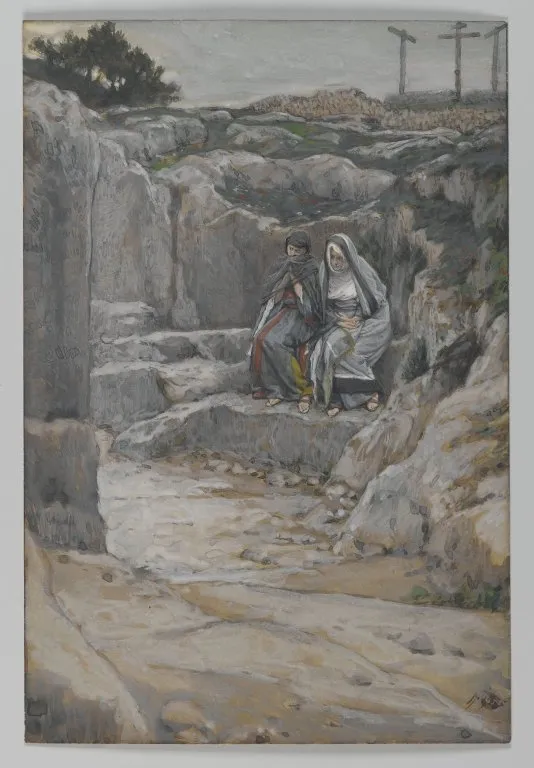
Micah 4:1-5They Shall Beat Their Swords Into Plowshares
1But in the last days it shall come to pass, that the mountain of the house of the LORD shall be established in the top of the mountains, and it shall be exalted above the hills; and people shall flow unto it. 2And many nations shall come, and say, Come, and let us go up to the mountain of the LORD, and to the house of the God of Jacob; and he will teach us of his ways, and we will walk in his paths: for the law shall go forth of Zion, and the word of the LORD from Jerusalem. 3And he shall judge among many people, and rebuke strong nations afar off; and they shall beat their swords into plowshares, and their spears into pruninghooks: nation shall not lift up a sword against nation, neither shall they learn war any more. 4But they shall sit every man under his vine and under his fig tree; and none shall make them afraid: for the mouth of the LORD of hosts hath spoken it. 5For all people will walk every one in the name of his god, and we will walk in the name of the LORD our God for ever and ever.
The hinge between Micah's thunder and his hope is the single word that opens the chapter: But. Chapter 3 ended with one of the harshest lines in the prophets - Zion shall be plowed as a field, and Jerusalem shall become heaps. Then: But in the last days it shall come to pass, that the mountain of the house of the LORD shall be established in the top of the mountains, and it shall be exalted above the hills; and people shall flow unto it (v. 1).
The same Zion that judgment would level is here lifted higher than every other height. And notice the direction of travel. Through the whole book the nations have been a threat that comes against Jerusalem to plunder it; now they flow unto it - the word pictures a river running, a current that gathers strength as it goes. They come drawn by what is there, moving toward it of their own desire. Something at the top of that mountain is so worth having that the peoples of the earth move toward it on their own.
The vision does not pin down a calendar. It simply lifts the eyes past the rubble of the present to a settled certainty about where history is finally headed.1
What draws the nations is instruction. Listen to what they say to one another as they climb: Come, and let us go up to the mountain of the LORD, and to the house of the God of Jacob; and he will teach us of his ways, and we will walk in his paths: for the law shall go forth of Zion, and the word of the LORD from Jerusalem (v. 2). They are coming to be taught, and - the harder thing - to walk in what they learn.
The two go together: in Scripture, to know the LORD's ways and not walk them is to know nothing. And the source of the teaching is named twice for emphasis: the word goes out of Zion… from Jerusalem. A single small city on a modest ridge becomes the spring from which understanding flows to the whole world. The current of the nations in verse 1 has its headwaters here, in a word spoken from one place and carried outward to all.
That detail - instruction beginning at Jerusalem and going forth to every nation - will prove to be more than poetry.
Now comes the result the chapter is famous for, and it follows directly from the LORD's judging: And he shall judge among many people, and rebuke strong nations afar off; and they shall beat their swords into plowshares, and their spears into pruninghooks: nation shall not lift up a sword against nation, neither shall they learn war any more (v. 3). The order matters. The peace follows the LORD judging between the nations - an authority strong enough to settle what nations could never settle themselves.
And the picture of that peace is unforgettable. The weapons are beaten - hammered on the forge - into tools that grow food. The sword becomes a plowshare; the spear becomes a pruninghook. The very metal that took life is reforged to sustain it. Then the last clause closes a door most of human history has held open: neither shall they learn war any more. War is something each generation has had to be taught; here that grim schooling simply ends.
No more training grounds, no more handing down the craft of killing to the young. The skill itself is allowed to be forgotten.
The vision could have stopped at the level of nations, but it comes home to the single family: But they shall sit every man under his vine and under his fig tree; and none shall make them afraid: for the mouth of the LORD of hosts hath spoken it (v. 4). The vine and the fig tree are an old and tender image of settled, ordinary well-being - a person at rest in the shade of what their own hands have planted, in no hurry, in no danger.
It is the picture of a life that is not braced for the next blow. And the deepest note is the last: none shall make them afraid. Micah names the thing that war really steals: the freedom to be unafraid. The kingdom he sees brings a security so complete that fear itself has no foothold. Then the prophet stakes the whole vision on one guarantee: the mouth of the LORD of hosts hath spoken it. Verse 5 adds the people's answering resolve in the meantime - whatever the nations around them do, we will walk in the name of the LORD our God for ever and ever. The vision is for the future; the walking begins now.
Micah 4:6-8I Will Assemble Her That Halteth
6In that day, saith the LORD, will I assemble her that halteth, and I will gather her that is driven out, and her that I have afflicted; 7And I will make her that halted a remnant, and her that was cast far off a strong nation: and the LORD shall reign over them in mount Zion from henceforth, even for ever. 8And thou, O tower of the flock, the strong hold of the daughter of Zion, unto thee shall it come, even the first dominion; the kingdom shall come to the daughter of Jerusalem.
The vision turns from the streaming nations to the limping few, and the tenderness of it is easy to miss. In that day, saith the LORD, will I assemble her that halteth, and I will gather her that is driven out, and her that I have afflicted (v. 6). Three words describe the ones the LORD goes after, and not one of them is impressive. Her that halteth is the lame one, the limper, the straggler who cannot keep up.
Her that is driven out is the one scattered and pushed away, an exile. And most arresting of all: her that I have afflicted - the LORD owns the affliction. He does not gather only those wounded by their enemies; He gathers the very ones His own discipline had to bruise. This is the shape of His mercy throughout the prophets: the hand that wounded is the hand that binds up. The God who sees the nations flowing to His mountain does not lose sight of the single lame straggler at the back of the line.
He bends down precisely for the ones least able to come on their own - and it is those He sets at the center of His gathered people.
What the LORD does with the broken ones is the surprise of the passage: And I will make her that halted a remnant, and her that was cast far off a strong nation: and the LORD shall reign over them in mount Zion from henceforth, even for ever (v. 7). He promotes them. The limper becomes a remnant - the precious surviving seed through which the whole future comes. The one cast far off becomes a strong nation. This is how the LORD characteristically works: by making the weak strong, so that the strength is plainly His gift.
And over this unlikely, reassembled people He Himself takes the throne - the LORD shall reign over them in mount Zion. The two phrases that follow stretch the reign past every horizon: from henceforth, even for ever. It begins and it does not end. The kingdom that gathers the halting and the outcast is not a brief reprieve before the next collapse; it is the LORD's own everlasting rule, established on the very mountain that judgment had threatened to level.
The section closes with a name and a promise: And thou, O tower of the flock, the strong hold of the daughter of Zion, unto thee shall it come, even the first dominion; the kingdom shall come to the daughter of Jerusalem (v. 8). The tower of the flock is a shepherd's watchtower - the raised post from which a shepherd guards the sheep gathered below. It is a fitting image to follow verses 6-7, where the LORD has just gathered His scattered, limping flock; now the watchtower over them is addressed directly.
To this humble shepherds' outlook the prophet promises the return of the first dominion… the kingdom. The rule that seemed lost in the wreckage of chapter 3 is coming back to the gathered flock and the tower that keeps watch over it. There is a deliberate reversal here. The strongholds of the world are great fortresses; the LORD's stronghold is a shepherd's tower over a flock of the lame and the recovered. The kingdom He restores is built around the care of the weak.1
Micah 4:9-13There Shalt Thou Be Delivered
9Now why dost thou cry out aloud? is there no king in thee? is thy counsellor perished? for pangs have taken thee as a woman in travail. 10Be in pain, and labour to bring forth, O daughter of Zion, like a woman in travail: for now shalt thou go forth out of the city, and thou shalt dwell in the field, and thou shalt go even to Babylon; there shalt thou be delivered; there the LORD shall redeem thee from the hand of thine enemies. 11Now also many nations are gathered against thee, that say, Let her be defiled, and let our eye look upon Zion. 12But they know not the thoughts of the LORD, neither understand they his counsel: for he shall gather them as the sheaves into the floor. 13Arise and thresh, O daughter of Zion: for I will make thine horn iron, and I will make thy hoofs brass: and thou shalt beat in pieces many people: and I will consecrate their gain unto the LORD, and their substance unto the Lord of the whole earth.
After the glory of the mountain, Micah turns abruptly to the present, and the present hurts. Now why dost thou cry out aloud? is there no king in thee? is thy counsellor perished? for pangs have taken thee as a woman in travail (v. 9). The word now drops us out of the vision and back into Zion's real distress. The questions are not mockery but a kind of probing: why the panic? Is it that the king and the counsellor - the human supports a city leans on - have failed?
They have. And the prophet names the pain with the oldest and most honest image for it: a woman in the grip of labor. It is severe, it is involuntary, and it cannot be reasoned away. But the image is chosen with care, because labor pain is the pain that comes before birth - pain with something on the far side of it. Micah does not deny how badly it hurts; he reframes what the hurt means.
The cry going up from Zion is the groan of a hard delivery. Something is being born through the anguish.
Then comes a word that must have stunned Micah's first hearers: Be in pain, and labour to bring forth, O daughter of Zion, like a woman in travail: for now shalt thou go forth out of the city, and thou shalt dwell in the field, and thou shalt go even to Babylon; there shalt thou be delivered; there the LORD shall redeem thee from the hand of thine enemies (v. 10). The road forward, the LORD says plainly, runs down before it runs up.
Zion will leave the city, camp in the open field, and be carried even to Babylon - the very place of exile, the deepest point of the fall. The prophet does not soften it or route around it. And then, with two repetitions of one small word, he plants the hope in the worst possible soil: there… there. There - in Babylon, in the captivity itself, at the bottom - shalt thou be delivered; there the LORD shall redeem thee. The deliverance is promised inside the exile.
He meets them in the middle of it, at the very place that looks like the end of hope, and redeems them from there. The labor has a destination, and the destination is not Babylon. It is rescue, reached by way of Babylon.
The chapter's final movement answers the threat of the nations with the hidden purpose of God. Now also many nations are gathered against thee, that say, Let her be defiled, and let our eye look upon Zion. But they know not the thoughts of the LORD, neither understand they his counsel: for he shall gather them as the sheaves into the floor (vv. 11-12). The nations mass against Zion with contempt, eager to see her shamed.
But they are working with a fatally incomplete map. They know not the thoughts of the LORD. They imagine they are the gatherers, closing in for the kill - and they do not realize that they are the ones being gathered, like cut grain raked onto a threshing floor. There is a quiet, towering irony here: the very moment the enemy feels most in control is the moment he has been most completely maneuvered into the LORD's hands.
What looks from the ground like Zion surrounded is, from heaven, a harvest assembled. The LORD's counsel - His settled purpose - is running underneath events that seem to contradict it, and it will not be thwarted by nations who cannot even see it.
On that gathered harvest the LORD issues a summons: Arise and thresh, O daughter of Zion: for I will make thine horn iron, and I will make thy hoofs brass: and thou shalt beat in pieces many people: and I will consecrate their gain unto the LORD, and their substance unto the LORD of the whole earth (v. 13). The same Zion who was just in the helpless pain of labor is now raised up and armed.
The image is of a threshing ox, which an ancient farmer drove over the cut sheaves to separate grain from chaff; the LORD gives her a horn of iron and hoofs of brass for the work. But notice carefully where her strength comes from and where the spoil goes. The iron and the brass are gifts: I will make, the LORD says, the LORD's own doing. And the harvest is not seized for Zion's enrichment: I will consecrate their gain unto the LORD… unto the LORD of the whole earth. The victory is the LORD's and the plunder is devoted to Him.
The closing title says everything: the LORD of the whole earth. The nations thought they were dealing with one small, defeated city; they were in fact gathered before the One who owns the entire world. The chapter that began with His mountain exalted above all others ends with His sovereignty over all the earth confessed.
Research trail
Sources & further study
These references support the historical, linguistic, manuscript, and contextual notes in this chapter. Scripture remains the primary text; external sources are provided so readers can inspect the research directly.
- Micah 4 - Translators' NotesThe NET Bible's detailed footnotes on Micah 4 - the meaning of in the last days in verse 1, the imagery of swords reforged into farming tools in verse 3, the “tower of the flock” and “first dominion” of verse 8, and the threshing-floor language of verses 12-13.
- Micah 4 · Hebrew + classical Jewish commentaryThe Hebrew text of Micah 4 with Rashi, Radak, and other classical commentators side by side - useful for har beit YHWH (v. 1, “the mountain of the house of the LORD”), for the verb behind they shall beat… into plowshares (v. 3), and for the much-discussed migdal-eder, the “tower of the flock” of verse 8.
- Micah 4 ↔ Isaiah 2 · Luke 24 · Acts 1-2 · Revelation 21Traces the threads tying Micah 4 to the rest of Scripture - the all-but-identical mountain vision of Isaiah 2:2-4, the word going forth from Jerusalem read beside the gospel preached among all nations, beginning at Jerusalem (Luke 24:47; Acts 1:8), and the reign of unafraid peace read beside the city where there is no more death (Rev. 21:4).
Where this echoes in Scripture
They Shall Beat Their Swords Into Plowshares
- Isaiah 2:2-4they shall beat their swords into plowshares, and their spears into pruninghooks: nation shall not lift up sword against nation.The all-but-identical mountain vision - the same exalted house, the same streaming nations, the same reforged weapons as verses 1-3.
- Luke 24:46-47that repentance and remission of sins should be preached in his name among all nations, beginning at Jerusalem.The word going forth from Jerusalem to the nations (v. 2) - the very shape of the gospel the risen Christ sends out.
- Isaiah 9:6-7The Prince of Peace. Of the increase of his government and peace there shall be no end.The peace of verses 3-4 gathered around the One whose government of peace has no end.
- 1 Kings 4:25Judah and Israel dwelt safely, every man under his vine and under his fig tree... all the days of Solomon.The unafraid rest of verse 4 - the same image of a people secure under their own vine and fig tree.
- Revelation 21:4there shall be no more death, neither sorrow, nor crying, neither shall there be any more pain.The furthest horizon of the unafraid peace of verse 4 - the city where every cause of fear is gone.
I Will Assemble Her That Halteth
- Ezekiel 34:16I will seek that which was lost, and bring again that which was driven away, and will bind up that which was broken.The LORD gathering the lame and driven-out of verse 6 - the Shepherd who goes after the very same broken sheep.
- Luke 14:21-23bring in hither the poor, and the maimed, and the halt, and the blind... that my house may be filled.The ones the LORD assembles in verse 6 - the maimed and the halt brought into the kingdom until the house is full.
- Zephaniah 3:19I will save her that halteth, and gather her that was driven out; and I will get them praise and fame.The same promise as verses 6-7 in nearly the same words - the lame saved, the scattered gathered, the shamed honored.
- Micah 5:2thou, Beth-lehem Ephratah... out of thee shall he come forth... that is to be ruler in Israel.The dominion promised to the flock and its tower in verse 8 - tied in the next chapter to the ruler born in Bethlehem.
- Revelation 11:15The kingdoms of this world are become the kingdoms of our Lord, and of his Christ; and he shall reign for ever and ever.The everlasting reign of verse 7 - the LORD ruling in Zion from henceforth, even for ever.
There Shalt Thou Be Delivered
- John 16:21A woman when she is in travail hath sorrow... but as soon as she is delivered... she remembereth no more the anguish, for joy.The travail of verses 9-10 - pain with joy on its far side, the sorrow that turns to the gladness of new birth.
- 1 Peter 1:18-19ye were not redeemed with corruptible things... but with the precious blood of Christ.The redemption promised in verse 10 - a buying-back with a price, accomplished in Christ.
- Romans 11:33-34how unsearchable are his judgments, and his ways past finding out! For who hath known the mind of the Lord?The truth of verse 12 - the thoughts and counsel of the LORD that the nations massing against Zion could not know.
- Isaiah 41:15-16I will make thee a new sharp threshing instrument... thou shalt thresh the mountains... and shalt rejoice in the LORD.The threshing summons of verse 13 - the LORD arming His people, the harvest and the glory His own.
- Zechariah 14:9And the LORD shall be king over all the earth: in that day shall there be one LORD.The closing confession of verse 13 - the LORD of the whole earth, sovereign over all the nations.