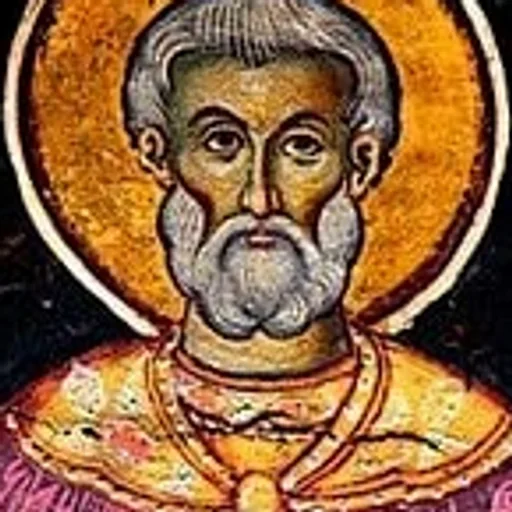
Who was Adoram in the Bible?
Adoram was the official over forced labor whom Israel stoned to death when the kingdom split.
Overseer of forced labor
c. 930 BC
Adoram was the official over forced labor whom Israel stoned to death when the kingdom split.
Follow the reading trailBEYOND THE NAME
Adoram (also called Adoniram) was the officer Rehoboam placed over the forced labor gangs that Solomon’s building projects had required. When Rehoboam sent him to the rebelling northern tribes, the people stoned him to death, and the king himself barely escaped to Jerusalem in his chariot. His death made the breach between Israel and Judah final and bloody.
Themes in the authored commentary
FOLLOW THE PASSAGES
These are chapter studies associated with this record. Their order follows the books and chapters, rather than a reconstructed timeline of the person’s life.
overseer of forced labor sent by Rehoboam who was stoned to death by Israel
At the end of Solomon’s reign, the kingdom he ruled is fractured beneath a facade of splendor. The building projects are magnificent, but the burden on the people is crushing. Heavy taxes. Forced labor. A yoke, as the text will say, that has become grievous.
Chapter overview from the authored study guide.official sent by Rehoboam to the rebellious assembly who is stoned to death by the people
Solomon is dead. His son Rehoboam rides north to Shechem to be crowned, and the whole nation is waiting with one request. Thy father made our yoke grievous: now therefore ease thou somewhat… and we will serve thee (v. 4). It is a plain offer - a little relief for willing loyalty. Rehoboam asks three days to decide.
Chapter overview from the authored study guide.THE PEOPLE AROUND THE PERSON
Recorded parents
Relationships follow the source graph. Some are interpretive or uncertain, and individual verse citations are not yet available for every connection.
STUDY & INTERPRETATION
Adoram embodies the very burden the northern tribes had begged Rehoboam to lift, the heavy yoke of conscripted labor that built Solomon’s glory at the people’s cost. To send the taskmaster of that system into a people already in revolt was to misread the moment entirely, and his stoning reveals how deep the resentment had grown. His death is a sober witness to how unjust burdens, left unrelieved, curdle into violence and division. It stands in quiet contrast to the King who would come not to be served but to serve, lifting burdens rather than imposing them, and giving rest to the weary and heavy laden.
From the Learn of Christ person commentary. Read alongside the linked Scripture passages.KEEP SCRIPTURE CLOSE
2 authored chapter guides feature this person. This is guide coverage, not an exhaustive count of biblical mentions.
ASK A BETTER QUESTION
Identity, story, early-life sources, family, and where to read.
Names and spellings in the source: Adoram · Adoniram · Hadoram
Adoram was the official over forced labor whom Israel stoned to death when the kingdom split.
Adoram (also called Adoniram) was the officer Rehoboam placed over the forced labor gangs that Solomon’s building projects had required. When Rehoboam sent him to the rebelling northern tribes, the people stoned him to death, and the king himself barely escaped to Jerusalem in his chariot. His death made the breach between Israel and Judah final and bloody.
The individualized passage index associates this Adoram record with 2 Samuel, 1 Kings, 2 Chronicles. There are 5 distinct indexed verse references in the 66-book Bible. Browse the book-by-book list below; it separates this identity from other people who share the name. Source assignments and textual identifications can require interpretation.
A separate childhood account for Adoram is not provided in our current authored profile sources. Begin with 2 Samuel 20:24 and the passages linked here for the evidence that is available. The first indexed reference to a name is not a birth record. This profile does not establish a birth date, schooling, or childhood events beyond what its sources state.
Adoram’s source record lists Abda (father). These are source-graph relationships; legal family, uncertain identifications, and ancestral language require the cautions below. Individual verse evidence is not yet retained for every family edge.
Adoram embodies the very burden the northern tribes had begged Rehoboam to lift, the heavy yoke of conscripted labor that built Solomon’s glory at the people’s cost. To send the taskmaster of that system into a people already in revolt was to misread the moment entirely, and his stoning reveals how deep the resentment had grown.
Answers draw on our existing authored biography and linked chapter studies. Where supplied, verse assignments come from the individualized STEP Bible index. Childhood answers distinguish documented events from gaps in the available sources.
FIND THE PERSON IN THE TEXT
5 distinct verse references in the source’s 66-book index. These are indexed name assignments, rather than every indirect allusion to this person. A name may also refer to descendants, a tribe, or a nation; read each passage to distinguish that usage from the individual.
“And Adoram was over the tribute: and Jehoshaphat the son of Ahilud was recorder:”
2 Samuel 20:24 · King James Version
“And Ahishar was over the household: and Adoniram the son of Abda was over the tribute.”
1 Kings 4:6 · King James Version
“Then king Rehoboam sent Adoram, who was over the tribute; and all Israel stoned him with stones, that he died. Therefore king Rehoboam made speed to get him up to his chariot, to flee to Jerusalem.”
1 Kings 12:18 · King James Version
“Then king Rehoboam sent Hadoram that was over the tribute; and the children of Israel stoned him with stones, that he died. But king Rehoboam made speed to get him up to his chariot, to flee to Jerusalem.”
2 Chronicles 10:18 · King James Version
References are adapted from STEP Bible / Tyndale House TIPNR (CC BY 4.0). Deduplicated, matched to this identity, and checked against the bundled KJV’s verse bounds. Interpretive assignments and translation/versification differences may remain. This index is separate from evidence for individual family relationships.
YOUR OWN OBSERVATIONS
Notes, saved people, and study marks stay in this browser. They do not sync to your account.
KEEP EXPLORING
People featured in the same study guides. Sharing a chapter does not establish a family relationship.