Who was Bartimaeus in the Bible?
Bartimaeus was a blind beggar who cried out to Jesus for mercy and received his sight.
Blind Beggar Healed by Jesus
1st century AD
Bartimaeus was a blind beggar who cried out to Jesus for mercy and received his sight.
Follow the reading trailBEYOND THE NAME
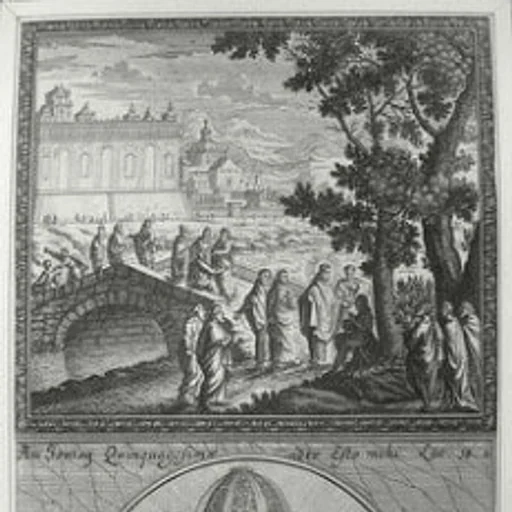
Bartimaeus sat begging by the road outside Jericho when he heard that Jesus was passing by. Though the crowd told him to be quiet, he cried out all the more, “Son of David, have mercy on me,” and Jesus called him over and restored his sight. Receiving his sight, he immediately followed Jesus along the road.
Themes in the authored commentary
FOLLOW THE PASSAGES
These are chapter studies associated with this record. Their order follows the books and chapters, rather than a reconstructed timeline of the person’s life.
blind beggar who cries out to Jesus and receives his sight near Jericho
Mark 10 unfolds on the road up to Jerusalem, in the long shadow of the cross. Jesus has already told His disciples twice that He must suffer and die, and a third telling is coming in this very chapter. Everything here is colored by that destination. He arrives in the region beyond Jordan, the crowds gather as they always do, and as he was wont, he taught them again (v. 1). At once the Pharisees come tempting him with a question designed to trap: Is it lawful for a man to put away his wife? (v. 2). Jesus will not be drawn into their legal wrangling.
Chapter overview from the authored study guide.blind beggar near Jericho who cries out to Jesus and is healed
Luke 18 strings together five scenes - a parable about a widow, a parable about two men praying, an encounter with children, an encounter with a rich man, and the healing of a blind beggar - and under all of them runs one question: how do people actually come to God, and who is received when they do? It opens with a widow and a judge. She has no power, no leverage, no money to bribe with; all she has is persistence, and she uses it - coming, and coming, and coming, until the unjust judge gives her justice simply to be rid of her. Jesus draws the lesson out in the open: men ought always to pray, and not to faint (v. 1).
Chapter overview from the authored study guide.THE PEOPLE AROUND THE PERSON
Recorded parents
Relationships follow the source graph. Some are interpretive or uncertain, and individual verse citations are not yet available for every connection.
STUDY & INTERPRETATION
Bartimaeus appears as Jesus journeys toward Jerusalem and the cross, a beggar who sees more clearly than many with working eyes. His cry to the “Son of David” confesses Jesus as the promised heir of the throne, the long-awaited King, even before the city’s gates. Where the powerful and the well-fed missed who Jesus was, this blind man at the roadside grasped it and would not be silenced. His healing and his choice to follow on the road make him a living picture of faith that calls out in need, receives mercy, and then walks the way of the One who answered.
From the Learn of Christ person commentary. Read alongside the linked Scripture passages.KEEP SCRIPTURE CLOSE
2 authored chapter guides feature this person. This is guide coverage, not an exhaustive count of biblical mentions.
ASK A BETTER QUESTION
Identity, story, early-life sources, family, and where to read.
Bartimaeus was a blind beggar who cried out to Jesus for mercy and received his sight.
Bartimaeus sat begging by the road outside Jericho when he heard that Jesus was passing by. Though the crowd told him to be quiet, he cried out all the more, “Son of David, have mercy on me,” and Jesus called him over and restored his sight. Receiving his sight, he immediately followed Jesus along the road.
The individualized passage index associates this Bartimaeus record with Mark. There is 1 distinct indexed verse reference in the 66-book Bible. Browse the book-by-book list below; it separates this identity from other people who share the name. Source assignments and textual identifications can require interpretation.
A separate childhood account for Bartimaeus is not provided in our current authored profile sources. Begin with Mark 10:46 and the passages linked here for the evidence that is available. The first indexed reference to a name is not a birth record. This profile does not establish a birth date, schooling, or childhood events beyond what its sources state.
Bartimaeus’s source record lists Timaeus (father). These are source-graph relationships; legal family, uncertain identifications, and ancestral language require the cautions below. Individual verse evidence is not yet retained for every family edge.
Bartimaeus appears as Jesus journeys toward Jerusalem and the cross, a beggar who sees more clearly than many with working eyes. His cry to the “Son of David” confesses Jesus as the promised heir of the throne, the long-awaited King, even before the city’s gates.
Answers draw on our existing authored biography and linked chapter studies. Where supplied, verse assignments come from the individualized STEP Bible index. Childhood answers distinguish documented events from gaps in the available sources.
FIND THE PERSON IN THE TEXT
1 distinct verse references in the source’s 66-book index. These are indexed name assignments, rather than every indirect allusion to this person. A name may also refer to descendants, a tribe, or a nation; read each passage to distinguish that usage from the individual.
“And they came to Jericho: and as he went out of Jericho with his disciples and a great number of people, blind Bartimaeus, the son of Timaeus, sat by the highway side begging.”
Mark 10:46 · King James Version
References are adapted from STEP Bible / Tyndale House TIPNR (CC BY 4.0). Deduplicated, matched to this identity, and checked against the bundled KJV’s verse bounds. Interpretive assignments and translation/versification differences may remain. This index is separate from evidence for individual family relationships.
YOUR OWN OBSERVATIONS
Notes, saved people, and study marks stay in this browser. They do not sync to your account.
KEEP EXPLORING
People featured in the same study guides. Sharing a chapter does not establish a family relationship.