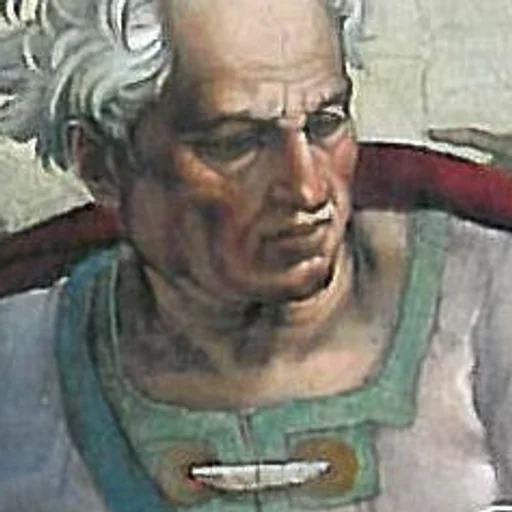
Who was Joel in the Bible?
Joel was a prophet who saw a devastating locust plague as a call for the people to return to God.
Prophet of the Day of the Lord
Joel was a prophet who saw a devastating locust plague as a call for the people to return to God.
Follow the reading trailBEYOND THE NAME
In Joel 1, the prophet describes a swarm of locusts that has stripped the land bare, ruining the harvest and silencing the joy of worship. He calls the priests and the whole nation to fast, weep, and turn back to the Lord. From this disaster Joel lifts his eyes to the coming day of the Lord and to the promise that God will pour out His Spirit on all flesh.
Themes in the authored commentary
These are other entries using this name. Compare their source passages before treating them as the same or different historical people.
FOLLOW THE PASSAGES
These are chapter studies associated with this record. Their order follows the books and chapters, rather than a reconstructed timeline of the person’s life.
prophet who receives the word of the LORD and calls the nation to lament the devastating locust plague
The book of Joel opens with a catastrophe so severe the prophet has to convince his hearers it really happened. Hear this, ye old men… Hath this been in your days, or even in the days of your fathers? (v. 2). The oldest people alive cannot remember its equal; the children must be told, and they must tell their children (v. 3).
Chapter overview from the authored study guide.prophet who sounds the alarm of the day of the LORD and urges the priests and people to return to God
The first chapter of Joel described a land stripped bare by locusts, wave after wave devouring everything green until the fields lay in mourning. Now, in chapter 2, the prophet lifts that disaster up and uses it as a window onto something larger still: the day of the LORD. A trumpet sounds in Zion, an alarm rings out from the holy mountain, and an army advances that makes the locust plague look like a rehearsal. A day of darkness and of gloominess, a day of clouds and of thick darkness (v. 2) - fire before it and desolation behind, the earth quaking, the heavens trembling, the sun and moon gone dark.
Chapter overview from the authored study guide.prophet who declares God's coming judgment on the nations gathered in the valley of Jehoshaphat
The book of Joel comes to its close at the place where so much of prophecy comes to rest: the last great reckoning, and the city of God that stands on the far side of it. The opening words tie this final scene back to the promise just before it - in those days, and in that time, when I shall bring again the captivity of Judah and Jerusalem (v. 1). In the very season God restores His people, He also calls the nations to account: I will also gather all nations, and will bring them down into the valley of Jehoshaphat, and will plead with them there for my people and for my heritage Israel (v. 2).
Chapter overview from the authored study guide.THE PEOPLE AROUND THE PERSON
Recorded parents
Relationships follow the source graph. Some are interpretive or uncertain, and individual verse citations are not yet available for every connection.
STUDY & INTERPRETATION
Joel reads a present catastrophe as a summons to repentance and a sign of the great day of the Lord, both judgment and restoration. His call to rend the heart and not the garments places true return to God at the center of the prophetic message, and his promise that God will repay the years the locusts have eaten holds out hope beyond ruin. His vision that the Spirit would be poured out on sons and daughters, old and young, reaches far past his own time. The New Testament takes up his words at Pentecost to declare that this outpouring had begun, so that Joel’s ancient cry from a wasted land becomes a herald of the Spirit given through the risen Christ to all who call on the name of the Lord.
From the Learn of Christ person commentary. Read alongside the linked Scripture passages.KEEP SCRIPTURE CLOSE
3 authored chapter guides feature this person. This is guide coverage, not an exhaustive count of biblical mentions.
ASK A BETTER QUESTION
Identity, story, early-life sources, family, and where to read.
Joel was a prophet who saw a devastating locust plague as a call for the people to return to God.
In Joel 1, the prophet describes a swarm of locusts that has stripped the land bare, ruining the harvest and silencing the joy of worship. He calls the priests and the whole nation to fast, weep, and turn back to the Lord. From this disaster Joel lifts his eyes to the coming day of the Lord and to the promise that God will pour out His Spirit on all flesh.
The individualized passage index associates this Joel record with Joel, Acts. There are 2 distinct indexed verse references in the 66-book Bible. Browse the book-by-book list below; it separates this identity from other people who share the name. Source assignments and textual identifications can require interpretation.
A separate childhood account for Joel is not provided in our current authored profile sources. Begin with Joel 1:1 and the passages linked here for the evidence that is available. The first indexed reference to a name is not a birth record. This profile does not establish a birth date, schooling, or childhood events beyond what its sources state.
Joel’s source record lists Pethuel (father). These are source-graph relationships; legal family, uncertain identifications, and ancestral language require the cautions below. Individual verse evidence is not yet retained for every family edge.
Joel reads a present catastrophe as a summons to repentance and a sign of the great day of the Lord, both judgment and restoration. His call to rend the heart and not the garments places true return to God at the center of the prophetic message, and his promise that God will repay the years the locusts have eaten holds out hope beyond ruin.
Answers draw on our existing authored biography and linked chapter studies. Where supplied, verse assignments come from the individualized STEP Bible index. Childhood answers distinguish documented events from gaps in the available sources.
FIND THE PERSON IN THE TEXT
2 distinct verse references in the source’s 66-book index. These are indexed name assignments, rather than every indirect allusion to this person. A name may also refer to descendants, a tribe, or a nation; read each passage to distinguish that usage from the individual.
“The word of the LORD that came to Joel the son of Pethuel.”
Joel 1:1 · King James Version
“But this is that which was spoken by the prophet Joel;”
Acts 2:16 · King James Version
References are adapted from STEP Bible / Tyndale House TIPNR (CC BY 4.0). Deduplicated, matched to this identity, and checked against the bundled KJV’s verse bounds. Interpretive assignments and translation/versification differences may remain. This index is separate from evidence for individual family relationships.
YOUR OWN OBSERVATIONS
Notes, saved people, and study marks stay in this browser. They do not sync to your account.
KEEP EXPLORING
People featured in the same study guides. Sharing a chapter does not establish a family relationship.