
Who was Manoah in the Bible?
Manoah was Samson’s father, a man of Dan who was visited by the angel of the Lord announcing his son’s birth.
Father of Samson
Period of the Judges
Manoah was Samson’s father, a man of Dan who was visited by the angel of the Lord announcing his son’s birth.
Follow the reading trailBEYOND THE NAME
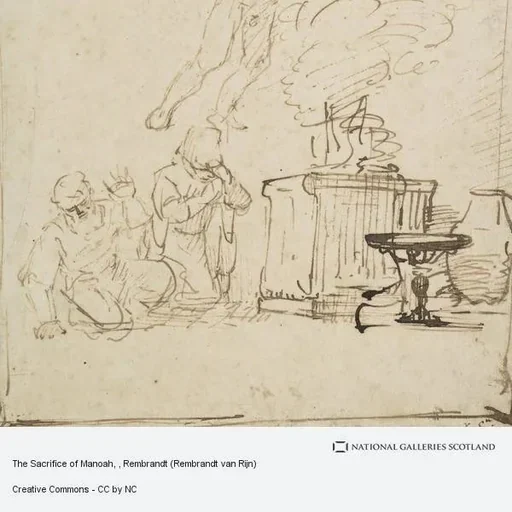
Manoah was a Danite from Zorah whose wife was barren until the angel of the Lord appeared to announce that she would bear a son set apart as a Nazirite from birth. Manoah prayed for the messenger to return and teach them how to raise the boy, and he offered a sacrifice as the angel ascended in the flame. Fearing they had seen God and would die, he was reassured by his wife and went on to raise Samson, the deliverer to come.
Themes in the authored commentary
FOLLOW THE PASSAGES
These are chapter studies associated with this record. Their order follows the books and chapters, rather than a reconstructed timeline of the person’s life.
Danite father who receives the angelic announcement of Samson's birth
When the children of Israel did evil again in the sight of the LORD, He hands them over to the Philistines for forty years (v. 1). The story then turns to Manoah’s household in Zorah. His wife is barren. The angel of the LORD appeared unto her and says she will have a son. He will be a Nazarite from the womb and shall begin to deliver Israel out of the hand of the Philistines (v. 5).
Chapter overview from the authored study guide.THE PEOPLE AROUND THE PERSON
Recorded children
Relationships follow the source graph. Some are interpretive or uncertain, and individual verse citations are not yet available for every connection.
STUDY & INTERPRETATION
Manoah appears as an earnest, somewhat anxious father who longed to do right by the son God was about to give. His repeated questions and his desire for the messenger to return show a man reaching for clearer instruction in a dim and disordered time. The angel’s refusal to give a name, calling it wonderful, and his ascent in the altar flame mark the encounter as a genuine visitation of the divine, leaving Manoah trembling in awe. His story sits at the threshold of Samson’s, reminding the reader that God still announced deliverance by grace to humble households, preparing a flawed deliverer who would foreshadow a far greater one.
From the Learn of Christ person commentary. Read alongside the linked Scripture passages.KEEP SCRIPTURE CLOSE
1 authored chapter guide features this person. This is guide coverage, not an exhaustive count of biblical mentions.
ASK A BETTER QUESTION
Identity, story, early-life sources, family, and where to read.
Manoah was Samson’s father, a man of Dan who was visited by the angel of the Lord announcing his son’s birth.
Manoah was a Danite from Zorah whose wife was barren until the angel of the Lord appeared to announce that she would bear a son set apart as a Nazirite from birth. Manoah prayed for the messenger to return and teach them how to raise the boy, and he offered a sacrifice as the angel ascended in the flame. Fearing they had seen God and would die, he was reassured by his wife and went on to raise Samson, the deliverer to come.
The individualized passage index associates this Manoah record with Judges. There are 14 distinct indexed verse references in the 66-book Bible. Browse the book-by-book list below; it separates this identity from other people who share the name. Source assignments and textual identifications can require interpretation.
A separate childhood account for Manoah is not provided in our current authored profile sources. Begin with Judges 13:2 and the passages linked here for the evidence that is available. The first indexed reference to a name is not a birth record. This profile does not establish a birth date, schooling, or childhood events beyond what its sources state.
Manoah’s source record lists Samson (child). These are source-graph relationships; legal family, uncertain identifications, and ancestral language require the cautions below. Individual verse evidence is not yet retained for every family edge.
Manoah appears as an earnest, somewhat anxious father who longed to do right by the son God was about to give. His repeated questions and his desire for the messenger to return show a man reaching for clearer instruction in a dim and disordered time.
Answers draw on our existing authored biography and linked chapter studies. Where supplied, verse assignments come from the individualized STEP Bible index. Childhood answers distinguish documented events from gaps in the available sources.
FIND THE PERSON IN THE TEXT
14 distinct verse references in the source’s 66-book index. These are indexed name assignments, rather than every indirect allusion to this person. A name may also refer to descendants, a tribe, or a nation; read each passage to distinguish that usage from the individual.
“And there was a certain man of Zorah, of the family of the Danites, whose name was Manoah; and his wife was barren, and bare not.”
Judges 13:2 · King James Version
“And Manoah said, Now let thy words come to pass. How shall we order the child, and how shall we do unto him?”
Judges 13:12 · King James Version
“So Manoah took a kid with a meat offering, and offered it upon a rock unto the LORD: and the angel did wonderously; and Manoah and his wife looked on.”
Judges 13:19 · King James Version
“Then his brethren and all the house of his father came down, and took him, and brought him up, and buried him between Zorah and Eshtaol in the buryingplace of Manoah his father. And he judged Israel twenty years.”
Judges 16:31 · King James Version
References are adapted from STEP Bible / Tyndale House TIPNR (CC BY 4.0). Deduplicated, matched to this identity, and checked against the bundled KJV’s verse bounds. Interpretive assignments and translation/versification differences may remain. This index is separate from evidence for individual family relationships.
YOUR OWN OBSERVATIONS
Notes, saved people, and study marks stay in this browser. They do not sync to your account.
KEEP EXPLORING
People featured in the same study guides. Sharing a chapter does not establish a family relationship.