
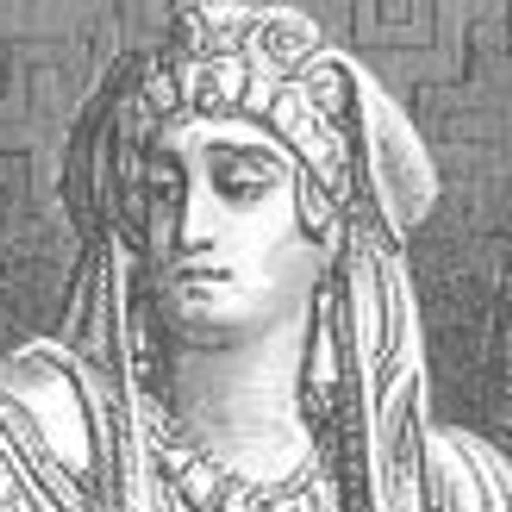
Who was Vashti in the Bible?
Vashti was the queen of Persia who refused to appear before the king’s drunken guests and was removed from her royal position as a result.
Queen of Persia
Persian Empire
Vashti was the queen of Persia who refused to appear before the king’s drunken guests and was removed from her royal position as a result.
Follow the reading trailBEYOND THE NAME
Vashti was the queen of King Ahasuerus, hosting a feast for the women while the king feasted with his nobles. When the king, merry with wine, summoned her to display her beauty before his guests, she refused to come, and her refusal alarmed his counselors. Fearing the example her independence might set throughout the empire, they advised that she be deposed, and her royal place was given to another.
Themes in the authored commentary
FOLLOW THE PASSAGES
These are chapter studies associated with this record. Their order follows the books and chapters, rather than a reconstructed timeline of the person’s life.
queen who refuses the king's summons and is subsequently deposed
The book of Esther opens at the height of imperial Persia. King Ahasuerus - almost certainly Xerxes I (486-465 BC), the same emperor who would shortly march on Greece, lose Thermopylae and Salamis, and limp home - sits on the throne of an empire that runs from India to Ethiopia and includes 127 provinces. The chapter is dated to his third year (483 BC), which Greek historians place exactly on the eve of his Greek campaign. The 180-day feast the chapter describes is, in the most plausible scholarly reconstruction, the war council and propaganda display that preceded the invasion of Greece.
Chapter overview from the authored study guide.THE PEOPLE AROUND THE PERSON
Recorded spouses
Recorded children
Relationships follow the source graph. Some are interpretive or uncertain, and individual verse citations are not yet available for every connection.
STUDY & INTERPRETATION
Vashti opens the book of Esther with an act of refusal that sets the whole story in motion, her removal clearing the way for an unknown Jewish woman to rise to the throne. The narrative offers no direct verdict on her, presenting instead a court ruled by pride, wine, and anxious men quick to legislate against the dignity of women. Her abrupt fall reveals how precarious power is in a kingdom governed by impulse and decree. Yet within God’s unseen working, even this palace intrigue becomes the doorway through which deliverance for an entire people would later come, a reminder that the Lord can weave human folly and human courage alike into His saving purposes.
From the Learn of Christ person commentary. Read alongside the linked Scripture passages.KEEP SCRIPTURE CLOSE
1 authored chapter guide features this person. This is guide coverage, not an exhaustive count of biblical mentions.
ASK A BETTER QUESTION
Identity, story, early-life sources, family, and where to read.
Vashti was the queen of Persia who refused to appear before the king’s drunken guests and was removed from her royal position as a result.
Vashti was the queen of King Ahasuerus, hosting a feast for the women while the king feasted with his nobles. When the king, merry with wine, summoned her to display her beauty before his guests, she refused to come, and her refusal alarmed his counselors. Fearing the example her independence might set throughout the empire, they advised that she be deposed, and her royal place was given to another.
The individualized passage index associates this Vashti record with Esther. There are 10 distinct indexed verse references in the 66-book Bible. Browse the book-by-book list below; it separates this identity from other people who share the name. Source assignments and textual identifications can require interpretation.
A separate childhood account for Vashti is not provided in our current authored profile sources. Begin with Esther 1:9 and the passages linked here for the evidence that is available. The first indexed reference to a name is not a birth record. This profile does not establish a birth date, schooling, or childhood events beyond what its sources state.
Vashti’s source record lists Ahasuerus (spouse), Darius (child), Artaxerxes (child). These are source-graph relationships; legal family, uncertain identifications, and ancestral language require the cautions below. Individual verse evidence is not yet retained for every family edge.
Vashti opens the book of Esther with an act of refusal that sets the whole story in motion, her removal clearing the way for an unknown Jewish woman to rise to the throne. The narrative offers no direct verdict on her, presenting instead a court ruled by pride, wine, and anxious men quick to legislate against the dignity of women.
Answers draw on our existing authored biography and linked chapter studies. Where supplied, verse assignments come from the individualized STEP Bible index. Childhood answers distinguish documented events from gaps in the available sources.
FIND THE PERSON IN THE TEXT
10 distinct verse references in the source’s 66-book index. These are indexed name assignments, rather than every indirect allusion to this person. A name may also refer to descendants, a tribe, or a nation; read each passage to distinguish that usage from the individual.
“Also Vashti the queen made a feast for the women in the royal house which belonged to king Ahasuerus.”
Esther 1:9 · King James Version
“What shall we do unto the queen Vashti according to law, because she hath not performed the commandment of the king Ahasuerus by the chamberlains?”
Esther 1:15 · King James Version
“If it please the king, let there go a royal commandment from him, and let it be written among the laws of the Persians and the Medes, that it be not altered, That Vashti come no more before king Ahasuerus; and let the king give her royal estate unto another that is better than she.”
Esther 1:19 · King James Version
“And the king loved Esther above all the women, and she obtained grace and favour in his sight more than all the virgins; so that he set the royal crown upon her head, and made her queen instead of Vashti.”
Esther 2:17 · King James Version
References are adapted from STEP Bible / Tyndale House TIPNR (CC BY 4.0). Deduplicated, matched to this identity, and checked against the bundled KJV’s verse bounds. Interpretive assignments and translation/versification differences may remain. This index is separate from evidence for individual family relationships.
YOUR OWN OBSERVATIONS
Notes, saved people, and study marks stay in this browser. They do not sync to your account.
KEEP EXPLORING
People featured in the same study guides. Sharing a chapter does not establish a family relationship.