Esther 2
People in this chapter
After Vashti is set aside, the king's wrath cools - and an empty throne is left behind. His servants propose a remedy fit for an empire: Let there be fair young virgins sought for the king. Officers are appointed in every province; young women are gathered to Shushan the palace, into the house of the women, under the keeping of Hegai; and a long season of purification begins. The machinery of absolute power turns toward a single question - who will please the king and wear the crown?
It is a story about a beauty contest in a pagan court, and on the surface God is nowhere in it. The book of Esther is unique in all the Scriptures for never naming Him. But the careful reader is meant to watch the unnamed hand moving underneath the visible events.1
Tap any highlighted phrase to jump to the commentary that unpacks it.
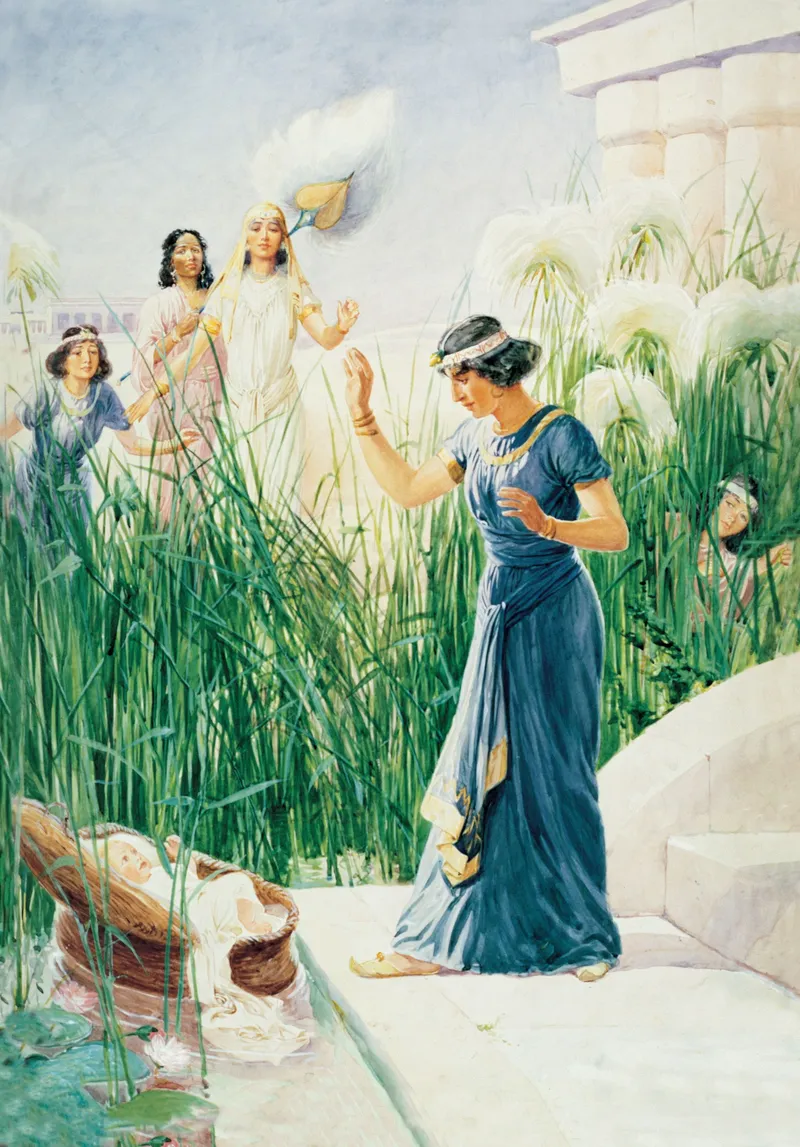
Esther 2:1-14Let There Be Fair Young Virgins Sought
1After these things, when the wrath of king Ahasuerus was appeased, he remembered Vashti, and what she had done, and what was decreed against her. 2Then said the king’s servants that ministered unto him, Let there be fair young virgins sought for the king: 3And let the king appoint officers in all the provinces of his kingdom, that they may gather together all the fair young virgins unto Shushan the palace, to the house of the women, unto the custody of Hege the king’s chamberlain, keeper of the women; and let their things for purification be given them: 4And let the maiden which pleaseth the king be queen instead of Vashti. And the thing pleased the king; and he did so.
The chapter opens in a strange, quiet aftermath: when the wrath of king Ahasuerus was appeased, he remembered Vashti, and what she had done, and what was decreed against her (v. 1). The fury that drove the previous chapter has burned itself out, and what is left is an empty place. The text does not say the king regrets the decree - the law of the Medes and Persians could not be undone - but it lets us feel the void it left.
There was a queen; now there is none. Into that silence the king's servants step with a remedy: Let there be fair young virgins sought for the king (v. 2). Notice how naturally the proposal flows from the shape of absolute power. A throne is empty, so officers are dispatched across every province to gather young women - the realm simply reaches out and takes. There is nothing here of God; there is only a wounded king, a clever court, and the long arm of an empire.
And yet this is exactly where the unnamed hand begins to move - in an ordinary palace decision that no one would have marked as the opening of a rescue.1
The plan the servants lay out is sweeping: let the king appoint officers in all the provinces of his kingdom, that they may gather together all the fair young virgins unto Shushan the palace, to the house of the women, unto the custody of Hege the king's chamberlain (v. 3). The scale of it mirrors the scale of the kingdom itself - Ahasuerus rules from India to Ethiopia, and the search runs to the edges of his power.
Young women are taken from their homes and families and brought to the citadel of Shushan, into a guarded house of the women, given over to the keeper's care and to a long preparation. The verses make no comment on the human cost of this; they simply report it, the way the book reports the workings of empire throughout - plainly, without flinching and without moralizing. And let the maiden which pleaseth the king be queen instead of Vashti. And the thing pleased the king; and he did so (v. 4).
The whole apparatus is set in motion to fill one vacancy. What no one in the court can see is that the search is about to sweep up the very person heaven has prepared for the throne.
5Now in Shushan the palace there was a certain Jew, whose name was Mordecai, the son of Jair, the son of Shimei, the son of Kish, a Benjamite; 6Who had been carried away from Jerusalem with the captivity which had been carried away with Jeconiah king of Judah, whom Nebuchadnezzar the king of Babylon had carried away. 7And he brought up Hadassah, that is, Esther, his uncle’s daughter: for she had neither father nor mother, and the maid was fair and beautiful; whom Mordecai, when her father and mother were dead, took for his own daughter.
The camera now turns from the palace to a single household within the city: Now in Shushan the palace there was a certain Jew, whose name was Mordecai… a Benjamite; who had been carried away from Jerusalem with the captivity (vv. 5-6). Mordecai is named through his fathers - Jair, Shimei, Kish - and that last name quietly recalls another Kish, the father of Saul, Israel's first king, the most famous Benjamite of all. He is a man of the exile, descended from those Nebuchadnezzar tore from Jerusalem and carried to Babylon, now living far from the ruined temple in the heart of a foreign empire.
He has every reason to feel forgotten by God - a displaced man, generations from home, with no land, no throne, no temple to anchor him. And it is precisely such a man, in such a place, whom the chapter sets at the center of a deliverance. The exile that looks like the death of Israel's hope is the very soil in which the next rescue is quietly planted.
Then we meet the one the whole book is named for: And he brought up Hadassah, that is, Esther, his uncle's daughter: for she had neither father nor mother… whom Mordecai, when her father and mother were dead, took for his own daughter (v. 7). Every word here strips her of standing in the world's reckoning. She is an orphan - she had neither father nor mother. She belongs to a captive people. She is a young woman with no power of her own in a court ruled by men.
By every measure that decides status in her world, she has nothing. What she has is one cousin who loved her enough to take her as his own daughter. The text lingers on her need before it ever mentions the crown, and the order is the point. Scripture has a long habit of reaching past the obvious candidates - the younger son, the barren woman, the foreign widow - and lifting up exactly the one the world would overlook.
Esther stands in that line. Her emptiness of every inherited claim is not the obstacle to her calling; in the strange arithmetic of providence, it is the opening for it.
8So it came to pass, when the king’s commandment and his decree was heard, and when many maidens were gathered together unto Shushan the palace, to the custody of Hegai, that Esther was brought also unto the king’s house, to the custody of Hegai, keeper of the women. 9And the maiden pleased him, and she obtained kindness of him; and he speedily gave her her things for purification, with such things as belonged to her, and seven maidens, which were meet to be given her, out of the king’s house: and he preferred her and her maids unto the best place of the house of the women. 10Esther had not shewed her people nor her kindred: for Mordecai had charged her that she should not shew it. 11And Mordecai walked every day before the court of the women’s house, to know how Esther did, and what should become of her.
Esther is swept up with the rest: when many maidens were gathered together… that Esther was brought also unto the king's house, to the custody of Hegai (v. 8). She does not volunteer; she is brought, carried along by a decree she did not make, into a situation she did not choose. And here the chapter sounds for the first time a word it will repeat like a heartbeat: the maiden pleased him, and she obtained kindness of him (v. 9).
Hegai does not merely tolerate her - he favors her, and acts on it at once, speedily giving her what she needs, assigning her seven maidens, and moving her to the best place of the house of the women. Nothing in the text says Esther engineered any of this. She is, by all appearances, simply herself - and favor keeps finding her. This is how the book teaches providence: by a quiet, repeated, unexplained kindness landing on the right person at the right moment.
The hand that is never named is the hand tilting every heart in this house toward the orphan girl.2
Second: Mordecai walked every day before the court of the women's house, to know how Esther did, and what should become of her (v. 11). He does not vanish once she is taken behind palace walls. Every single day he paces the edge of the women's court, watching, asking, refusing to let go of his care for her. There is something deeply moving in that faithfulness - a guardian who keeps watch even when he can do nothing but watch.
The chapter is quietly building its case: a hidden identity, a watchful guardian, a favored girl. None of it looks like deliverance. All of it is.
12Now when every maid’s turn was come to go in to king Ahasuerus, after that she had been twelve months, according to the manner of the women, (for so were the days of their purifications accomplished, to wit, six months with oil of myrrh, and six months with sweet odours, and with other things for the purifying of the women;) 13Then thus came every maiden unto the king; whatsoever she desired was given her to go with her out of the house of the women unto the king’s house. 14In the evening she went, and on the morrow she returned into the second house of the women, to the custody of Shaashgaz, the king’s chamberlain, which kept the concubines: she came in unto the king no more, except the king delighted in her, and that she were called by name.
The chapter pauses to describe the preparation itself, and the length of it is staggering: after that she had been twelve months, according to the manner of the women… six months with oil of myrrh, and six months with sweet odours, and with other things for the purifying of the women (v. 12). A full year to be made ready for a single audience with the king. It is a window into the world Esther has been drawn into - a court of overwhelming luxury and overwhelming control, where a young woman's entire being is shaped, scented, and perfected for one man's pleasure.
The text reports it without applause and without protest; this is simply the manner of the women in such a place. And then the cost of it surfaces in verse 14: In the evening she went, and on the morrow she returned into the second house of the women… she came in unto the king no more, except the king delighted in her, and that she were called by name. Most of these women have one night and then a lifetime in the house of concubines, set aside, summoned again only if the king happens to want them.
The chapter does not pretend this is anything but what it is. Yet it is into exactly this place, a hard and gilded court, that providence has set its chosen vessel. God's preparations are not confined to safe and holy rooms.
Esther 2:15-18She Obtained Favour in the Sight of All
15Now when the turn of Esther, the daughter of Abihail the uncle of Mordecai, who had taken her for his daughter, was come to go in unto the king, she required nothing but what Hegai the king’s chamberlain, the keeper of the women, appointed. And Esther obtained favour in the sight of all them that looked upon her. 16So Esther was taken unto king Ahasuerus into his house royal in the tenth month, which is the month Tebeth, in the seventh year of his reign.
When Esther's turn finally comes, the text marks a striking contrast with everything that has gone before: she required nothing but what Hegai the king's chamberlain, the keeper of the women, appointed (v. 15). Every other maiden could take whatever she wished from the house of the women to carry in to the king - jewels, fine garments, whatever might catch his eye. Esther asks for none of it. She trusts the judgment of the one man who knows best what the king delights in, and goes in with only what he counsels.
There is real wisdom in that restraint, and real character: she does not grasp, does not perform, does not try to manufacture her own appeal. And the result is summed up in a line that gathers up the whole movement of the chapter: And Esther obtained favour in the sight of all them that looked upon her. Not the favor of the king only, but of all who saw her. The same quiet grace that won Hegai now reaches everyone.
The book is teaching us to read favor itself as a kind of evidence - the fingerprint of a providence that is gently turning every face toward her, through a grace she never sought to manufacture.
The narrative anchors the moment with the precision of a court record: So Esther was taken unto king Ahasuerus into his house royal in the tenth month, which is the month Tebeth, in the seventh year of his reign (v. 16). The naming of the month and the regnal year is the book's way of insisting this is no legend floating free of time - it happened, here, on a datable day in a real reign.
Four years have passed since Vashti was set aside, and now the orphan of the captivity is brought into the royal house. The same careful dating will matter later, when the timing of these events proves to be everything. For now it simply grounds the wonder in fact: on a particular day in the month Tebeth, a hidden Jewess was carried to the king who did not know what he was receiving. The court saw a beautiful maiden taking her turn.
Heaven was setting a deliverer on a throne.
17And the king loved Esther above all the women, and she obtained grace and favour in his sight more than all the virgins; so that he set the royal crown upon her head, and made her queen instead of Vashti. 18Then the king made a great feast unto all his princes and his servants, even Esther’s feast; and he made a release to the provinces, and gave gifts, according to the state of the king.
The chapter reaches its crest: the king loved Esther above all the women, and she obtained grace and favour in his sight more than all the virgins; so that he set the royal crown upon her head, and made her queen instead of Vashti (v. 17). The empty throne that opened the chapter is filled, and it is filled by the least likely person in the empire: an orphan of a captive people, raised by a cousin in exile.
The crown that men dispatched officers across a hundred and twenty-seven provinces to find rests at last on the head of a girl who required nothing. And the king crowns her with joy: Then the king made a great feast unto all his princes and his servants, even Esther's feast; and he made a release to the provinces, and gave gifts, according to the state of the king (v. 18). The whole realm is given a holiday and gifts in her honor.
The book that began with Vashti's feast and the king's rage now gives us a feast of gladness, with an unknown daughter of Israel at its center. No one toasting at that banquet knows whose hand has done this - that the queen they are honoring was set in this place for a day none of them can foresee.
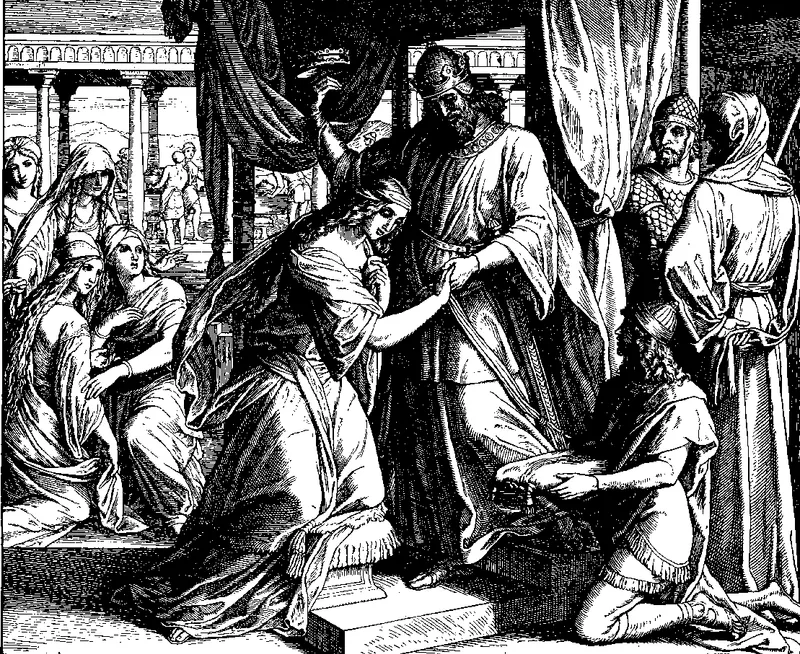
Esther 2:19-23It Was Written in the Book of the Chronicles
19And when the virgins were gathered together the second time, then Mordecai sat in the king’s gate. 20Esther had not yet shewed her kindred nor her people; as Mordecai had charged her: for Esther did the commandment of Mordecai, like as when she was brought up with him. 21In those days, while Mordecai sat in the king’s gate, two of the king’s chamberlains, Bigthan and Teresh, of those which kept the door, were wroth, and sought to lay hand on the king Ahasuerus. 22And the thing was known to Mordecai, who told it unto Esther the queen; and Esther certified the king thereof in Mordecai’s name. 23And when inquisition was made of the matter, it was found out; therefore they were both hanged on a tree: and it was written in the book of the chronicles before the king.
The scene shifts to the place where the public life of the empire was transacted: then Mordecai sat in the king's gate (v. 19). The gate of an ancient city or palace was its civic heart - where officials sat, where business was done, where justice was administered and news passed from mouth to mouth. For Mordecai to sit there suggests he now holds some position, some standing in the royal administration; he is no longer merely pacing the women's court but seated among those with a place in the king's affairs.
And the narrative pauses to reaffirm the secret still held: Esther had not yet shewed her kindred nor her people; as Mordecai had charged her: for Esther did the commandment of Mordecai, like as when she was brought up with him (v. 20). She is queen now - she could throw off a guardian's authority - yet she still keeps faith with Mordecai exactly as she did as a child in his house. The crown has not changed her character.
That continued obedience, and that continued concealment, are the two threads on which the whole rescue will one day hang.
Now comes the event that looks like a stray detail and turns out to be a hinge of the entire book: two of the king's chamberlains, Bigthan and Teresh, of those which kept the door, were wroth, and sought to lay hand on the king Ahasuerus (v. 21). Two men close to the throne, angry over something the text does not bother to name, conspire to murder the king. And it is precisely because Mordecai sat in the king's gate - at the crossroads of the palace, where words travel - that the plot reaches his ears.
And the thing was known to Mordecai, who told it unto Esther the queen; and Esther certified the king thereof in Mordecai's name (v. 22). Notice the chain of providence at work: Mordecai is in the right place to hear; Esther is in the right place to be told and to carry the warning to the king; and the warning goes up in Mordecai's name. Two people heaven has quietly positioned - a watchful man in the gate and a hidden queen on the throne - are now joined to save the king's life.
Neither of them is doing anything dramatic. They are simply being faithful where they have been set. And that faithfulness is the thread the next deliverance will be pulled by.
The plot is run down and judged: when inquisition was made of the matter, it was found out; therefore they were both hanged on a tree (v. 23). And then comes the small clause that the whole book hangs upon: and it was written in the book of the chronicles before the king. Mordecai seeks no reward; the text records none given. His good deed is simply written down in the royal annals and, to all appearances, forgotten - one more entry in a court's endless record-keeping.
But it is written. It is preserved. And the reader who knows the story ahead feels the floorboard creak under that quiet line, because there will come a sleepless night when the king calls for the book of the chronicles to be read aloud, and this very entry will surface at the one moment it can save everything. Nothing faithful is lost here. The deed that no one thanked Mordecai for is being kept, against a day he cannot foresee.
The chapter that began with a forgotten queen ends with a remembered deed - and the God who is never named is shown, even in a pagan king's record-book, to be the One who forgets nothing done in faith.
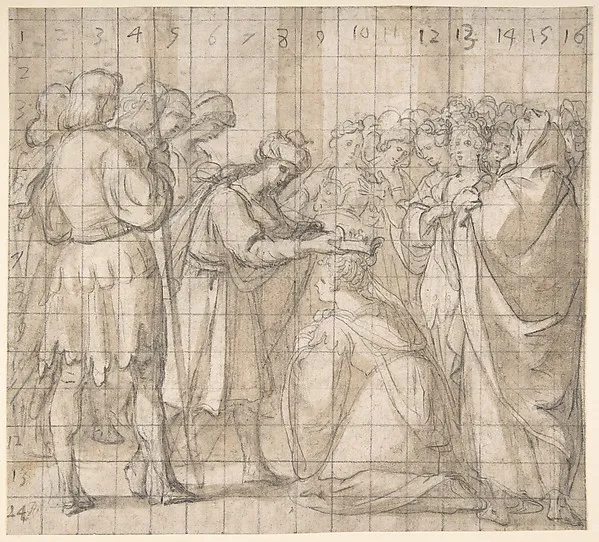
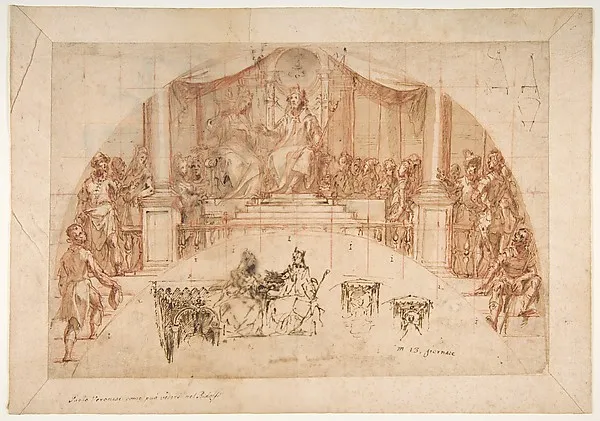
Research trail
Sources & further study
These references support the historical, linguistic, manuscript, and contextual notes in this chapter. Scripture remains the primary text; external sources are provided so readers can inspect the research directly.
- Esther 2 - Translators' NotesThe NET Bible's detailed footnotes on Esther 2 - the royal search and the house of the women (vv. 2-4), the twelve months of purification (v. 12), the Persian court setting of Shushan, and the historical names Hegai, Shaashgaz, Bigthan, and Teresh in the king's household.
- Esther 2 ↔ Genesis 45 · Romans 8 · Ephesians 1 · Galatians 4Traces the threads tying Esther 2 to the rest of Scripture - the orphan raised to royal place and the deed recorded before the danger (vv. 15-23) read alongside Joseph sent ahead to preserve life (Gen. 45:5), the God who works all things… together for good (Rom. 8:28) and after the counsel of his own will (Eph. 1:11), and the deliverer sent when the fulness of the time was come (Gal. 4:4).
- Esther 2 · Hebrew + classical Jewish commentaryThe Hebrew text of Esther 2 with Rashi, Ibn Ezra, and other classical commentators side by side - useful for chen (the “favour” and “grace” Esther repeatedly finds, vv. 9, 15, 17), for the two names Hadassah and Esther (v. 7), and for the much-noted absence of the divine name across the whole book.
Where this echoes in Scripture
Let There Be Fair Young Virgins Sought
- Genesis 45:5be not grieved, nor angry with yourselves, that ye sold me hither: for God did send me before you to preserve life.The same pattern as this section - a deliverer positioned ahead of time, through ordinary and even painful means.
- Esther 4:14who knoweth whether thou art come to the kingdom for such a time as this?The line that will finally name what is happening here - Esther set in place for a deliverance not yet seen.
- Proverbs 21:1The king's heart is in the hand of the LORD, as the rivers of water: he turneth it whithersoever he will.The unseen hand behind the favor of Hegai and the king (v. 9) - God turning hearts where He wills.
- 1 Samuel 16:7the LORD seeth not as man seeth; for man looketh on the outward appearance, but the LORD looketh on the heart.The orphan with no standing chosen (v. 7) - God reaching past what the world counts as status.
- Daniel 1:9Now God had brought Daniel into favour and tender love with the prince of the eunuchs.The same quiet providence among the exiles - God granting His own favor in a foreign court, just as Esther obtains kindness of Hegai (v. 9).
She Obtained Favour in the Sight of All
- Genesis 6:8But Noah found grace in the eyes of the LORD.The same word for favor (chen) as verse 15 - grace freely given in the eyes of another.
- 1 Samuel 2:8He raiseth up the poor out of the dust, and lifteth up the beggar from the dunghill, to set them among princes.Hannah's song of the very reversal of verse 17 - the lowly lifted to a throne by God.
- Luke 1:52He hath put down the mighty from their seats, and exalted them of low degree.Mary's song of the same pattern - the orphan crowned over the noble, the low degree exalted.
- Psalm 75:6-7For promotion cometh neither from the east, nor from the west... But God is the judge: he putteth down one, and setteth up another.The truth underneath Esther's rise (v. 17) - exaltation comes from God, who sets up and puts down.
- James 4:10Humble yourselves in the sight of the Lord, and he shall lift you up.The path Esther walks - she required nothing (v. 15), and was lifted up.
It Was Written in the Book of the Chronicles
- Malachi 3:16a book of remembrance was written before him for them that feared the LORD, and that thought upon his name.Heaven's own book of the chronicles - the record nothing faithful falls out of, behind the king's record in verse 23.
- Hebrews 6:10For God is not unrighteous to forget your work and labour of love.The promise behind Mordecai's unrewarded deed (v. 23) - God does not forget faithful work.
- Esther 6:1-3On that night could not the king sleep, and he commanded to bring the book of records of the chronicles... and it was found written, that Mordecai had told.The payoff of verse 23 - the recorded deed surfacing on a sleepless night, exactly when it is needed.
- Matthew 10:42whosoever shall give to drink unto one of these little ones a cup of cold water only... he shall in no wise lose his reward.The principle of the king's record raised to heaven's - no faithful deed, however small, is lost.
- Genesis 50:20ye thought evil against me; but God meant it unto good... to save much people alive.The whole logic of the chapter - a hidden hand turning the plots and machinery of others toward the saving of many.