Luke 1
People in this chapter
Luke opens with a historian's care. Forasmuch as many have taken in hand to set forth in order a declaration of those things which are most surely believed among us (v. 1), he writes, and explains his own method - he has had perfect understanding of all things from the very first and means to write… in order, most excellent Theophilus, that thou mightest know the certainty of those things, wherein thou hast been instructed (vv. 3-4).
This is the only Gospel that begins by telling you why it was written and how. The wonders that follow - an angel in the temple, a virgin's conception, two prophetic songs - are not offered as legend or pious feeling but as certainty, set down in order so a reader can stake his life on them.1
Tap any highlighted phrase to jump to the commentary that unpacks it.
Luke 1:1-4That Thou Mightest Know the Certainty
1Forasmuch as many have taken in hand to set forth in order a declaration of those things which are most surely believed among us, 2Even as they delivered them unto us, which from the beginning were eyewitnesses, and ministers of the word; 3It seemed good to me also, having had perfect understanding of all things from the very first, to write unto thee in order, most excellent Theophilus, 4That thou mightest know the certainty of those things, wherein thou hast been instructed.
Alone among the Gospels, Luke opens with a formal preface, and it reads like the careful introduction of an ancient historian. Forasmuch as many have taken in hand to set forth in order a declaration of those things which are most surely believed among us, even as they delivered them unto us, which from the beginning were eyewitnesses, and ministers of the word (vv. 1-2). Luke names his sources and his standard. Many have already attempted accounts; behind them all stand the eyewitnesses, those who were there from the beginning and who handed on what they saw.
These are testimonies traced back to people who watched the events with their own eyes. And Luke sets himself to the same task with deliberate thoroughness: having had perfect understanding of all things from the very first, to write… in order (v. 3). He has investigated, traced, and arranged. The Gospel that will give us the manger, the Magnificat, and the prodigal son begins by quietly insisting that it is built on careful inquiry, not invention.1
The preface is addressed to one man and aimed at one goal. To write unto thee… most excellent Theophilus, that thou mightest know the certainty of those things, wherein thou hast been instructed (vv. 3-4). The name Theophilus means “friend of God” or “loved by God,” and the title most excellent suggests a man of some rank; he has already been instructed in the faith and now is to be given its sure foundation.
The key word is certainty. Luke writes so that what Theophilus has heard can be known as solid, dependable, true - a certainty to build a life upon, not an inspiring tale told from a distance. This matters for how the whole chapter is to be read. The wonders that follow - an angel by the altar, a virgin's conception, two Spirit-filled songs - are not floated as legend that asks only for a sympathetic mood.
They are set down as the very certainty a person can build a life upon. The reader is invited from the first verse to treat what comes next as fact handed down from those who were there, ordered with care, and meant to be believed.
Luke 1:5-11Righteous Before God
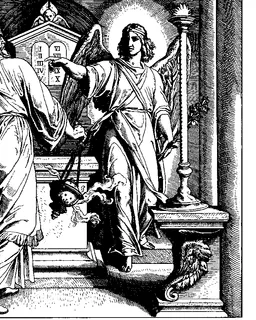
5There was in the days of Herod, the king of Judaea, a certain priest named Zacharias, of the course of Abia: and his wife was of the daughters of Aaron, and her name was Elisabeth. 6And they were both righteous before God, walking in all the commandments and ordinances of the Lord blameless. 7And they had no child, because that Elisabeth was barren, and they both were now well stricken in years. 9According to the custom of the priest’s office, his lot was to burn incense when he went into the temple of the Lord. 11And there appeared unto him an angel of the Lord standing on the right side of the altar of incense.
Luke 1:13-19In the Spirit and Power of Elias
13But the angel said unto him, Fear not, Zacharias: for thy prayer is heard; and thy wife Elisabeth shall bear thee a son, and thou shalt call his name John. 15For he shall be great in the sight of the Lord, and shall drink neither wine nor strong drink; and he shall be filled with the Holy Ghost, even from his mother’s womb. 17And he shall go before him in the spirit and power of Elias, to turn the hearts of the fathers to the children, and the disobedient to the wisdom of the just; to make ready a people prepared for the Lord. 18And Zacharias said unto the angel, Whereby shall I know this? for I am an old man, and my wife well stricken in years. 19And the angel answering said unto him, I am Gabriel, that stand in the presence of God; and am sent to speak unto thee, and to shew thee these glad tidings.
The story begins, fittingly, in the temple, with a priest at his duty. Zacharias and Elisabeth are both righteous before God, walking in all the commandments and ordinances of the Lord blameless (v. 6) - and yet they had no child… and they both were now well stricken in years (v. 7). Luke joins two facts that the world assumes cannot stand together: genuine faithfulness, and unanswered longing. These were good people who had prayed for a child for decades and grown old without one.
In the ancient world childlessness was felt as a reproach, and theirs had now run past hope. It is into exactly this place - a faithful life with an old, aching, apparently closed door - that the angel comes. While Zacharias burns incense in the holy place, the appointed symbol of the people's prayers rising to God, an angel appears at the altar and says, Fear not, Zacharias: for thy prayer is heard; and thy wife Elisabeth shall bear thee a son, and thou shalt call his name John (v. 13).
The prayer he had likely stopped praying was heard after all. God's timing is not God's forgetting.
The angel describes the child in terms that reach back across four silent centuries. He will be great in the sight of the Lord, set apart from wine like a Nazarite, and filled with the Holy Ghost, even from his mother's womb (v. 15). And then the heart of his calling: he shall go before him in the spirit and power of Elias, to turn the hearts of the fathers to the children, and the disobedient to the wisdom of the just; to make ready a people prepared for the Lord (v. 17).
Every phrase is loaded. The last words of the Old Testament had promised that God would send Elijah before the great day of the LORD, to turn the heart of the fathers to the children - and here that very promise is being kept. John will not be Elijah, but he will come in the spirit and power of Elias, doing Elijah's work of calling a people back to God. His whole life is defined by a direction: he goes before another, to make ready a people prepared. A forerunner exists for the sake of the one who follows.
That self-effacing purpose is stamped on John before he is even born.
Luke 1:20-25To Take Away My Reproach
20And, behold, thou shalt be dumb, and not able to speak, until the day that these things shall be performed, because thou believest not my words, which shall be fulfilled in their season. 24And after those days his wife Elisabeth conceived, and hid herself five months, saying, 25Thus hath the Lord dealt with me in the days wherein he looked on me, to take away my reproach among men.
Zacharias, the blameless old priest, hears the impossible promise and falters: Whereby shall I know this? for I am an old man, and my wife well stricken in years (v. 18). It is an honest objection, the arithmetic of a lifetime of disappointment - but at the altar of God, with an angel before him, it is also unbelief, and the answer is grave. I am Gabriel, that stand in the presence of God; and am sent to speak unto thee, and to shew thee these glad tidings (v. 19).
The messenger comes from the immediate presence of God; his word is not to be weighed and doubted like a rumour. And, behold, thou shalt be dumb, and not able to speak, until the day that these things shall be performed, because thou believest not my words (v. 20). The sign Zacharias asked for becomes his silence. It is striking to set this beside Mary's response a few verses later: she too will ask how (v. 34), yet hers is the question of faith seeking understanding, and his is doubt looking for proof.
The same God who is patient with honest questions does not let a priest stand at His altar and treat His promise as unbelievable without consequence - and yet even the silence is merciful, a discipline that will end in a song.
The scene closes quietly, with Elisabeth and the long-shut door now open. After those days his wife Elisabeth conceived, and hid herself five months (v. 24). Why she hid is not explained - perhaps to guard the wonder in private, perhaps in sheer overwhelmed wonder - but her words when they come are full of feeling: Thus hath the Lord dealt with me in the days wherein he looked on me, to take away my reproach among men (v. 25).
She had borne the ache of barrenness for years, and felt it as a reproach. Now she names what has happened with simple worship: the Lord has dealt with her; he looked on her. She joins a long line of women in Scripture - Sarah, Rebekah, Rachel, Hannah - whose closed wombs God opened for His own purposes, and whose late and longed-for sons became hinges of His plan. Elisabeth's joy is not merely that her sorrow is lifted; it is that God looked on her, that she was seen by Him after the long silence.
The same God who hears the prayer he seemed to ignore is the God who looks on the one the world overlooked.
Luke 1:26-30Thou That Art Highly Favoured
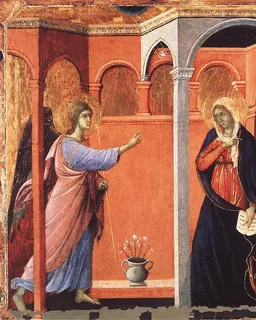
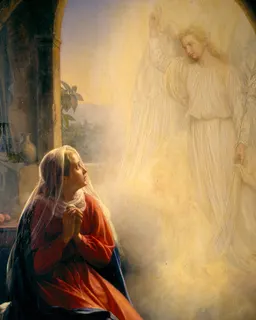
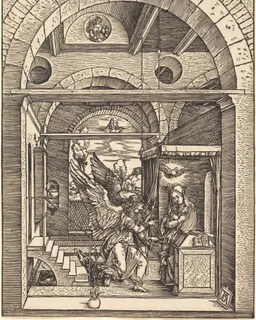
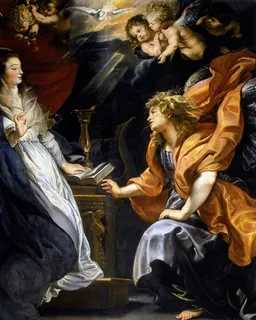
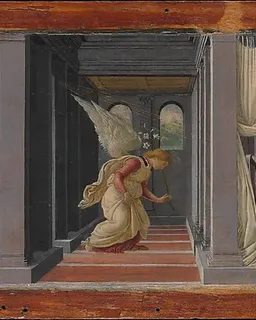
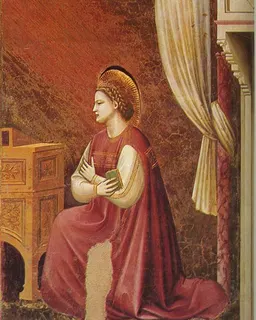
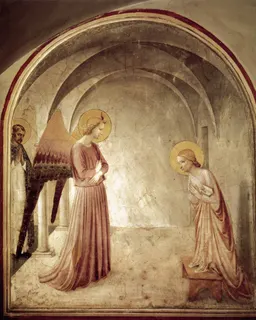
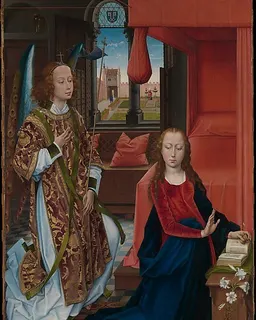
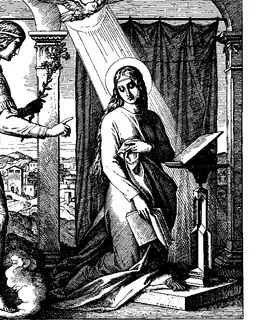
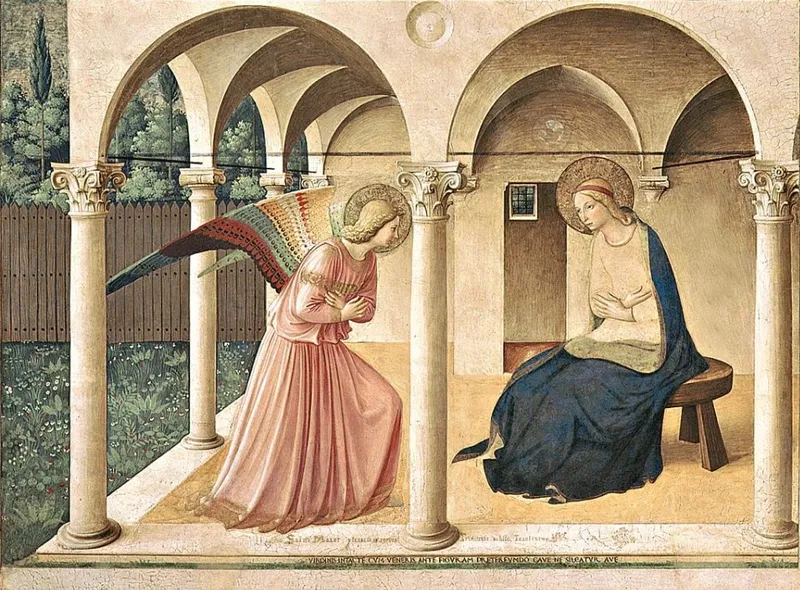
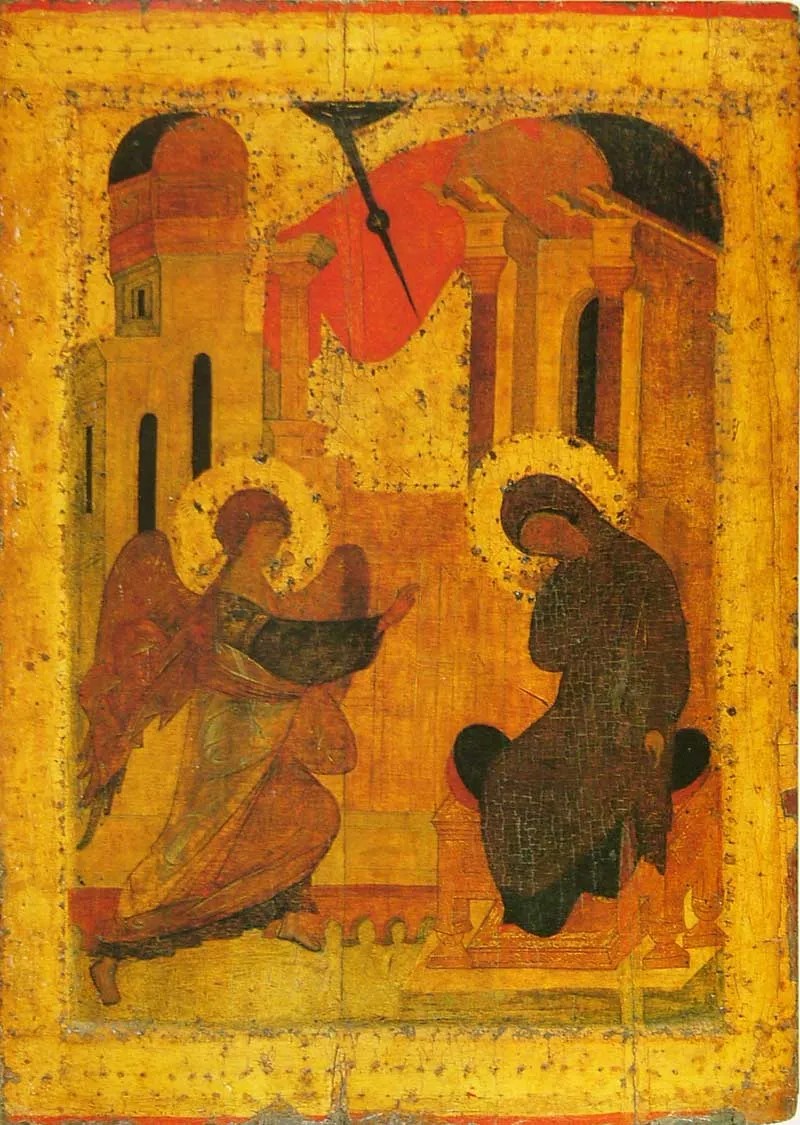
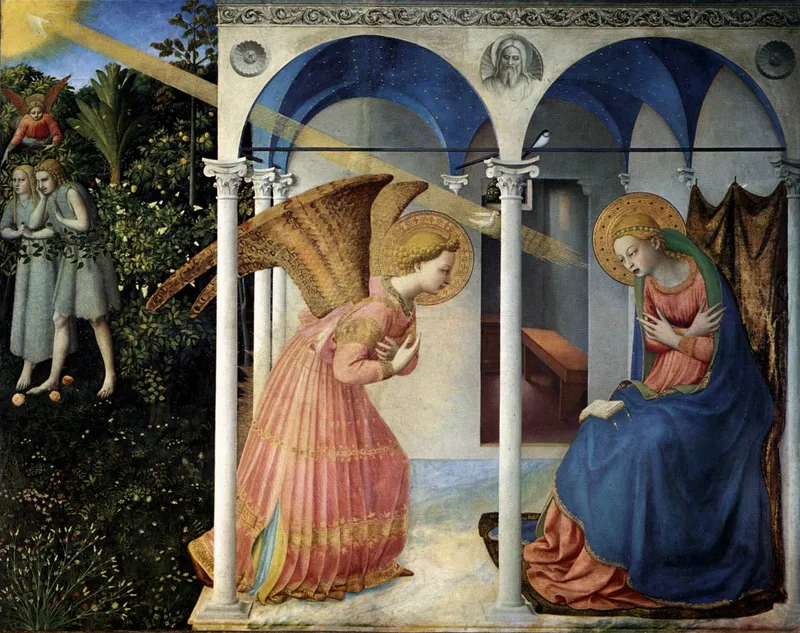
26And in the sixth month the angel Gabriel was sent from God unto a city of Galilee, named Nazareth, 27To a virgin espoused to a man whose name was Joseph, of the house of David; and the virgin’s name was Mary. 28And the angel came in unto her, and said, Hail, thou that art highly favoured, the Lord is with thee: blessed art thou among women. 29And when she saw him, she was troubled at his saying, and cast in her mind what manner of salutation this should be. 30And the angel said unto her, Fear not, Mary: for thou hast found favour with God.
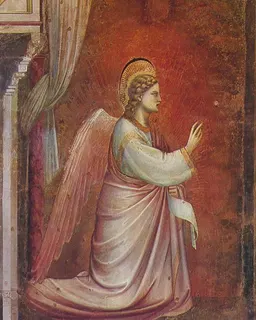
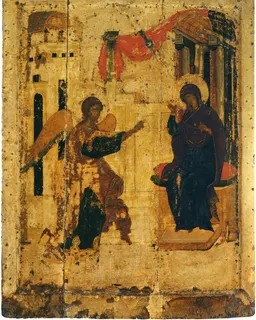
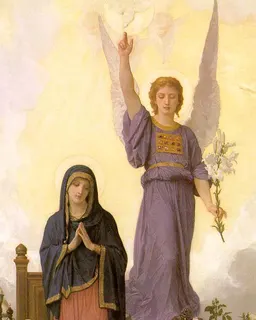
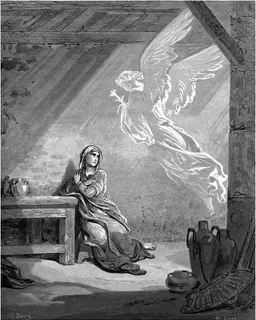
Everything about the setting is small. In the sixth month the angel Gabriel was sent from God unto a city of Galilee, named Nazareth, to a virgin espoused to a man whose name was Joseph, of the house of David; and the virgin's name was Mary (vv. 26-27). Nazareth was an obscure village, so unremarkable that men would later ask whether anything good could come out of it. Mary is a young woman, unmarried though espoused, with no rank or fame to her name.
The one detail that carries weight is that her betrothed is of the house of David - for through that line the coming child will be the legal heir of David's throne. To this hidden person, in this hidden place, the same Gabriel who stood by the temple altar is now sent. Luke draws the contrast on purpose: the announcement of the forerunner came in Jerusalem, in the temple, to a priest at the centre of the nation's worship; the announcement of the Lord Himself comes in a backwater town, to a teenage girl in an ordinary house.
God's greatest work begins where no one is looking.
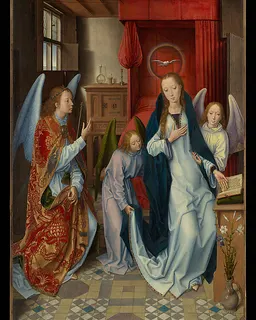
The greeting itself unsettles her before its content does. Hail, thou that art highly favoured, the Lord is with thee: blessed art thou among women (v. 28). Mary was troubled at his saying, and cast in her mind what manner of salutation this should be (v. 29). She is not frightened by the mere appearance so much as puzzled by the words - why such a greeting should come to her. The angel's reassurance goes straight to the ground of it: Fear not, Mary: for thou hast found favour with God (v. 30).
The favour is real and it is named, but notice its source - it is favour found with God, grace freely shown to her. Mary is greeted as one to whom God has shown remarkable kindness and whom God has chosen for a unique honour among women. The text gives her this honour plainly and fully; it neither shrinks it nor inflates it beyond what is written. She is the favoured one, the blessed-among-women, the chosen mother of the Lord - and all of it flows from grace freely given, the same grace the whole chapter will go on to sing about.
Luke 1:31-35The Throne of His Father David
31And, behold, thou shalt conceive in thy womb, and bring forth a son, and shalt call his name JESUS. 32He shall be great, and shall be called the Son of the Highest: and the Lord God shall give unto him the throne of his father David: 33And he shall reign over the house of Jacob for ever; and of his kingdom there shall be no end. 34Then said Mary unto the angel, How shall this be, seeing I know not a man? 35And the angel answered and said unto her, The Holy Ghost shall come upon thee, and the power of the Highest shall overshadow thee: therefore also that holy thing which shall be born of thee shall be called the Son of God.
Then comes the announcement that turns history: thou shalt conceive in thy womb, and bring forth a son, and shalt call his name JESUS (v. 31). The name is given from heaven, as John's was, and it means the LORD saves. And the angel piles title on title: He shall be great, and shall be called the Son of the Highest: and the Lord God shall give unto him the throne of his father David: and he shall reign over the house of Jacob for ever; and of his kingdom there shall be no end (vv. 32-33).
Every clause reaches back to the oldest promises of Israel. The throne of his father David, a reign over the house of Jacob, a kingdom that will never end - this is the ancient covenant God swore to David, that his throne would be established for ever. The child Mary will bear is not merely a great prophet or a good teacher; He is the long-promised King, the heir of David in whom the eternal kingdom finally comes.
And Mary's question is not Zacharias's doubt but faith seeking understanding: How shall this be, seeing I know not a man? (v. 34). She does not ask whether but how. She believes the word; she only wants to understand the way.
The angel's answer to her how is among the most carefully weighted sentences in Scripture: The Holy Ghost shall come upon thee, and the power of the Highest shall overshadow thee: therefore also that holy thing which shall be born of thee shall be called the Son of God (v. 35). The conception will not be by a man; it will be by the direct action of God's own Spirit. The word overshadow recalls the cloud of God's presence that once filled the tabernacle and overshadowed the mercy seat - the very glory of God settling upon a place.
Here that glory settles upon Mary, and the child conceived is therefore called the Son of God. Luke states this plainly and does not try to dissect it; he simply records what the angel said. The child is that holy thing, set apart and pure from the first moment of His existence, and He is the Son of God because His origin is God Himself. And to confirm that nothing is too hard, the angel offers a sign Mary can see for herself: thy cousin Elisabeth, she hath also conceived a son in her old age… who was called barren (v. 36).
One closed womb already opened, as proof that this far greater wonder can be trusted.1
Luke 1:36-38Be It Unto Me According to Thy Word
36And, behold, thy cousin Elisabeth, she hath also conceived a son in her old age: and this is the sixth month with her, who was called barren. 37For with God nothing shall be impossible. 38And Mary said, Behold the handmaid of the Lord; be it unto me according to thy word. And the angel departed from her.
The angel gathers it all into one sweeping promise: For with God nothing shall be impossible (v. 37). It is the hinge of the whole chapter - the barren conceive, the virgin conceives, the kingdom comes, because the One making the promise is God, with whom no word is void of power. And then comes Mary's answer, and it is the bravest sentence in the chapter: Behold the handmaid of the Lord; be it unto me according to thy word (v. 38).
She does not yet know what it will cost - the whispers in Nazareth, Joseph's near-divorce, the long road to Bethlehem, the sword Simeon will name, the cross at the end. She knows only that God has spoken, and she gives herself to it: be it unto me. She calls herself His handmaid, His servant, and places her whole life and body at His disposal. Here is faith in its purest form - not the demand for proof, but the open hands of trust.
The salvation of the world waited, in a sense, on the yes of an unknown girl in Nazareth; and she said it. And the angel departed from her - the visitor gone, the wonder begun, the rest of her life now bent around that one consent.
Luke 1:39-42The Babe Leaped in Her Womb
39And Mary arose in those days, and went into the hill country with haste, into a city of Juda; 40And entered into the house of Zacharias, and saluted Elisabeth. 41And it came to pass, that, when Elisabeth heard the salutation of Mary, the babe leaped in her womb; and Elisabeth was filled with the Holy Ghost: 42And she spake out with a loud voice, and said, Blessed art thou among women, and blessed is the fruit of thy womb.
Luke 1:43-45Blessed Is She That Believed
43And whence is this to me, that the mother of my Lord should come to me? 44For, lo, as soon as the voice of thy salutation sounded in mine ears, the babe leaped in my womb for joy. 45And blessed is she that believed: for there shall be a performance of those things which were told her from the Lord.
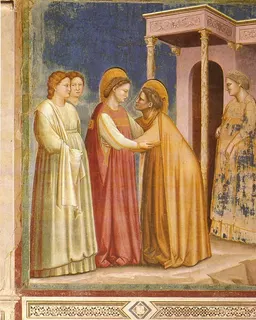
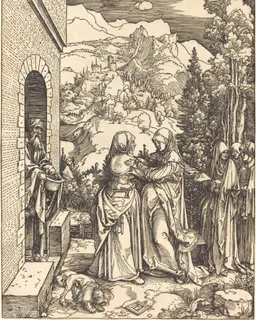
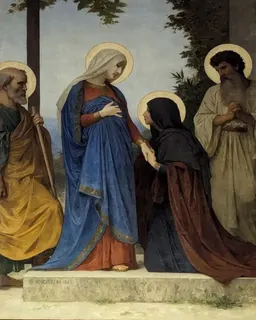
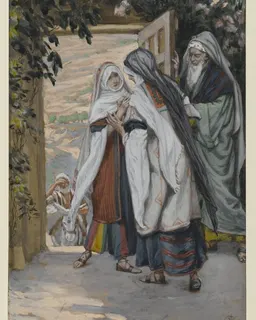
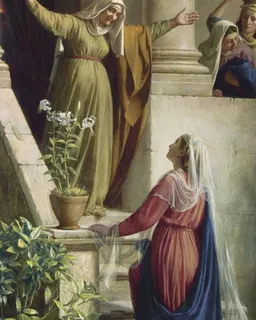
Mary arose… and went into the hill country with haste (v. 39) - the same eager haste the shepherds will show at the manger - to the home of Elisabeth, the one sign the angel had named. And the meeting is electric before a word of explanation is spoken: when Elisabeth heard the salutation of Mary, the babe leaped in her womb; and Elisabeth was filled with the Holy Ghost (v. 41). The unborn John responds to the nearness of the unborn Christ; the forerunner begins his work of recognition while still in the womb.
Then Elisabeth, Spirit-filled, cries out two blessings: Blessed art thou among women, and blessed is the fruit of thy womb (v. 42). The older woman, herself carrying a miracle, bows before the younger and the greater wonder she carries. And she asks the question of true humility: whence is this to me, that the mother of my Lord should come to me? (v. 43). She already calls the unborn child my Lord. She has not been told; the Spirit has shown her.
Two mothers, two miracles, and the whole scene charged with the joy of recognition - even the babe in the womb leaping for it.
Elisabeth's last word names the very thing that set Mary apart from Zacharias: blessed is she that believed: for there shall be a performance of those things which were told her from the Lord (v. 45). Zacharias had heard a promise and doubted, and was struck silent; Mary heard a promise and believed, and is here called blessed for it. The blessing is not only that she will bear the Christ - it is that she believed the word would be kept.
Elisabeth puts her finger on the heart of faith: trusting that what God has said, God will do, that there will be a performance of His word. This is the quiet theme braided through the whole chapter. Two impossible promises are made; one hearer doubts and one believes; and the believer is the one called blessed. Mary's greatness, like John's, is finally a greatness of relationship to the word and work of God - she trusted Him.
And it is out of that trust, having just been blessed for believing, that she opens her mouth and sings.
Luke 1:46-50My Soul Doth Magnify the Lord
46And Mary said, My soul doth magnify the Lord, 47And my spirit hath rejoiced in God my Saviour. 48For he hath regarded the low estate of his handmaiden: for, behold, from henceforth all generations shall call me blessed. 49For he that is mighty hath done to me great things; and holy is his name. 50And his mercy is on them that fear him from generation to generation.
Mary's song - the Magnificat - pours out, and its first movement is intensely personal. My soul doth magnify the Lord, and my spirit hath rejoiced in God my Saviour (vv. 46-47). She begins with God, calling Him my Saviour - a striking word from the lips of the one chosen to bear the Saviour; she counts herself among those He came to save. Then she marvels at what He has done for her: he hath regarded the low estate of his handmaiden… he that is mighty hath done to me great things; and holy is his name (vv. 48-49).
The wonder is precisely that He looked at her low estate - her smallness, her obscurity, her nobody-ness - and there did great things. Mary is not boasting; she is astonished. The mighty God noticed the unnoticed girl. And she sees that this is no isolated kindness but the very character of God: his mercy is on them that fear him from generation to generation (v. 50). What He has done in her, He has always been doing - showing mercy, looking on the lowly, keeping faith across the generations.
Luke 1:51-53He Hath Filled the Hungry With Good Things
51He hath shewed strength with his arm; he hath scattered the proud in the imagination of their hearts. 52He hath put down the mighty from their seats, and exalted them of low degree. 53He hath filled the hungry with good things; and the rich he hath sent empty away.
Luke 1:54-56In Remembrance of His Mercy
54He hath holpen his servant Israel, in remembrance of his mercy; 55As he spake to our fathers, to Abraham, and to his seed for ever. 56And Mary abode with her about three months, and returned to her own house.
Then the song widens from Mary's own story into the pattern of God's whole way of working in the world, and it becomes revolutionary. He hath shewed strength with his arm; he hath scattered the proud in the imagination of their hearts. He hath put down the mighty from their seats, and exalted them of low degree. He hath filled the hungry with good things; and the rich he hath sent empty away (vv. 51-53).
This is the great reversal that runs through all of Scripture and will run through the whole Gospel of Luke. God's arm works against the proud and the self-secure, and for the lowly and the empty-handed. The mighty are pulled down from their thrones; the low degree are lifted up. The hungry are filled with good things; the rich - those already full, who think they need nothing - are sent away empty. Those who trust in wealth or power, who are full of themselves, have no room to receive what God gives.
Grace fills the empty. Mary, the lowly handmaiden lifted to bear the King, has herself become the first proof of the pattern she sings. And she ends where the promises began: God hath holpen his servant Israel, in remembrance of his mercy; as he spake to our fathers, to Abraham, and to his seed for ever (vv. 54-55). The reversal is not a new whim; it is the keeping of an ancient mercy.
Luke 1:57-63His Name Is John
57Now Elisabeth’s full time came that she should be delivered; and she brought forth a son. 58And her neighbours and her cousins heard how the Lord had shewed great mercy upon her; and they rejoiced with her. 59And it came to pass, that on the eighth day they came to circumcise the child; and they called him Zacharias, after the name of his father. 60And his mother answered and said, Not so; but he shall be called John. 63And he asked for a writing table, and wrote, saying, His name is John. And they marvelled all.
Luke 1:64-69Blessed Be the Lord God of Israel
64And his mouth was opened immediately, and his tongue loosed, and he spake, and praised God. 66And all they that heard them laid them up in their hearts, saying, What manner of child shall this be! And the hand of the Lord was with him. 67And his father Zacharias was filled with the Holy Ghost, and prophesied, saying, 68Blessed be the Lord God of Israel; for he hath visited and redeemed his people, 69And hath raised up an horn of salvation for us in the house of his servant David;
The promise is kept, and the chapter's long silence breaks into speech. Elisabeth's full time came… and she brought forth a son (v. 57), and the neighbours rejoice that the Lord had shewed great mercy upon her (v. 58). At the circumcision on the eighth day, they assume the boy will be named for his father; but Elisabeth insists, Not so; but he shall be called John (v. 60). When they appeal to the still-speechless Zacharias, he asks for a writing tablet and settles it: His name is John. And they marvelled all (v. 63).
The name was the one Gabriel had given (v. 13); Zacharias, who once doubted the angel's word, now obeys it to the letter, and in writing that name he passes the test he had failed at the altar. And the moment he confirms the word of God, the discipline lifts: his mouth was opened immediately, and his tongue loosed, and he spake, and praised God (v. 64). The silence that began in unbelief ends in praise.
His first act of full obedience to the word is met at once by the gift of speech - and the very first thing the loosed tongue does is bless God. The neighbours, watching it all, are seized with awe: What manner of child shall this be! (v. 66).
Luke 1:70-77To Prepare His Ways
70As he spake by the mouth of his holy prophets, which have been since the world began: 72To perform the mercy promised to our fathers, and to remember his holy covenant; 73The oath which he sware to our father Abraham, 76And thou, child, shalt be called the prophet of the Highest: for thou shalt go before the face of the Lord to prepare his ways; 77To give knowledge of salvation unto his people by the remission of their sins,
Filled with the Holy Ghost, Zacharias prophesies - the song the church calls the Benedictus - and remarkably, it is mostly about the One his son will serve, with only a few lines turning to the infant in the room. Blessed be the Lord God of Israel; for he hath visited and redeemed his people, and hath raised up an horn of salvation for us in the house of his servant David (vv. 68-69). A horn in Scripture is an image of strength and victory; a horn of salvation raised up in the house of David is the mighty deliverer of David's line - the King the angel had named to Mary.
Zacharias sees that God is now performing the mercy promised to our fathers, keeping the oath which he sware to our father Abraham (vv. 72-73). Only then does he turn to the infant in the room: thou, child, shalt be called the prophet of the Highest: for thou shalt go before the face of the Lord to prepare his ways; to give knowledge of salvation unto his people by the remission of their sins (vv. 76-77).
Even a father's song over his newborn son is, at heart, about the greater One the son will announce. John's whole greatness is to go before and to point beyond.
Luke 1:78-80The Dayspring From On High
78Through the tender mercy of our God; whereby the dayspring from on high hath visited us, 79To give light to them that sit in darkness and in the shadow of death, to guide our feet into the way of peace. 80And the child grew, and waxed strong in spirit, and was in the deserts till the day of his shewing unto Israel.
The Benedictus rises to its most beautiful image at the end, and names the source of the whole salvation: Through the tender mercy of our God; whereby the dayspring from on high hath visited us, to give light to them that sit in darkness and in the shadow of death, to guide our feet into the way of peace (vv. 78-79). The word dayspring means the dawn, the rising of the sun - and it is a rising from on high, a sunrise that comes down from heaven to a world in night.
Picture it: people sitting in darkness, in the very shadow of death, unable to move or find their way - and over them, at last, the sun comes up. That is what the coming of Christ is, Zacharias sings: the dawn breaking on a long human night, light flooding in where there had only been shadow, and feet that were lost now able to find the way of peace. And all of it flows from the tender mercy of our God - mercy stooping down, pure gift from beginning to end.
The chapter that began in the temple's incense ends with the sunrise of God breaking over the world. Then Luke closes the door on John's childhood with a single quiet line: the child grew, and waxed strong in spirit, and was in the deserts till the day of his shewing unto Israel (v. 80) - the forerunner growing in hidden places, waiting for his hour.
Research trail
Sources & further study
These references support the historical, linguistic, manuscript, and contextual notes in this chapter. Scripture remains the primary text; external sources are provided so readers can inspect the research directly.
- Luke 1 - Translators' NotesThe NET Bible's detailed footnotes on Luke 1 - the careful historical preface to Theophilus (vv. 1-4), the angel's words to Zacharias and to Mary, the meaning of “overshadow” in verse 35, and the structure of the two great songs, the Magnificat (vv. 46-55) and the Benedictus (vv. 68-79).
- Luke 1 · Greek interlinear + lexiconThe Greek text of Luke 1 word by word, each term linked to its lexicon entry - useful for kecharitômenê (v. 28, the “highly favoured” spoken over Mary, the one to whom grace has been shown), megalunô (v. 46, “my soul doth magnify the Lord”), and anatolê (v. 78, the “dayspring” or rising of the sun from on high).
- Luke 1 ↔ 1 Samuel 2 · 2 Samuel 7 · Isaiah 9 · Malachi 4Traces the threads tying Luke 1 to the rest of Scripture - the forerunner who comes in the spirit of Elias to turn the hearts of the fathers (Mal. 4:5-6), the throne of David established for ever (2 Sam. 7; Isa. 9:7), and Mary's Magnificat read beside Hannah's song of the lowly lifted and the hungry filled (1 Sam. 2:1-8).
Where this echoes in Scripture
That Thou Mightest Know the Certainty
- Acts 1:1-2The former treatise have I made, O Theophilus, of all that Jesus began both to do and teach.Luke's second volume opens by naming the same Theophilus (vv. 3-4) - one ordered account continued into the Acts of the apostles.
- 1 John 1:1-3That which we have seen with our eyes, which we have looked upon, and our hands have handled, of the Word of life... declare we unto you.The eyewitness ground of verse 2 - the gospel handed on by those who saw and touched, not by invented tales.
- 2 Peter 1:16we have not followed cunningly devised fables... but were eyewitnesses of his majesty.The certainty Luke aims at in verse 4 - testimony from witnesses, set against legend.
- John 20:31these are written, that ye might believe that Jesus is the Christ, the Son of God; and that believing ye might have life.A Gospel stating its own purpose, as Luke does in verses 3-4 - written so the reader may know and believe.
To Take Away My Reproach
- Malachi 4:5-6I will send you Elijah the prophet... and he shall turn the heart of the fathers to the children.The very promise the angel quotes in verse 17 - the forerunner coming in the spirit of Elijah to ready the people.
- 1 Samuel 1:11O LORD of hosts, if thou wilt... give unto thine handmaid a man child... I will give him unto the LORD all the days of his life.Hannah's barrenness turned to a Spirit-set-apart son - the pattern behind Elisabeth's opened womb (vv. 24-25).
- Genesis 18:14Is any thing too hard for the LORD?The truth Zacharias doubted (v. 18) - the God who gives children to the old, as He did to Abraham and Sarah.
- John 3:30He must increase, but I must decrease.The forerunner's calling of verse 17 lived out - John pointing wholly beyond himself to the Lord he goes before.
- Matthew 11:11Among them that are born of women there hath not risen a greater than John the Baptist.The greatness promised the child in verses 15-17 - a greatness that consisted in preparing the way of Christ.
Be It Unto Me According to Thy Word
- 2 Samuel 7:12-13I will set up thy seed after thee... and I will stablish the throne of his kingdom for ever.The promise to David that the angel announces fulfilled in verses 32-33 - the throne established for ever in David's heir.
- Isaiah 9:6-7unto us a child is born... Of the increase of his government and peace there shall be no end, upon the throne of David.The endless kingdom of verse 33 foreseen - the child given, reigning on David's throne without end.
- John 1:14And the Word was made flesh, and dwelt among us, (and we beheld his glory...).The conception of verse 35 in summary - the holy Son of God taking flesh to dwell among us.
- Matthew 1:23they shall call his name Emmanuel, which being interpreted is, God with us.The meaning of the Son of God conceived in verse 35 - God Himself come to be with His people.
- Genesis 18:14Is any thing too hard for the LORD? ... Sarah shall have a son.The truth behind verse 37 - the God who gave the impossible child to Abraham and Sarah does the greater wonder now.
In Remembrance of His Mercy
- 1 Samuel 2:1-8The bows of the mighty men are broken... he raiseth up the poor out of the dust... to set them among princes.Hannah's song behind the Magnificat (vv. 46-55) - the same God of reversal who lifts the lowly and fills the empty.
- Luke 6:20-21Blessed be ye poor: for yours is the kingdom of God. Blessed are ye that hunger now: for ye shall be filled.The reversal of verses 52-53 taught by the grown Christ - the poor and hungry given the kingdom.
- Luke 14:11whosoever exalteth himself shall be abased; and he that humbleth himself shall be exalted.The mighty put down and the lowly exalted (v. 52) - the pattern of God's kingdom, stated by Jesus.
- Genesis 17:7I will establish my covenant... to be a God unto thee, and to thy seed after thee.The mercy promised to Abraham and his seed that Mary names in verses 54-55 - the covenant being kept at last.
- 1 Peter 5:5-6God resisteth the proud, and giveth grace to the humble. Humble yourselves therefore under the mighty hand of God.The truth of verses 51-53 - grace for the lowly, emptiness for the proud, drawn out for the church.
The Dayspring From On High
- Isaiah 9:2The people that walked in darkness have seen a great light: they that dwell in the land of the shadow of death, upon them hath the light shined.The dayspring of verses 78-79 foretold - the great light rising on those who sit in the shadow of death.
- Malachi 4:2unto you that fear my name shall the Sun of righteousness arise with healing in his wings.The sunrise image of verse 78 - the Sun of righteousness rising, the dawn of God's healing mercy.
- John 8:12I am the light of the world: he that followeth me shall not walk in darkness, but shall have the light of life.The dayspring named in person (vv. 78-79) - the One born of Mary claiming to be the light of the world.
- Psalm 132:17There will I make the horn of David to bud: I have ordained a lamp for mine anointed.The horn of salvation in David's house (v. 69) - the promised strength raised up for the Lord's anointed.
- Luke 7:27-28This is he, of whom it is written, Behold, I send my messenger before thy face... a greater than John the Baptist.The grown child of verse 76 - the prophet who went before the face of the Lord to prepare His way.