Who was Artaxerxes in the Bible?
Artaxerxes was a Persian king whose decisions affected the rebuilding of Jerusalem.
King of Persia in the restoration
5th century BC
Artaxerxes was a Persian king whose decisions affected the rebuilding of Jerusalem.
Follow the reading trailBEYOND THE NAME
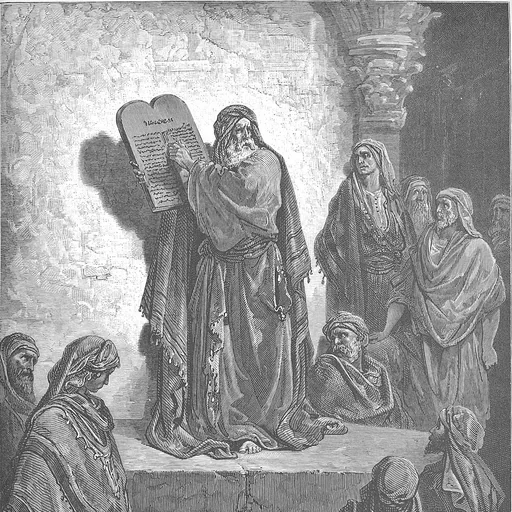
Artaxerxes ruled Persia during the time of the restoration. In one account a letter to him led to a halt in the rebuilding of Jerusalem, while later he favored Ezra and Nehemiah, granting support for the temple service and the rebuilding of the city; First Esdras records correspondence with him during the long work of return.
Themes in the authored commentary
These entries connect the study to the source’s recorded family context. Read their cautions when the family records or identifications differ.
FOLLOW THE PASSAGES
These are chapter studies associated with this record. Their order follows the books and chapters, rather than a reconstructed timeline of the person’s life.
issues a royal order halting construction of the temple after reading the accusation
The return from exile is a moment of fragile hope. The captives have come home under the decree of Cyrus, the altar has been rebuilt, and the foundation of the temple has been laid with shouting and weeping (Ezra 3). The work has begun. And then, at the very threshold of restoration, opposition arrives with a handshake. The adversaries of Judah and Benjamin come to Zerubbabel and the chief fathers with what sounds like the friendliest of proposals: Let us build with you; for we seek your God, as ye do. The danger of the chapter is that the first threat to the work does not look like a threat at all.
Chapter overview from the authored study guide.issues a letter granting Ezra broad authority, funds, and legal power in the province
The book of Ezra opens with a return from exile. Cyrus frees the captives, the Temple foundation is laid, and opposition arises. Then comes silence. Decades pass. The work stalls. The walls remain broken, and the community struggles to hold its identity in a foreign land.
Chapter overview from the authored study guide.king of Persia whom Nehemiah serves and references in his opening prayer
The book of Nehemiah opens a long way from Jerusalem. The temple has been rebuilt under Zerubbabel, Ezra has led a return and a reformation, and yet the city itself still lies open and shamed - its walls broken, its gates burned, nearly a century and a half after Babylon first breached them. And the man God will use to mend it is a layman in a foreign court: Nehemiah, cupbearer to Artaxerxes king of Persia. A cupbearer tasted the king’s wine and stood in the inner chamber where few were permitted; it was a post of rare trust and access, close to the most powerful man on earth.
Chapter overview from the authored study guide.grants Nehemiah letters and timber for the journey to Jerusalem
Nehemiah stands in the palace of Artaxerxes the king of Persia, bearing wine as he has done before. But on this day, his heart is burdened. The city of his fathers lies waste. The walls are broken. The gates are consumed with fire. And it shows on his face. The king sees his sadness and asks: "Why is thy countenance sad, seeing thou art not sick? this is nothing else but sorrow of heart."
Chapter overview from the authored study guide.king who answers the opponents' letter with an order stopping the work
Cyrus announces that the temple in Jerusalem is to be rebuilt, and the people prepare to return. Neighbors give practical help, and the vessels taken from the temple are entrusted to the returning exiles. The work begins with permission, gifts, and the recovery of things long thought lost.
Chapter overview from the authored study guide.Persian king who commissions Ezra with authority, funds, and freedom to restore law observance in Judah
After seventy years of exile, God has returned His people to their land. The Temple is rebuilt. But now, eighty years later, a second wave of returnees arrives under the leadership of Esdras - a scribe "ready in the law of Moses." The king grants him full authority: whatever Esdras commands shall be done. He travels with royal favor, Temple treasures, and the mandate to teach God’s commandments to Israel.
Chapter overview from the authored study guide.THE PEOPLE AROUND THE PERSON
Relationships follow the source graph. Some are interpretive or uncertain, and individual verse citations are not yet available for every connection.
STUDY & INTERPRETATION
Artaxerxes stands at the turning points of the restoration, his word able to stop the work or to speed it forward. Through letters and decrees, the fate of the rebuilding passed through his court, showing again how God’s purposes for His people moved through the great kings of the age. When he later commissioned Ezra with authority and provision, the rebuilding of worship and community went forward under his protection. His patronage reminds readers that the LORD can incline rulers to favor His work, preparing a people through whom the promised hope would one day come.
From the Learn of Christ person commentary. Read alongside the linked Scripture passages.KEEP SCRIPTURE CLOSE
6 authored chapter guides feature this person. This is guide coverage, not an exhaustive count of biblical mentions.
ASK A BETTER QUESTION
Identity, story, early-life sources, family, and where to read.
Artaxerxes was a Persian king whose decisions affected the rebuilding of Jerusalem.
Artaxerxes ruled Persia during the time of the restoration. In one account a letter to him led to a halt in the rebuilding of Jerusalem, while later he favored Ezra and Nehemiah, granting support for the temple service and the rebuilding of the city; First Esdras records correspondence with him during the long work of return.
The individualized passage index associates this Artaxerxes record with Ezra, Nehemiah. There are 14 distinct indexed verse references in the 66-book Bible. Browse the book-by-book list below; it separates this identity from other people who share the name. Source assignments and textual identifications can require interpretation.
A separate childhood account for Artaxerxes is not provided in our current authored profile sources. Begin with Ezra 4:7 and the passages linked here for the evidence that is available. The first indexed reference to a name is not a birth record. This profile does not establish a birth date, schooling, or childhood events beyond what its sources state.
The current source graph does not list immediate family for Artaxerxes. That is a limit of this data, not evidence that Artaxerxes had no relatives. Read the cited passages for the details they actually give.
Artaxerxes stands at the turning points of the restoration, his word able to stop the work or to speed it forward. Through letters and decrees, the fate of the rebuilding passed through his court, showing again how God’s purposes for His people moved through the great kings of the age.
Answers draw on our existing authored biography and linked chapter studies. Where supplied, verse assignments come from the individualized STEP Bible index. Childhood answers distinguish documented events from gaps in the available sources.
FIND THE PERSON IN THE TEXT
14 distinct verse references in the source’s 66-book index. These are indexed name assignments, rather than every indirect allusion to this person. A name may also refer to descendants, a tribe, or a nation; read each passage to distinguish that usage from the individual.
“And in the days of Artaxerxes wrote Bishlam, Mithredath, Tabeel, and the rest of their companions, unto Artaxerxes king of Persia; and the writing of the letter was written in the Syrian tongue, and interpreted in the Syrian tongue.”
Ezra 4:7 · King James Version
“And the elders of the Jews builded, and they prospered through the prophesying of Haggai the prophet and Zechariah the son of Iddo. And they builded, and finished it, according to the commandment of the God of Israel, and according to the commandment of Cyrus, and Darius, and Artaxerxes king of Persia.”
Ezra 6:14 · King James Version
“And I, even I Artaxerxes the king, do make a decree to all the treasurers which are beyond the river, that whatsoever Ezra the priest, the scribe of the law of the God of heaven, shall require of you, it be done speedily,”
Ezra 7:21 · King James Version
“But in all this time was not I at Jerusalem: for in the two and thirtieth year of Artaxerxes king of Babylon came I unto the king, and after certain days obtained I leave of the king:”
Nehemiah 13:6 · King James Version
References are adapted from STEP Bible / Tyndale House TIPNR (CC BY 4.0). Deduplicated, matched to this identity, and checked against the bundled KJV’s verse bounds. Interpretive assignments and translation/versification differences may remain. This index is separate from evidence for individual family relationships.
YOUR OWN OBSERVATIONS
Notes, saved people, and study marks stay in this browser. They do not sync to your account.
KEEP EXPLORING
People featured in the same study guides. Sharing a chapter does not establish a family relationship.