Who was Ezra in the Bible?
Ezra was a priest and teacher who led people back to Jerusalem and taught them God’s Law.
Priest and scribe of the Law
5th century BC
Ezra was a priest and teacher who led people back to Jerusalem and taught them God’s Law.
Follow the reading trailBEYOND THE NAME
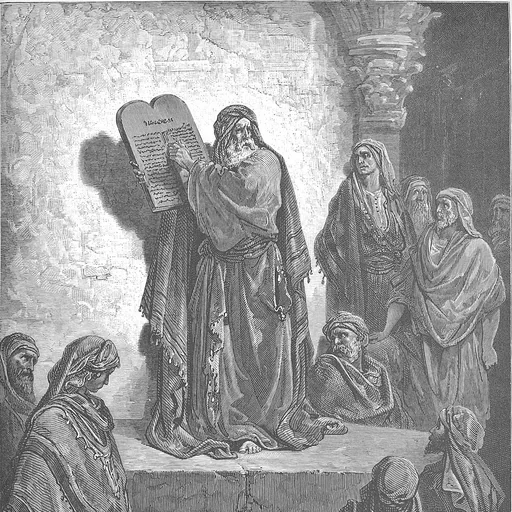
Ezra was a priest and skilled scribe who set his heart to study, do, and teach the Law of the LORD. Under Persian authority he led a company of exiles back to Jerusalem, and as told in First Esdras 8 he carried treasures for the temple and called the people to renewed faithfulness. He is remembered for reading the Law aloud and reviving covenant obedience.
Themes in the authored commentary
These are other entries using this name. Compare their source passages before treating them as the same or different historical people.
These entries connect the study to the source’s recorded family context. Read their cautions when the family records or identifications differ.
FOLLOW THE PASSAGES
These are chapter studies associated with this record. Their order follows the books and chapters, rather than a reconstructed timeline of the person’s life.
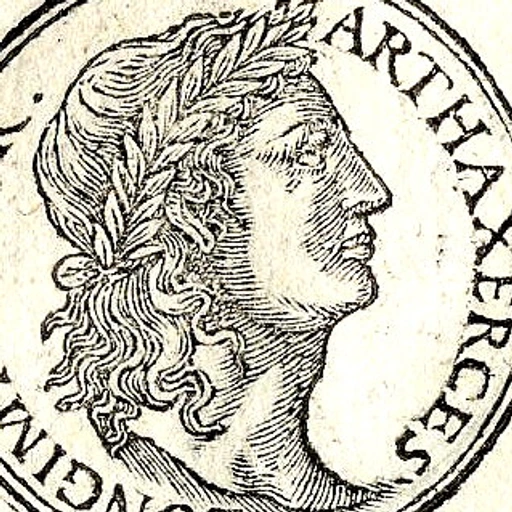
priest and scribe sent from Babylon to Jerusalem with Artaxerxes' full authority to teach the law
The book of Ezra opens with a return from exile. Cyrus frees the captives, the Temple foundation is laid, and opposition arises. Then comes silence. Decades pass. The work stalls. The walls remain broken, and the community struggles to hold its identity in a foreign land.
Chapter overview from the authored study guide.leads the assembly in confession; the long prayer recounting Israel's history is associated with this gathering
The scene is one of corporate lamentation and solemnity. The twenty-fourth day of the month arrives. The people assemble with fasting, wearing sackcloth - the garments of mourning - and sitting in ashes, a gesture of humility before God. They have separated themselves from all strangers, setting themselves apart as a covenant people entering into confession. The work of rebuilding is complete. The walls stand. The gates are set. Now comes the harder work: the inner rebuilding, the turning of the heart toward God.
Chapter overview from the authored study guide.prophet who receives and transmits the divine charge to abandon Israel and turn to the Gentiles
For chapters 1-7, God has sent prophet after prophet to Israel, and all have been rejected. The old covenant people have hardened their hearts. Now comes the judgment: God will turn away from them and call a new people - the Gentiles. In this turning, the ancient promise opens to its widest reach.
Chapter overview from the authored study guide.seer who hears a voice from fire and receives revelation about the final age
The angel walks Ezra back to the first week of the world. Day by day God speaks and the work is done - the firmament, the gathered seas, the dry land, the herb, the seventh-day rest. Then a line lands like a hand on the chest: I, even I, alone made the world. No helper stood beside Him at the beginning. The God who started it all by Himself will, by Himself, bring it to its close.
Chapter overview from the authored study guide.dreamer who beholds the great eagle vision rising from the sea
In the night Ezra sees an eagle climb up out of the sea - twelve feathered wings, three heads - and spread herself over the whole earth until no man spake against her, no, not one creature upon earth (v. 6). Nobody argues. Nobody can. Then the wings take turns ruling, and one by one they simply appear no more, until the great middle head bullies the world with much oppression and devours its own rivals (vv. 13-35). What looked unanswerable is a power that cannot hold itself.
Chapter overview from the authored study guide.prophetic speaker who warns the righteous to endure persecution as the divine punishment approaches
Chapter 16 is Ezra’s final word - a cascade of woes upon the nations, announced with the weight of heaven behind them. Calamities are coming: sword, famine, plague, fire. The proud will fall. The strong will become weak. But woven through the judgment is a quiet, unshakeable promise: God knows His own. They are sealed. They will be preserved.
Chapter overview from the authored study guide.THE PEOPLE AROUND THE PERSON
Relationships follow the source graph. Some are interpretive or uncertain, and individual verse citations are not yet available for every connection.
STUDY & INTERPRETATION
Ezra devoted himself to the word of God in a generation that needed to be re-rooted in it, becoming the teacher who helped a returned people remember who they were. His journey from Babylon was bathed in prayer and fasting, trusting God’s hand rather than an armed escort for the dangerous road. When he read the Law before the gathered people and they wept and then rejoiced, Scripture itself came alive among them again. Ezra’s ministry of bringing God’s word to the people points toward the One who is the living Word, in whom the Law finds its full meaning and the people their true restoration.
From the Learn of Christ person commentary. Read alongside the linked Scripture passages.KEEP SCRIPTURE CLOSE
25 authored chapter guides feature this person. This is guide coverage, not an exhaustive count of biblical mentions.
ASK A BETTER QUESTION
Identity, story, early-life sources, family, and where to read.
Ezra was a priest and teacher who led people back to Jerusalem and taught them God’s Law.
Ezra was a priest and skilled scribe who set his heart to study, do, and teach the Law of the LORD. Under Persian authority he led a company of exiles back to Jerusalem, and as told in First Esdras 8 he carried treasures for the temple and called the people to renewed faithfulness. He is remembered for reading the Law aloud and reviving covenant obedience.
The individualized passage index associates this Ezra record with Ezra, Nehemiah. There are 22 distinct indexed verse references in the 66-book Bible. Browse the book-by-book list below; it separates this identity from other people who share the name. Source assignments and textual identifications can require interpretation.
A separate childhood account for Ezra is not provided in our current authored profile sources. Begin with Ezra 7:1 and the passages linked here for the evidence that is available. The first indexed reference to a name is not a birth record. This profile does not establish a birth date, schooling, or childhood events beyond what its sources state.
The current source graph does not list immediate family for Ezra. That is a limit of this data, not evidence that Ezra had no relatives. Read the cited passages for the details they actually give.
Ezra devoted himself to the word of God in a generation that needed to be re-rooted in it, becoming the teacher who helped a returned people remember who they were. His journey from Babylon was bathed in prayer and fasting, trusting God’s hand rather than an armed escort for the dangerous road.
Answers draw on our existing authored biography and linked chapter studies. Where supplied, verse assignments come from the individualized STEP Bible index. Childhood answers distinguish documented events from gaps in the available sources.
FIND THE PERSON IN THE TEXT
22 distinct verse references in the source’s 66-book index. These are indexed name assignments, rather than every indirect allusion to this person. A name may also refer to descendants, a tribe, or a nation; read each passage to distinguish that usage from the individual.
“Now after these things, in the reign of Artaxerxes king of Persia, Ezra the son of Seraiah, the son of Azariah, the son of Hilkiah,”
Ezra 7:1 · King James Version
“Now when Ezra had prayed, and when he had confessed, weeping and casting himself down before the house of God, there assembled unto him out of Israel a very great congregation of men and women and children: for the people wept very sore.”
Ezra 10:1 · King James Version
“And Ezra the priest brought the law before the congregation both of men and women, and all that could hear with understanding, upon the first day of the seventh month.”
Nehemiah 8:2 · King James Version
“And his brethren, Shemaiah, and Azarael, Milalai, Gilalai, Maai, Nethaneel, and Judah, Hanani, with the musical instruments of David the man of God, and Ezra the scribe before them.”
Nehemiah 12:36 · King James Version
References are adapted from STEP Bible / Tyndale House TIPNR (CC BY 4.0). Deduplicated, matched to this identity, and checked against the bundled KJV’s verse bounds. Interpretive assignments and translation/versification differences may remain. This index is separate from evidence for individual family relationships.
YOUR OWN OBSERVATIONS
Notes, saved people, and study marks stay in this browser. They do not sync to your account.
KEEP EXPLORING
People featured in the same study guides. Sharing a chapter does not establish a family relationship.