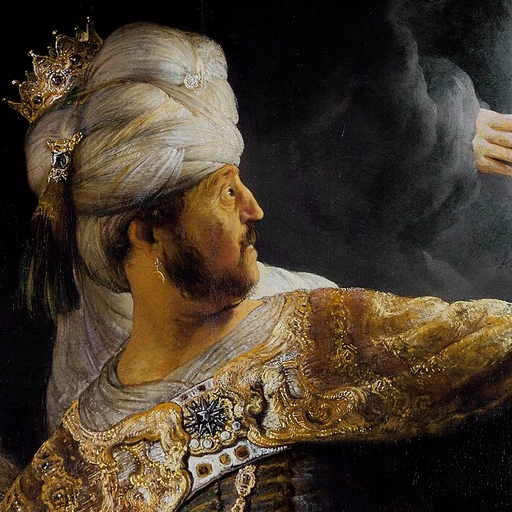
Who was Baruch in the Bible?
Baruch was the faithful scribe who wrote down the words of the prophet Jeremiah.
Scribe of Jeremiah
late 7th-early 6th century BC
Baruch was the faithful scribe who wrote down the words of the prophet Jeremiah.
Follow the reading trailBEYOND THE NAME
Baruch son of Neriah served as Jeremiah’s scribe during the last days of the kingdom of Judah, writing the prophet’s words on a scroll and reading them aloud in the temple when Jeremiah himself was barred from going. He shared in the prophet’s danger and discouragement, and the book that bears his name presents him among the exiles by the river in Babylon, leading the people in a prayer of confession and reading a letter of hope to the scattered community. His life is bound up with carrying and preserving the prophetic word through a time of national collapse.
Themes in the authored commentary
These are other entries using this name. Compare their source passages before treating them as the same or different historical people.
These entries connect the study to the source’s recorded family context. Read their cautions when the family records or identifications differ.
FOLLOW THE PASSAGES
These are chapter studies associated with this record. Their order follows the books and chapters, rather than a reconstructed timeline of the person’s life.
witnesses the deed of purchase and preserves the documents in an earthen vessel
The setting of Jeremiah 32 is almost unbearable. The army of Babylon has thrown its siege-works against Jerusalem; the city is starving; and the prophet himself is shut up in the court of the prison (v. 2), jailed by King Zedekiah for refusing to stop saying the city would fall. Into that moment - when every visible sign points to collapse - the LORD gives Jeremiah a strange instruction: buy a field. Not just any field, but family land at Anathoth, the priests’ town in Benjamin, ground about to be trampled by the invading army. His cousin Hanameel arrives with the offer exactly as God had said he would, and Jeremiah knows the word is real.
Chapter overview from the authored study guide.writes and reads the scroll of Jeremiah's prophecies in the temple and before the officials
This is a story with a date stamped on it: in the fourth year of Jehoiakim the son of Josiah king of Judah (v. 1), roughly 605 B.C., with the armies of Babylon already on the move. For more than two decades Jeremiah had spoken the LORD’s words and watched them fall on deaf ears. Now the LORD gives a new command - not to speak, but to write: Take thee a roll of a book, and write therein all the words that I have spoken unto thee against Israel, and against Judah, and against all the nations, from the day I spake unto thee, from the days of Josiah, even unto this day (v. 2).
Chapter overview from the authored study guide.accused by the people of inciting Jeremiah against them; taken to Egypt with the remnant
Jeremiah 43 opens on the heel of a broken oath. In the chapter before, the frightened survivors left in the land after Jerusalem’s fall had come to Jeremiah and pleaded with him to pray for direction, vowing, Whether it be good, or whether it be evil, we will obey the voice of the LORD our God (42:6). They waited ten days. The answer came, and it was clear: remain in the land and do not be afraid of the king of Babylon, for the LORD would build them and not pull them down - but if they set their faces to go into Egypt, the sword and famine they dreaded would overtake them there.
Chapter overview from the authored study guide.receives a personal word of comfort and warning from God through Jeremiah, told his life will be spared
Jeremiah 45 is among the shortest chapters in the book, and it is unlike almost everything around it. The great prophecies of Jeremiah thunder against kings and nations; this is a single private letter, a word to one man. That man is Baruch the son of Neriah, the scribe who stood at Jeremiah’s side through the hardest years of his ministry. It was Baruch who wrote the prophet’s words in a book at the mouth of Jeremiah (v. 1), Baruch who read that scroll aloud in the temple when Jeremiah could not, Baruch who saw the king cut it to pieces and burn it, and then sat down and wrote it all again.
Chapter overview from the authored study guide.scribe who read the scroll aloud to the exiles in Babylon and collected silver to send to Jerusalem
Baruch reads a book to the exiled community in Babylonia. The people respond with tears, fasting, prayer, and a collection sent to those still in Jerusalem. Exile has not severed their responsibility for one another.
Chapter overview from the authored study guide.THE PEOPLE AROUND THE PERSON
Relationships follow the source graph. Some are interpretive or uncertain, and individual verse citations are not yet available for every connection.
STUDY & INTERPRETATION
Baruch stands beside Jeremiah as the quiet keeper of the word, the man who put the prophet’s message into writing so that it would outlast the burning of the first scroll and the fall of the city. In the opening of Baruch 1 he gathers the exiles to hear their sins confessed and to seek the Lord even in a foreign land, holding the people to the conviction that judgment had come because they had turned away and that mercy was still to be sought. His labor shows how God’s word is carried through ruin by faithful hands, kept alive in seasons when prophet and people alike seem to have lost everything. The hope he reads to the exiles, that God would gather and restore His chastened people, looks toward the deeper gathering Scripture promises in the One who would seek out the scattered and bring them home.
From the Learn of Christ person commentary. Read alongside the linked Scripture passages.KEEP SCRIPTURE CLOSE
5 authored chapter guides feature this person. This is guide coverage, not an exhaustive count of biblical mentions.
ASK A BETTER QUESTION
Identity, story, early-life sources, family, and where to read.
Baruch was the faithful scribe who wrote down the words of the prophet Jeremiah.
Baruch son of Neriah served as Jeremiah’s scribe during the last days of the kingdom of Judah, writing the prophet’s words on a scroll and reading them aloud in the temple when Jeremiah himself was barred from going. He shared in the prophet’s danger and discouragement, and the book that bears his name presents him among the exiles by the river in Babylon, leading the people in a prayer of confession and reading a letter of hope to the scattered community. His life is bound up with carrying and preserving the prophetic word through a time of national collapse.
The individualized passage index associates this Baruch record with Jeremiah. There are 21 distinct indexed verse references in the 66-book Bible. Browse the book-by-book list below; it separates this identity from other people who share the name. Source assignments and textual identifications can require interpretation.
A separate childhood account for Baruch is not provided in our current authored profile sources. Begin with Jeremiah 32:12 and the passages linked here for the evidence that is available. The first indexed reference to a name is not a birth record. This profile does not establish a birth date, schooling, or childhood events beyond what its sources state.
The current source graph does not list immediate family for Baruch. That is a limit of this data, not evidence that Baruch had no relatives. Read the cited passages for the details they actually give.
Baruch stands beside Jeremiah as the quiet keeper of the word, the man who put the prophet’s message into writing so that it would outlast the burning of the first scroll and the fall of the city. In the opening of Baruch 1 he gathers the exiles to hear their sins confessed and to seek the Lord even in a foreign land, holding the people to the conviction that judgment had come because they had turned away and that mercy was still to be sought.
Answers draw on our existing authored biography and linked chapter studies. Where supplied, verse assignments come from the individualized STEP Bible index. Childhood answers distinguish documented events from gaps in the available sources.
FIND THE PERSON IN THE TEXT
21 distinct verse references in the source’s 66-book index. These are indexed name assignments, rather than every indirect allusion to this person. A name may also refer to descendants, a tribe, or a nation; read each passage to distinguish that usage from the individual.
“And I gave the evidence of the purchase unto Baruch the son of Neriah, the son of Maaseiah, in the sight of Hanameel mine uncle’s son, and in the presence of the witnesses that subscribed the book of the purchase, before all the Jews that sat in the court of the prison.”
Jeremiah 32:12 · King James Version
“Then Michaiah declared unto them all the words that he had heard, when Baruch read the book in the ears of the people.”
Jeremiah 36:13 · King James Version
“Then said the princes unto Baruch, Go, hide thee, thou and Jeremiah; and let no man know where ye be.”
Jeremiah 36:19 · King James Version
“Thus saith the LORD, the God of Israel, unto thee, O Baruch:”
Jeremiah 45:2 · King James Version
References are adapted from STEP Bible / Tyndale House TIPNR (CC BY 4.0). Deduplicated, matched to this identity, and checked against the bundled KJV’s verse bounds. Interpretive assignments and translation/versification differences may remain. This index is separate from evidence for individual family relationships.
YOUR OWN OBSERVATIONS
Notes, saved people, and study marks stay in this browser. They do not sync to your account.
KEEP EXPLORING
People featured in the same study guides. Sharing a chapter does not establish a family relationship.