Who was Naomi in the Bible?
Naomi was an Israelite woman who lost her husband and sons and returned home with her loyal daughter-in-law Ruth.
Mother-in-law of Ruth
Judges period
Naomi was an Israelite woman who lost her husband and sons and returned home with her loyal daughter-in-law Ruth.
Follow the reading trailBEYOND THE NAME
Naomi left Bethlehem during a famine, lost her husband and both sons in Moab, and returned home empty and grieving, asking to be called Mara, meaning bitter, because of her affliction. Yet she returned with Ruth, who refused to leave her, and Naomi guided Ruth toward Boaz, a kinsman who could redeem the family. By the book’s end she holds a grandson in her arms, and the women bless God who had not left her without a redeemer.
Themes in the authored commentary
FOLLOW THE PASSAGES
Selected passages and introductions help you read this person’s story in context.
Israelite widow who loses her husband and sons in Moab and resolves to return to Bethlehem
Naomi returns to Bethlehem after losing her husband and sons in Moab. Ruth accompanies her, while Orpah returns to her own people. Naomi speaks openly about her grief as the two women begin life together in Judah.
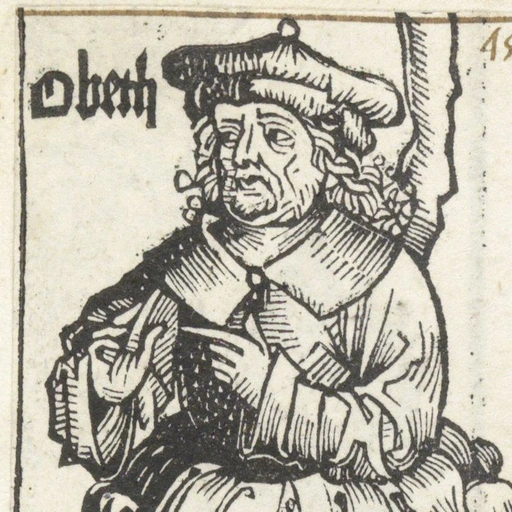
receives the newborn Obed into her arms, recognized by the women as restored and blessed
The conclusion centers not only on Ruth and Boaz but also on Naomi. The women of Bethlehem celebrate the child born to Ruth, and Naomi cares for him. The household that entered the story through loss receives a future.
THE PEOPLE AROUND THE PERSON
Recorded spouses
Recorded children
Relationships follow the source graph. Some are interpretive or uncertain, and individual verse citations are not yet available for every connection.
STUDY & INTERPRETATION
Naomi’s story in the book of Ruth moves from emptiness to fullness, from a woman who felt the Lord’s hand had gone against her to one restored through the faithfulness of God working through ordinary loyalty and kindness. Her counsel leads to the redemption of the family by Boaz, and the child born to Ruth is reckoned as Naomi’s own, restorer of her life and nourisher of her old age. That child, Obed, becomes grandfather to David, placing Naomi’s quiet restoration within the royal line that leads at last to Christ. Her account assures all who feel emptied by loss that God’s providence often works through hidden, faithful means, weaving private griefs into the long story of redemption He is bringing to fullness.
From the Learn of Christ person commentary. Read alongside the linked Scripture passages.KEEP SCRIPTURE CLOSE
4 authored chapter guides feature this person. This is guide coverage, not an exhaustive count of biblical mentions.
ASK A BETTER QUESTION
Identity, story, early-life sources, family, and where to read.
Names and spellings in the source: Naomi · Mara
Naomi was an Israelite woman who lost her husband and sons and returned home with her loyal daughter-in-law Ruth.
Naomi left Bethlehem during a famine, lost her husband and both sons in Moab, and returned home empty and grieving, asking to be called Mara, meaning bitter, because of her affliction. Yet she returned with Ruth, who refused to leave her, and Naomi guided Ruth toward Boaz, a kinsman who could redeem the family. By the book’s end she holds a grandson in her arms, and the women bless God who had not left her without a redeemer.
The individualized passage index associates this Naomi record with Ruth. There are 20 distinct indexed verse references in the 66-book Bible. Browse the book-by-book list below; it separates this identity from other people who share the name. Source assignments and textual identifications can require interpretation.
A separate childhood account for Naomi is not provided in our current authored profile sources. Begin with Ruth 1:2 and the passages linked here for the evidence that is available. The first indexed reference to a name is not a birth record. This profile does not establish a birth date, schooling, or childhood events beyond what its sources state.
Naomi’s source record lists Elimelech (spouse), Mahlon (child), Chilion (child). These are source-graph relationships; legal family, uncertain identifications, and ancestral language require the cautions below. Individual verse evidence is not yet retained for every family edge.
Naomi’s story in the book of Ruth moves from emptiness to fullness, from a woman who felt the Lord’s hand had gone against her to one restored through the faithfulness of God working through ordinary loyalty and kindness. Her counsel leads to the redemption of the family by Boaz, and the child born to Ruth is reckoned as Naomi’s own, restorer of her life and nourisher of her old age.
Answers draw on our existing authored biography and linked chapter studies. Where supplied, verse assignments come from the individualized STEP Bible index. Childhood answers distinguish documented events from gaps in the available sources.
FIND THE PERSON IN THE TEXT
20 distinct verse references in the source’s 66-book index. These are indexed name assignments, rather than every indirect allusion to this person. A name may also refer to descendants, a tribe, or a nation; read each passage to distinguish that usage from the individual.
“And the name of the man was Elimelech, and the name of his wife Naomi, and the name of his two sons Mahlon and Chilion, Ephrathites of Bethlehemjudah. And they came into the country of Moab, and continued there.”
Ruth 1:2 · King James Version
“I went out full, and the LORD hath brought me home again empty: why then call ye me Naomi, seeing the LORD hath testified against me, and the Almighty hath afflicted me?”
Ruth 1:21 · King James Version
“Then Naomi her mother in law said unto her, My daughter, shall I not seek rest for thee, that it may be well with thee?”
Ruth 3:1 · King James Version
“And the women her neighbours gave it a name, saying, There is a son born to Naomi; and they called his name Obed: he is the father of Jesse, the father of David.”
Ruth 4:17 · King James Version
References are adapted from STEP Bible / Tyndale House TIPNR (CC BY 4.0). Deduplicated, matched to this identity, and checked against the bundled KJV’s verse bounds. Interpretive assignments and translation/versification differences may remain. This index is separate from evidence for individual family relationships.
YOUR OWN OBSERVATIONS
Notes, saved people, and study marks stay in this browser. They do not sync to your account.
KEEP EXPLORING
People featured in the same study guides. Sharing a chapter does not establish a family relationship.