Who was Ruth in the Bible?
Ruth was a Moabite woman who stayed loyal to her mother-in-law Naomi and became the great-grandmother of King David.
Moabite great-grandmother of David
Judges period
Ruth was a Moabite woman who stayed loyal to her mother-in-law Naomi and became the great-grandmother of King David.
Follow the reading trailBEYOND THE NAME
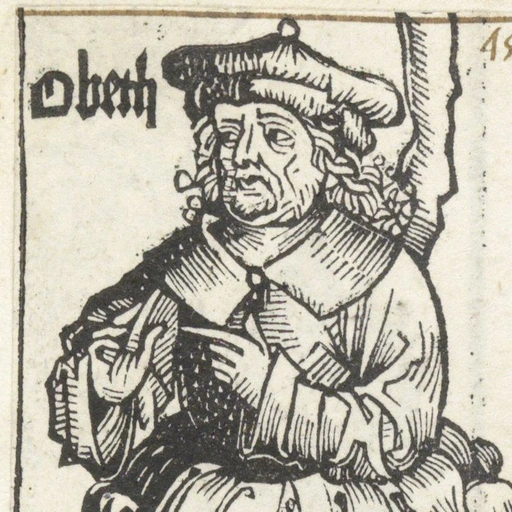
Ruth was a widow of Moab who refused to leave her mother-in-law Naomi, declaring, “Your people shall be my people, and your God my God,” and returning with her to Bethlehem. There she gleaned in the fields of Boaz, who showed her kindness and became her kinsman-redeemer, taking her as his wife. Their son Obed was the grandfather of David, weaving this faithful outsider into the heart of Israel’s story.
Themes in the authored commentary
FOLLOW THE PASSAGES
Selected passages and introductions help you read this person’s story in context.
Moabite daughter-in-law who clings to Naomi and vows to stay with her
After the deaths in their household, Naomi prepares to return to Judah. Ruth chooses to remain with her, linking her future to Naomi’s people and God. Their arrival in Bethlehem begins the next stage of their shared story.
gleans grain in Boaz's fields and finds unexpected favor from him
Ruth gathers grain in a field belonging to Boaz, a relative of Naomi’s husband. Boaz offers protection and provision. The chapter introduces both the practical needs of the two women and the family connection that will matter later.
marries Boaz and bears Obed, ancestor of David
Boaz addresses the family’s situation at the city gate and marries Ruth. Their son Obed is placed within the line leading to David. The ending connects an intimate household story with the wider royal history of Israel.
THE PEOPLE AROUND THE PERSON
Relationships follow the source graph. Some are interpretive or uncertain, and individual verse citations are not yet available for every connection.
STUDY & INTERPRETATION
Ruth’s account, set in the troubled days of the judges, shines as a story of loyalty, kindness, and redemption, in which a foreigner’s covenant faith is honored and rewarded by God. Boaz redeems her and Naomi’s family line as a near kinsman, a role that pictures the larger redemption God works for His people. Through Ruth the royal line is carried forward, for she is named in the genealogy of David and again in the opening of the Gospel of Matthew among the ancestors of Jesus the Messiah. Her story declares that God gathers people from every nation into His purposes, and that the line leading to the Redeemer of all flows through the faith of a humble Moabite woman who chose the God of Israel as her own.
From the Learn of Christ person commentary. Read alongside the linked Scripture passages.KEEP SCRIPTURE CLOSE
4 authored chapter guides feature this person. This is guide coverage, not an exhaustive count of biblical mentions.
ASK A BETTER QUESTION
Identity, story, early-life sources, family, and where to read.
Ruth was a Moabite woman who stayed loyal to her mother-in-law Naomi and became the great-grandmother of King David.
Ruth was a widow of Moab who refused to leave her mother-in-law Naomi, declaring, “Your people shall be my people, and your God my God,” and returning with her to Bethlehem. There she gleaned in the fields of Boaz, who showed her kindness and became her kinsman-redeemer, taking her as his wife. Their son Obed was the grandfather of David, weaving this faithful outsider into the heart of Israel’s story.
The individualized passage index associates this Ruth record with Ruth, Matthew. There are 13 distinct indexed verse references in the 66-book Bible. Browse the book-by-book list below; it separates this identity from other people who share the name. Source assignments and textual identifications can require interpretation.
The book of Ruth does not describe Ruth’s childhood or name her parents. It introduces her as a Moabite woman married to Mahlon, one of Naomi’s sons. Her story then follows widowhood, her decision to remain with Naomi, and their arrival in Bethlehem. A detailed childhood story would go beyond this account.
Ruth’s source record lists Mahlon (spouse), Boaz (spouse), Obed (child). These are source-graph relationships; legal family, uncertain identifications, and ancestral language require the cautions below. Individual verse evidence is not yet retained for every family edge.
Ruth’s account, set in the troubled days of the judges, shines as a story of loyalty, kindness, and redemption, in which a foreigner’s covenant faith is honored and rewarded by God. Boaz redeems her and Naomi’s family line as a near kinsman, a role that pictures the larger redemption God works for His people.
Answers draw on our existing authored biography and linked chapter studies. Where supplied, verse assignments come from the individualized STEP Bible index. Childhood answers distinguish documented events from gaps in the available sources.
FIND THE PERSON IN THE TEXT
13 distinct verse references in the source’s 66-book index. These are indexed name assignments, rather than every indirect allusion to this person. A name may also refer to descendants, a tribe, or a nation; read each passage to distinguish that usage from the individual.
“And they took them wives of the women of Moab; the name of the one was Orpah, and the name of the other Ruth: and they dwelled there about ten years.”
Ruth 1:4 · King James Version
“And Ruth the Moabitess said unto Naomi, Let me now go to the field, and glean ears of corn after him in whose sight I shall find grace. And she said unto her, Go, my daughter.”
Ruth 2:2 · King James Version
“And he said, Who art thou? And she answered, I am Ruth thine handmaid: spread therefore thy skirt over thine handmaid; for thou art a near kinsman.”
Ruth 3:9 · King James Version
“And Salmon begat Booz of Rachab; and Booz begat Obed of Ruth; and Obed begat Jesse;”
Matthew 1:5 · King James Version
References are adapted from STEP Bible / Tyndale House TIPNR (CC BY 4.0). Deduplicated, matched to this identity, and checked against the bundled KJV’s verse bounds. Interpretive assignments and translation/versification differences may remain. This index is separate from evidence for individual family relationships.
YOUR OWN OBSERVATIONS
Notes, saved people, and study marks stay in this browser. They do not sync to your account.
KEEP EXPLORING
People featured in the same study guides. Sharing a chapter does not establish a family relationship.