Three-way comparison
ESV Study Bible vs NIV Study Bible vs MacArthur Study Bible
All three compared side by side — ratings, pricing, platforms, real-world strengths, and a clear pick for each kind of user.

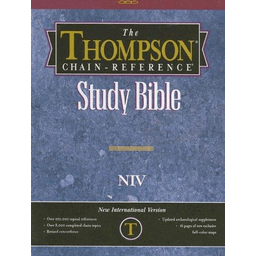
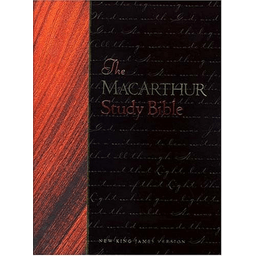
American evangelicalism has three flagship single-volume study Bibles, each claiming the title of 'the' study Bible while actually serving different readers and different theological locations. The ESV Study Bible (Crossway, 2008) became the gold standard for Reformed evangelical scholarship. The NIV Study Bible (Zondervan, 1985/2020) remains the broadest evangelical consensus. The MacArthur Study Bible (Thomas Nelson, 1997/2019) is one pastor's settled reading of the entire canon. The three have sold tens of millions of copies combined, and they're all still in print because they're genuinely different books for genuinely different readers.
They occupy three theological corners: Reformed evangelical (ESV), centrist evangelical (NIV), and Reformed Baptist dispensational (MacArthur). A pastor sitting with all three on the shelf gets three different theological angles on Romans, Ephesians, and Revelation, not because the pastors disagreed about the text, but because they sat in different traditions and read through different lenses. Knowing which lens you want is the only way to pick the right book.
The bottom line
For maximum scholarship in one volume and you're comfortable with Reformed framing, ESV Study Bible. For the broadest evangelical consensus and the easiest read for new students, NIV Study Bible. For one opinionated voice across 66 books and you share MacArthur's Reformed Baptist framework, MacArthur Study Bible. All three sell for roughly the same price; the choice is about theological location and reading depth.
The core difference: ESV is Reformed evangelical (95 contributors, scholarly restrained); NIV is centrist evangelical (committee, balanced); MacArthur is Reformed Baptist (one author, opinionated). Each answers theological questions from a different tradition.
ESV Study Bible vs NIV Study Bible vs MacArthur Study Bible: at a glance
| ESV Study Bible | NIV Study Bible | MacArthur Study Bible | |
|---|---|---|---|
| Rating (source) | 4.8 / 5 (Editor rating) | 4.7 / 5 (Editor rating) | 4.4 / 5 (Editor rating) |
| Starting price | $54.99 hardcover | $54.99 hardcover | $49.99 hardcover |
| Free tier | No | No | No |
| Platforms | Print · Kindle · Logos · ESV.org online | Print · Kindle · Logos · BibleGateway.com | Print · Kindle · Logos · Olive Tree |
| Developer | Crossway | Zondervan | Thomas Nelson |
| Best for | Pastors and seminarians who want one editorially coherent reference on the desk | First-time study Bible buyers | Reformed Baptist and dispensational readers |
How they compare, point by point
Theological perspective
ESV Study Bible
ESV: Reformed-leaning evangelical: covenantal, with editorial sympathies on predestination, sacraments, and eschatology from Reformed scholars like Grudem and Packer
NIV Study Bible
NIV: Centrist evangelical: deliberately engineered to be useful across Baptist, Pentecostal, Methodist, Presbyterian, non-denominational traditions, no strong denominational accent
MacArthur Study Bible
MacArthur: Reformed Baptist dispensational: cessationist, complementarian, with strong opinions on spiritual gifts, women in ministry, and end times
Number of contributors and editing
ESV Study Bible
ESV: 95 contributors edited into a single voice. Grudem and Packer ensured coherence across the whole project
NIV Study Bible
NIV: Large committee under Kenneth Barker: balanced editorial voice, the notes present mainstream evangelical reading without grinding an axe
MacArthur Study Bible
MacArthur: One author across 66 books, where every note is MacArthur or supervised by him, so the voice never changes
Depth of notes per verse
ESV Study Bible
ESV: Deep, with 20,000+ notes often running multiple paragraphs, especially in complex passages like Romans and Hebrews
NIV Study Bible
NIV: Moderate, with 20,000+ notes covering nearly every verse, but deliberately broad rather than exhaustively deep
MacArthur Study Bible
MacArthur: Dense and exegetical, with 25,000+ notes that read like sermon transcripts, verse-anchored and practical
Visual design and reference materials
ESV Study Bible
ESV: 200+ full-color maps and diagrams by National Geographic-tier cartographers, the most visually accomplished study Bible in print
NIV Study Bible
NIV: 200+ charts, maps, and topical articles, strong visual reference, especially in the 2020 revision
MacArthur Study Bible
MacArthur: Minimal visual design: text-dense by intention, with word-study sidebars and topical indexes but not the photography or infographic approach of ESV
Available translations
ESV Study Bible
ESV only, so the notes don't travel to other translations
NIV Study Bible
NIV only (2011 revision), though the notes are available online and in Logos in other translations
MacArthur Study Bible
Four translations: NKJV (original), NASB, ESV, and NIV. You can match it to your church's pew Bible
For studying contested passages
ESV Study Bible
ESV: Lays out interpretive options and indicates which the editors find most persuasive, scholarly and restrained
NIV Study Bible
NIV: Lays out responsible options without forcing a choice, the centrist approach
MacArthur Study Bible
MacArthur: Gives you one answer, since MacArthur's reading is typically confident and decided, not exploratory
Which should you choose?
ESV Study Bible
Choose ESV Study Bible if you're in a Reformed or Presbyterian tradition, you want seminary-level scholarship in one volume, and you're comfortable with that theological framing. The visual design is also the best in category. This is the desk Bible for Reformed pastors and seminarians.
NIV Study Bible
Choose NIV Study Bible if you're buying your first study Bible, you don't yet know which theological tradition fits you, or you lead small groups across denominational lines. It's the safest recommendation and the most widely usable. Also choose it for the translation, since NIV reads most naturally aloud in a group.
MacArthur Study Bible
Choose MacArthur Study Bible if you already listen to Grace to You, you want one consistent voice across the canon, or you share his Reformed Baptist and dispensational framework. The consistency is the killer feature. Eschatology in Daniel matches eschatology in Revelation. Also choose it if you want to study what MacArthur teaches on every passage.
Frequently asked questions
Which should I get if it's my first study Bible?
The NIV Study Bible. It's the most balanced, the translation reads naturally, and the editorial tone is welcoming rather than technical. You can hand it to any reader without worrying they'll feel pushed into a denominational position.
How are they different theologically?
ESV is Reformed-leaning (predestination, covenant theology); NIV is centrist (no strong accent); MacArthur is Reformed Baptist dispensational (cessationist, complementarian). On Romans 9, the millennium, spiritual gifts, and women in ministry, the three give you three different theological angles.
Which is deepest for exegesis?
It depends what you mean by deep. ESV has the most editorial density and the longest systematic-theology essays. MacArthur goes deepest verse-by-verse and reads like a preaching series. NIV is accessible but shallower. For seminary-level scholarship, ESV. For verse-by-verse expository depth, MacArthur.
Can I use the MacArthur Study Bible if I'm not cessationist?
Yes, but know that the notes on 1 Corinthians 12-14 and Acts 2 reflect MacArthur's cessationist position, that the miraculous gifts ceased with the apostles. Continuationist and Pentecostal readers should pair it with a study Bible from their own tradition for balance.