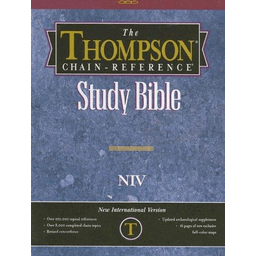
- Starting price
- $54.99 hardcover
- Free tier
- No
- Platforms
- Print · Kindle · Logos · BibleGateway.com
- Developer
- Zondervan
- Launched
- 1985 (revised 2020)
- Updated
- May 24, 2026
The verdict
The NIV Study Bible has quietly become the default study Bible for readers who want serious evangelical scholarship without a denominational accent. The 2020 revision is the version to buy, and at around fifty-five dollars hardcover it is still the best value in the category.
Try NIV Study Bible ↗Opens zondervan.com
The NIV Study Bible has quietly become the favorite of pastors, small-group leaders, and lay readers who want a serious study Bible that does not pick a fight on every page. First published in 1985 under general editor Kenneth Barker and fully revised in 2020, it has sold over nine million copies - more than any other study Bible in the modern era. It is the book most evangelical Christians actually read with, even when their pastor recommends something heavier.
It does not lean Reformed the way the ESV Study Bible does. It does not assume dispensationalism the way the MacArthur Study Bible does. It does not tilt charismatic, Wesleyan, or Lutheran. It tries - successfully, most of the time - to be the centrist evangelical study Bible, which is exactly why so many readers from so many traditions end up using it.
What you get for around fifty-five dollars hardcover is roughly 2,400 pages: the full NIV text (the 2011 revision), more than 20,000 study notes at the bottom of every page, over 100,000 cross-references in the margins, a 200-plus collection of charts, maps, and topical articles, book introductions written by leading evangelical scholars, and a concordance and index in the back. It is the kind of book you can hand to a brand-new Christian or a thirty-year veteran and trust that it will work for both.
✓ The good
- Best-balanced evangelical scholarship in print - the notes consistently present the mainstream evangelical reading without grinding a denominational axe
- Over 20,000 study notes covering nearly every verse - almost no passage is left without some explanation
- 100,000+ cross-references in the margins - the densest cross-reference system in any one-volume study Bible
- 200+ charts, maps, and topical articles - the full-color maps in the 2020 revision are genuinely excellent reference tools
- Uses the NIV (2011) - by far the most widely-read modern English translation, which makes it the easiest study Bible to use in groups
- Book introductions written by named scholars (Wenham, Longman, Carson, Moo, Blomberg, and others) - you can see whose work you are reading
- Available everywhere - hardcover, leather, large-print, Kindle, Logos, and free online at BibleGateway.com Plus
✗ Watch out
- Notes are deliberately broad rather than deep - readers wanting verse-by-verse exegesis will outgrow it
- The print is small in the standard hardcover - the large-print edition exists for a reason
- No first-party Hebrew/Greek tagging in the print edition (the Logos version adds it)
- Some readers find the NIV translation choices (especially gender-inclusive language in the 2011 edition) controversial - if that bothers you, this is not the study Bible for you
- Slimmer on systematic-theology articles than the ESV Study Bible or Reformation Study Bible
- The 2020 revision is mostly a refresh, not a rewrite - if you already own a 2011 or 2008 edition, the upgrade is not urgent
Best for
- First-time study Bible buyers
- Small-group leaders and Bible study teachers
- Pastors who want a non-tribal reference for sermon prep
- Readers from any evangelical tradition who want broad rather than partisan notes
Avoid if
- You prefer a more academically rigorous one-volume reference
- You want explicitly Reformed, dispensational, or Wesleyan study notes
- You are committed to a different translation (ESV, KJV, NASB, CSB)
- You need original-language tools built into the printed page
What NIV Study Bible is
The NIV Study Bible is a one-volume reference Bible that pairs the full NIV translation with study notes, cross-references, book introductions, maps, charts, and topical articles all bound together in a single book. Kenneth Barker, the longtime executive director of the NIV translation committee, served as general editor from the original 1985 edition through subsequent revisions. The 2020 fully-revised edition added full color throughout, refreshed maps, updated archaeology, and rewrote a substantial portion of the notes.
What makes it a 'study' Bible rather than a regular Bible is the apparatus: roughly the bottom third to half of every page is given over to notes that explain historical context, language choices, theological points, geography, and cross-references. The 2020 revision runs to about 2,400 pages - large but not unmanageable - and is sold in the standard configurations of hardcover, bonded leather, large-print, Kindle, and a tagged Logos edition.
Why everyday evangelical readers reach for the NIV Study Bible first
The single biggest practical difference between the NIV Study Bible and its main competitors is positioning. The ESV Study Bible reads like a one-volume Reformed systematic theology with verses attached. The MacArthur Study Bible reads like John MacArthur preaching every page. The Scofield Reference Bible reads like a dispensationalist tract. The NIV Study Bible - by deliberate editorial design - reads like a careful evangelical scholar walking you through the passage without telling you which evangelical camp to join.
That centrism is not vagueness. The notes have real positions on hard questions - authorship, dating, historicity, manuscript variants. But on the questions where evangelicals genuinely disagree (the millennium, the gifts, the order of salvation, the role of women, end-times schemes) the notes more often lay out the responsible options than crown a winner. For a small group with people from four different churches, this is exactly the right behavior. For a pastor who wants a reference that will not embarrass them in front of a visitor from a different tradition, it is the safe pick.
20,000+ study notes - the balanced default
The study notes are the reason to buy this book. Roughly 20,000 of them across the canon, written by a team of evangelical scholars under Kenneth Barker's editorial direction - Gordon Wenham on Genesis, Tremper Longman on Psalms and Wisdom literature, D.A. Carson on John, Douglas Moo on Romans, Craig Blomberg on the Synoptics, and dozens of others contributing across both Testaments. The notes sit at the bottom of every page, keyed to verse numbers, and run from short geographic glosses to multi-paragraph treatments of contested passages.
What makes them distinctive is the tone. They explain. They contextualize. They offer the mainstream evangelical reading and acknowledge serious alternatives. They almost never moralize, almost never preach, and almost never tell the reader what a passage means for their life - that is left for the reader and their teacher. This is the model that respects your work. Compared to the heavier ESV Study Bible notes (which often function as compressed sermons) or the MacArthur notes (which are essentially MacArthur's own teaching), the NIV notes feel like sitting next to a seminary-trained friend who is letting you read the text yourself.
200+ charts, maps, and topical articles - the working reference layer
The 2020 revision is when the chart and map system stopped being good and became genuinely excellent. Full-color maps appear throughout - in the book introductions, embedded in the running text where geography matters (the Exodus route, the divided kingdoms, Paul's missionary journeys), and in a sixteen-page topographical atlas at the back. The charts cover everything from the kings of Israel and Judah to the parables of Jesus to the Pauline chronology to the Old Testament feasts. The topical articles - short essays on themes like covenant, the Day of the Lord, the kingdom of God, or the temple - sit between sections and provide the cross-canonical view that note-by-note commentary cannot.
In practice this is the layer that makes the book actually usable for teaching. A small-group leader preparing on Exodus can pull up a map of the wilderness route, a chart of the Tabernacle furniture, and a topical article on the Passover without ever leaving the book. A Sunday-school teacher preparing on Acts can hand a learner the map of Paul's second missionary journey. Most one-volume study Bibles include some maps. Very few include this many, this well-integrated, and this useful for ordinary teaching prep.
The centrist evangelical positioning - what the book is really selling
There is no other word for what the NIV Study Bible is doing here than centrist. It is a study Bible deliberately engineered to be useful to a Baptist, a Pentecostal, a Methodist, a Presbyterian, an Anglican, a non-denominational reader, and (in practice, though it is not its target audience) a Latter-day Saint or Catholic reader looking for accessible evangelical scholarship. It does this by sticking close to the text, naming options where evangelicals divide, and rarely planting a flag on contested ground.
This is harder than it sounds and it is the reason the book has sold nine million copies. Most study Bibles are written from a position - Reformed, dispensational, charismatic, Lutheran - and serve their position well but exclude readers outside it. The NIV Study Bible is written from the broad middle of historic Protestant scholarship and serves the broadest possible readership. Calling this the thoughtful evangelical's default study Bible is not an overstatement. It is what the book is, and it is why pastors who would never personally preach from the NIV still keep a copy on the shelf for reference.
Pricing
Hardcover
$54.99
Full-color, 2,400+ pages, standard print size. The default purchase and the one most readers should pick.
Bonded Leather
~$79
Same content, softer cover, slightly more durable. The gift edition - fine, but the hardcover is genuinely better for a book you will lay open on a desk.
Large Print
~$80
A heavier, thicker edition for readers who need bigger type. The single best upgrade if you read with the book in your lap.
Kindle
~$34
The full text and notes on any device with the Kindle app. Cross-references are tap-through, which is genuinely better than the print experience on that one dimension.
Logos Edition
~$50
The version serious users buy. Notes link directly to the Logos cross-reference system, Hebrew/Greek lexicons, and other resources in your library.
At $54.99 retail for the hardcover (often discounted closer to $35-40 at Christianbook.com or Amazon), the NIV Study Bible is the best straightforward value in the study Bible category. The ESV Study Bible is similarly priced. The MacArthur Study Bible runs a few dollars more. The Reformation Study Bible costs more again. For comparable depth at a comparable price, there is no clear winner - but the NIV gets the nod for being usable across the widest range of churches.
The bonded leather edition (around $79) is the standard gift purchase - looks nicer on a shelf, holds up slightly better over years of use, identical content. The genuine leather and premium editions push past $100 and are aesthetic upgrades only.
The Kindle edition (around $34) is a real value if you read on a tablet or phone. Cross-references are tap-through, which is honestly better than the print experience for following a chain of references. The Logos edition (around $50) is the version serious users buy - every note, every cross-reference, every chart linked into the rest of your Logos library.
Most users do not need the large-print edition unless they actually struggle with the standard type - it adds significant bulk for a book that is already substantial.
Where NIV Study Bible falls behind
No first-party original-language tools in the print edition. The notes regularly reference Hebrew and Greek words and explain translation choices, but you cannot tap a word in a printed book to see the lexicon entry. The Logos edition adds this. The print edition does not.
Lighter on systematic theology than the ESV Study Bible. The ESV Study Bible includes substantial essays on doctrine - soteriology, ecclesiology, eschatology, the canon - that read like a compressed Reformed systematic theology. The NIV Study Bible's topical articles are shorter and more historical-theological than systematic. If you want the systematic essays, the ESV wins on that one dimension.
Less verse-by-verse depth than the MacArthur Study Bible. MacArthur's notes are essentially his sermon notes - when he goes into a passage he goes deep, often a paragraph per verse. The NIV notes are broader and shallower. For most readers most of the time this is the right tradeoff. For a reader who wants one verse explained in depth, MacArthur (or a dedicated commentary) goes further.
The 2020 revision is good but not revolutionary. If you already own the 2011 or 2008 NIV Study Bible, the upgrade adds full color and refreshed notes but is not transformative. The honest answer is to upgrade when your current copy wears out, not before.
NIV Study Bible vs. ESV Study Bible vs. MacArthur Study Bible
Different strengths. The NIV Study Bible is the broadly evangelical centrist - the safest recommendation across denominational lines and the friendliest to a first-time reader. The ESV Study Bible (also around $50-60 hardcover) is the heavier academic option - more notes, longer systematic-theology essays, more visually polished, and noticeably more Reformed in its theological commitments. The MacArthur Study Bible is the dispensationally-flavored verse-by-verse option - essentially John MacArthur's preaching notes printed under the biblical text, ideal for readers who already appreciate his teaching.
If you are buying your first study Bible and you do not yet know what tradition you are most at home in, buy the NIV Study Bible. If you know you want Reformed scholarship and you read at the seminary-essay level, buy the ESV Study Bible. If you already listen to Grace to You and want MacArthur's reading of every passage, buy his study Bible. There is no objectively best one among the three - they serve different readers and they all do their jobs well.
One practical point: the NIV translation itself (the 2011 revision) is the easiest modern English version to read aloud in a group, which makes the NIV Study Bible the most useful study Bible for actual small-group leadership. The ESV is more wooden but more literal. Both are defensible. The NIV reads more naturally for most readers and that matters when you are leading discussion.
The bottom line
The NIV Study Bible is, after forty years and nine million copies, still the best general-purpose study Bible most readers will ever own. It does not have the academic heft of the ESV Study Bible or the verse-by-verse depth of MacArthur, but it has something neither of those has: the trust of nearly every evangelical tradition. At around fifty-five dollars hardcover (often less on sale), with 20,000 notes, 100,000 cross-references, and 200-plus charts and maps, it is the easiest study Bible to recommend without qualification. If you are buying your first one, buy this. If you teach a small group, keep this on the table. If your current copy is falling apart, the 2020 revision is the upgrade.
Alternatives to NIV Study Bible
 ESV Study BibleThe heavier academic option, more notes, more systematic-theology essays, more Reformed in tone. The pick if you read at seminary-essay level.
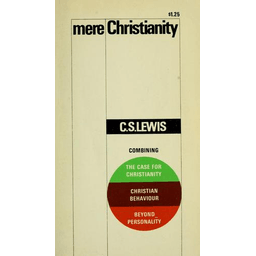 Mere ChristianityC.S. Lewis's classic case for the faith - not a study Bible, but the single book most often paired with one for new readers.
 The Purpose Driven LifeRick Warren's 40-day discipleship classic - a natural companion read for someone working through their first study Bible.
 Logos Bible SoftwareThe serious upgrade path. The NIV Study Bible notes can be loaded into Logos and linked to every other resource in your library.
Frequently asked questions
Is the NIV Study Bible the same as the NIV Application Commentary?
No. The NIV Study Bible is a one-volume Bible with notes at the bottom of every page. The NIV Application Commentary is a multi-volume commentary series (one volume per Bible book) that goes much deeper but costs many times more. They share a translation but are different products with different purposes.
Should I buy the 2020 revision or is the older edition fine?
If you already own a 2008 or 2011 edition and it is in good shape, you can wait. The 2020 revision adds full color throughout, refreshed maps, updated archaeology, and rewrites a meaningful portion of the notes - real improvements, but not revolutionary. If you are buying for the first time, buy the 2020 edition.
How does the NIV Study Bible compare to the ESV Study Bible?
The ESV Study Bible has more notes, longer systematic-theology essays, and a more explicitly Reformed editorial voice. The NIV Study Bible has broader denominational appeal, an easier-to-read translation, and a more accessible tone. For a first study Bible, most readers will be better served by the NIV. For seminary-level depth and Reformed framing, the ESV is the pick.
Is the NIV translation accurate?
The NIV (2011 revision) is one of the most carefully translated modern English Bibles, produced by the Committee on Bible Translation - an international, interdenominational team of evangelical scholars. It uses a balance of formal and dynamic equivalence and is among the most widely-read English translations in the world. Some readers prefer more formal translations (ESV, NASB, KJV) and that preference is legitimate; the NIV is mainstream evangelical scholarship and is broadly trusted.
Can I get the NIV Study Bible notes for free online?
Yes, partially. BibleGateway.com Plus, a paid subscription (around $4.99/month), includes access to the NIV Study Bible notes alongside many other study resources. The free tier of BibleGateway includes the NIV translation but not the study notes. The full notes are also available in the Kindle edition and in Logos.
Is the NIV Study Bible suitable for new Christians?
Yes - this is one of the easiest study Bibles to hand to a first-time reader. The notes assume no prior knowledge, the translation reads naturally, and the editorial tone is welcoming rather than technical. New Christians from almost any tradition can use it without feeling pushed into a position.
Who wrote the study notes?
Kenneth Barker served as general editor, with contributions from a large team of evangelical scholars including Gordon Wenham (Genesis), Tremper Longman III (Wisdom literature), D.A. Carson (John and other NT contributions), Douglas Moo (Romans), Craig Blomberg (Synoptic Gospels), and dozens of others across both Testaments. The contributor list reads like a who's who of late-20th and early-21st-century evangelical biblical scholarship.
Sources & further reading
More Study Bibles
ESV Study BibleThe ESV Study Bible has quietly become the default desk Bible for pastors, seminarians, and serious lay readers in the Reformed evangelical world - and the reasons it earned that spot are worth understanding before you buy.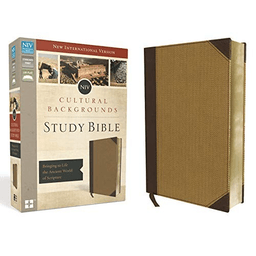 NIV Cultural Backgrounds Study BibleA 2,400-page reference Bible built around one question - what would an ancient reader have heard in this verse?
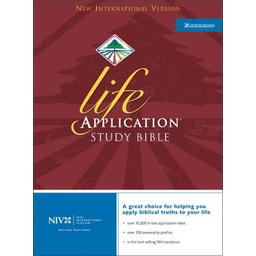 NIV Life Application Study BibleThe best-selling study Bible of the last forty years built its name on one idea - notes that tell you what a passage means for your Tuesday, not just what it meant in the first century. Here is what that trade-off actually buys you.
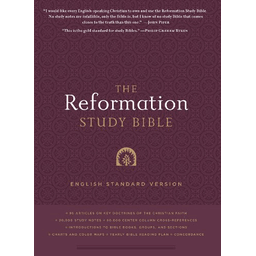 Reformation Study BibleR.C. Sproul's flagship study Bible pairs the ESV text with confessional Reformed notes, historic creeds, and a stack of theology articles - and Ligonier gives the whole apparatus away free online, which changes the buying math.
 Ignatius Catholic Study BibleThe Catholic study Bible that built its reputation one New Testament volume at a time - Scott Hahn and Curtis Mitch on the RSV-2CE - has finally arrived as a complete single volume, and it's worth understanding what it does before you buy.
 CSB Study BibleHolman's flagship study Bible pairs the readable Christian Standard Bible translation with about 16,000 study notes - a clean, modern, broadly evangelical reference that competes in one of the most crowded categories in publishing.