- Starting price
- Free
- Free tier
- Yes
- Platforms
- Web · Email · RSS · Apple Podcasts · major podcast apps
- Developer
- Zack Grafman
- Launched
- 2024
- Updated
- Aug 9, 2026
The verdict
Infinite Dominion is worth sampling when familiar Christian podcasts feel too reactive or too narrow. Its best conversations join theological imagination to hard technology, entrepreneurship, science, culture, mission, and the humanities without pretending every guest is delivering a settled blueprint. The finite archive is the main limitation: eleven podcast episodes, irregular written meditations, no published curriculum, and no reliable release cadence after December 2025. Start with a guest or question that already interests you, keep Scripture and accountable community closer than the show’s speculative language, and treat the archive as conversation starters—not as a complete theology of dominion or the future.
Try Infinite Dominion ↗Opens infinitedominion.substack.com
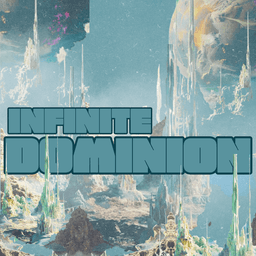
Infinite Dominion is Zack Grafman’s Substack publication and interview podcast about Christian futures. Its stated invitation is to meet “pioneers, scoutmasters and worldbuilders” using holy imagination, under the compact thesis “The Future is Christian.” Season one began in July 2024 with Tyler Prieb and moved through hard technology, world religions, entrepreneurship, farming, games, storytelling, and related forms of building. Season two shifted toward more digressive conversations, including Ben Clark on medieval metaphysics and quantum physics and Susannah Black Roberts on artificial intelligence, ministry, the humanities, and the obligation to remain fully human.
That premise separates the show from news commentary and weekly sermon audio. Grafman is less interested in forecasting dates than in asking what Christians could cultivate, invent, repair, or understand. Guests are presented as people already exploring an edge: Isaiah Taylor on goodness and power in hard tech, Jeremy Jenkins on engaging world religions, and others working across place, craft, imagination, and institutions. The conversations are long enough to preserve uncertainty and personality; Apple lists episodes from about fifty-three minutes to more than two hours.
The catalogue is also much smaller and less active than the branding may initially suggest. Apple exposes eleven podcast episodes, beginning July 22, 2024 and ending December 15, 2025. The official RSS feed contains additional written posts and an April 13, 2026 announcement that Grafman was beginning Make Clive Lewis Weird Again. He says he may still return to Infinite Dominion when new horizons call, which makes “occasional archive” more accurate than either cancelled or active weekly show. Substack describes hundreds of subscribers, while Apple showed no public rating aggregate; neither is evidence of broad educational outcomes.
We researched the official publication, RSS feed, podcast archive, about metadata, episode pages, Apple listing, and author’s transition announcement on August 9, 2026. We did not listen to every minute, subscribe to a paid tier, inspect private subscriber discussions, interview the host, validate guest claims, or measure how listeners apply the ideas. This is a researched review of the public archive and its present status. Episode availability, Substack entitlements, and future publishing can change.
✓ The good
- An uncommon editorial question - the archive asks what Christians can build and imagine, not only what they should oppose
- Cross-disciplinary guests - technology, entrepreneurship, science, mission, culture, games, agriculture, and the humanities meet in one feed
- Room for real conversation - roughly one- to two-hour episodes let guests develop an argument beyond a clipped interview answer
- A clear human voice - Grafman’s wit, curiosity, and willingness to admit fascination keep the material from sounding like institutional marketing
- Low financial barrier - public podcast audio, posts, RSS, and email subscription can be accessed without buying a course
- Open podcast distribution - an RSS feed and Apple listing make the archive usable in ordinary podcast players rather than one locked app
- Transparent transition - the April 2026 post plainly directs readers to the author’s new C. S. Lewis project while leaving this archive available
- Useful discussion starters - episodes can seed conversations about vocation, power, technology, cultural stewardship, and faithful imagination
✗ Watch out
- The podcast is effectively on hiatus - no new audio episode has appeared since December 2025 and no future schedule is promised
- Only eleven podcast episodes - the archive is a compact season set, not the extensive library its large conceptual frame may imply
- No structured learning path - there are no objectives, transcripts on every episode, exercises, reading sequence, assessments, or leader guides
- The “dominion” frame needs careful handling - listeners must distinguish biblical stewardship and service from triumphalism, power seeking, or cultural control
- Guest claims are not independently checked for the listener - speculative science, technology, history, or cultural arguments require outside verification
- Long episodes demand attention - two-hour conversations will not suit someone seeking a ten-minute devotional or concise practical answer
- Accessibility is inconsistent - Substack can provide text posts and player controls, but the publication does not promise complete edited transcripts for every audio episode
- Little public audience evidence - “hundreds of subscribers” and no displayed Apple ratings offer limited help assessing reach or reliability
Best for
- Christians interested in technology, entrepreneurship, culture, science, mission, or the future of institutions
- Builders and ministry leaders who want generative questions rather than another weekly news reaction
- Podcast listeners comfortable with long, exploratory conversations and unfinished conclusions
- Small groups or friends willing to pause, verify claims, and discuss one episode together
- Readers who enjoy idiosyncratic Christian essays alongside interview audio
Avoid if
- You need an active weekly show, predictable release calendar, or large current season
- You want a beginner Bible course, devotional plan, sermon library, or systematic theology
- You prefer concise episodes with summaries, worksheets, and explicit action steps
- You need full transcripts and documented accessibility for every item
- You are likely to treat provocative future-facing claims as established fact without checking sources and Scripture
What Infinite Dominion is
Infinite Dominion is an independent interview podcast and newsletter organized around Christian imagination for the future. Its public output combines two seasons of long-form conversations with occasional essays and meditations. The host introduces people building or thinking at unusual edges and lets the discussion roam through their work, influences, and hopes.
It is not a church, accredited course, reporting newsroom, investment guide, scientific journal, discipleship app, or comprehensive account of biblical dominion. Its value is exploratory: it brings distant questions into the same room and gives a listener language for further inquiry. That also means its ideas need testing against Scripture, sound scholarship, evidence, wise counsel, and the concrete needs of neighbors.
Why Christian builders listen: imagination before the blueprint
Many Christian media products begin with a controversy and ask how believers should respond. Infinite Dominion often begins with a person making, researching, planting, connecting, or imagining something and asks what faithful possibility might look like. That shift produces unusually constructive conversations. A hard-tech founder, missionary researcher, farmer, game designer, or humanities advocate can speak as more than an illustration in a culture-war argument.
The strength becomes a risk when possibility takes on the tone of inevitability. “The Future is Christian” is a memorable thesis, not a measured forecast, and “dominion” carries biblical, political, and historical associations that deserve definition. The best listening posture is hopeful and non-anxious without being credulous: ask what love of God and neighbor requires, who gains or bears cost, whether a claim is true, and what faithfulness looks like if the imagined future never arrives.
Eleven long-form interviews: a small archive with unusually wide terrain
The public podcast run includes nine first-season interviews and two second-season conversations. Season one uses a more structured pioneer profile; season two calls itself more like an excitable phone call, allowing detours into medieval metaphysics, quantum physics, AI, fan fiction, ministry, education, and the humanities. Episodes generally exceed an hour, and the RSS feed preserves direct audio enclosures for ordinary podcast apps.
Choose by question rather than listening in order. Someone working in technology can start with Isaiah Taylor or the AI discussion; someone serving across religions can begin with Jeremy Jenkins; someone interested in how inherited intellectual traditions meet present science can try Ben Clark. Afterward, write the guest’s strongest claim, strongest evidence, missing counterargument, and one faithful experiment. That turns stimulating audio into discernment instead of mood.
Substack posts and RSS: portable access, uneven learning support
Substack supplies a public web archive, email signup, podcast player, and RSS. Episode pages normally include a short setup and topic bullets, while written meditations broaden the feed beyond interviews. That portability is excellent: a reader is not required to install a proprietary ministry app, and podcast audio can travel through a preferred player.
The publication does not function like a course platform. Topic bullets are not full show notes, citations are not comprehensive, and complete edited transcripts are not promised across the archive. Leaders who assign an episode should provide the biblical passages, definitions, source checks, discussion questions, accessible alternative, and a clear distinction between the guest’s view and the church’s teaching.
Archive status and author transition: finite can still be useful
The last podcast episode arrived December 15, 2025. On April 13, 2026, Grafman announced a new publication centered on a fuller and stranger reading of C. S. Lewis, while saying he would still appear at Infinite Dominion occasionally when new horizons called. The RSS feed therefore remains alive, but the show should not be presented as a currently scheduled podcast.
A finite archive is not a failed resource. Eleven well-chosen conversations can be more useful than an endless feed, especially when a listener knows where the boundary is. Subscribe if occasional notices are welcome, but do not build a ministry calendar, sponsorship, or recurring group around unannounced episodes. Download or bookmark the existing items you intend to use and follow the newer project separately on its own merits.
Pricing
Public archive
$0
The podcast episodes, public posts, RSS feed, and Apple Podcasts listing are available without a purchase. A free email subscription can deliver new public posts and Substack updates.
Substack subscription
Free signup available
The publication invites email subscriptions and Substack may display platform subscription options. The public pages reviewed did not establish a current Infinite Dominion paid-content schedule or benefit table, so confirm any live checkout before paying.
New author project
Separate publication
Make Clive Lewis Weird Again is Zack Grafman’s newer Substack and is not an Infinite Dominion premium tier. Following or paying for it should not be described as buying more Infinite Dominion episodes.
The public archive is free, which is the only tier most listeners need. All eleven podcast episodes can be reached through the site or podcast feed without purchasing a course.
A free Substack email subscription is useful for occasional posts or any future return. It also creates an account or email relationship with Substack, so readers who prefer minimal tracking can use RSS instead.
Substack can present creator-controlled paid subscriptions, founding memberships, gifts, or app prompts. Infinite Dominion’s public material did not establish a current paid release promise or durable benefits table during review. Read the exact live checkout and renewal terms before paying.
The author’s newer C. S. Lewis publication is a distinct product. A subscription there supports that work; it should not be purchased in expectation of a resumed Infinite Dominion season.
Where Infinite Dominion falls behind
Place a prominent current-status notice on the home and podcast pages stating the last audio date, archive size, and whether another season is planned.
Publish complete, corrected transcripts with speaker labels, timestamps, headings, and accessible downloadable text for all eleven episodes.
Add rigorous show notes: guest biography, key claims, books and articles mentioned, biblical passages, links, corrections, and disclosure of relevant relationships.
Define “dominion,” “Christian future,” power, stewardship, and mission clearly enough to prevent the brand language from carrying more theology than the episodes support.
Create a listener path by theme—technology, place, mission, culture, science, imagination—with a short introduction and reflection questions.
Separate fact, interpretation, speculation, and aspiration in episode descriptions, especially when conversations touch science, AI, politics, or historical claims.
Publish sponsorship, guest selection, editorial independence, correction, privacy, accessibility, and content-warning practices in one visible place.
Explain any paid tier with a dated benefit table and make clear what happens to access if publishing remains occasional.
Infinite Dominion vs. Carey Nieuwhof vs. BibleProject
Infinite Dominion is the smallest, strangest, and most future-facing option: eleven exploratory conversations across Christian imagination, technology, culture, science, and building. Carey Nieuwhof’s leadership podcast offers a far larger active archive, consistent interviews, notes, and practical church-leadership application. BibleProject supplies carefully produced biblical-theology videos, podcasts, classes, and reading journeys anchored more directly in the structure and themes of Scripture.
Use Infinite Dominion when a team needs its imagination widened around one frontier question. Use Carey Nieuwhof when leaders want a dependable stream of organizational and ministry practice. Use BibleProject when the primary need is a coherent biblical framework. They can complement one another: Scripture gives the controlling story, experienced leaders expose operational reality, and a small speculative archive can help a builder ask what has not yet been attempted.
The bottom line
Infinite Dominion’s best contribution is a change of posture. Instead of feeding Christians one more reason to fear the future, Zack Grafman introduces people attempting to build within it and asks what holy imagination might make possible. The eleven public podcast episodes cover a remarkable span—mission networks, hard technology, world religions, entrepreneurship, land, stories, games, metaphysics, quantum physics, artificial intelligence, and the humanities—without collapsing them into a conventional sermon series. The archive is not comprehensive, active on a schedule, or self-validating. Its language of dominion and Christian futurity can inspire faithful stewardship, but it can also outrun definition; long conversations can preserve nuance, but they can also make speculation feel weightier than its evidence. Listen selectively. Verify factual claims. Ask who is served, who might be harmed, what biblical obedience requires, and what local experiment can be attempted without pretending to control history. The show’s last audio appeared in December 2025, and the author moved his main attention to a separate C. S. Lewis project in April 2026, so subscribe for occasional surprises rather than a weekly habit. As a finite cabinet of provocative conversations, Infinite Dominion is memorable and useful. As a guide to the Christian future, it needs the Bible, the church, evidence, and neighbors around it.
Alternatives to Infinite Dominion
 Carey Nieuwhof Leadership PodcastA large, active interview archive on church leadership, organizational health, communication, and cultural change.
 Craig Groeschel Leadership PodcastShorter, highly practical leadership teaching with a consistent release rhythm and clear application.
 BibleProjectFree biblical-theology videos, podcasts, articles, classes, and visual resources anchored in the Bible’s unified story.
 The Gospel CoalitionA much larger Reformed-evangelical library of essays, podcasts, courses, reviews, and current theological commentary.A local vocational cohortBuilders who know one another can test ambitious ideas against Scripture, craft knowledge, local consequences, and real accountability.Guest source trailRead the books, research, organizations, and critics behind one episode when evidence matters more than another interview.
Frequently asked questions
What is Infinite Dominion?
It is Zack Grafman’s independent Substack newsletter and long-form interview podcast about Christian imagination, building, technology, culture, science, mission, and possible futures.
Is Infinite Dominion free?
The public posts, eleven podcast episodes, Apple listing, and RSS feed are free. Substack may display subscription options, but the public material reviewed did not establish a current paid-content schedule or benefit table.
How many Infinite Dominion podcast episodes are there?
Apple and the official feed expose eleven audio episodes across two seasons, from July 22, 2024 through December 15, 2025. The broader Substack feed also contains written posts.
Is Infinite Dominion still active?
The archive is online and the RSS feed remains available, but no podcast episode has appeared since December 2025. In April 2026, Grafman said he was starting a separate C. S. Lewis publication and might return here occasionally.
Who hosts Infinite Dominion?
Zack Grafman hosts and publishes it. Some store metadata expands his first name to Zachary, while the official RSS owner and author fields use Zack Grafman.
What does “dominion” mean in the podcast?
The publication uses it as future-facing language about Christian building, stewardship, imagination, and action. It does not offer one comprehensive public doctrinal definition, so listeners should test each application against Scripture, service, humility, justice, and love of neighbor.
Where should I start?
Choose by topic or guest rather than chronology. Then note the strongest claim, evidence, missing perspective, and one practical implication. BibleProject is a better first stop if you primarily need foundational biblical theology.
Sources & further reading
More Teaching & Theology Websites
 Life.Church Open NetworkOne of the church world’s most generous resource libraries, serving leaders since 2006 with free sermons, curriculum, creative files, worship material, training, partner content, and ministry apps—but “free” is a tightly scoped noncommercial license, not open ownership or permission to edit and repost everything.
 The Odin ProjectA completely free, open-source path from web-development beginner to portfolio-building full-stack learner—excellent for disciplined self-study, demanding in time and independence.BibleProjectA nonprofit studio that turned the entire Bible into animated explainers, free seminary-grade courses, and a deep-dive theology podcast - and somehow gave it all away.
 Lessons.ChurchA genuinely free, open-source curriculum platform with 1,167 video lessons from preschool through adult, printable resources, classroom scheduling, presenter mode, TV caching, and volunteer access—but each church still needs to review doctrine, permissions, safeguarding, account governance, and recovery before Sunday depends on it.
 Christian Classics Ethereal LibraryThe Christian Classics Ethereal Library is possibly the oldest Christian site on the internet, and it is still the single best free source for the public-domain canon - from Augustine to Spurgeon, with the entire 38-volume Ante-Nicene and Nicene-and-Post-Nicene Fathers in the middle.
 Christian History InstituteThe quiet workhorse of popular church history publishing for forty years - and almost everything they have ever printed is sitting online for free.