Psalms 79
People in this chapter
Psalm 79 carries the simple heading A Psalm of Asaph - from the guild of temple singers descended from Asaph, one of the musicians David set over the song of the house of God. But this is no song for a festival. It is a lament written in the smell of smoke and blood, over a Jerusalem that has been broken open and desecrated.
An enemy army has done the unthinkable: the heathen are come into thine inheritance; thy holy temple have they defiled; they have laid Jerusalem on heaps (v. 1). The horror deepens line by line - the bodies of God's servants left to the birds and beasts, the blood poured out like water round about Jerusalem; and there was none to bury them (vv. 2-3), and the survivors reduced to a reproach to our neighbours, a scorn and derision to them that are round about us (v. 4).1
Tap any highlighted phrase to jump to the commentary that unpacks it.
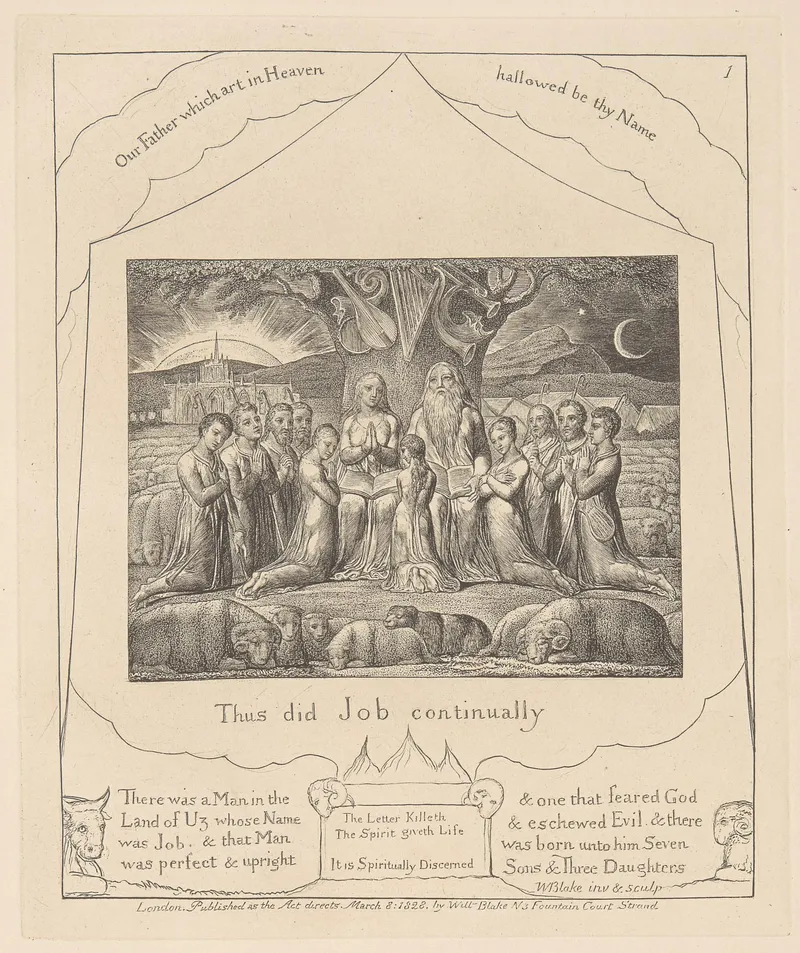
Psalm 79:1-4 · A Psalm of AsaphThe Heathen Are Come Into Thine Inheritance
1O GOD, the heathen are come into thine inheritance; thy holy temple have they defiled; they have laid Jerusalem on heaps. 2The dead bodies of thy servants have they given to be meat unto the fowls of the heaven, the flesh of thy saints unto the beasts of the earth. 3Their blood have they shed like water round about Jerusalem; and there was none to bury them. 4We are become a reproach to our neighbours, a scorn and derision to them that are round about us.
The psalm does not ease in; it opens already in horror. O God, the heathen are come into thine inheritance; thy holy temple have they defiled; they have laid Jerusalem on heaps (v. 1). Notice first to whom the catastrophe is addressed: not to fate, not to the empire that did it, but to God - and notice the possessive pressed three times over. It is thine inheritance, thy holy temple, and the city is the LORD's own.
The singer is not chiefly mourning lost property or national pride; he is grieving that the one place on earth set apart for God has been broken open by those who do not know Him. The word translated defiled is the language of ritual pollution - the holy made unclean, the consecrated trampled by the common. And the result is rubble: Jerusalem laid on heaps, a city reduced to mounds of stone. Before he asks for anything, the singer holds the desecration up before God and reminds Him - and himself - whose house this was.
The desecration is described with mounting grief, and it moves from the sacred to the most intimate. First the temple is defiled and the city laid in heaps (v. 1). Then comes a horror the ancient world felt to the bone: The dead bodies of thy servants have they given to be meat unto the fowls of the heaven, the flesh of thy saints unto the beasts of the earth (v. 2).
To leave the dead unburied, exposed to scavenging birds and beasts, was the ultimate degradation - a contempt that reached past death itself, the very curse Scripture names for the defeated and the godless (Deut. 28:26; Jer. 7:33). These are not nameless casualties; they are thy servants, thy saints - God's own devoted people, dishonoured in their dying.
And the blood of verse 3 - shed like water round about Jerusalem - speaks of slaughter so vast it ran in the streets like rainwater, cheap and uncounted, with none to bury them. The survivors are left to bear the final indignity: We are become a reproach to our neighbours (v. 4), the watching nations turning the catastrophe into a jeer. The psalm refuses to soften any of it. It lays the full weight of the desolation on the page before it dares to pray.
Psalm 79:5-9For Thy Name's Sake
5How long, LORD? wilt thou be angry for ever? shall thy jealousy burn like fire? 6Pour out thy wrath upon the heathen that have not known thee, and upon the kingdoms that have not called upon thy name. 7For they have devoured Jacob, and laid waste his dwelling place. 8O remember not against us former iniquities: let thy tender mercies speedily prevent us: for we are brought very low. 9Help us, O God of our salvation, for the glory of thy name: and deliver us, and purge away our sins, for thy name’s sake.
Out of the rubble comes the question that catastrophe always asks: How long, LORD? wilt thou be angry for ever? shall thy jealousy burn like fire? (v. 5). It is among the oldest prayers in Scripture, and it is worth seeing exactly what it does and does not assume.
The singer does not deny that God is angry - he feels the wrath as something real, burning like fire. But he refuses to believe it is for ever. The whole force of the question presses against the word ever: surely, he is saying, this anger has an end; surely God will not be against His own people without limit.
To ask how long is not unbelief; it is faith under unbearable pressure, faith that keeps speaking to God even when God seems silent. And mark that the singer aims the question at God - prayed to the very One whose anger he longs to see lifted. The lament does not rush past the pain to a tidy answer. It lets the how long stand, raw and unanswered, the way real grief must.
Verses 6 and 7 turn outward to the nations: Pour out thy wrath upon the heathen that have not known thee… For they have devoured Jacob, and laid waste his dwelling place. This is a hard prayer, and it must be read carefully.
The singer asks that God's wrath fall on the heathen that have not known thee - not on personal rivals he wishes to be rid of, but on the kingdoms that have set themselves against God Himself and devoured His people. And crucially, he asks God to pour it out. He does not raise an army or plot a return blow; he commits the whole reckoning into the hands of the only One with the right to judge.
This is the very discipline the New Testament will later command: avenge not yourselves, but rather give place unto wrath: for it is written, Vengeance is mine; I will repay, saith the Lord (Rom. 12:19). The cry against injustice is real and is allowed; but it is laid at God's feet, not seized into the singer's own. There is a world of difference between “I will make them pay” and “O God, You are the Judge - let Your justice be done.” This psalm prays the second.1
Then the prayer makes a move that lifts it above mere complaint against enemies: it turns the searchlight inward. O remember not against us former iniquities: let thy tender mercies speedily prevent us: for we are brought very low (v. 8). The singer does not pretend the people are innocent victims with nothing to answer for. He confesses former iniquities - the sins of the past that lie behind the present ruin - and asks God not to hold them against the people any longer.
The word rendered prevent in the King James means to go before, to come quickly to meet someone in their need; he is begging God's tender mercies to hurry out ahead and reach the people before they are utterly destroyed, for we are brought very low. This is the honesty that makes the psalm so trustworthy as a prayer. It holds two truths together: the enemies have done great wickedness, and the people themselves have sinned. The cry for deliverance does not depend on the people being blameless. It depends on God's mercy being greater than their sin.
Psalm 79:10-13The Sheep of Thy Pasture
10Wherefore should the heathen say, Where is their God? let him be known among the heathen in our sight by the revenging of the blood of thy servants which is shed. 11Let the sighing of the prisoner come before thee; according to the greatness of thy power preserve thou those that are appointed to die; 12And render unto our neighbours sevenfold into their bosom their reproach, wherewith they have reproached thee, O Lord. 13So we thy people and sheep of thy pasture will give thee thanks for ever: we will shew forth thy praise to all generations.
The final movement opens by appealing, daringly, to God's own reputation: Wherefore should the heathen say, Where is their God? (v. 10). The taunt of the nations is not merely cruel; it is theological. They are asking, in effect, whether the God of Israel is real and able - whether He can protect His own or has been beaten by their gods.
The singer turns that taunt into an argument: Lord, Your honour is bound up with us. If You let the nations mock unanswered, You let them be proven right. So he prays, let him be known among the heathen in our sight by the revenging of the blood of thy servants which is shed. He longs for God to act so visibly that the question Where is their God? is silenced - not for the people's sake alone, but so that the LORD is known among the nations as the living God who does not abandon His own.
Before the prayer closes, it bends down to the most helpless: Let the sighing of the prisoner come before thee; according to the greatness of thy power preserve thou those that are appointed to die (v. 11). After the vast horrors - a ruined temple, a slaughtered people, the mocking nations - the psalm narrows to a single, almost inaudible sound: the sighing of the prisoner. These are the captives of the catastrophe, those carried off in chains, and especially those that are appointed to die - the condemned, awaiting execution at the enemy's hand.
The singer asks God to bend His ear to their barely-breathed groan, and to put forth the greatness of His power to keep alive those whom the world has already written off. There is deep tenderness here. The God appealed to is not only the Judge of nations but the One who hears the faintest sigh of the lowest prisoner, and whose power is great enough to preserve the as-good-as-dead. It is the same heart Scripture celebrates elsewhere: the LORD who looseth the prisoners (Ps. 146:7) and heareth the poor, and despiseth not his prisoners (Ps. 69:33).
Verse 12 prays the hardest words in the psalm: And render unto our neighbours sevenfold into their bosom their reproach, wherewith they have reproached thee, O Lord. We should not flinch from it, but we must read it as the psalm itself frames it. First, mark what the reproach was aimed at: it was God who was reproached - wherewith they have reproached thee. The mockery the singer wants repaid is the mockery of God Himself.
Second, and decisively, mark whose hand is asked to do the rendering. The singer does not say let us repay them sevenfold; he asks God to render it. The reckoning is committed entirely to the divine Judge, exactly where the New Testament insists it belongs: Vengeance is mine; I will repay, saith the Lord (Rom. 12:19), an echo of the ancient word, To me belongeth vengeance, and recompence (Deut. 32:35).
This is not a license for personal revenge; it is its opposite - the deliberate handing of the case to the only One who can judge it justly. The wronged and the helpless are not told to swallow the injustice as if it did not matter, nor to seize the sword themselves. They are taught to lay even their fiercest cry for justice at God's feet, and to trust Him to be the righteous Judge that He is.1
Research trail
Sources & further study
These references support the historical, linguistic, manuscript, and contextual notes in this chapter. Scripture remains the primary text; external sources are provided so readers can inspect the research directly.
- Psalm 79 - Translators' NotesThe NET Bible's detailed footnotes on Psalm 79 - the historical setting of a sacked and desecrated Jerusalem, the force of the unburied dead and blood “shed like water,” the legal sense of the appeal for vengeance in verses 10 and 12, and the covenant language of the closing vow of the “sheep of thy pasture.”
- Psalm 79 · Hebrew + classical Jewish commentaryThe Hebrew text of Psalm 79 with Rashi, Ibn Ezra, and other classical commentators side by side - useful for nachalah (v. 1, the “inheritance” that is God's own possession), for kaphar (v. 9, “purge away,” to cover and atone for sin), for naqam (v. 10, the “revenging” of shed blood), and for the long Jewish memory of mourning over a destroyed sanctuary and unburied dead.
- Psalm 79 ↔ 1 John 2 · Revelation 6 · Revelation 19 · John 10Traces the verbal and thematic threads tying Psalm 79 to the wider Scripture - sins purged away for his name's sake (1 John 2:12), the shed blood of the servants answered in the martyrs' cry beneath the altar (Rev. 6:10; 19:2), and the sheep of thy pasture gathered by the Good Shepherd (John 10:11; Ps. 100:3).
Where this echoes in Scripture
The Heathen Are Come Into Thine Inheritance
- Deuteronomy 32:9For the LORD's portion is his people; Jacob is the lot of his inheritance.The inheritance of verse 1 is not merely land - God's own people are His heritage.
- Genesis 4:10the voice of thy brother's blood crieth unto me from the ground.The unburied blood of verse 3 cries to God - He never forgets the blood of the righteous.
- Hebrews 13:12Jesus also, that he might sanctify the people with his own blood, suffered without the gate.Christ's blood, too, was shed outside the walls of Jerusalem - but to cleanse rather than condemn.
- Revelation 6:10How long, O Lord, holy and true, dost thou not judge and avenge our blood on them that dwell on the earth?The shed blood of the servants (v. 3) gathered into the martyrs' cry - and at last answered.
For Thy Name's Sake
- 1 John 2:12your sins are forgiven you for his name's sake.The exact ground of verse 9 - forgiveness granted not for our deserving but for His name's sake.
- Hebrews 9:26now once in the end of the world hath he appeared to put away sin by the sacrifice of himself.The atonement purge away our sins (v. 9) reaches toward, accomplished once for all in Christ.
- Romans 12:19avenge not yourselves... Vengeance is mine; I will repay, saith the Lord.The discipline behind verses 6-7 - the cry for wrath laid at God's feet, never seized.
- Daniel 9:18-19we do not present our supplications before thee for our righteousnesses, but for thy great mercies... for thine own sake, O my God.The same prayer-shape as verses 8-9 - pleading God's mercy and name, not the people's deserving.
The Sheep of Thy Pasture
- Revelation 6:10-11How long, O Lord, holy and true, dost thou not judge and avenge our blood... rest yet for a little season.The cry to avenge the servants' blood (v. 10) raised again by the martyrs - and answered with a promised, appointed reckoning.
- Deuteronomy 32:35To me belongeth vengeance, and recompence... for the day of their calamity is at hand.The ground of verse 12 - the reckoning belongs to God, handed wholly to Him rather than seized.
- John 10:11I am the good shepherd: the good shepherd giveth his life for the sheep.The sheep of thy pasture (v. 13) gathered at last by a Shepherd who lays down His life for them.
- Psalm 100:3we are his people, and the sheep of his pasture.The same confession of belonging that closes Psalm 79 - still His flock, even in the ruin.