Painter of the Bible
Simone Cantarini
Simone Cantarini — sometimes called Il Pesarese after his birthplace at Pesaro on the Adriatic — was a leading Bolognese Baroque painter and etcher of the second quarter of the seventeenth century and the principal pupil of Guido Reni.

Their faith
Why Simone Cantarini painted Christ
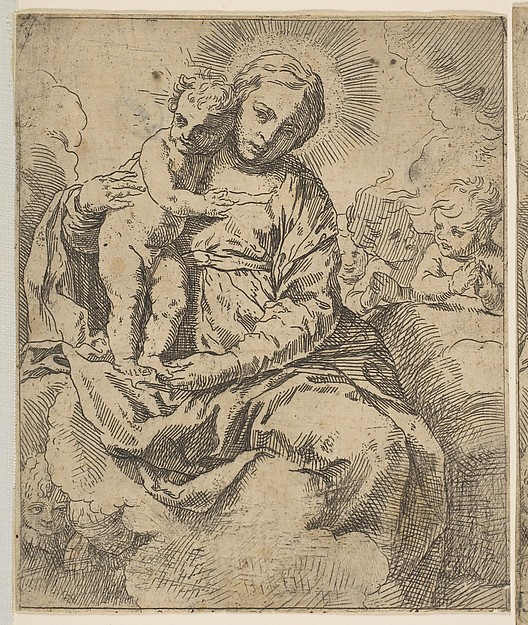
Simone Cantarini, known as Il Pesarese, was deeply rooted in the Christian faith, which profoundly influenced his artistic endeavors. Trained under the esteemed Guido Reni in Bologna, Cantarini's work reflects the devotional practices of his time, focusing on sacred subjects that resonate with the heart of Christianity. His altarpieces and devotional canvases were not merely artistic expressions; they were acts of worship that sought to elevate the viewer's spirit and draw them closer to God. The reverence with which he approached scripture and the church is evident in his commitment to depicting biblical narratives, such as the Madonna of the Rosary and the Adoration of the Shepherds, which invite contemplation and prayer.
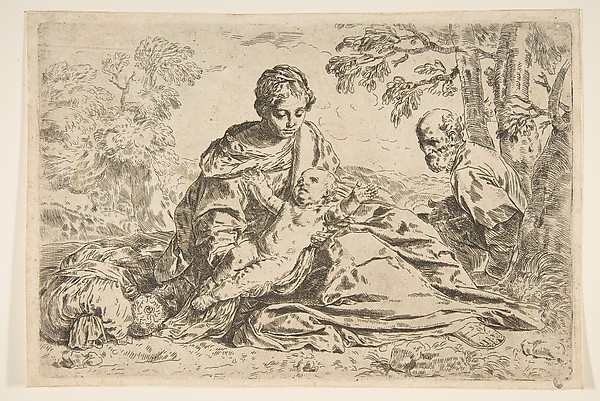
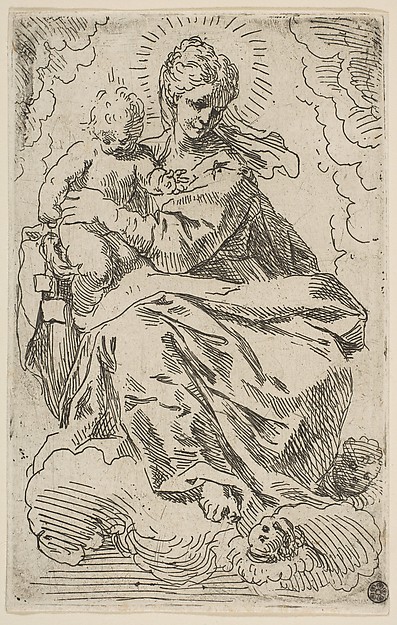
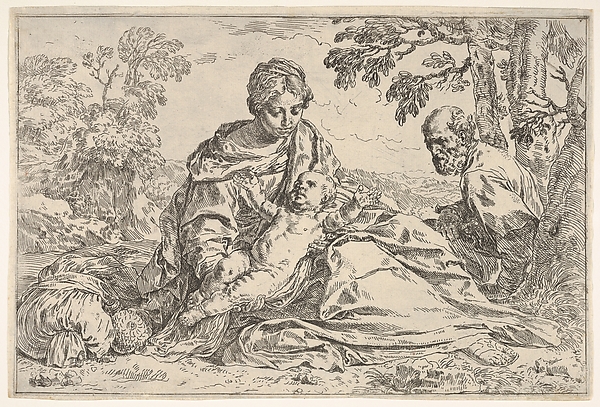
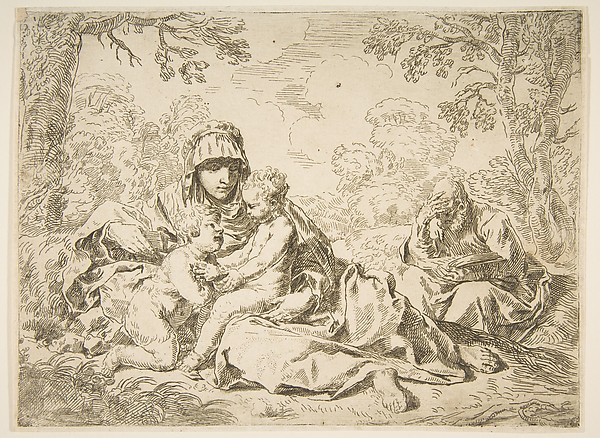
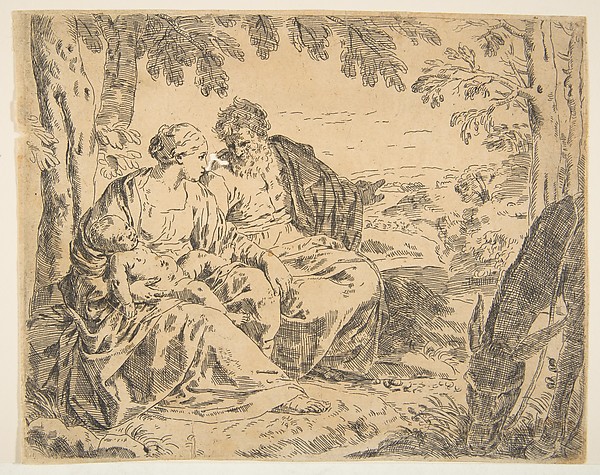
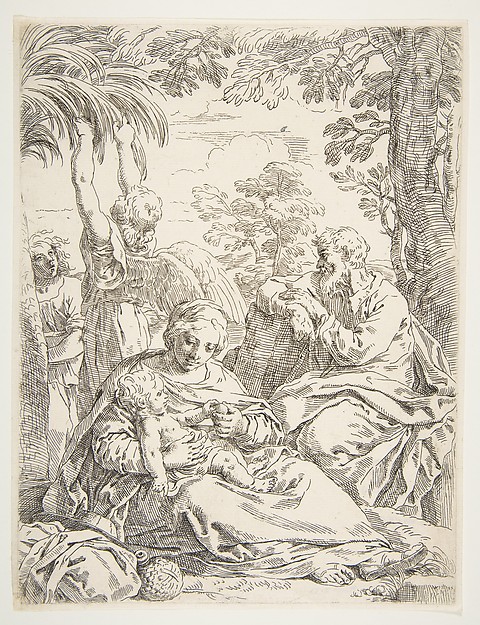
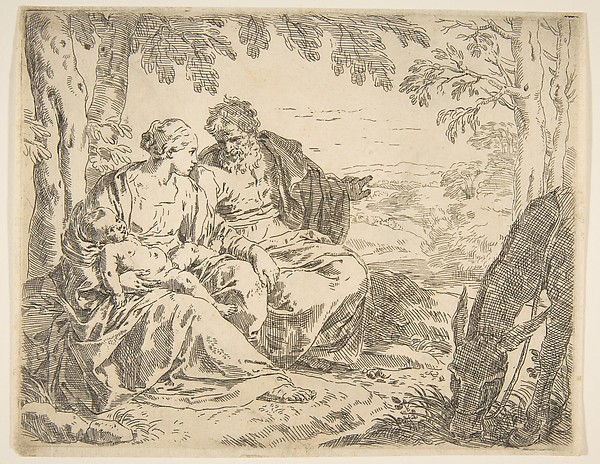
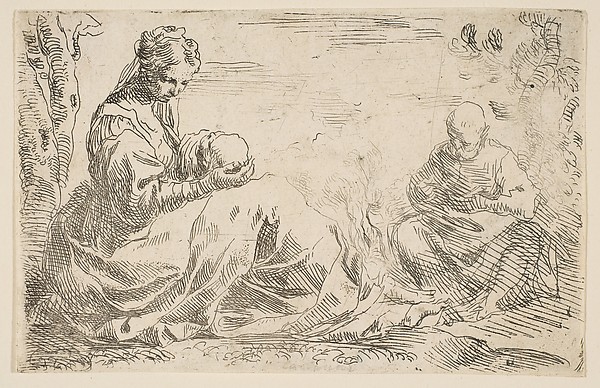
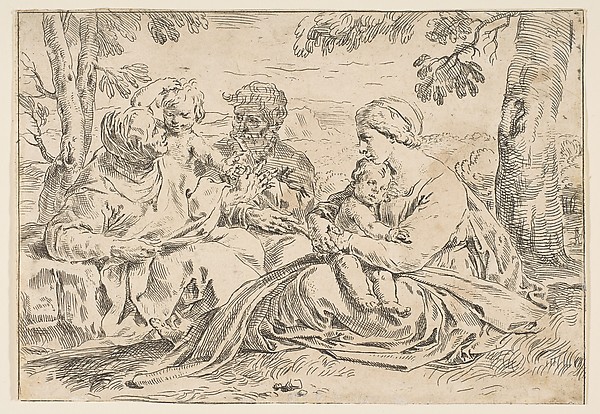
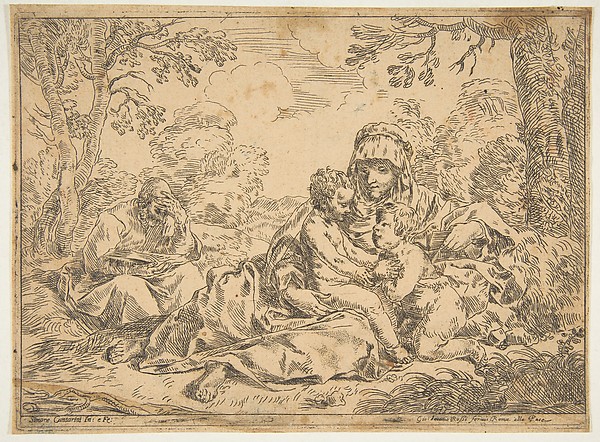
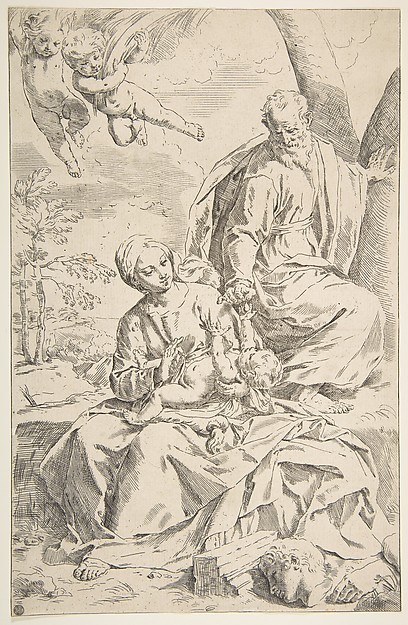
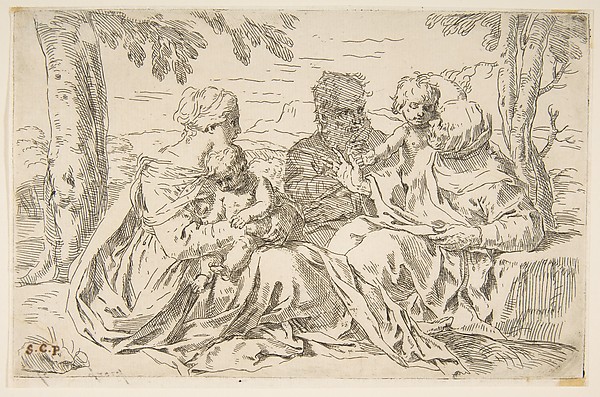
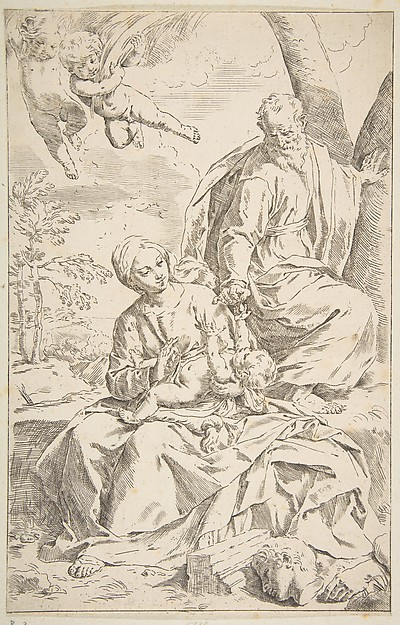
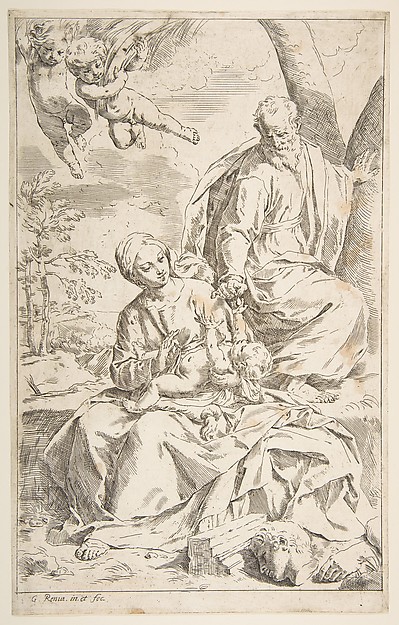
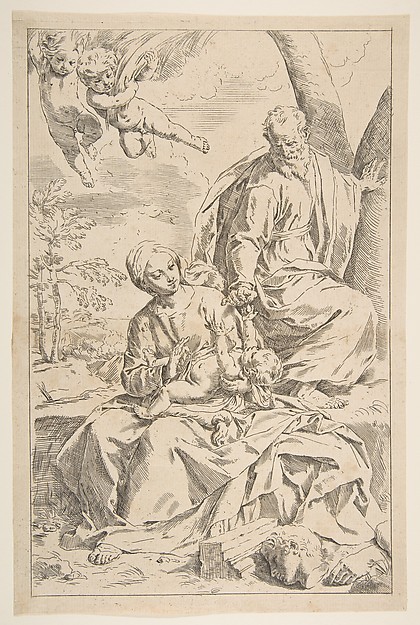
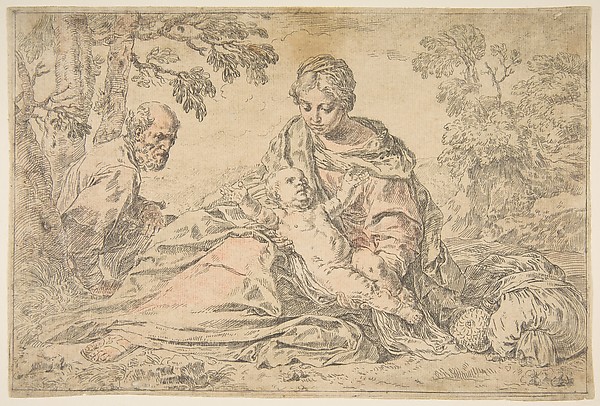
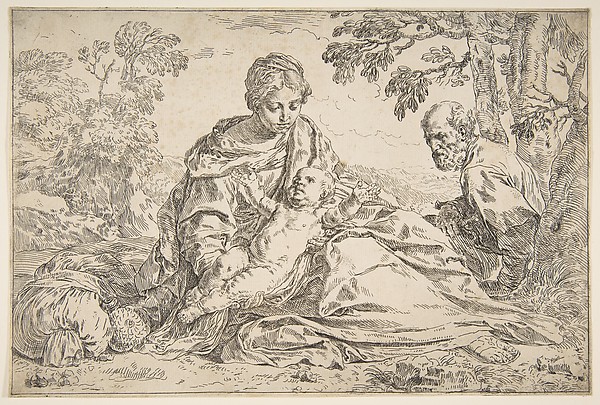
Cantarini's faith is beautifully manifested in his compositions, where he melds the classicizing discipline learned from Reni with a delicate touch that speaks to the divine. His works, including the Resting Madonna and Child and the Holy Family etchings, showcase a serene and ethereal quality that draws the viewer into a sacred space. Each piece reflects not only his artistic skill but also his spiritual vision, inviting viewers to experience the beauty of Christ's presence. Despite the challenges he faced in his personal life, including a tumultuous relationship with his mentor and a premature death, Cantarini's devotion to his craft and faith continues to inspire. His art serves as a timeless reminder of the divine grace that transcends even the most difficult circumstances, reaching out to touch the hearts of those who encounter it today.
Life & work
Simone Cantarini — sometimes called Il Pesarese after his birthplace at Pesaro on the Adriatic — was a leading Bolognese Baroque painter and etcher of the second quarter of the seventeenth century and the principal pupil of Guido Reni. Born in Pesaro in 1612, trained in his native Marche city before moving to Bologna around 1632 to study under Reni in the principal Bolognese workshop of the period, and active in Bologna and Mantua for his short career, he died in Verona in 1648 — only thirty-six years old.
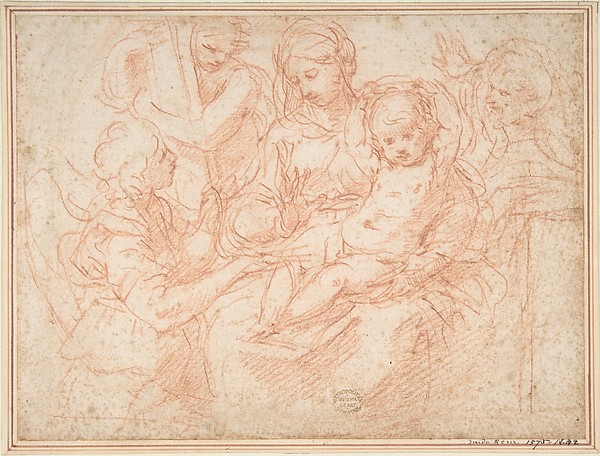
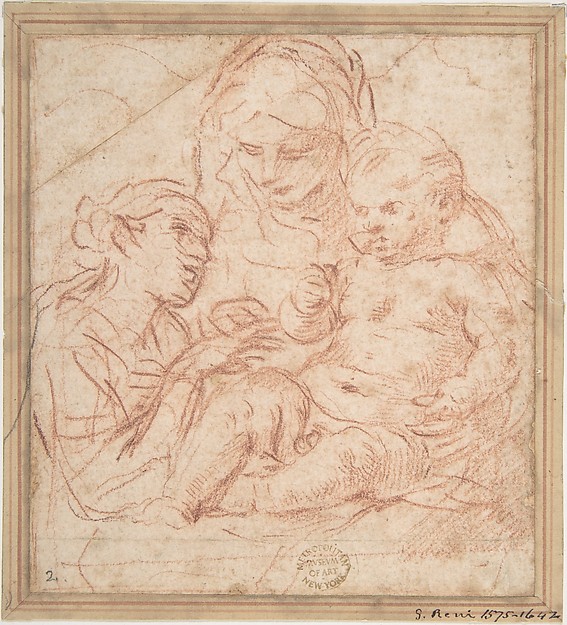
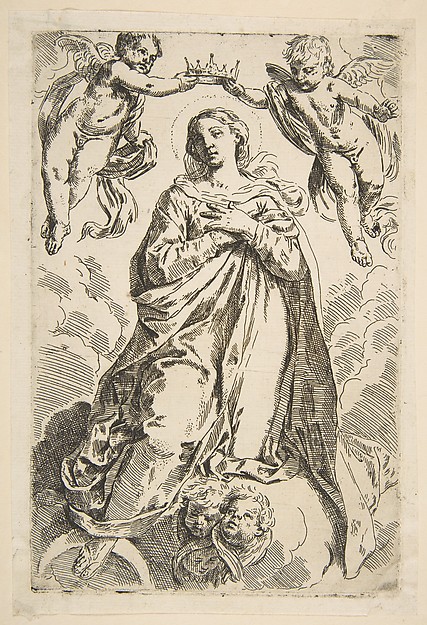
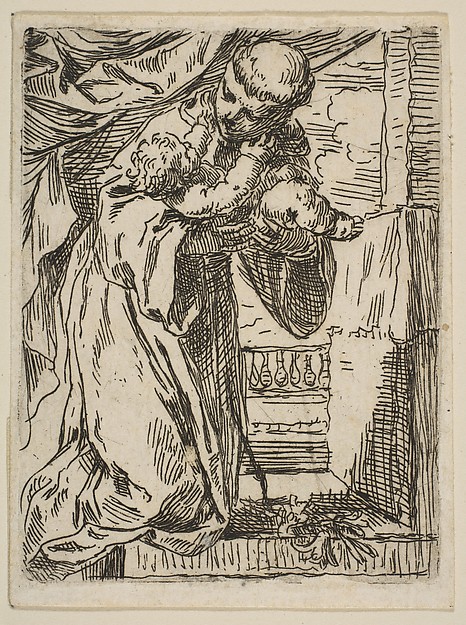
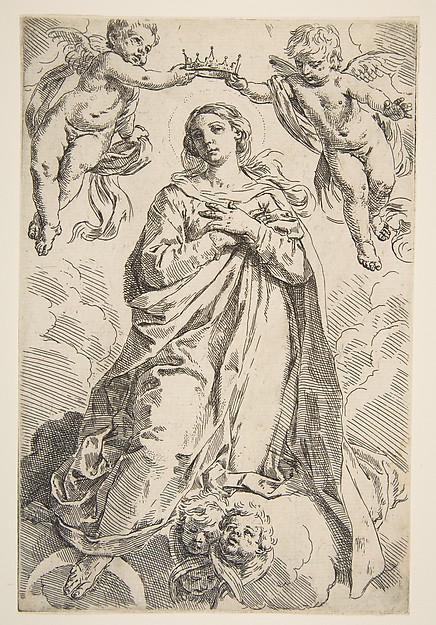
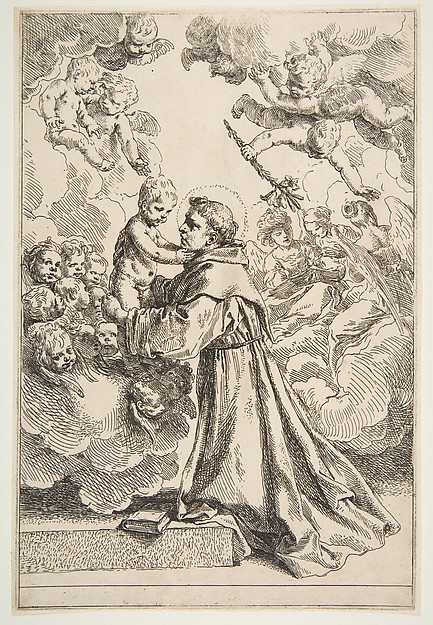
His Christian religious work is concentrated in altarpieces, small devotional canvases, and a substantial body of etched compositions in his characteristic combination of Reni-Bolognese classicizing figural discipline and a particularly delicate handling of the etched line. The Resting Madonna and Child compositions, the Saint John the Baptist as a Boy paintings (multiple workshop variants), the Adoration of the Shepherds, the Madonna of the Rosary altarpiece in the Bolognese church of San Giovanni Battista dei Celestini, the Saint Anthony of Padua compositions, and his approximately seventy surviving etched plates — including the great series of Holy Family compositions, the Madonnas, and the small biblical-narrative subjects — fill the painted-and-printed corpus.
His personal style closely models on his teacher Reni's mature Bolognese manner — soft sfumato modeling, calm classicizing compositional discipline, deep saturated chromatic palette of crimson, ultramarine, and pale silver-grey — and individual paintings have sometimes been attributed to Reni rather than to Cantarini in older scholarship. The etchings in particular show a delicate painterly handling of the etched line that the late seventeenth-century French and Italian printmakers studied carefully.
He had a famously difficult personality (Malvasia's Felsina Pittrice, the principal seventeenth-century Bolognese artist-biography, devotes considerable attention to his quarrels with Reni and his eventual self-exile from Bologna in 1639), and his early death cut short what would almost certainly have been a major Bolognese career. He is buried in the Bolognese church of Santa Maria delle Grazie.