Painter of the Bible
Stefano della Bella
Stefano della Bella was a Florentine etcher and printmaker, the principal Italian rival of Jacques Callot in the technical refinement of the etched line and one of the most prolific Italian printmakers of the seventeenth century.

Their faith
Why Stefano della Bella painted Christ
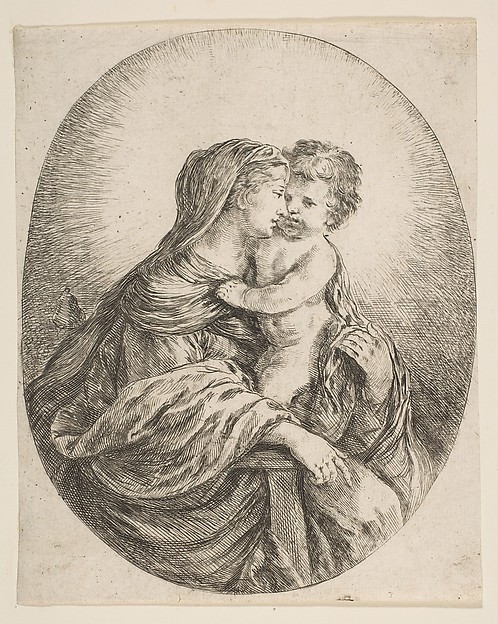
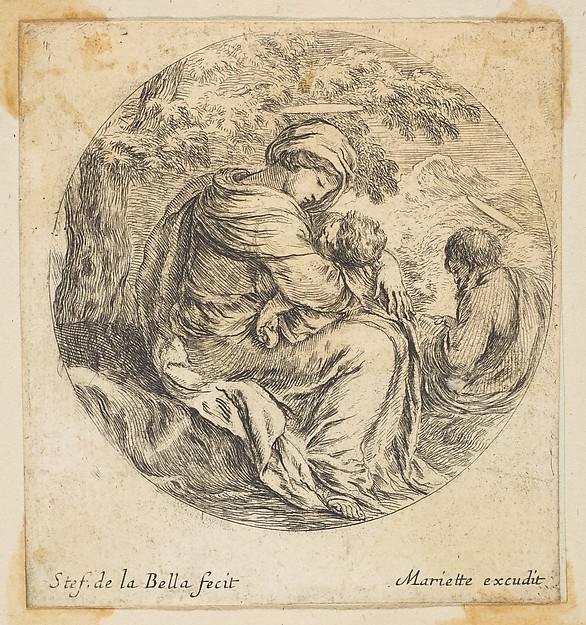
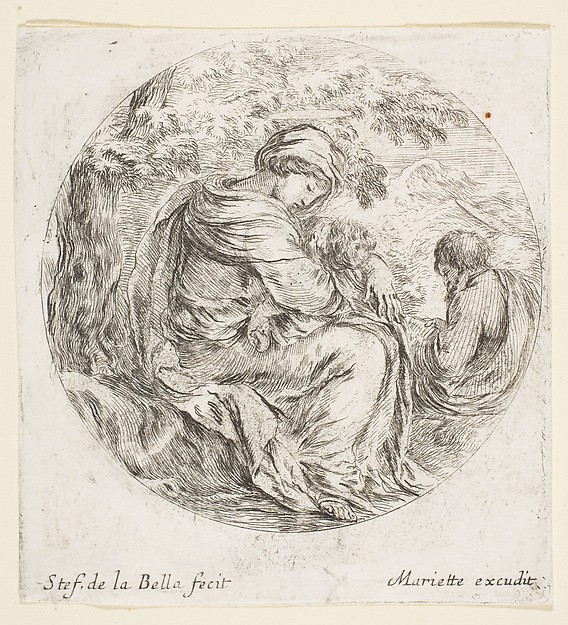
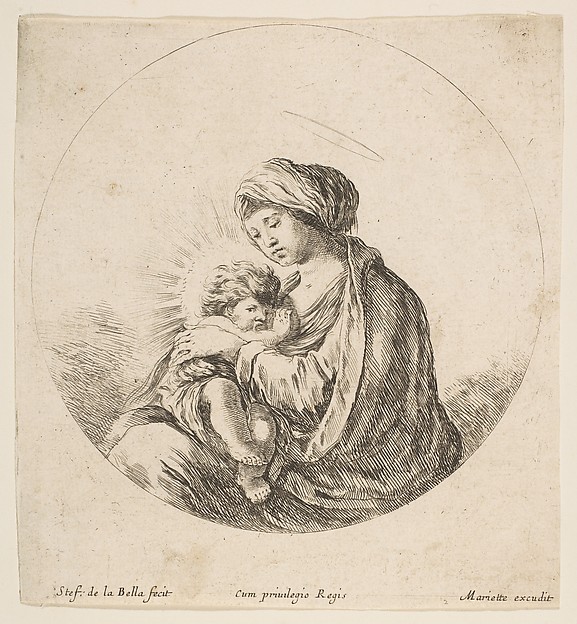
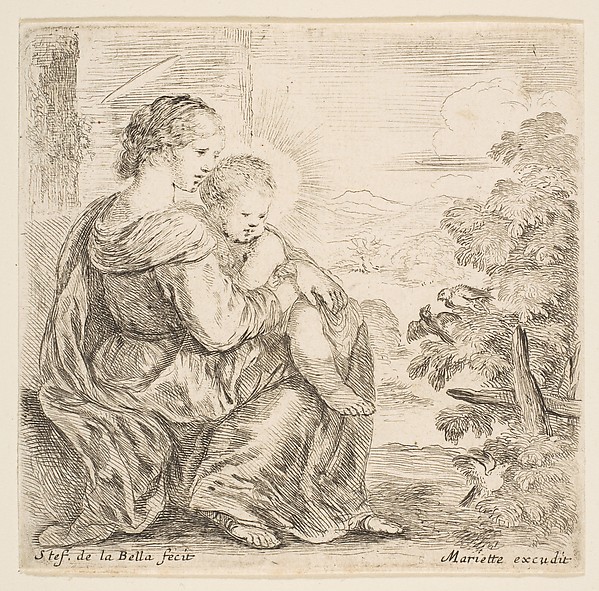
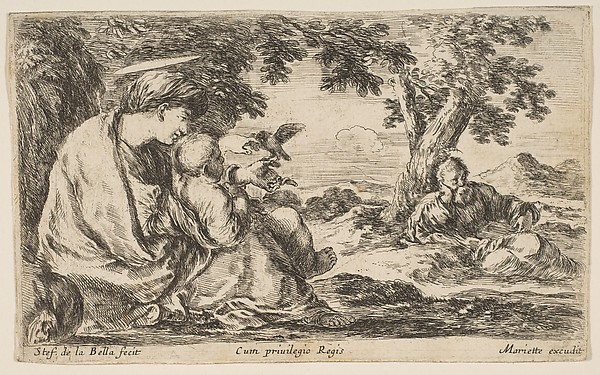
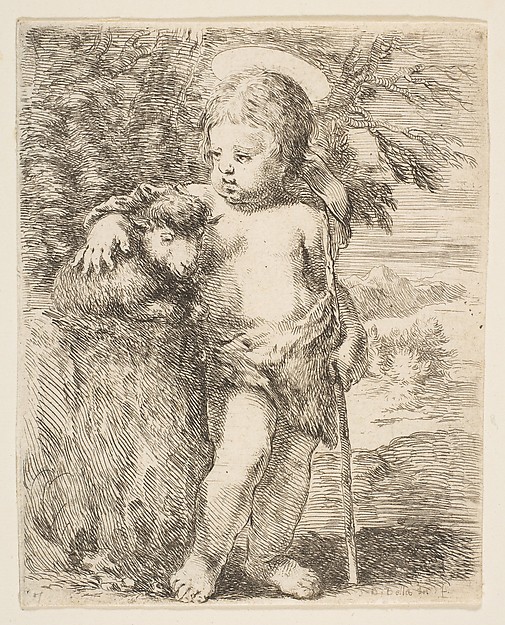
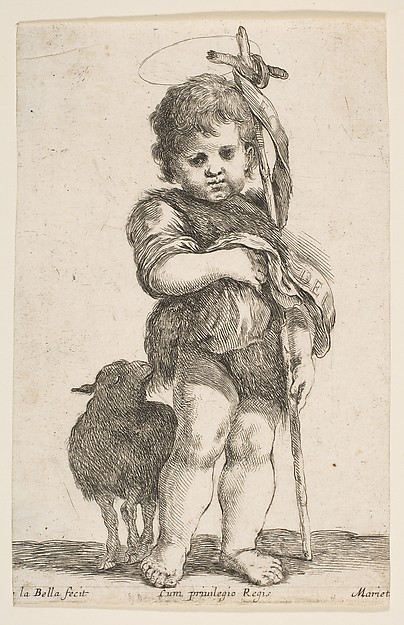
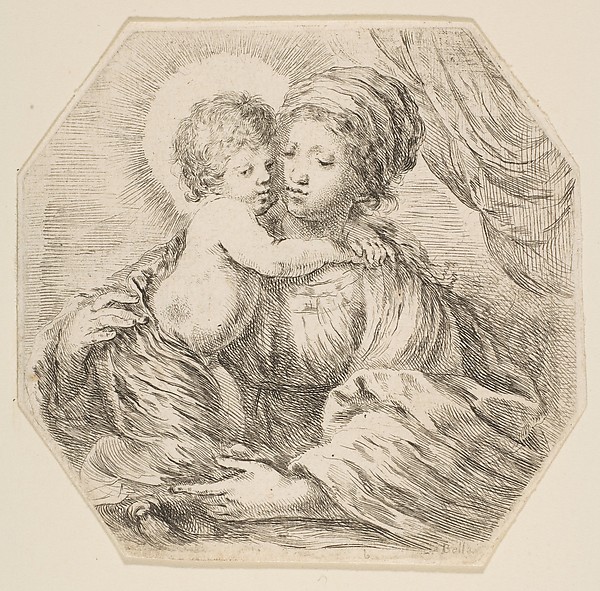
Stefano della Bella, born in Florence in 1610, was deeply rooted in the Christian faith, a belief that undoubtedly influenced his artistic pursuits. Growing up in a family of artists, with his father being a sculptor, della Bella was immersed in the beauty of creation from an early age. His training in both his father's workshop and a goldsmith's bottega honed his skills, but it was his turn to printmaking that allowed him to express his devotion through art. While much of his work spanned secular themes, his Christian etchings reveal a profound reverence for biblical narratives. His pieces, such as the poignant 'Crucifixion' and the tender 'Madonna and Child,' reflect a deep engagement with scripture and a desire to convey the spiritual truths found therein.
Della Bella's faith is particularly evident in his religious etchings, which served as both devotional aids and artistic expressions of his beliefs. His works like 'The Stoning of Saint Stephen' and 'The Sacrifice of Isaac' are not merely illustrations; they are heartfelt interpretations of sacred stories that invite viewers to contemplate their significance. Through his delicate handling of the etched line, he was able to capture the emotional depth of these biblical moments, making them accessible to a wider audience. Even though his secular works are more celebrated, it is in these religious pieces that we see the artist's spiritual vision come alive, reminding us that the beauty of faith can be expressed in myriad forms. Della Bella's devotion continues to resonate with viewers today, drawing them closer to the divine through his masterful artistry.
Life & work
Stefano della Bella was a Florentine etcher and printmaker, the principal Italian rival of Jacques Callot in the technical refinement of the etched line and one of the most prolific Italian printmakers of the seventeenth century. Born in Florence in 1610 to the sculptor Francesco della Bella, trained in his father's workshop and then in a goldsmith's bottega before turning decisively to printmaking under the influence of the recently published Callot etchings, and active in Florence, Rome, Paris (1639–1650, where he worked under the patronage of Cardinal Mazarin and the French royal court), and Florence again, he died in Florence in 1664.
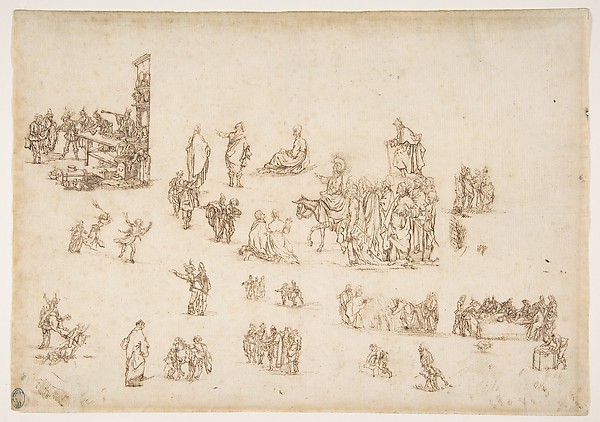
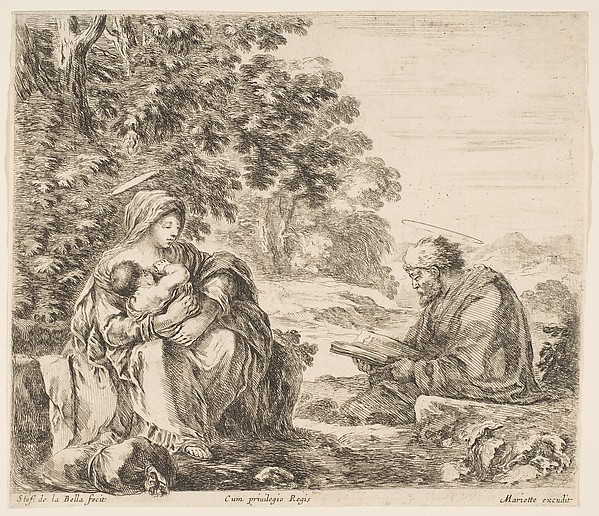
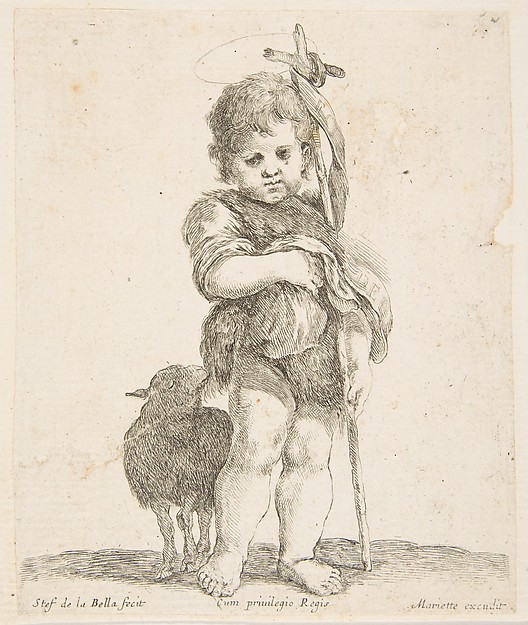
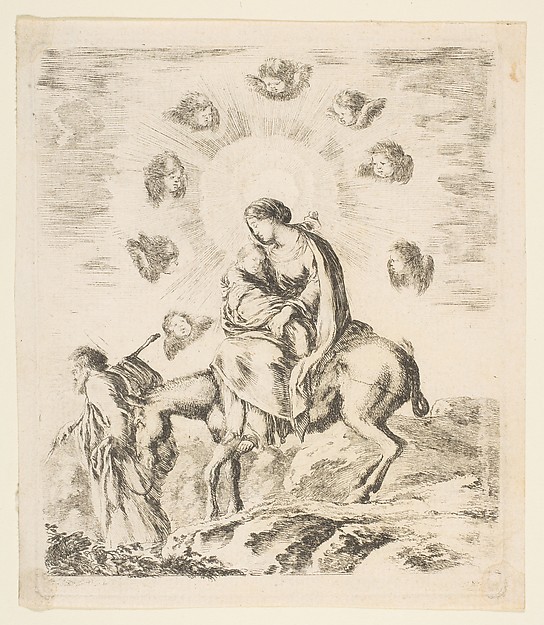
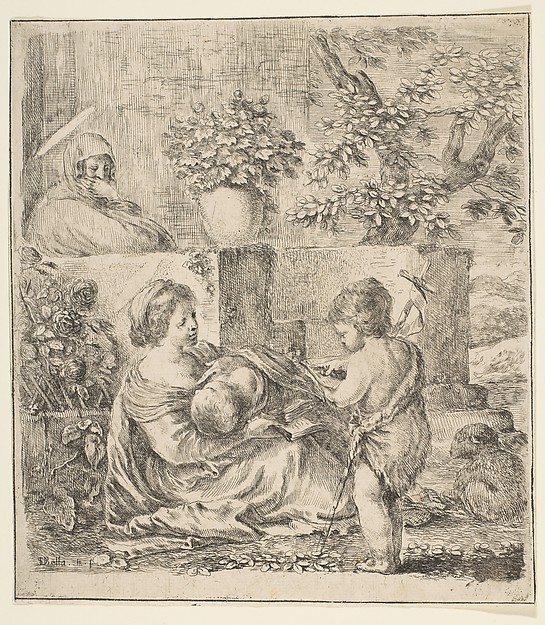
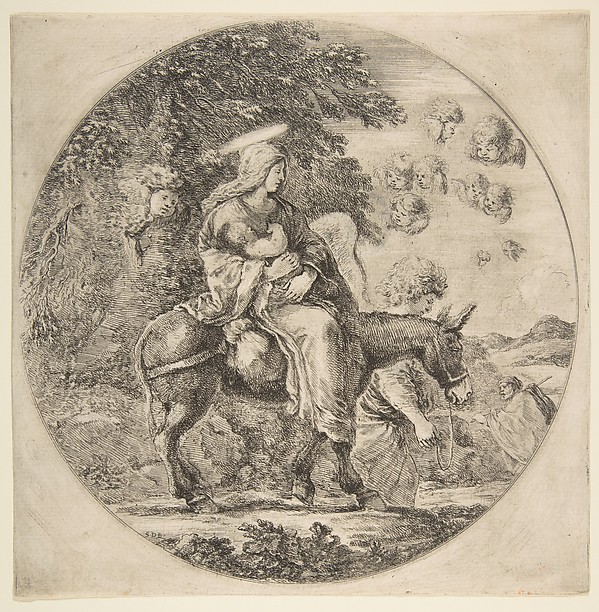
His Christian religious work is a small but significant component of his enormous etched output (more than 1,050 surviving plates across his career). The Massacre of the Innocents, the Crucifixion compositions, the Madonna and Child small devotional plates, the Saint Anthony of Padua subjects, and a long sequence of small biblical-narrative etchings circulated as both single-leaf devotional prints and as components of illustrated devotional books across his career. The Stoning of Saint Stephen, the Sacrifice of Isaac, and several Crucifixion plates are among the most reproduced of his religious etchings.
His secular output is more famous: the great series of military encampments, sieges, and battle pieces (including the Siege of Arras of 1640 and the Siege of La Rochelle drawings); the comprehensive series of skeletons-and-deaths (the Five Deaths of 1648 — including the famous skeleton on horseback that anticipates by two centuries the Romantic interest in the macabre); the Polish ambassadors and the various ceremonial entries he etched for Cardinal Mazarin's Paris court; and the great late series of childhood games, fairground scenes, and rural Italian landscapes that filled his Florentine late career.
He combined an unusually delicate technical handling of the etched line with an enormous range of subject matter; the modern catalogue raisonné by Alexandre de Vesme runs to nearly fourteen hundred entries. He was buried in the Florentine church of Santa Maria del Fiore.