Who was Barabbas in the Bible?
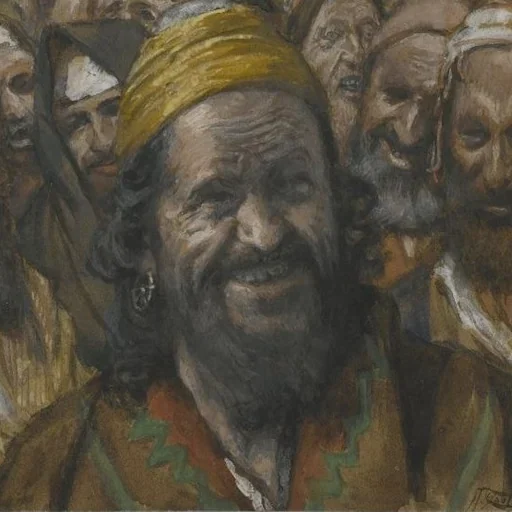
Barabbas was a prisoner guilty of rebellion and murder whom the crowd chose to set free instead of Jesus.
Prisoner Released in Place of Jesus
1st century AD
Barabbas was a prisoner guilty of rebellion and murder whom the crowd chose to set free instead of Jesus.
Follow the reading trailBEYOND THE NAME
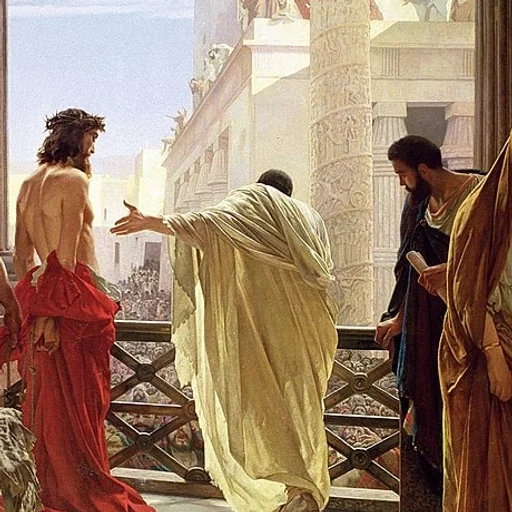
Barabbas was a notorious prisoner held for taking part in an insurrection and for murder. When Pilate offered to release one prisoner at the feast, the crowd, stirred up by the leaders, called for Barabbas and demanded that Jesus be crucified. So the guilty man went free while the innocent One was handed over to die.
FOLLOW THE PASSAGES
These are chapter studies associated with this record. Their order follows the books and chapters, rather than a reconstructed timeline of the person’s life.
notorious prisoner released by Pilate in place of Jesus at the crowd's demand
Everything in Matthew has been moving toward this chapter, and it opens at first light with the verdict already settled: When the morning was come, all the chief priests and elders of the people took counsel against Jesus to put him to death (v. 1). They bind Him and hand Him over to Pontius Pilate, the Roman governor - the only man in Jerusalem who can authorize an execution. But before the trial proper begins, the chapter turns aside to Judas, who has watched what his betrayal set in motion and cannot live with it.
Chapter overview from the authored study guide.prisoner released instead of Jesus at the crowd's demand
Mark has been building to this from his first sentence - The beginning of the gospel of Jesus Christ, the Son of God (1:1) - and now the hour has come. In the early morning the chief priests, elders, scribes, and the whole council bind Jesus and deliver Him to Pilate, the Roman governor. Pilate’s question goes to the heart of it: Art thou the King of the Jews? Jesus answers, Thou sayest it (v. 2) - owning the title, but not on the terms Pilate has in mind. Then, under a storm of accusation, He says nothing at all, so that Pilate marvelled (v. 5).
Chapter overview from the authored study guide.THE PEOPLE AROUND THE PERSON
Relationships follow the source graph. Some are interpretive or uncertain, and individual verse citations are not yet available for every connection.
STUDY & INTERPRETATION
Barabbas stands at the heart of the trial as a vivid, unmistakable picture of exchange. A man condemned for rebellion and bloodshed walks out of his chains, while Jesus, in whom Pilate found no fault, is led to the cross in his place. The crowd’s choice puts the whole human predicament on display, and yet through that very miscarriage of justice God was working salvation. In the freed prisoner who deserved death we see something of every reader, for the sinless One took the place of the guilty so that those bound by sin might be set free.
From the Learn of Christ person commentary. Read alongside the linked Scripture passages.KEEP SCRIPTURE CLOSE
2 authored chapter guides feature this person. This is guide coverage, not an exhaustive count of biblical mentions.
ASK A BETTER QUESTION
Identity, story, early-life sources, family, and where to read.
Names and spellings in the source: Barabbas · Jesus
Barabbas was a prisoner guilty of rebellion and murder whom the crowd chose to set free instead of Jesus.
Barabbas was a notorious prisoner held for taking part in an insurrection and for murder. When Pilate offered to release one prisoner at the feast, the crowd, stirred up by the leaders, called for Barabbas and demanded that Jesus be crucified. So the guilty man went free while the innocent One was handed over to die.
The individualized passage index associates this Barabbas record with Matthew, Mark, Luke, John. There are 10 distinct indexed verse references in the 66-book Bible. Browse the book-by-book list below; it separates this identity from other people who share the name. Source assignments and textual identifications can require interpretation.
A separate childhood account for Barabbas is not provided in our current authored profile sources. Begin with Matthew 27:16 and the passages linked here for the evidence that is available. The first indexed reference to a name is not a birth record. This profile does not establish a birth date, schooling, or childhood events beyond what its sources state.
The current source graph does not list immediate family for Barabbas. That is a limit of this data, not evidence that Barabbas had no relatives. Read the cited passages for the details they actually give.
Barabbas stands at the heart of the trial as a vivid, unmistakable picture of exchange. A man condemned for rebellion and bloodshed walks out of his chains, while Jesus, in whom Pilate found no fault, is led to the cross in his place.
Answers draw on our existing authored biography and linked chapter studies. Where supplied, verse assignments come from the individualized STEP Bible index. Childhood answers distinguish documented events from gaps in the available sources.
FIND THE PERSON IN THE TEXT
10 distinct verse references in the source’s 66-book index. These are indexed name assignments, rather than every indirect allusion to this person. A name may also refer to descendants, a tribe, or a nation; read each passage to distinguish that usage from the individual.
“And they had then a notable prisoner, called Barabbas.”
Matthew 27:16 · King James Version
“The governor answered and said unto them, Whether of the twain will ye that I release unto you? They said, Barabbas.”
Matthew 27:21 · King James Version
“But the chief priests moved the people, that he should rather release Barabbas unto them.”
Mark 15:11 · King James Version
“Then cried they all again, saying, Not this man, but Barabbas. Now Barabbas was a robber.”
John 18:40 · King James Version
References are adapted from STEP Bible / Tyndale House TIPNR (CC BY 4.0). Deduplicated, matched to this identity, and checked against the bundled KJV’s verse bounds. Interpretive assignments and translation/versification differences may remain. This index is separate from evidence for individual family relationships.
YOUR OWN OBSERVATIONS
Notes, saved people, and study marks stay in this browser. They do not sync to your account.
KEEP EXPLORING
People featured in the same study guides. Sharing a chapter does not establish a family relationship.