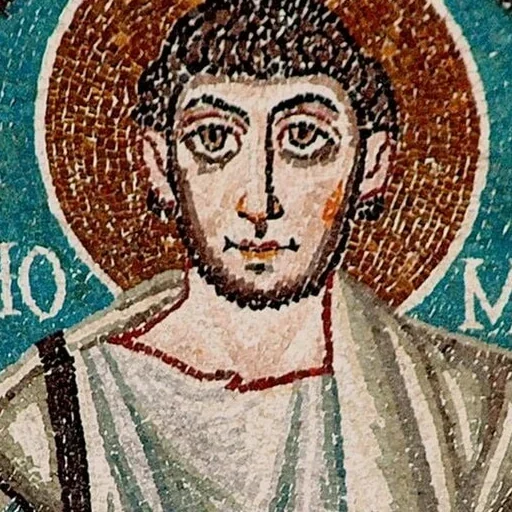
Who was Thomas in the Bible?
Thomas was an apostle who doubted that Jesus had risen until he saw Him, then declared, “My Lord and my God.”
Apostle Who Confessed the Risen Lord
1st century AD
Thomas was an apostle who doubted that Jesus had risen until he saw Him, then declared, “My Lord and my God.”
Follow the reading trailBEYOND THE NAME
Thomas, also called Didymus, was one of the twelve apostles, remembered both for his willingness to die with Jesus and for his refusal to believe the resurrection without seeing for himself. When Jesus appeared and invited him to touch His wounds, Thomas answered with the great confession, “My Lord and my God.” Jesus then blessed those who would believe without seeing.
Themes in the authored commentary
FOLLOW THE PASSAGES
These are chapter studies associated with this record. Their order follows the books and chapters, rather than a reconstructed timeline of the person’s life.
absent at the first appearance, refuses to believe without touching Jesus's wounds, then confesses him as Lord and God
John has told the story of seven great signs, of long nights of teaching, of a cross and a sealed tomb. Now he tells the eighth and final sign, the one all the others pointed to. The first day of the week cometh Mary Magdalene early, when it was yet dark, unto the sepulchre, and seeth the stone taken away (v. 1). She runs to Peter and to the disciple whom Jesus loved with the only explanation she can imagine: They have taken away the Lord… and we know not where they have laid him. The two men race to the tomb and find it open and empty - but not ransacked.
Chapter overview from the authored study guide.among the seven disciples present at the Sea of Tiberias appearance
After the locked-room appearances of the previous chapter, the scene moves back to Galilee, to the lake the disciples knew best. Seven of them are together, and Peter breaks the waiting with a sentence as plain as it is restless: I go a fishing. The others go with him, and the night that follows is empty - that night they caught nothing (v. 3). At first light a figure stands on the shore, unrecognized, and asks whether they have any food; then comes the word that turns the night around: Cast the net on the right side of the ship, and ye shall find (v. 6). They cast, and cannot haul the net for the sheer weight of fish.
Chapter overview from the authored study guide.THE PEOPLE AROUND THE PERSON
Relationships follow the source graph. Some are interpretive or uncertain, and individual verse citations are not yet available for every connection.
STUDY & INTERPRETATION
Thomas is often remembered for his doubt, yet the Gospel also shows him ready to follow Jesus into danger and honest enough to voice the questions others kept silent. When the risen Lord appeared and offered His wounded hands and side, Thomas moved from doubt to one of the clearest confessions of Jesus in all of Scripture. His words, addressed directly to Jesus as Lord and God, gather up the witness of the whole Gospel into a single cry of faith. The blessing Jesus then spoke over those who believe without seeing reaches forward to every later reader, turning Thomas’s encounter into an invitation extended far beyond that room.
From the Learn of Christ person commentary. Read alongside the linked Scripture passages.KEEP SCRIPTURE CLOSE
2 authored chapter guides feature this person. This is guide coverage, not an exhaustive count of biblical mentions.
ASK A BETTER QUESTION
Identity, story, early-life sources, family, and where to read.
Names and spellings in the source: Thomas · Didymus · Twin
Thomas was an apostle who doubted that Jesus had risen until he saw Him, then declared, “My Lord and my God.”
Thomas, also called Didymus, was one of the twelve apostles, remembered both for his willingness to die with Jesus and for his refusal to believe the resurrection without seeing for himself. When Jesus appeared and invited him to touch His wounds, Thomas answered with the great confession, “My Lord and my God.” Jesus then blessed those who would believe without seeing.
The individualized passage index associates this Thomas record with Matthew, Mark, Luke, John, Acts. There are 11 distinct indexed verse references in the 66-book Bible. Browse the book-by-book list below; it separates this identity from other people who share the name. Source assignments and textual identifications can require interpretation.
A separate childhood account for Thomas is not provided in our current authored profile sources. Begin with Matthew 10:3 and the passages linked here for the evidence that is available. The first indexed reference to a name is not a birth record. This profile does not establish a birth date, schooling, or childhood events beyond what its sources state.
The current source graph does not list immediate family for Thomas. That is a limit of this data, not evidence that Thomas had no relatives. Read the cited passages for the details they actually give.
Thomas is often remembered for his doubt, yet the Gospel also shows him ready to follow Jesus into danger and honest enough to voice the questions others kept silent. When the risen Lord appeared and offered His wounded hands and side, Thomas moved from doubt to one of the clearest confessions of Jesus in all of Scripture.
Answers draw on our existing authored biography and linked chapter studies. Where supplied, verse assignments come from the individualized STEP Bible index. Childhood answers distinguish documented events from gaps in the available sources.
FIND THE PERSON IN THE TEXT
11 distinct verse references in the source’s 66-book index. These are indexed name assignments, rather than every indirect allusion to this person. A name may also refer to descendants, a tribe, or a nation; read each passage to distinguish that usage from the individual.
“Philip, and Bartholomew; Thomas, and Matthew the publican; James the son of Alphaeus, and Lebbaeus, whose surname was Thaddaeus;”
Matthew 10:3 · King James Version
“Then said Thomas, which is called Didymus, unto his fellowdisciples, Let us also go, that we may die with him.”
John 11:16 · King James Version
“Then saith he to Thomas, Reach hither thy finger, and behold my hands; and reach hither thy hand, and thrust it into my side: and be not faithless, but believing.”
John 20:27 · King James Version
“And when they were come in, they went up into an upper room, where abode both Peter, and James, and John, and Andrew, Philip, and Thomas, Bartholomew, and Matthew, James the son of Alphaeus, and Simon Zelotes, and Judas the brother of James.”
Acts 1:13 · King James Version
References are adapted from STEP Bible / Tyndale House TIPNR (CC BY 4.0). Deduplicated, matched to this identity, and checked against the bundled KJV’s verse bounds. Interpretive assignments and translation/versification differences may remain. This index is separate from evidence for individual family relationships.
YOUR OWN OBSERVATIONS
Notes, saved people, and study marks stay in this browser. They do not sync to your account.
KEEP EXPLORING
People featured in the same study guides. Sharing a chapter does not establish a family relationship.