- Starting price
- Free
- Free tier
- Yes
- Platforms
- Web · Mobile browser · Embeddable video
- Developer
- Loveology, a 501(c)(3) nonprofit
- Launched
- 2020
- Updated
- Aug 16, 2026
The verdict
Loveology is one of the stronger free places to begin a specific relationship conversation. Search the question, check who is speaking, watch several perspectives, and use the result to prepare a healthier discussion or a professional appointment. Do not submit identifying details on the assumption that “Ask an Expert” is confidential counseling: questions may shape published content, account and couple responses may be used for research, and not every submission receives its own answer. Immediate danger, abuse, suicidality, and clinical treatment belong with local qualified help.
Try Loveology ↗Opens loveology.org
Loveology is a nonprofit relationship-education website built around very short expert videos. Its current homepage reports 667 videos from 102 experts, while the FAQ describes a typical runtime of three or four minutes. Topics reach far beyond generic date-night advice: communication, conflict, in-laws, intimacy, sex, parenting, anger, trust, forgiveness, abuse, addiction, depression, grief, money, narcissism, pre-marriage, military life, and other relationship pressures appear across the public browse and deeper-learning areas.
The expert roster is the principal asset. Loveology brings together psychologists, licensed therapists, physicians, clergy, coaches, authors, financial specialists, and family educators rather than treating one personality as an authority on every issue. The organization says experts donate their time and that access will remain free. Donations support hosting, video production, editing, data science, project management, search and advertising, captions, customer service, and continued development.
Users can browse by issue or expert, follow related clips, visit external assessments, and submit a question. Counselors, coaches, mentors, and clergy can apply for a Marriage Champion account with additional material; registration requires organizational and contact information and is reviewed by the team. The assessments page is best understood as a directory: it links to third-party tools such as 5 Love Languages, Prepare/Enrich, SYMBIS, and others, which may have their own costs, evidence, accounts, and privacy rules.
The free price does not eliminate data tradeoffs. Loveology’s privacy policy says it may collect personal and contact details, records of issues, individual and couple responses, results, cookies, and transaction summaries. It may use and retain information for relationship research, share it with trusted research partners, and publish findings without identifying participants. Its terms say questions, feedback, and suggestions may be used without compensation. This review evaluates the public site and policies; we did not create an account, submit a sensitive question, donate, or measure counseling outcomes.
✓ The good
- Entire public library is free - no subscription gate blocks basic relationship education
- Genuine breadth of expertise - mental health, medicine, ministry, finance, parenting, and lived experience are represented
- Short, searchable answers - a three-minute clip is easier to start and share than a full course
- Specific topic coverage - abuse, grief, addiction, sex, conflict, trust, and other hard subjects are not hidden behind generic inspiration
- Useful for helpers - Marriage Champion resources are designed for counselors, coaches, mentors, and clergy
- Captioning is funded deliberately - accessibility appears in the nonprofit’s stated operating expenses
- Embeddable with attribution - the terms permit compliant noncommercial embedding without rehosting or editing the video
✗ Watch out
- Short clips sacrifice context - complicated safety, mental-health, legal, and relational questions rarely fit three minutes
- Expert labels vary - users must inspect each speaker’s actual license, discipline, jurisdiction, and relevant experience
- Ask is not personal therapy - submissions are reviewed for future content and may not receive a direct or timely answer
- Sensitive research terms - individual and couple responses may be retained, analyzed, and shared with trusted research partners
- Generic deletion promise - erasure depends on legal, contractual, and business balancing rather than a simple self-service control
- Cookie and marketing use - the site says similar technologies support analytics plus advertising and marketing efforts
- Linked assessments leave the site - third-party prices, claims, and privacy policies require separate review
Best for
- Individuals and couples seeking a free first answer to a specific relationship question
- Pastors, mentors, counselors, and coaches collecting short discussion resources
- Couples who learn better from several voices than one long course
- People preparing questions for a therapist, physician, pastor, or financial professional
Avoid if
- You need emergency intervention, mandated reporting clarity, or a confidential crisis channel
- You want diagnosis, personalized treatment, or advice valid in your legal or medical jurisdiction
- You are uncomfortable with sensitive responses potentially supporting research
- You need one coherent curriculum with assignments, milestones, and a dedicated facilitator
What Loveology is
Loveology is a curated educational publisher, not a teletherapy marketplace. Experts answer tightly framed questions on camera, and the site organizes those clips by topic, person, and related content. A user can move from a question such as rebuilding trust to several short answers without committing to an hour-long session.
Its Christian roots are visible in parts of the roster and content, but the library is broader than a denominational marriage ministry. Some answers are overtly faith-oriented and others are general clinical or practical guidance. Check the speaker and video rather than assuming one theological position governs all 667 items.
Why couples and frontline helpers use Loveology
The usual relationship-content choice is either a single celebrity expert or an unfiltered search engine. Loveology offers a middle layer: a defined question, a short answer, a named expert profile, and links to adjacent material. That makes it especially useful when a pastor or mentor wants to send one digestible explanation before the next conversation.
The diversity of speakers is more valuable than the raw video count, but it also prevents automatic consistency. Two experts may begin from different clinical models, faith commitments, definitions, or assumptions about reconciliation. That is healthy when made explicit. Users should compare answers, privilege relevant credentials, and never let a polished clip outrank firsthand safety information or an accountable care plan.
Searchable micro-videos: excellent triage, limited treatment depth
Most clips run three or four minutes and answer one recognizable question. Search and recommended follow-ups make the library feel less like a video archive and more like a relationship FAQ assembled by practitioners. The format lowers the emotional cost of beginning a difficult subject.
Micro-content can omit assessment, contraindications, uncertainty, and the conditions under which advice changes. After any consequential clip, open the expert profile, watch more than one perspective, inspect supporting evidence when available, and convert broad advice into questions rather than commands for a partner.
Ask an Expert: editorial input, not a private appointment
The question form lets visitors tell Loveology what should be covered. The FAQ says every question is reviewed, but scheduling an expert and producing a video takes variable time, and not every submission gets its own video. The question may therefore influence the public editorial calendar rather than produce an individualized reply.
Assume a submitted story is stored and read by staff. Remove names, locations, workplaces, health identifiers, and details that could identify another person. The privacy policy reserves discretion to disclose information where law, safety, threatened harm, or suspected abuse is involved, but the form is not presented as a monitored emergency service.
Assessments and deeper resources: a helpful map with external exits
The assessments page introduces established relationship, personality, money, career, and premarital tools. Dive Deeper and helper resources extend beyond the shortest videos. This is useful curation for someone who does not know the difference between an informal quiz and a facilitator-led inventory.
The Loveology label does not transfer automatically to the linked provider. Confirm validation evidence, intended population, facilitator qualification, total price, data ownership, deletion, and what the score can actually establish. An online assessment can organize a discussion; it cannot prove that a relationship is safe or compatible.
Pricing
Relationship library
Free
Public videos, issue browsing, expert profiles, and related educational pages are available without a paid subscription. The nonprofit says it will not charge for access.
Marriage Champion account
Free · application required
Counselors, coaches, mentors, and clergy can request access to helper-oriented material. The application asks for professional or organizational information and is verified by the team.
Donations
$25, $50, $100, or custom
One-time and recurring support can be given by card or Apple Pay. Loveology says donations are tax deductible and do not unlock extra user benefits.
External assessments
Varies by provider
Loveology links to third-party tools rather than including every assessment itself. A linked provider may charge, require a facilitator, collect additional data, or apply separate terms.
Loveology’s core proposition is unusually simple: access costs nothing, experts are not paid for their appearances, and donations cover the production and technology required to keep the site available.
Free access is meaningful for people who cannot afford recurring relationship subscriptions. It also lets a helper assign a video without asking a couple to buy an account first.
Donation levels are not membership tiers. The FAQ says donors receive no additional benefits beyond supporting the mission. Recurring donors should still confirm cancellation and receipt details at checkout.
Outside assessments and providers are separate. “Free Loveology” should not be read as a promise that every linked questionnaire, book, counselor, or service costs nothing.
Where Loveology falls behind
Make crisis boundaries unavoidable. Put emergency, domestic-violence, child-safety, and suicide resources beside sensitive topics and the question form, with country-specific routing where possible.
Show credential context on every video. Include discipline, current license status and jurisdiction where relevant, reviewed date, conflicts, sources, and the limits of the speaker’s role.
Modernize privacy controls. Provide a plain-language research consent choice, self-service export and deletion, named processors, retention periods, and a way to use basic content without marketing cookies.
Distinguish evidence from experience. Label clinical guidance, pastoral counsel, personal story, and opinion so users do not infer equal empirical support from identical video styling.
Build coherent pathways. Topic sequences, reflection prompts, safety checks, and completion markers would help users move beyond an endless recommendation feed.
Loveology vs. Lasting vs. Prepare/Enrich vs. YouTube
Loveology is free, expert-diverse, and answer-oriented. Lasting is a guided relationship app with sequenced exercises and ongoing couple habits. It provides more continuity and interaction, usually in exchange for a subscription and more account activity.
Prepare/Enrich and SYMBIS center a couple assessment interpreted with a facilitator. They are better for structured premarital feedback; Loveology is easier for following one question or sending one clip. Neither replaces specialized clinical or safety care.
YouTube has vastly more relationship content but weak quality control and recommendation incentives that reward engagement. Loveology’s named roster and nonprofit focus create a better starting filter. The tradeoff is a smaller library and policies that still permit research and advertising-related data uses.
The bottom line
Loveology makes credible relationship education easier to reach: hundreds of short answers, more than one hundred named experts, helper resources, assessment links, captions, and no paywall. The format is especially good for beginning a conversation or preparing for professional help. Its weakness is the temptation to mistake accessibility for individualized care. Three minutes cannot assess danger, diagnose illness, or mediate a marriage, and the question form may feed public content and research rather than create confidentiality. Browse freely, verify the speaker, share selectively, minimize sensitive submissions, and bring serious patterns to a qualified person who can actually know the couple.
Alternatives to Loveology
 LastingA structured couples app with guided sessions and habit-building. Better continuity than isolated clips, but commonly subscription-based.
 Love NudgeA simpler free app for love-language goals and relationship habits rather than a broad expert library.
 Ultimate IntimacyA Christian-friendly marriage app focused heavily on conversation and sexual intimacy, with games and couple tools.
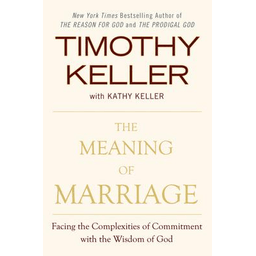 The Meaning of MarriageA sustained Christian theological argument for marriage—deeper and more coherent than micro-video browsing, but not personalized care.Prepare/EnrichA researched couple-assessment system used with trained facilitators when structured feedback and guided discussion matter most.
Frequently asked questions
Is Loveology really free?
Yes. Loveology says its relationship content and Marriage Champion resources are free and donation-funded. Linked third-party assessments or services may charge independently.
Are Loveology experts licensed therapists?
Some are licensed clinicians, while others are clergy, coaches, physicians, authors, researchers, or specialists in other fields. Inspect the individual profile and verify any license relevant to consequential advice.
Does Ask an Expert give me a personal answer?
Not necessarily. Loveology says every question is reviewed, timing varies, and not every question becomes its own video. Treat the form as an editorial submission, not a guaranteed consultation.
Is Loveology Christian?
It includes many Christian experts and faith-oriented answers, but the library covers broader relationship education and does not present every video as one denominational position. Review the speaker and content individually.
What data does Loveology collect?
Its policy describes contact and account information, records of issues, cookies, payment summaries, individual and couple responses, and results. Information may support tailored content, service improvement, and relationship research.
Can Loveology use responses for research?
Yes. The terms and privacy policy permit relationship research and sharing with trusted research partners; publications are described as non-identifying. Consider that before providing sensitive details.
Can a church embed Loveology videos?
The terms allow compliant streams or links on noncommercial pages with clear Loveology attribution and a link back. They prohibit editing, rehosting, selling copies, or gating the video for direct or indirect monetary benefit.
Sources & further reading
More Teaching & Theology Websites
 Life.Church Open NetworkOne of the church world’s most generous resource libraries, serving leaders since 2006 with free sermons, curriculum, creative files, worship material, training, partner content, and ministry apps—but “free” is a tightly scoped noncommercial license, not open ownership or permission to edit and repost everything.
 The Odin ProjectA completely free, open-source path from web-development beginner to portfolio-building full-stack learner—excellent for disciplined self-study, demanding in time and independence.
 BibleProjectA nonprofit studio that turned the entire Bible into animated explainers, free seminary-grade courses, and a deep-dive theology podcast - and somehow gave it all away.
 Lessons.ChurchA genuinely free, open-source curriculum platform with 1,167 video lessons from preschool through adult, printable resources, classroom scheduling, presenter mode, TV caching, and volunteer access—but each church still needs to review doctrine, permissions, safeguarding, account governance, and recovery before Sunday depends on it.
 Christian Classics Ethereal LibraryThe Christian Classics Ethereal Library is possibly the oldest Christian site on the internet, and it is still the single best free source for the public-domain canon - from Augustine to Spurgeon, with the entire 38-volume Ante-Nicene and Nicene-and-Post-Nicene Fathers in the middle.
 Christian History InstituteThe quiet workhorse of popular church history publishing for forty years - and almost everything they have ever printed is sitting online for free.