2 Chronicles 33
People in this chapter
Manasseh is the worst king Judah ever had. He takes the throne at twelve and reigns fifty-five years, the longest reign in the nation's history, and spends most of it undoing his father. The high places Hezekiah broke down, he builds again. He rears altars to Baal inside the temple courts, burns his own children in the fire, and sets a carved idol in the house God had chosen for His name. He drags all Judah down past the nations God had destroyed.1
Tap any highlighted phrase to jump to the commentary that unpacks it.
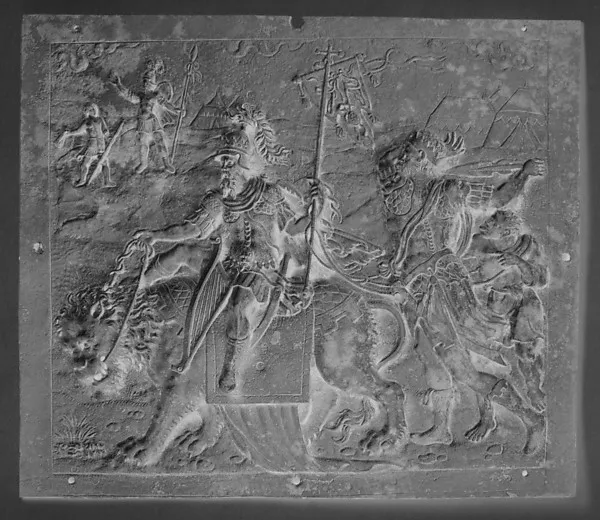
2 Chronicles 33:1-2He Did Evil Beyond the Heathen
1Manasseh was twelve years old when he began to reign, and he reigned fifty and five years in Jerusalem: 2But did that which was evil in the sight of the LORD, like unto the abominations of the heathen, whom the LORD had cast out before the children of Israel.
Two facts sit jarringly side by side at the very start: the longest reign in Judah's history, and the worst. Fifty-five years on the throne, begun at twelve, and the Chronicler will not soften the verdict over them. Manasseh did that which was evil - plainly evil - like unto the abominations of the heathen, whom the LORD had cast out before the children of Israel. The very practices for which God had emptied the land of its former nations, Manasseh reintroduced.
His father Hezekiah had watched the angel of the LORD destroy an Assyrian army outside the walls of Jerusalem. Manasseh inherited that freshly cleansed kingdom and reversed it, choosing the gods his father had broken. A son of the godly Hezekiah became the very kind of king the LORD had once driven nations out to remove.1
2 Chronicles 33:3-5Altars in the House of the LORD
3For he built again the high places which Hezekiah his father had broken down, and he reared up altars for Baalim, and made groves, and worshipped all the host of heaven, and served them. 4Also he built altars in the house of the LORD, whereof the LORD had said, In Jerusalem shall my name be for ever. 5And he built altars for all the host of heaven in the two courts of the house of the LORD.
What makes Manasseh's idolatry worse than ordinary apostasy is where he carried it. He did not merely tolerate pagan worship at the edges of the land; he planted it in the holiest place there was. He built again the high places which Hezekiah his father had broken down (v. 3) - deliberately rebuilding the very shrines his father had destroyed - and then he went further: he built altars in the house of the LORD… he built altars for all the host of heaven in the two courts of the house of the LORD (vv. 4-5).
The text twice underscores the offense by quoting God's own word over the temple: In Jerusalem shall my name be for ever. The one building on earth where the LORD had set His name, Manasseh filled with altars to Baal and to the sun, moon, and stars. This is not religious confusion; it is calculated profanation. He took the place of the Name and gave it to the host of heaven. To grasp how far his later repentance reaches, the reader has to feel how deep this descent goes - idols in the courts of the house of God, the holy place turned into a shrine for everything God had forbidden.
2 Chronicles 33:6-10They Would Not Hearken
6And he caused his children to pass through the fire in the valley of the son of Hinnom: also he observed times, and used enchantments, and used witchcraft, and dealt with a familiar spirit, and with wizards: he wrought much evil in the sight of the LORD, to provoke him to anger. 7And he set a carved image, the idol which he had made, in the house of God, of which God had said to David and to Solomon his son, In this house, and in Jerusalem, which I have chosen before all the tribes of Israel, will I put my name for ever: 8Neither will I any more remove the foot of Israel from out of the land which I have appointed for your fathers; so that they will take heed to do all that I have commanded them, according to the whole law and the statutes and the ordinances by the hand of Moses. 9So Manasseh made Judah and the inhabitants of Jerusalem to err, and to do worse than the heathen, whom the LORD had destroyed before the children of Israel. 10And the LORD spake to Manasseh, and to his people: but they would not hearken.
The list of Manasseh's sins keeps darkening. He caused his children to pass through the fire in the valley of the son of Hinnom (v. 6) - the horror of child sacrifice, a crossing of the last threshold of conscience, done in the very valley whose name would later become a byword for the fires of judgment. He observed times, and used enchantments, and used witchcraft, and dealt with a familiar spirit, and with wizards, raking together every forbidden occult practice at once.
He set a carved image, the idol which he had made, in the house of God (v. 7) - an idol of his own making enthroned where the LORD had promised to put His name for ever. And then the worst sentence of all: So Manasseh made Judah and the inhabitants of Jerusalem to err, and to do worse than the heathen, whom the LORD had destroyed before the children of Israel (v. 9). His evil was not private.
He seduced a whole nation, dragging Judah past the very nations God had judged. A king's sin is never only his own; it spreads through everyone he leads. Manasseh did not merely fall; he pulled the people down with him, below the level of the pagans whose place they had taken.
2 Chronicles 33:11-13In Affliction He Besought the LORD
11Wherefore the LORD brought upon them the captains of the host of the king of Assyria, which took Manasseh among the thorns, and bound him with fetters, and carried him to Babylon. 12And when he was in affliction, he besought the LORD his God, and humbled himself greatly before the God of his fathers, 13And prayed unto him: and he was intreated of him, and heard his supplication, and brought him again to Jerusalem into his kingdom. Then Manasseh knew that the LORD he was God.
When words could not reach Manasseh, affliction did. The LORD spake to Manasseh, and to his people: but they would not hearken (v. 10) - the prophets came, the warnings sounded, and the king's heart stayed shut. So the LORD moved from speaking to acting: Wherefore the LORD brought upon them the captains of the host of the king of Assyria, which took Manasseh among the thorns, and bound him with fetters, and carried him to Babylon (v. 11).
The details are deliberately humiliating. The phrase rendered among the thorns evokes capture in chaos and indignity, perhaps a hook through the face such as the Assyrians used on their prisoners; fetters are the bronze shackles of a common captive. A king who had filled the temple with idols and a nation with his sins is now dragged in irons to a foreign land. Yet notice carefully what the verse names as the cause - the LORD brought. God's own pursuit worked through the Assyrian army.
The same LORD whose name Manasseh had profaned now reaches for him through the only door left open: the door of loss. This is the severe mercy of a God who would rather break a man than lose him, reaching past punishment into rescue.1
In the prison the unthinkable happens, and the verbs carry it. He besought - a captive's plea, wrung out of a man with nothing left to bargain. He humbled himself greatly, the king who had exalted himself against God in every possible way now bent all the way to the ground. And the One he turns to is named with quiet tenderness: the God of his fathers, the God of David and of Hezekiah, the God whose name he had filled the temple to dishonor.
There is no hint that he earned his way back, no penance offered to balance the scale. There is only a broken man, in irons, crying out. And the prayer is real. The grace is not cheapened by pretending the sin was small; the sin stands at full weight, and the repentance is genuine beneath it. A man this guilty truly humbled, truly prayed. Hold both at once, because that is exactly where you stand too: the enormity of what was done, and the sincerity of the turning, in the same breath.
The answer is the marvel the whole chapter is built toward. God was intreated - moved, won over by the cry of the worst of sinners. He heard, and He brought him again, restoring not only the man but the kingdom he had forfeited. And then the phrase that says everything: then Manasseh knew that the LORD he was God. Knew - the deep, personal certainty of a man who has met God Himself. Fifty-five years of religion in the wrong direction had taught him nothing.
One prayer from the bottom of a Babylonian prison taught him the one thing that mattered. And weigh how freely it comes: Manasseh does not negotiate his way home, he receives it. The God against whom he had sinned more deliberately than perhaps any king before him heard his cry and brought him back. He gave Manasseh, at the end, the very knowledge his whole reign had been built to deny.
2 Chronicles 33:14-17He Took Away the Strange Gods
14Now after this he built a wall without the city of David, on the west side of Gihon, in the valley, even to the entering in at the fish gate, and compassed about Ophel, and raised it up a very great height, and put captains of war in all the fenced cities of Judah. 15And he took away the strange gods, and the idol out of the house of the LORD, and all the altars that he had built in the mount of the house of the LORD, and in Jerusalem, and cast them out of the city. 16And he repaired the altar of the LORD, and sacrificed thereon peace offerings and thank offerings, and commanded Judah to serve the LORD God of Israel. 17Nevertheless the people did sacrifice still in the high places, yet unto the LORD their God only.
A true turning shows itself in the hands, not only the heart, and Manasseh's reforms are the proof of his repentance. He took away the strange gods, and the idol out of the house of the LORD, and all the altars that he had built… and cast them out of the city (v. 15). Read that against the earlier verses and the reversal is exact. The high places he had rebuilt, the altars he had reared, the idol he had set in the temple - one by one, he undoes them.
The converted king goes back and tears down with his own hands what those hands had built. This is the difference between regret and repentance. Regret feels sorry and leaves the idols standing; repentance carries them out of the city and casts them away. The man who had once profaned the house of the LORD now labours to cleanse it. And the energy that had gone into rebellion is now poured into restoration - he even fortifies the city with a great wall (v. 14), a king rebuilding what he is now determined to protect.
Grace had reached his heart in Babylon; now it works its way out to his hands in Jerusalem.
Manasseh's repentance reaches past his own soul to the nation he had ruined. He repaired the altar of the LORD, and sacrificed thereon peace offerings and thank offerings, and commanded Judah to serve the LORD God of Israel (v. 16). The man who had made Judah… to err (v. 9) now commands Judah to serve the LORD - using his throne, at last, for the very purpose a king was given one. The offerings he brings are telling: peace offerings, the sacrifice of restored fellowship, a shared meal with God; and thank offerings, the overflow of a heart that knows what it has been spared.
After fifty-five years of provoking God, Manasseh sits, as it were, at God's table and gives thanks. Yet the Chronicler adds an honest, unvarnished note: Nevertheless the people did sacrifice still in the high places, yet unto the LORD their God only (v. 17). The damage of a long reign of idolatry is not undone in a day; habits Manasseh had taught the people outlived his repentance, even when their hearts now turned to the right God.
The verse is realistic about reform - a leader can cleanse the temple and still not fully reach the countryside - and it quietly honours what Manasseh did accomplish without pretending he fixed everything. His own record, the chapter notes, was preserved in detail: his prayer also, and how God was intreated of him, and all his sin… before he was humbled (v. 19). Both halves were written down - the depth of the sin and the wonder of the mercy - so that no reader could ever separate them.1
2 Chronicles 33:18-20Written Among the Sayings of the Seers
18Now the rest of the acts of Manasseh, and his prayer unto his God, and the words of the seers that spake to him in the name of the LORD God of Israel, behold, they are written in the book of the kings of Israel. 19His prayer also, and how God was intreated of him, and all his sins, and his trespass, and the places wherein he built high places, and set up groves and graven images, before he was humbled: behold, they are written among the sayings of the seers. 20So Manasseh slept with his fathers, and they buried him in his own house: and Amon his son reigned in his stead.
2 Chronicles 33:21-25He Humbled Not Himself
The chapter ends with a deliberate, sobering contrast, and everything the book has taught about humbling comes to its sharpest test. Amon was twenty and two years old when he began to reign… But he did that which was evil in the sight of the LORD, as did Manasseh his father… And humbled not himself before the LORD, as Manasseh his father had humbled himself; but Amon trespassed more and more (vv. 21-23). Amon is no distant heir who never heard the story.
He grew up in the house of a father who had been dragged to Babylon in chains and brought home a changed man; he watched Manasseh tear down the idols and rebuild the altar of the LORD. He saw, with his own eyes, what repentance looked like and where mercy could reach. And he chose the sin without the turning. The single verb the whole chapter has been ringing falls here in the negative: he humbled not himself. His father bent low and was restored; Amon would not bend, and trespassed more and more. The door of repentance that Manasseh had walked through stood wide open for his son - the chapter has just spent twenty verses proving how wide - and Amon refused to enter it.
His swift end follows: his servants conspired against him, and slew him in his own house (v. 24), and the people made Josiah king in his stead. The contrast is the chapter's closing sermon. Mercy is not earned by being less wicked; it is received by humbling. Manasseh did worse and was saved because he bent; Amon did less and was lost because he would not. The difference is never the size of the sin.
It is whether a person will stoop.
21Amon was two and twenty years old when he began to reign, and reigned two years in Jerusalem. 22But he did that which was evil in the sight of the LORD, as did Manasseh his father: for Amon sacrificed unto all the carved images which Manasseh his father had made, and served them; 23And humbled not himself before the LORD, as Manasseh his father had humbled himself; but Amon trespassed more and more. 24And his servants conspired against him, and slew him in his own house. 25But the people of the land slew all them that had conspired against king Amon; and the people of the land made Josiah his son king in his stead.
Research trail
Sources & further study
These references support the historical, linguistic, manuscript, and contextual notes in this chapter. Scripture remains the primary text; external sources are provided so readers can inspect the research directly.
- 2 Chronicles 33 - Translators' NotesThe NET Bible's detailed footnotes on 2 Chronicles 33 - the catalogue of Manasseh's idolatries in verses 3-9, the obscure phrase rendered “among the thorns” in verse 11, the language of humbling and being entreated in verses 12-13, and the relation of this account to the parallel in 2 Kings 21.
- 2 Chronicles 33 · Hebrew + classical Jewish commentaryThe Hebrew text of 2 Chronicles 33 with Rashi, Ibn Ezra, and other classical commentators side by side - useful for the verb kana (v. 12, “humbled himself”), for athar (v. 13, “was intreated of him”), and for the much-discussed phrase among the thorns in verse 11.
- 2 Chronicles 33 ↔ 2 Kings 21 · Romans 5 · 1 Timothy 1 · Luke 15Traces the threads tying 2 Chronicles 33 to the rest of Scripture - the parallel record of Manasseh in 2 Kings 21, his repentance read beside where sin abounded, grace did much more abound (Rom. 5:20) and Christ Jesus came… to save sinners; of whom I am chief (1 Tim. 1:15), and the affliction that brought him home set next to the prodigal who came to himself (Luke 15:17).
Where this echoes in Scripture
They Would Not Hearken
- 2 Kings 21:1-9And he made his son pass through the fire, and observed times, and used enchantments, and dealt with familiar spirits and wizards.The parallel record of Manasseh's reign - the same catalogue of idolatry told in verses 1-9.
- Deuteronomy 18:9-12There shall not be found among you any one that maketh his son or his daughter to pass through the fire... For all that do these things are an abomination unto the LORD.The very practices for which the LORD drove out the nations - the abominations Manasseh revived (vv. 6, 9).
- 2 Chronicles 7:14If my people, which are called by my name, shall humble themselves, and pray, and seek my face... then will I hear from heaven.The promise Manasseh will fulfill in verse 12 - humbling, prayer, and the LORD hearing.
- Jeremiah 7:31they have built the high places of Tophet, which is in the valley of the son of Hinnom, to burn their sons and their daughters in the fire.The same valley and the same horror as verse 6 - the place whose name became a byword for judgment.
- Exodus 20:3-5Thou shalt have no other gods before me... Thou shalt not bow down thyself to them, nor serve them.The first commandments Manasseh shattered - other gods, graven images, the host of heaven served (vv. 3-7).
In Affliction He Besought the LORD
- Luke 15:17-20And when he came to himself... he arose, and came to his father. But when he was yet a great way off, his father... had compassion, and ran.The far country that brings a son home - the same severe mercy that broke Manasseh in Babylon (vv. 11-13).
- 1 Timothy 1:15-16Christ Jesus came into the world to save sinners; of whom I am chief... that in me first Jesus Christ might shew forth all longsuffering, for a pattern.The chief of sinners saved as a pattern - what Manasseh's rescue (vv. 12-13) shows centuries early.
- Romans 5:20But where sin abounded, grace did much more abound.The very logic of this section - the worst king met by a mercy greater than his sin.
- Psalm 51:17The sacrifices of God are a broken spirit: a broken and a contrite heart, O God, thou wilt not despise.Why Manasseh's prayer was heard (vv. 12-13) - the broken and contrite heart God will not despise.
- Isaiah 55:7Let the wicked forsake his way... and let him return unto the LORD, and he will have mercy upon him; and to our God, for he will abundantly pardon.The open invitation Manasseh accepted - the wicked returning to a God who abundantly pardons.
He Humbled Not Himself
- Luke 18:13-14God be merciful to me a sinner. I tell you, this man went down to his house justified... for... he that humbleth himself shall be exalted.The two men praying - the same divide as Manasseh and Amon (vv. 12, 23): the one who humbles himself is received.
- 2 Kings 21:19-26And he forsook the LORD God of his fathers... And the servants of Amon conspired against him, and slew the king in his own house.The parallel record of Amon's short, unrepentant reign and his death (vv. 21-25).
- James 4:6-10God resisteth the proud, but giveth grace unto the humble... Humble yourselves in the sight of the Lord, and he shall lift you up.The principle the whole chapter turns on - grace to the humble (v. 12), resistance to the proud (v. 23).
- Ezekiel 18:21-22But if the wicked will turn from all his sins that he hath committed... he shall surely live, he shall not die.The promise Manasseh's reforms embody (vv. 14-16) - the wicked who turns shall live.
- Matthew 23:37How often would I have gathered thy children together... and ye would not!The tragedy of Amon's refusal (v. 23) - an open invitation met with “ye would not.”