Ezekiel 13
People in this chapter
Among the exiles in Babylon, and back in the doomed city of Jerusalem, there were men who claimed to speak for God - and what they said was a lie. Ezekiel is told to prophesy against the prophets of Israel that prophesy… out of their own hearts (v. 2). They have invented their visions; they follow their own spirit, and have seen nothing (v. 3); yet they announce, The LORD saith, when the LORD has not spoken at all (v. 6).
It is a frightening charge. These are not pagan diviners but Israel's own prophets, men the people trust, and they are making others to hope on the strength of words God never gave.1
Tap any highlighted phrase to jump to the commentary that unpacks it.
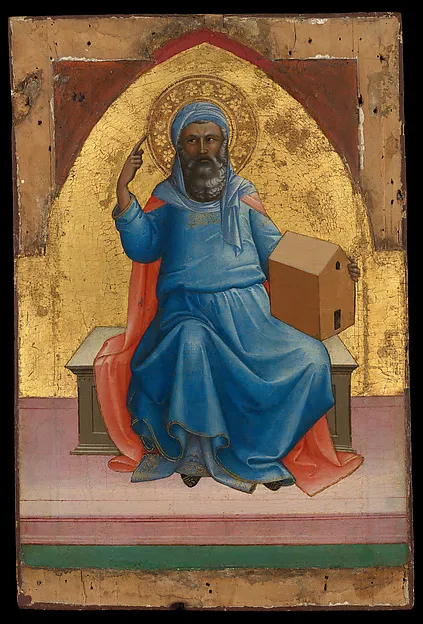
Ezekiel 13:1-4Woe Unto the Foolish Prophets
1And the word of the LORD came unto me, saying, 2Son of man, prophesy against the prophets of Israel that prophesy, and say thou unto them that prophesy out of their own hearts, Hear ye the word of the LORD; 3Thus saith the Lord GOD; Woe unto the foolish prophets, that follow their own spirit, and have seen nothing! 4O Israel, thy prophets are like the foxes in the deserts.
The word that comes to Ezekiel is aimed at a target close to home: prophesy against the prophets of Israel… that prophesy out of their own hearts (v. 2). Israel's own prophets, men who stand up in God's name and are trusted to speak His word - and the charge against them is devastating in its plainness: they follow their own spirit, and have seen nothing (v. 3). That last phrase is the heart of it.
To prophesy out of their own hearts is to manufacture a message and then stamp God's name on it; to follow their own spirit is to be driven by one's own impulse and ambition, going unsent; and to have seen nothing is to claim a vision that was never given. The whole counterfeit rests on that emptiness. There is nothing behind the words. They are foolish not because they are unintelligent but because, in the Bible's sense, the fool is the one who will not reckon with God as He actually is.
And the LORD calls them something stranger still: like the foxes in the deserts (v. 4). Where the people needed shepherds and guardians, they got scavengers - clever, opportunistic, picking through ruins rather than building anything that lasts.1
Ezekiel 13:5-9I Am Against You
5Ye have not gone up into the gaps, neither made up the hedge for the house of Israel to stand in the battle in the day of the LORD. 6They have seen vanity and lying divination, saying, The LORD saith: and the LORD hath not sent them: and they have made others to hope that they would confirm the word. 7Have ye not seen a vain vision, and have ye not spoken a lying divination, whereas ye say, The LORD saith it; albeit I have not spoken? 8Therefore thus saith the Lord GOD; Because ye have spoken vanity, and seen lies, therefore, behold, I am against you, saith the Lord GOD. 9And mine hand shall be upon the prophets that see vanity, and that divine lies: they shall not be in the assembly of my people, neither shall they be written in the writing of the house of Israel, neither shall they enter into the land of Israel; and ye shall know that I am the Lord GOD.
Verse 5 names the duty these prophets abandoned, and the image is a soldier's: Ye have not gone up into the gaps, neither made up the hedge for the house of Israel to stand in the battle in the day of the LORD. A breach in the city wall is the deadly point; the faithful watchman runs to it and stands in the gap. A true prophet is one who steps into the breach - who tells the people the wall is broken, who calls them to repent and rebuild before the enemy pours through.
These prophets did the opposite. They left the gaps open and assured everyone the wall was sound. Then verse 6 lays bare exactly what they were doing: They have seen vanity and lying divination, saying, The LORD saith: and the LORD hath not sent them. The most chilling words in the verse are the three the prophets kept saying - The LORD saith - when, the text answers flatly, the LORD hath not sent them. To borrow God's own name for a message He never gave is among the gravest things a person can do; it makes God appear to underwrite a lie.
And it works, which is the tragedy: they have made others to hope that they would confirm the word. People stake their lives on these false hopes, leaning the whole weight of their future on a word God never spoke.
Twice in a single verse the LORD turns and faces these prophets directly: Therefore thus saith the Lord GOD; Because ye have spoken vanity, and seen lies, therefore, behold, I am against you, saith the Lord GOD (v. 8). There is no more sobering sentence in Scripture than I am against you from the mouth of God. These men assumed God was on their side - they spoke in His name, after all, and the crowds approved.
But the One whose name they borrowed now stands opposed to them. The judgment that follows is precise and total: mine hand shall be upon the prophets that see vanity (v. 9). They will be cut off in three ways that together strip away every claim they made. They shall not be in the assembly of my people - excluded from the gathered community of the faithful. They shall not be written in the writing of the house of Israel - their names struck from the register of God's people.
And they shall not enter into the land of Israel - shut out of the very restoration they kept promising others. The men who told everyone they were safe turn out to be the ones with no place to stand. And the aim of it all is stated, as so often in this book: ye shall know that I am the Lord GOD. Judgment here is not raw vengeance; it is God forcing the truth to the surface so that the deceived and the deceivers alike finally know who He is.
Ezekiel 13:10-13Peace; and There Was No Peace
10Because, even because they have seduced my people, saying, Peace; and there was no peace; and one built up a wall, and, lo, others daubed it with untempered morter: 11Say unto them which daub it with untempered morter, that it shall fall: there shall be an overflowing shower; and ye, O great hailstones, shall fall; and a stormy wind shall rend it. 12Lo, when the wall is fallen, shall it not be said unto you, Where is the daubing wherewith ye have daubed it? 13Therefore thus saith the Lord GOD; I will even rend it with a stormy wind in my fury; and there shall be an overflowing shower in mine anger, and great hailstones in my fury to consume it.
Now the charge takes its sharpest form, and a single word names the whole crime: they have seduced my people, saying, Peace; and there was no peace (v. 10). To seduce is to lead astray by something that feels good - not to drag a person off by force but to coax them gently in the wrong direction. And the bait was the sweetest word a frightened, exiled people could hear: Peace. Everything was going to be fine.
The danger they sensed was nothing. Jerusalem would stand; the exile would be short; no judgment was really coming. But God states the truth in the same breath: there was no peace. The comfort was a lie precisely because it told people to relax when they desperately needed to wake up. Then the building image arrives in full: one built up a wall, and, lo, others daubed it with untempered morter. Picture it plainly. The people throw up a flimsy wall - a false hope, a shaky security - and the prophets come along behind and trowel a smooth coat over it, whitening the surface, hiding the cracks, making the whole thing look solid and finished.
The prophets did not build the wall. Their sin was subtler: they made a doomed structure look safe. They certified the lie. And a wall everyone believes is sound is far more dangerous than one everyone can see is about to fall.
Against the cosmetic coat the LORD sends the one thing that always exposes it - weather. Say unto them which daub it with untempered morter, that it shall fall: there shall be an overflowing shower; and ye, O great hailstones, shall fall; and a stormy wind shall rend it (v. 11). A flood-driving rain to soak it, hailstones to batter it, a storm-wind to tear it - the smooth plaster that looked so reassuring in calm weather has no answer to a storm.
And the LORD presses the scene to its humiliating conclusion: Lo, when the wall is fallen, shall it not be said unto you, Where is the daubing wherewith ye have daubed it? (v. 12). When the wall is a heap of rubble, the question turns on the men who whitewashed it: where is all that fine coating now? It was never strength; it was only appearance, and appearance is the first thing a storm strips away.
The deepest note here is that the storm itself comes from God. I will even rend it with a stormy wind in my fury (v. 13). The very judgment the prophets swore was not coming is the judgment God sends - and He sends it in part to test the wall, to force into the open the difference between what merely looked reassuring and what was actually sound. Comfortable lies do not survive contact with reality, and the LORD is the One who brings reality to bear.1
Ezekiel 13:14-16The Foundation Discovered
14So will I break down the wall that ye have daubed with untempered morter, and bring it down to the ground, so that the foundation thereof shall be discovered, and it shall fall, and ye shall be consumed in the midst thereof: and ye shall know that I am the LORD. 15Thus will I accomplish my wrath upon the wall, and upon them that have daubed it with untempered morter, and will say unto you, The wall is no more, neither they that daubed it; 16To wit, the prophets of Israel which prophesy concerning Jerusalem, and which see visions of peace for her, and there is no peace, saith the Lord GOD.
When the wall comes down, something is uncovered that the daubing had hidden all along: So will I break down the wall… and bring it down to the ground, so that the foundation thereof shall be discovered (v. 14). The collapse does more than destroy - it reveals. With the plaster gone and the wall in ruins, the truth that was always there is finally laid bare: there was never an adequate foundation. The whole structure had been resting on nothing, and the smooth coating existed precisely to keep anyone from noticing.
This is what judgment so often does in Scripture: it exposes. It strips away the surface and shows what a thing was truly built on. And the false prophets are not spared with their handiwork - ye shall be consumed in the midst thereof (v. 14). Those who certify a lie are bound up with the lie when it falls; the men who said the wall was safe go down inside it. The LORD then pronounces the matter finished: The wall is no more, neither they that daubed it (v. 15).
And He names them without disguise - the prophets of Israel which prophesy concerning Jerusalem, and which see visions of peace for her, and there is no peace (v. 16). The accusation that opened the section closes it, like a verdict read twice: they saw visions of peace where God had granted none.
Ezekiel 13:17-19They Hunt the Souls of My People
17Likewise, thou son of man, set thy face against the daughters of thy people, which prophesy out of their own heart; and prophesy thou against them, 18And say, Thus saith the Lord GOD; Woe to the women that sew pillows to all armholes, and make kerchiefs upon the head of every stature to hunt souls! Will ye hunt the souls of my people, and will ye save the souls alive that come unto you? 19And will ye pollute me among my people for handfuls of barley and for pieces of bread, to slay the souls that should not die, and to save the souls alive that should not live, by your lying to my people that hear your lies?
The chapter turns to a parallel group: the daughters of thy people, which prophesy out of their own heart (v. 17). The same root sin reappears - words spun out of their own imagination rather than received from God - but here it takes the shape of something closer to magic and charm. Woe to the women that sew pillows to all armholes, and make kerchiefs upon the head of every stature to hunt souls! (v. 18).
The exact props are hard to reconstruct at this distance, but their purpose is unmistakable: bands and coverings used as ritual objects to manipulate, to claim hidden power, to hunt souls. That last phrase is the heart of the indictment. These women treated people as prey. The vulnerable came to them anxious and afraid, and rather than pointing them to God they ensnared them - trapping souls in dependence on charms and lies. And the LORD frames it as a brazen seizure of His own authority: Will ye hunt the souls of my people, and will ye save the souls alive that come unto you? They had taken upon themselves the power of life and death - deciding who would be told they were safe and who condemned - a power that belongs to God alone.
The people they hunted were not theirs to hunt. They were my people.1
Verse 19 lays bare how cheaply they sold their lies, and the price is shocking: And will ye pollute me among my people for handfuls of barley and for pieces of bread…? The word of God, or what they passed off as it, had been reduced to a trinket sold for a meal - a few handfuls of grain, a scrap of bread. To pollute God among His people is to drag His holy name through the mud by attaching it to falsehood, and they did it for pocket change.
Then the LORD names the deadly outcome of their trade: to slay the souls that should not die, and to save the souls alive that should not live. They had everything exactly backward. Verse 22 spells out the double damage with painful precision. First, with lies ye have made the heart of the righteous sad, whom I have not made sad - they crushed and discouraged faithful people whom God had not condemned, loading guilt and fear onto those who did not deserve it.
Second, and worse, they strengthened the hands of the wicked, that he should not return from his wicked way, by promising him life. By assuring the guilty that all was well, they removed the one thing that might have turned him - the warning that could have led to repentance. Their false comfort was lethal: it propped up the wicked in his sin and told him he had nothing to fear. A lie that keeps a person from turning back is not a small thing.
It is, in the end, a way of helping him to his ruin.
Ezekiel 13:20-23I Will Deliver My People Out of Your Hand
20Wherefore thus saith the Lord GOD; Behold, I am against your pillows, wherewith ye there hunt the souls to make them fly, and I will tear them from your arms, and will let the souls go, even the souls that ye hunt to make them fly. 21Your kerchiefs also will I tear, and deliver my people out of your hand, and they shall be no more in your hand to be hunted; and ye shall know that I am the LORD. 22Because with lies ye have made the heart of the righteous sad, whom I have not made sad; and strengthened the hands of the wicked, that he should not return from his wicked way, by promising him life: 23Therefore ye shall see no more vanity, nor divine divinations: for I will deliver my people out of your hand: and ye shall know that I am the LORD.
Against all of this the LORD speaks judgment and rescue together, and the tone shifts toward tenderness. Behold, I am against your pillows… and I will tear them from your arms, and will let the souls go, even the souls that ye hunt to make them fly (v. 20). The verb is decisive and physical: He will tear away the charms, rip the false coverings out of their hands, and let the souls go - the language of a trapper's net being cut open and the captured birds set free.
Your kerchiefs also will I tear, and deliver my people out of your hand, and they shall be no more in your hand to be hunted (v. 21). Twice the LORD calls them my people, and twice He says deliver. The hunted belong to Him, and He will not leave them in the snare. This is the turn the whole chapter has been moving toward. God sets Himself against the hunters precisely for the sake of the hunted, His opposition to the deceivers being at the same time His rescue of the deceived.
And the closing verse seals it: I will deliver my people out of your hand: and ye shall know that I am the LORD (v. 23). The charms will fail, the lying visions will cease, and the souls held captive by false comfort will be set free.
Research trail
Sources & further study
These references support the historical, linguistic, manuscript, and contextual notes in this chapter. Scripture remains the primary text; external sources are provided so readers can inspect the research directly.
- Ezekiel 13 - Translators' NotesThe NET Bible's detailed footnotes on Ezekiel 13 - the charge that the prophets have seen nothing (v. 3), the building imagery and the difficult term rendered untempered morter (vv. 10-15), and the much-discussed pillows and kerchiefs of the women in verses 18-21.
- Ezekiel 13 · Hebrew + classical Jewish commentaryThe Hebrew text of Ezekiel 13 with Rashi, Radak, and other classical commentators side by side - useful for taphel (vv. 10-15, the “untempered morter” that is mere whitewash or unbound plaster) and for the doubled phrase shalom ve-ein shalom (vv. 10, 16, “peace, and there was no peace”).
- Ezekiel 13 ↔ Jeremiah 6 · Matthew 7 · 1 Corinthians 3Traces the threads tying Ezekiel 13 to the rest of Scripture - the false cry of peace (vv. 10, 16) read beside Jeremiah's Peace, peace; when there is no peace (Jer. 6:14), and the wall thrown down by the storm (vv. 11-14) read alongside the house without a foundation that falls when the floods beat upon it (Matt. 7:26-27).
Where this echoes in Scripture
I Am Against You
- Jeremiah 23:16Hearken not unto the words of the prophets that prophesy unto you: they make you vain: they speak a vision of their own heart, and not out of the mouth of the LORD.The same charge as verses 2-6 - prophets speaking a vision of their own heart, not from the LORD.
- Jeremiah 14:14The prophets prophesy lies in my name: I sent them not, neither have I commanded them... they prophesy unto you a false vision.God Himself disowning the prophets who borrow His name - the LORD hath not sent them (v. 6).
- Ezekiel 22:30And I sought for a man among them, that should make up the hedge, and stand in the gap before me for the land... but I found none.The duty abandoned in verse 5 - standing in the gap for the people, which no one would do.
- Matthew 7:15Beware of false prophets, which come to you in sheep's clothing, but inwardly they are ravening wolves.The danger named in verses 2-9 - false prophets who look trustworthy but are not sent.
- 2 Peter 2:1there were false prophets also among the people, even as there shall be false teachers among you, who privily shall bring in damnable heresies.The pattern of verses 2-3 carried into the church age - the same counterfeit, the same warning.
The Foundation Discovered
- Jeremiah 6:14They have healed also the hurt of the daughter of my people slightly, saying, Peace, peace; when there is no peace.The twin of verses 10 and 16 - the same false cry of peace over an untreated wound.
- Matthew 7:26-27a foolish man, which built his house upon the sand: and the rain descended... and it fell: and great was the fall of it.The wall thrown down by the storm (vv. 11-14) - the house without a foundation that cannot stand.
- Isaiah 28:16Behold, I lay in Zion for a foundation a stone, a tried stone, a precious corner stone, a sure foundation.The true foundation set over against the wall with none (v. 14) - the sure stone that does not fail.
- 1 Thessalonians 5:3For when they shall say, Peace and safety; then sudden destruction cometh upon them... and they shall not escape.The cry of false peace (v. 10) carried to the last day - comfort that precedes the very ruin it denied.
- Ephesians 2:14For he is our peace, who hath made both one, and hath broken down the middle wall of partition between us.The true peace the false prophets only counterfeited (vv. 10, 16) - peace that is a Person, grounded in what He accomplished.
I Will Deliver My People Out of Your Hand
- John 10:11-12I am the good shepherd: the good shepherd giveth his life for the sheep. But he that is an hireling... seeth the wolf coming, and leaveth the sheep, and fleeth.The true Shepherd over against the hunters of verses 18-22 - one lays down his life, the others devour.
- Jeremiah 23:14they strengthen also the hands of evildoers, that none doth return from his wickedness.The same charge as verse 22 - false words that keep the wicked from turning back.
- Micah 3:5the prophets that make my people err... he that putteth not into their mouths, they even prepare war against him.Prophets who sell their message for gain (v. 19) - speaking peace to whoever feeds them.
- Luke 4:18he hath sent me to heal the brokenhearted, to preach deliverance to the captives... to set at liberty them that are bruised.The deliverance promised in verses 21-23 fulfilled - captives set free, the bruised set at liberty.
- Colossians 1:13Who hath delivered us from the power of darkness, and hath translated us into the kingdom of his dear Son.The rescue of verses 20-23 - God taking His people out of the hand that held them captive.