Who was Esau in the Bible?
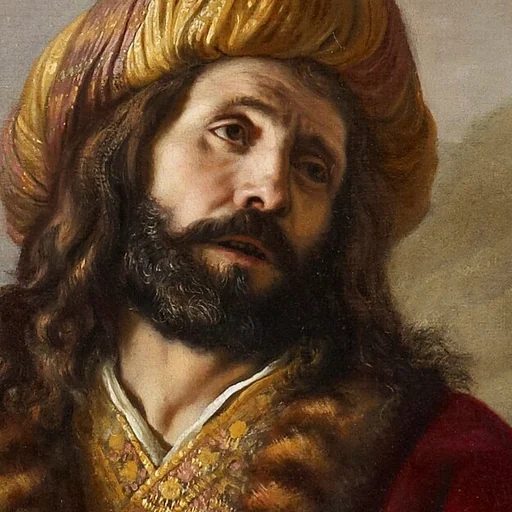
Esau was the elder twin son of Isaac and Rebekah who sold his birthright to his brother Jacob for a bowl of stew.
Elder Son of Isaac
Patriarchal era
Esau was the elder twin son of Isaac and Rebekah who sold his birthright to his brother Jacob for a bowl of stew.
Follow the reading trailBEYOND THE NAME
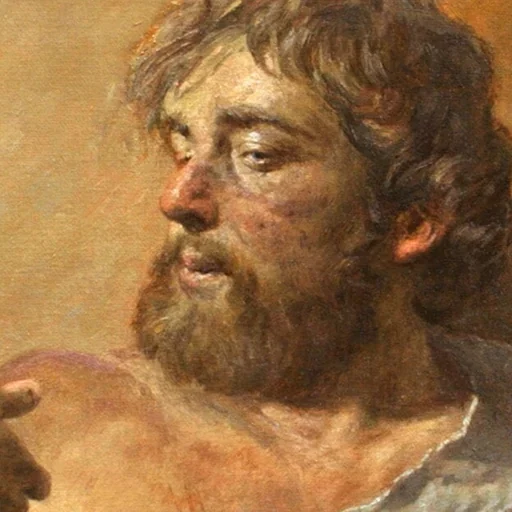
Esau was born first, a red and hairy hunter beloved by his father Isaac, while his younger twin Jacob was favored by their mother Rebekah. He gave away his birthright to Jacob for a single meal and later lost the firstborn blessing through Jacob’s deception, which kindled a bitter grudge. Years afterward, when Jacob returned home in fear, Esau ran to meet him and embraced him in forgiveness, and the two brothers parted in peace.
Themes in the authored commentary
FOLLOW THE PASSAGES
Selected passages and introductions help you read this person’s story in context.
born first but sold his birthright to Jacob for a pot of stew
Esau and Jacob are introduced as twins with different pursuits and different parental preferences. Esau’s decision to exchange his birthright for food becomes an important part of the conflict that shapes their later relationship.
returns with game to claim his blessing and is devastated to find Jacob took it
Esau returns to discover that Jacob has received Isaac’s blessing through deception. His grief and anger lead Rebekah to arrange Jacob’s departure. The scene explains why the brothers’ eventual reunion carries such emotional weight.
runs to embrace Jacob, weeps with him, and graciously accepts his gift
After years apart, the brothers meet again. Jacob approaches cautiously, while Esau runs to embrace him. Read their conversation and their decisions about the journey to see how the account portrays reconciliation without erasing their separate lives.
THE PEOPLE AROUND THE PERSON
Recorded parents
Recorded spouses
Recorded children
Relationships follow the source graph. Some are interpretive or uncertain, and individual verse citations are not yet available for every connection.
STUDY & INTERPRETATION
Esau stands at the head of the nation of Edom, the people descended from him who would shadow Israel’s story for centuries. His trading of the birthright for stew became a lasting image of valuing the immediate over the lasting inheritance, and the loss of the blessing set the two brothers on separate paths. Yet his tearful reconciliation with Jacob is one of Scripture’s tender pictures of mercy, where a wronged man chooses to forgive rather than to repay. The choices made between these twins carried the line of promise forward through Jacob, and that line would in time bring forth the One in whom every family of the earth is blessed.
From the Learn of Christ person commentary. Read alongside the linked Scripture passages.KEEP SCRIPTURE CLOSE
11 authored chapter guides feature this person. This is guide coverage, not an exhaustive count of biblical mentions.
ASK A BETTER QUESTION
Identity, story, early-life sources, family, and where to read.
Names and spellings in the source: Esau · Edom
Esau was the elder twin son of Isaac and Rebekah who sold his birthright to his brother Jacob for a bowl of stew.
Esau was born first, a red and hairy hunter beloved by his father Isaac, while his younger twin Jacob was favored by their mother Rebekah. He gave away his birthright to Jacob for a single meal and later lost the firstborn blessing through Jacob’s deception, which kindled a bitter grudge. Years afterward, when Jacob returned home in fear, Esau ran to meet him and embraced him in forgiveness, and the two brothers parted in peace.
The individualized passage index associates this Esau record with Genesis, Deuteronomy, Joshua, 1 Chronicles, Jeremiah, Obadiah, Malachi, Romans, Hebrews. There are 84 distinct indexed verse references in the 66-book Bible. Browse the book-by-book list below; it separates this identity from other people who share the name. Source assignments and textual identifications can require interpretation.
Genesis 25 describes Esau’s birth as the first of Rebekah’s twins. As the boys grow, Esau becomes a hunter and a man of the field. The account then focuses on the birthright and family tensions rather than a continuous childhood history.
Esau’s source record lists Isaac (father), Rebekah (mother), Oholibamah (spouse), Judith (spouse), Adah (spouse), Mahalath (spouse), Eliphaz (child), Reuel (child), and 3 additional recorded connections. These are source-graph relationships; legal family, uncertain identifications, and ancestral language require the cautions below. Individual verse evidence is not yet retained for every family edge.
Esau stands at the head of the nation of Edom, the people descended from him who would shadow Israel’s story for centuries. His trading of the birthright for stew became a lasting image of valuing the immediate over the lasting inheritance, and the loss of the blessing set the two brothers on separate paths.
Answers draw on our existing authored biography and linked chapter studies. Where supplied, verse assignments come from the individualized STEP Bible index. Childhood answers distinguish documented events from gaps in the available sources.
FIND THE PERSON IN THE TEXT
84 distinct verse references in the source’s 66-book index. These are indexed name assignments, rather than every indirect allusion to this person. A name may also refer to descendants, a tribe, or a nation; read each passage to distinguish that usage from the individual.
“And the first came out red, all over like an hairy garment; and they called his name Esau.”
Genesis 25:25 · King James Version
“And Esau seeing that the daughters of Canaan pleased not Isaac his father;”
Genesis 28:8 · King James Version
“And these are the sons of Reuel; Nahath, and Zerah, Shammah, and Mizzah: these were the sons of Bashemath Esau’s wife.”
Genesis 36:13 · King James Version
“Lest there be any fornicator, or profane person, as Esau, who for one morsel of meat sold his birthright.”
Hebrews 12:16 · King James Version
References are adapted from STEP Bible / Tyndale House TIPNR (CC BY 4.0). Deduplicated, matched to this identity, and checked against the bundled KJV’s verse bounds. Interpretive assignments and translation/versification differences may remain. This index is separate from evidence for individual family relationships.
YOUR OWN OBSERVATIONS
Notes, saved people, and study marks stay in this browser. They do not sync to your account.
KEEP EXPLORING
People featured in the same study guides. Sharing a chapter does not establish a family relationship.