Who was Satan (the Adversary) in the Bible?
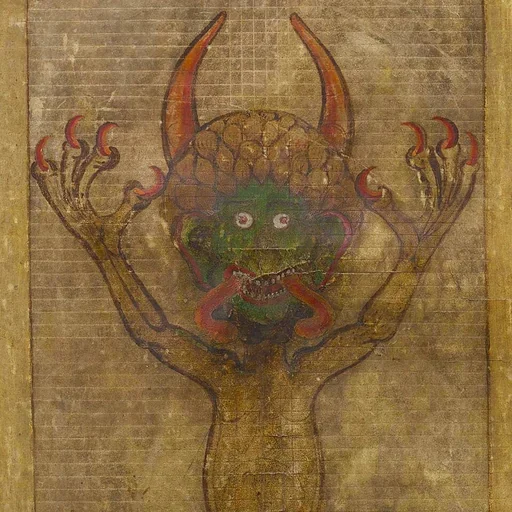
Satan, whose name means the accuser or adversary, is the figure who challenged Job’s faithfulness and was permitted to test him.
The Accuser Who Tested Job
Satan, whose name means the accuser or adversary, is the figure who challenged Job’s faithfulness and was permitted to test him.
Follow the reading trailBEYOND THE NAME
In Job 1 and 2, Satan appears among those who present themselves before the Lord and questions whether Job serves God for any reason other than the blessings he enjoys. He claims that Job would curse God if his prosperity and health were taken away. With the Lord’s permission and within set limits, Satan strips Job of his children, his wealth, and his health, yet Job does not abandon his integrity.
Themes in the authored commentary
These are other entries using this name. Compare their source passages before treating them as the same or different historical people.
FOLLOW THE PASSAGES
These are chapter studies associated with this record. Their order follows the books and chapters, rather than a reconstructed timeline of the person’s life.
the accuser who challenges Job’s motives before God and receives permission to afflict him
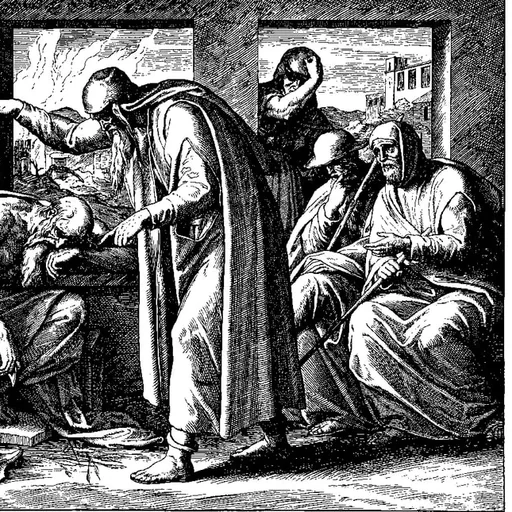
The book of Job begins on earth - in the land of Uz, a place both real and symbolic, where a man named Job dwells. He is described in terms that seem almost superhuman: perfect, upright, fearing God, eschewing evil. He is blessed beyond measure - thousands of sheep and camels, great herds of oxen and asses, a household of servants, and ten children who feast and celebrate. By every measure of the ancient world, Job is the greatest of all the men of the East. He is, it seems, a man who has earned God’s favor.
Chapter overview from the authored study guide.returns to heaven’s court and obtains leave to strike Job with severe bodily affliction
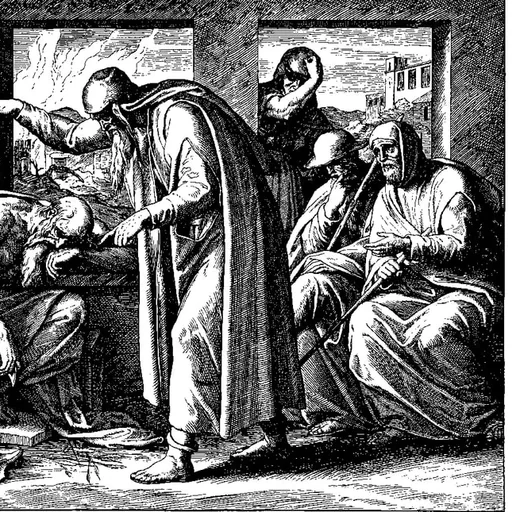
The curtain lifts on heaven a second time, almost word for word like the first: Again there was a day when the sons of God came to present themselves before the LORD, and Satan came also among them. And again the LORD points to His servant - only now with a line that was not there before: still he holdeth fast his integrity, although thou movedst me against him, to destroy him without cause (v. 3). The first round of loss has not broken Job, and the LORD says so. But Satan has a new wager, colder than the last: Skin for skin, yea, all that a man hath will he give for his life.
Chapter overview from the authored study guide.stands at Joshua's right hand to accuse him before the angel of the Lord
In the fourth of his night-visions, Zechariah is shown a courtroom scene unlike any other. And he shewed me Joshua the high priest standing before the angel of the LORD, and Satan standing at his right hand to resist him (v. 1). Joshua was a real man, the high priest of the returned exiles rebuilding Jerusalem; but he stands here for more than himself. The high priest was the one figure who entered God’s presence on behalf of the whole people, and here he stands in that presence with an accuser at his side.
Chapter overview from the authored study guide.THE PEOPLE AROUND THE PERSON
Relationships follow the source graph. Some are interpretive or uncertain, and individual verse citations are not yet available for every connection.
STUDY & INTERPRETATION
Satan in Job is the accuser who probes the motives of the righteous, suggesting that no one loves God for God’s own sake. His challenge frames the whole book as a trial of faith under suffering, where the question is whether devotion can survive when every earthly reason for it is gone. The narrative keeps him firmly under God’s authority, able to act only within the bounds the Lord allows, so that even the adversary serves to display the depth of true faith. Across Scripture the accuser reappears opposing God’s servants, and the witness of the New Testament looks to the One who answered every accusation, who endured the deepest testing without sin and so brought to nothing the power of the one who accuses the people of God.
From the Learn of Christ person commentary. Read alongside the linked Scripture passages.KEEP SCRIPTURE CLOSE
3 authored chapter guides feature this person. This is guide coverage, not an exhaustive count of biblical mentions.
ASK A BETTER QUESTION
Identity, story, early-life sources, family, and where to read.
Satan, whose name means the accuser or adversary, is the figure who challenged Job’s faithfulness and was permitted to test him.
In Job 1 and 2, Satan appears among those who present themselves before the Lord and questions whether Job serves God for any reason other than the blessings he enjoys. He claims that Job would curse God if his prosperity and health were taken away. With the Lord’s permission and within set limits, Satan strips Job of his children, his wealth, and his health, yet Job does not abandon his integrity.
Our authored studies connect Satan (the Adversary) with Job, Zechariah. The linked chapters provide reading context, not proof that an unnamed or inferred identity is explicitly named there. A verified, identity-specific verse index is not yet available for this record, so these chapter tags should not be treated as an exhaustive list of mentions.
The linked source context describes Satan (the Adversary) within its biblical setting. Read their recorded role in context, and distinguish the narrative’s direct statements from theological interpretation or later traditions.
The current source graph does not list immediate family for Satan (the Adversary). That is a limit of this data, not evidence that Satan (the Adversary) had no relatives. Read the cited passages for the details they actually give.
Satan in Job is the accuser who probes the motives of the righteous, suggesting that no one loves God for God’s own sake. His challenge frames the whole book as a trial of faith under suffering, where the question is whether devotion can survive when every earthly reason for it is gone.
Answers draw on our existing authored biography and linked chapter studies. Where supplied, verse assignments come from the individualized STEP Bible index. Childhood answers distinguish documented events from gaps in the available sources.
YOUR OWN OBSERVATIONS
Notes, saved people, and study marks stay in this browser. They do not sync to your account.
KEEP EXPLORING
People featured in the same study guides. Sharing a chapter does not establish a family relationship.