- Starting price
- $22.99 hardcover
- Free tier
- No
- Platforms
- Print · Kindle · Audiobook · Audible
- Developer
- Zondervan
- Launched
- 2021
- Updated
- May 24, 2026
The verdict
The most practical Christian parenting book of the last decade - a framework of about 16 daily, weekly, and seasonal habits that turns ordinary family life into formation without requiring a single new evening on the calendar.
Try Habits of the Household ↗Opens justinwhitmelearley.com
Habits of the Household has quietly become the favorite of young Christian parents who are tired of being told to "do family devotions" and want an actual plan they can run on a Tuesday at 6:42 p.m. Justin Whitmel Earley - a Richmond, Virginia lawyer who became an unlikely formation writer after his first book, The Common Rule, found a wide audience - argues that the small rhythms of waking, eating, screen-using, fighting, blessing, and bedtime are the real curriculum of a Christian home. Since its 2021 release with Zondervan, the book has sold somewhere around 300,000 copies and become a fixture on church book tables, baby-shower stacks, and parenting-group reading lists.
It doesn’t pitch itself as a discipline manual. It doesn’t lean on a single proof text or a celebrity pastor’s endorsement. It doesn’t demand that families add anything new - the whole conceit is that you’re already doing these things (eating, putting kids to bed, handling a meltdown), you just aren’t doing them on purpose. Earley’s job is to hand you a liturgy for the moments that are already happening.
What makes the book genuinely useful - as opposed to merely inspiring - is the specificity. There are scripts. There are bedtime blessings printed in full. There’s a screen-time framework with actual hours and actual boundaries. There’s a chapter on marriage rhythms that treats the parents’ relationship as part of the household’s formation, not a footnote. For parents who have read three parenting books that ended with "be intentional!" and no instructions, Earley’s precision is the draw.
✓ The good
- Specific, runnable scripts - bedtime blessings, mealtime liturgies, and discipline language are printed in full so a tired parent can just read them
- The "habits, not rules" frame - Earley treats formation as small rhythms repeated, not heroic one-off devotions, which is exactly how households actually work
- Honest screen-time chapter - gives a concrete framework (defaults, fasts, communal use) instead of vague "be careful with screens" hand-wringing
- Marriage is treated as a household habit - a rare parenting book that puts a chapter on the parents’ rhythms inside the parenting argument
- Voice is warm and self-deprecating - Earley writes as a fellow parent who has lost his temper at bath time, not as an expert delivering verdicts
- Built for actual use - chapter ends include "habit cards," reflection questions, and starter scripts you can put on the fridge
- Plays well across traditions - Reformed, Catholic, Anglican, Wesleyan, and broadly evangelical readers all find the rhythms portable to their context
✗ Watch out
- Light on theological depth - this is a practice book, not a doctrine of the family; readers wanting a full theology of parenting will want a companion volume
- Aimed squarely at younger families - the examples skew toward households with kids under 12, with less material for parenting teens
- Some habits assume a two-parent, relatively stable household - single parents and blended families will need to adapt more than the book acknowledges
- The "rule of life" language can read as aspirational - readers prone to perfectionism may feel guilty when the rhythms slip (which they always do)
- Cultural defaults are American, suburban, middle-class - habits like "screen sabbath" and "family dinner together" assume schedules that aren’t universal
Best for
- Young Christian parents wanting a runnable plan
- Small groups doing a parenting study together
- Couples about to have their first child
- Families trying to build a sane screen-time culture
Avoid if
- You want academic theology of the family
- You’re parenting teenagers exclusively
- You bristle at "rule of life" language
- You want a discipline-method manual (Tripp, Tedd) instead
What Habits of the Household is
Habits of the Household is a 2021 Zondervan book by Justin Whitmel Earley that organizes Christian family life around about 16 daily, weekly, and seasonal habits. The chapters move chronologically through a family day - waking, mealtime, discipline, screens, family time, marriage, work, play, conversation, bedtime - and through the year, with rhythms for sabbath, seasons, and feast days. Each habit gets a short theological frame, a practical script, and a one-page "habit card" summary at the chapter’s end.
Earley is not a pastor or theologian by training. He’s a Richmond, Virginia lawyer who began writing about formation after his first book, The Common Rule, codified a personal rule of life that resonated with overworked professionals. Habits of the Household is the family-shaped sequel: same conviction (small repeated practices form us more than big intentional moments), same audience (people who want a plan, not just inspiration), expanded into the chaos of life with kids.
Why young Christian parents prefer Habits of the Household
The single biggest practical difference between Habits of the Household and the parenting books that came before it is that Earley refuses to leave the reader at the abstraction level. Most Christian parenting books - even good ones - end each chapter with a call to "make the gospel central in your home" and trust the reader to figure out what that looks like on a Wednesday after work. Earley writes the script. He’ll tell you exactly what to say when you sit down to dinner, exactly what blessing to whisper over a kid at bedtime, exactly how to phrase a redirect when your four-year-old is hitting your seven-year-old.
The other reason the book has spread is that it’s portable across traditions. Earley is broadly evangelical and Reformed-adjacent in his own commitments - PCA-ish in the wider sense - but the habits themselves are old: blessings, table prayers, sabbath, examen, marking the seasons. Catholic, Anglican, Wesleyan, and LDS readers have all reported using the framework without friction, swapping in their own prayers and feast days where needed. The book is doing what good catechesis has always done - handing parents the words to say - without insisting on a single tradition’s wording.
The 16 family-rhythms framework: a day, a week, a year, mapped
The book’s spine is its framework of habits, arranged across the time horizons a family actually lives in. Daily rhythms cover waking, mealtime, discipline, screens, and bedtime. Weekly rhythms cover sabbath, family time, and marriage. Seasonal rhythms cover work and play, conversation, and the Christian year. Each habit gets a chapter, a short theological argument, a working script, and a "habit card" at the end - a one-pager designed to be photocopied and stuck on the fridge.
The genius is the chronological structure. Most parenting books are organized by topic ("discipline," "media," "spiritual formation") which forces parents to translate the advice back into actual time. Earley organizes by the clock. By the time you’ve finished the book, you have a rough liturgy for every transition point in a normal family day - wake-up, meals, screens going on, screens going off, conflict, bedtime - plus a weekly anchor (sabbath) and a yearly one (the church calendar). The habits aren’t add-ons. They are the day, named and shaped.
The screen-time and technology chapter: an actual framework, not a sermon
The chapter on screens is the one most readers say sold them on the book. Earley refuses both available scripts - neither "screens are inherently evil, remove them" nor "you can’t control the modern world, don’t bother." Instead he gives a concrete framework: default settings (where screens live, when they’re on, what counts as "screen time" vs. "communal media"), regular fasts (a daily off-window, a weekly sabbath, seasonal device-free stretches), and communal use (watching together, narrating what you’re seeing, treating media as something the family does rather than something each member consumes alone).
This sounds like a small thing. In practice it’s transformative - because most Christian parenting books either avoid the screen question or shame parents for failing at it. Earley does neither. He names the structural problem (smartphones are designed to win), gives parents the tools to push back without leaving the modern world, and offers grace for the imperfect application. Parents who have tried "no screens" and failed, and "moderate screens" and drifted, find the third option (rhythmed screens with built-in fasts) the first plan that has actually held in their home for more than three weeks.
The companion ecosystem: cards, guides, and The Common Rule
Habits of the Household doesn’t exist alone - it sits inside a small ecosystem Earley has built around the formation-through-rhythms idea. There’s the Habits of the Household Companion Guide (a workbook for small groups), the Habits of the Household Cards (a physical card deck of the book’s blessings and scripts meant for the kitchen counter), and his earlier book, The Common Rule, which lays out the adult version of the same argument: eight daily and weekly habits designed for professionals trying to live faithfully in a distracted age.
For readers who connect with the book, the cards in particular are worth the upgrade. They turn the book’s scripts into something you can actually reach for in the moment - a tired parent at 8:15 p.m. is more likely to whisper a printed blessing they can grab off the counter than to remember the page in a book on the shelf. The Common Rule, meanwhile, gives parents the personal-formation argument the family book assumes - many readers do Habits first, then circle back to The Common Rule for the practices they want for themselves.
Pricing
Hardcover
~$22.99
The standard edition from Zondervan - the version most readers buy and most small groups assign.
Kindle
~$14
Digital edition. Useful for highlighting and for reading scripts on a phone at bedtime.
Audible / Audiobook
~$15
Read by Earley himself - works well for couples who want to listen together on a commute or walk.
Companion Guide
~$15
Separate workbook with discussion questions and habit-building exercises - designed for small groups.
Habits of the Household Cards
~$20
A physical card deck with the book’s blessings, scripts, and prompts - meant to live on the kitchen counter.
Hardcover from Zondervan runs around $22.99 at most Christian and general bookstores and is the version most small groups and parenting classes assign. Heavily discounted at Costco and on sale through Christianbook from time to time. This is the buy-once edition most readers reach for.
Kindle hovers around $14 and is genuinely useful here - Earley’s scripts and habit cards highlight well, and reading them on a phone at the kitchen counter or in a rocking chair at bedtime is part of how the book actually works in practice.
The Audible edition (around $15, read by Earley himself) is the recommended format for couples - a number of parents work through it together on a commute or weekend walk and then buy the print or Kindle copy for the scripts.
The Companion Guide (~$15) and the Habits of the Household Cards (~$20) are the upsells. The Companion Guide is meant for small groups; the cards are for households who want the blessings and prompts physically in their kitchen. Most readers do not need both - the cards are the higher-ROI add-on for the average family.
Where Habits of the Household falls behind
Light on systematic theology of the family. Earley assumes a broadly orthodox Christian frame - incarnation, sin, grace, formation, the goodness of created life - but doesn’t argue for it. Readers wanting a worked-out theology of marriage and parenting (covenant theology, the imago Dei in children, etc.) will need a companion book; Habits is a practice manual, not a doctrine of the household.
Thin coverage of teenage parenting. The examples and scripts assume kids roughly age 0-12. The habits are still portable to a teenager’s household - sabbath, conversation, marriage rhythms - but the discipline and bedtime chapters in particular feel pitched at younger children. Parents whose oldest is 14 will find themselves doing translation work the book doesn’t do for them.
Single parents and blended families are under-served. Earley writes as a married father of four with a relatively settled life, and while he gestures at the difficulty of his own household, the rhythms assume two adults sharing a routine. Single parents have used the book to good effect, but the marriage chapter and several scripts need real adaptation rather than light edits.
No discussion of disability, neurodivergence, or special-needs parenting. The habits assume a relatively neurotypical household. Families with autistic, ADHD, or sensory-processing kids have to translate every chapter - the structure helps, but the specific scripts often don’t fit. A second edition addressing this gap would land well.
Cultural defaults are visibly American suburban. Family dinner at a set time, screen sabbath as a feasible move, the family calendar as a manageable instrument - these assume schedules that don’t describe shift workers, multi-generational households, or many global readers. The frame is portable; the examples are not.
Habits of the Household vs. The Common Rule vs. Shepherding a Child’s Heart
Different strengths. Habits of the Household is the everyday-formation book - its job is to give parents runnable scripts and rhythms for ordinary family life. The Common Rule, Earley’s earlier book, is the personal-formation version of the same argument: eight habits for adults trying to live faithfully in a distracted, screen-saturated age. Most readers find that the two books complete each other - the parent reads Common Rule for themselves and Habits for the household.
Shepherding a Child’s Heart by Tedd Tripp is a different category of book. It’s an older (1995), more directly Reformed work focused on discipline and heart-level formation, especially in younger children. Tripp gives parents a theological framework for why discipline is shepherding rather than behavior modification; Earley gives parents a daily rhythm of habits within which discipline (and everything else) happens. Many young Christian parents now read Tripp for the conviction and Earley for the calendar.
A useful rule of thumb. If you want the why of Christian parenting at depth, read Shepherding a Child’s Heart or one of the more recent gospel-centered parenting books. If you want a personal rule of life as the adult underneath the parent, read The Common Rule. If you want what to actually say at bedtime tonight, read Habits of the Household. The three together are arguably the most-recommended young-parent stack in evangelical churches right now.
The bottom line
Habits of the Household is the rare Christian parenting book that respects the reader’s time. It refuses to leave you at the abstraction level, hands you actual scripts, treats screens and marriage as part of the same formation argument, and gives you a calendar instead of a guilt trip. It’s thin on systematic theology and tilted toward younger, two-parent, suburban families - real gaps, but they’re worth knowing about going in rather than dealbreakers. For young Christian parents, parents-to-be, and small groups looking for a parenting study that will outlast the eight weeks, this is the book to buy.
Alternatives to Habits of the Household
 Shepherding a Child’s HeartTedd Tripp’s 1995 Reformed classic on discipline as heart-shepherding rather than behavior modification - the why book to Earley’s how book.
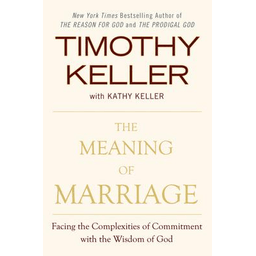 The Meaning of MarriageTim and Kathy Keller’s theology-rich treatment of marriage - pairs well with Habits’ chapter on marriage as a household rhythm.
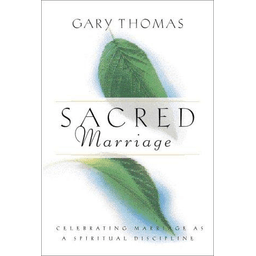 Sacred MarriageGary Thomas’s "what if God designed marriage to make us holy more than to make us happy?" - formation-shaped marriage theology behind Earley’s practices.
 The 5 Love LanguagesGary Chapman’s widely read framework for expressing love in marriage and family - the household-relationships companion most American Christian couples have already read.
Frequently asked questions
Is Habits of the Household a Reformed book?
Earley writes from a broadly evangelical, Reformed-adjacent (PCA-ish) frame, but the habits themselves are old practices - table blessings, sabbath, examen, marking the church year - that are portable across Catholic, Anglican, Wesleyan, Reformed, and LDS households. Most readers across traditions find the framework adapts without friction.
How many habits does the book actually contain?
Around 16, organized across daily, weekly, and seasonal rhythms - covering waking, mealtime, discipline, screens, family time, marriage, work, play, conversation, bedtime, sabbath, and the church year. Earley summarizes each at the end of its chapter as a one-page "habit card."
Do I need The Common Rule first?
No. Habits of the Household stands alone. Many readers come to Earley through Habits and then read The Common Rule later for the adult/personal-formation version of the same argument. The two books complement rather than depend on each other.
Is it useful for parents of teenagers?
Partly. The big-picture habits - sabbath, conversation, marriage rhythms, screens - port well to households with teens. The bedtime, discipline, and mealtime chapters assume younger children and will need adaptation. Parents whose oldest is over 13 sometimes pair Habits with a teen-focused book for the gaps.
Are the Habits of the Household Cards worth buying separately?
For households that connect with the book, yes - the cards live on the kitchen counter and turn the book’s blessings and scripts into something a tired parent can actually grab at 8:15 p.m. The Companion Guide is mainly useful if you’re running a small-group study.
How does it compare to Shepherding a Child’s Heart?
Different categories. Tripp gives a Reformed theology of discipline as heart-shepherding - the why of Christian parenting. Earley gives a daily calendar of habits within which everything (including discipline) happens - the how. Many young Christian parents now read both as a stack.
Is it good for single parents or blended families?
The framework is portable, but the examples and several scripts assume a two-parent household, especially the marriage chapter. Single parents and blended families have used the book to good effect with some translation work - Earley is honest that his examples come from his own context, so adaptation is expected.
More Marriage & Family Books
The 5 Love LanguagesGary Chapman's slim paperback has quietly become the most-recommended marriage book of the last thirty years - and the rare Christian title that crossed fully into the secular mainstream.ParentingPaul David Tripp's 2016 parenting book reframes the whole project around 14 gospel principles - and argues that God is using your kids to change you as much as He's using you to change them.Boundaries in MarriageCloud and Townsend take their five-million-copy Boundaries framework and point it straight at the marriage relationship - arguing that owning your own life is what makes loving your spouse possible.Don’t Make Me Count to ThreeGinger Hubbard's 2003 toddler-discipline book has quietly become the go-to gift for new moms in evangelical circles - short, practical, and aimed at the child's heart rather than just the meltdown in aisle four.The Mission of MotherhoodSally Clarkson's 2003 book reframes motherhood as a high and intentional calling rather than a holding pattern - the vision-casting classic that launched a whole movement of home-discipleship writing.Family WorshipDonald Whitney's 2016 booklet makes the case that leading daily family devotions is simpler than you think - read the Bible, pray, sing - and gives the average household the lowest-friction way to actually start.