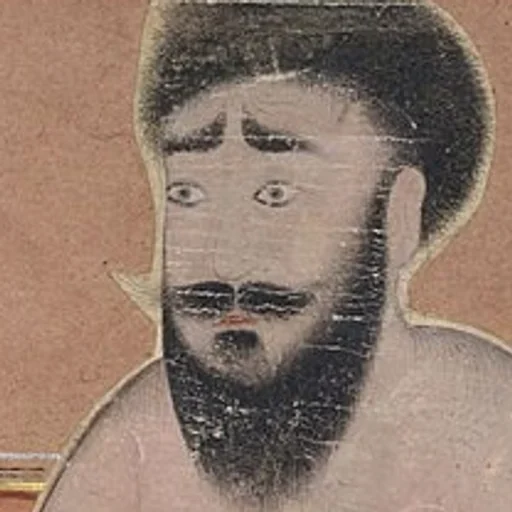
Who was Og in the Bible?
Og was the giant king of Bashan whom Israel defeated on their way to the Promised Land.
King of Bashan
15th-14th century BC
Og was the giant king of Bashan whom Israel defeated on their way to the Promised Land.
Follow the reading trailBEYOND THE NAME
Og was the king of Bashan, remembered for his great size and his iron bedstead, who came out with all his people to fight Israel at Edrei. The LORD told Moses not to fear him, and Israel struck him down and took his sixty fortified cities. Like the victory over Sihon, the defeat of Og became a celebrated sign of God’s deliverance.
Themes in the authored commentary
FOLLOW THE PASSAGES
These are chapter studies associated with this record. Their order follows the books and chapters, rather than a reconstructed timeline of the person’s life.
king of Bashan who marches against Israel and is defeated along with his entire army
Numbers 21 opens with a fight Israel asked God to win. King Arad the Canaanite, hearing they were on the move, attacked and took some of them prisoners (v. 1). Israel answered with a vow laid before the LORD: If thou wilt indeed deliver this people into my hand, then I will utterly destroy their cities (v. 2). The LORD heard, delivered up the Canaanites, and the place was named Hormah after the destruction carried out there. Israel asks for help, and the LORD hears the people.
Chapter overview from the authored study guide.giant king of Bashan whose kingdom was taken by Israel
Og and his people meet Israel in battle at Edrei. The LORD tells Moses, "Fear him not." Israel defeats Og and takes his cities, including sixty in Argob. Reuben, Gad, and half of Manasseh receive land east of the Jordan. Joshua will lead the people across the river.
Chapter overview from the authored study guide.king of Bashan whose kingdom Israel defeated alongside Sihon, allotted to the eastern tribes
Israel stands at the edge of the land. Moses recalls what the people saw in Egypt and how their sandals lasted through forty years in the wilderness. He gathers the leaders, families, foreigners, and those who do the daily work of the camp. The people have seen much, yet the Lord hath not given you an heart to perceive.
Chapter overview from the authored study guide.THE PEOPLE AROUND THE PERSON
Relationships follow the source graph. Some are interpretive or uncertain, and individual verse citations are not yet available for every connection.
STUDY & INTERPRETATION
Og appears in Deuteronomy as the last of the great kings east of the Jordan to fall, the second pillar of the conquest that opened Israel’s inheritance. His imposing size and strength made him a fearsome foe, yet God assured Moses that the outcome was already decided. The victories over Sihon and Og are paired throughout Scripture as proof that no power could stand against the purposes of the LORD. Within the wider narrative they show God making good on ancient promises, the same divine faithfulness that runs through all of Scripture toward the kingdom that cannot be shaken.
From the Learn of Christ person commentary. Read alongside the linked Scripture passages.KEEP SCRIPTURE CLOSE
3 authored chapter guides feature this person. This is guide coverage, not an exhaustive count of biblical mentions.
ASK A BETTER QUESTION
Identity, story, early-life sources, family, and where to read.
Og was the giant king of Bashan whom Israel defeated on their way to the Promised Land.
Og was the king of Bashan, remembered for his great size and his iron bedstead, who came out with all his people to fight Israel at Edrei. The LORD told Moses not to fear him, and Israel struck him down and took his sixty fortified cities. Like the victory over Sihon, the defeat of Og became a celebrated sign of God’s deliverance.
The individualized passage index associates this Og record with Numbers, Deuteronomy, Joshua, 1 Kings, Nehemiah, Psalms. There are 22 distinct indexed verse references in the 66-book Bible. Browse the book-by-book list below; it separates this identity from other people who share the name. Source assignments and textual identifications can require interpretation.
A separate childhood account for Og is not provided in our current authored profile sources. Begin with Numbers 21:33 and the passages linked here for the evidence that is available. The first indexed reference to a name is not a birth record. This profile does not establish a birth date, schooling, or childhood events beyond what its sources state.
The current source graph does not list immediate family for Og. That is a limit of this data, not evidence that Og had no relatives. Read the cited passages for the details they actually give.
Og appears in Deuteronomy as the last of the great kings east of the Jordan to fall, the second pillar of the conquest that opened Israel’s inheritance. His imposing size and strength made him a fearsome foe, yet God assured Moses that the outcome was already decided.
Answers draw on our existing authored biography and linked chapter studies. Where supplied, verse assignments come from the individualized STEP Bible index. Childhood answers distinguish documented events from gaps in the available sources.
FIND THE PERSON IN THE TEXT
22 distinct verse references in the source’s 66-book index. These are indexed name assignments, rather than every indirect allusion to this person. A name may also refer to descendants, a tribe, or a nation; read each passage to distinguish that usage from the individual.
“And they turned and went up by the way of Bashan: and Og the king of Bashan went out against them, he, and all his people, to the battle at Edrei.”
Numbers 21:33 · King James Version
“For only Og king of Bashan remained of the remnant of giants; behold, his bedstead was a bedstead of iron; is it not in Rabbath of the children of Ammon? nine cubits was the length thereof, and four cubits the breadth of it, after the cubit of a man.”
Deuteronomy 3:11 · King James Version
“And the coast of Og king of Bashan, which was of the remnant of the giants, that dwelt at Ashtaroth and at Edrei,”
Joshua 12:4 · King James Version
“And Og the king of Bashan: for his mercy endureth for ever:”
Psalms 136:20 · King James Version
References are adapted from STEP Bible / Tyndale House TIPNR (CC BY 4.0). Deduplicated, matched to this identity, and checked against the bundled KJV’s verse bounds. Interpretive assignments and translation/versification differences may remain. This index is separate from evidence for individual family relationships.
YOUR OWN OBSERVATIONS
Notes, saved people, and study marks stay in this browser. They do not sync to your account.
KEEP EXPLORING
People featured in the same study guides. Sharing a chapter does not establish a family relationship.