Amos 2
People in this chapter
The crowd has been cheering. Amos named the crimes of every neighbor Israel loved to hate, and each oracle landed like an amen. Now the circle tightens. Moab burns a king's bones to lime (v. 1). Judah despises the law of the LORD (v. 4). The noose draws nearer home.1
Tap any highlighted phrase to jump to the commentary that unpacks it.
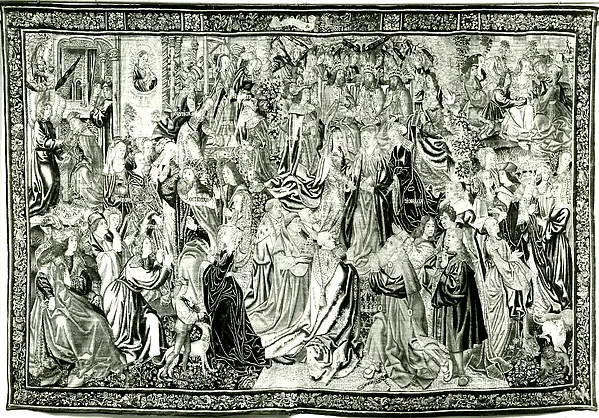
Amos 2:1-5Moab and Judah · The Circle Tightens
1Thus saith the LORD; For three transgressions of Moab, and for four, I will not turn away the punishment thereof; because he burned the bones of the king of Edom into lime: 2But I will send a fire upon Moab, and it shall devour the palaces of Kirioth: and Moab shall die with tumult, with shouting, and with the sound of the trumpet: 3And I will cut off the judge from the midst thereof, and will slay all the princes thereof with him, saith the LORD. 4Thus saith the LORD; For three transgressions of Judah, and for four, I will not turn away the punishment thereof; because they have despised the law of the LORD, and have not kept his commandments, and their lies caused them to err, after the which their fathers have walked: 5But I will send a fire upon Judah, and it shall devour the palaces of Jerusalem.
The circle of oracles continues, and the next nation is Moab, across the Dead Sea to the east: Thus saith the LORD; For three transgressions of Moab, and for four, I will not turn away the punishment thereof; because he burned the bones of the king of Edom into lime (v. 1). The crime is striking, because its victim was not Israel at all - it was Edom, another foreign nation, and one Israel had little love for.
Moab had taken the body of a dead king of Edom and burned his bones into lime, reducing a human being to powder, perhaps to plaster a wall or whitewash a building. In the ancient world the treatment of the dead carried deep weight; to desecrate a corpse, and a king's corpse at that, was an act of contempt that reached past the grave. And here is the quiet, important thing: God arraigns Moab for a cruelty done to a people Israel itself despised.
The LORD's justice is not on Israel's side against her enemies; it stands over all the nations, defending even the dignity of an Edomite king's bones. The sentence is fire on Kerioth and the cutting off of judge and princes together (vv. 2-3) - the rulers who presided over the contempt swept away with it.1
Now the circle closes one ring tighter, and the word falls on Judah - the southern kingdom, the line of David, the people of the temple: Thus saith the LORD; For three transgressions of Judah, and for four… because they have despised the law of the LORD, and have not kept his commandments, and their lies caused them to err, after the which their fathers have walked (v. 4). Notice how the charge changes shape. The nations were indicted for cruelty - war crimes, slave-trading, desecration.
But Judah is not charged with brutality toward others; Judah is charged with turning from God's own word. She despised the law of the LORD and kept not his commandments. Hers is the sin of a people who had the truth and let it go - who followed lies down the same road their fathers had walked, generation handing the error to generation. There is a sobering principle here. The greater the light, the greater the accountability.
The pagan nations sinned against the conscience God writes on every heart; Judah sinned against the very law of God spoken to her directly. And so the same fire that fell on Moab and Damascus is appointed for Jerusalem (v. 5). No pedigree, no temple, no covenant heritage exempts a people who despise the word they were given.
Amos 2:6-8They Sold the Righteous for Silver
6Thus saith the LORD; For three transgressions of Israel, and for four, I will not turn away the punishment thereof; because they sold the righteous for silver, and the poor for a pair of shoes; 7That pant after the dust of the earth on the head of the poor, and turn aside the way of the meek: and a man and his father will go in unto the same maid, to profane my holy name: 8And they lay themselves down upon clothes laid to pledge by every altar, and they drink the wine of the condemned in the house of their god.
The long-building word finally lands on the crowd that was cheering, and their crimes get more lines than anyone else's. Listen to the first charge. To sell the righteous for silver means a just person - someone in the right, maybe a poor debtor with a legitimate case - was handed over or sold into bondage because a bribe changed the verdict. Justice itself was for sale. Then the second clause drives the knife deeper: a poor man, defenseless before the court, was traded for the price of sandals.
Pocket change. That is the horror Amos wants you to feel. The horror is that they were sold cheaply, a life weighed at less than a small debt. In the covenant people, the worth of the poor had collapsed to almost nothing. This is the sin that tips the scale: greed so total it puts a price tag on the helpless and sets it low.2
The indictment widens into a portrait of the poor crushed at every turn: That pant after the dust of the earth on the head of the poor, and turn aside the way of the meek (v. 7). The first image is vivid and cruel - they so hunger for gain that they covet even the dust of the earth that the poor throw on their own heads in mourning; they begrudge the grieving their very grief.
To turn aside the way of the meek is to shove the lowly off the path, to deny the humble any fair standing, to bend the road of justice away from those least able to defend themselves. Then the corruption turns sexual and sacred at once: a man and his father will go in unto the same maid, to profane my holy name. The point is not merely private immorality but the brazen profaning of what is holy - sin committed so openly that God's own name is dragged through the mud by people who still claim to be His.
And worst of all, their religion runs right over the people they have wronged: they lay themselves down upon clothes laid to pledge by every altar, and they drink the wine of the condemned in the house of their god (v. 8). The law said a poor man's cloak, taken as a pledge for a loan, must be returned by nightfall so he would not sleep cold. Here they keep those very garments and lounge on them at the altar - worshipping on the stolen warmth of the poor, drinking wine bought with fines wrung from the condemned.
It is the chapter's most damning picture: injustice and worship fused into one act, cruelty draped in the clothes of devotion.
Amos 2:9-12Mercies Remembered · Prophesy Not
9Yet destroyed I the Amorite before them, whose height was like the height of the cedars, and he was strong as the oaks; yet I destroyed his fruit from above, and his roots from beneath. 10Also I brought you up from the land of Egypt, and led you forty years through the wilderness, to possess the land of the Amorite. 11And I raised up of your sons for prophets, and of your young men for Nazarites. Is it not even thus, O ye children of Israel? saith the LORD. 12But ye gave the Nazarites wine to drink; and commanded the prophets, saying, Prophesy not.
Against this catalogue of sin God sets the long record of His own faithfulness, and the contrast is the heart of the charge. Yet destroyed I the Amorite before them, whose height was like the height of the cedars, and he was strong as the oaks; yet I destroyed his fruit from above, and his roots from beneath (v. 9). The towering, deep-rooted peoples who held the land - tall as cedars, strong as oaks - God uprooted entirely, fruit and root together, to make room for Israel.
Also I brought you up from the land of Egypt, and led you forty years through the wilderness, to possess the land of the Amorite (v. 10). Every good thing Israel possessed traced back to God's rescuing hand - the deliverance from slavery, the long care through the desert, the gift of the land itself. And it was not only material: I raised up of your sons for prophets, and of your young men for Nazarites (v. 11).
God gave them living voices to speak His word and consecrated young men set apart as visible signs of holiness in their midst. Then comes the quiet, devastating question: Is it not even thus, O ye children of Israel? - Did I not do all this? Can you deny it? The recital is not nostalgia; it is the measure of their guilt. A people who had received rescue, provision, land, prophets, and the gift of holiness had answered with the trampling of the poor.
The greatness of the mercy is the greatness of the betrayal.
Israel's whole answer to God's mercy fits in one shattering verse, and it takes deliberate aim at both gifts of verse 11. The Nazarites were young men under a sacred vow, and the plainest mark of that vow was that they touched no wine. To give them wine was to corrupt the consecrated on purpose - to drag the holy down into the crowd and make it ordinary. And the prophets, the voices raised up to call the nation home, were simply gagged: Prophesy not. This is the deepest sin of all, deeper even than crushing the poor, because it is the refusal of the cure.
A people can fall into injustice and still be called back, if they will hear the voice that calls. Israel stopped the voice. They corrupted the holy and silenced the prophets, cutting the very cords God let down to pull them up. This was the sin of defiance: we would not hear. Silence the messengers God sends to save you, and the judgment that follows is simply the closing of a door you bolted yourself.
Amos 2:13-16The Swift, the Strong, the Mighty · None Shall Escape
13Behold, I am pressed under you, as a cart is pressed that is full of sheaves. 14Therefore the flight shall perish from the swift, and the strong shall not strengthen his force, neither shall the mighty deliver himself: 15Neither shall he stand that handleth the bow; and he that is swift of foot shall not deliver himself: neither shall he that rideth the horse deliver himself. 16And he that is courageous among the mighty shall flee away naked in that day, saith the LORD.
Before the sentence falls, God says something startling about His own experience of Israel's sin: Behold, I am pressed under you, as a cart is pressed that is full of sheaves (v. 13). The image is of a farm cart so overloaded at harvest that it groans and sinks under the weight, its axles straining, the ground rutting beneath it. That, God says, is what their accumulated sin is to Him - a crushing, grinding load.
The God of Amos is not a cold, distant magistrate handing down a verdict from a safe height; He is, in some way the text dares to put in physical terms, burdened by what His people have done. There is grief inside this judgment. The patience that bore three transgressions and then a fourth has been bearing real weight all along, and now the cart can hold no more. This single verse keeps the chapter from being read as mere wrath.
The God who is about to strip away every defense is the God who has been pressed down, loaded, grieved by the very people He rescued. His judgment is not the explosion of indifference; it is the response of a holiness that has carried, and felt, the full weight of human cruelty.1
The chapter ends with a portrait of total defenselessness, sweeping through every kind of strength a person might trust: Therefore the flight shall perish from the swift, and the strong shall not strengthen his force, neither shall the mighty deliver himself: neither shall he stand that handleth the bow; and he that is swift of foot shall not deliver himself: neither shall he that rideth the horse deliver himself. And he that is courageous among the mighty shall flee away naked in that day (vv. 14-16).
The list is deliberate and exhaustive. The swift runner, whose speed always saved him before, cannot outrun this. The strong man cannot summon his strength. The mighty warrior cannot rescue even himself. The archer cannot hold his ground; the fast-footed soldier cannot flee; the cavalryman cannot ride clear. And the bravest of all - he that is courageous among the mighty - will throw down his weapons and run naked, stripped of armor and dignity together.
Every human resource fails at once. The point is not that God delights in the helplessness of His enemies, but that there is finally no defense against the justice of God for a people who have refused His mercy. Speed, strength, courage, weaponry - the things people trust to save themselves - are nothing before Him. When the God who was pressed under their sin at last rises from under the load, no human strength can stand.
The only safety ever offered was the mercy they silenced; having refused it, they are left with strengths that cannot save.
Research trail
Sources & further study
These references support the historical, linguistic, manuscript, and contextual notes in this chapter. Scripture remains the primary text; external sources are provided so readers can inspect the research directly.
- Amos 2 - Translators' NotesThe NET Bible's detailed footnotes on Amos 2 - the desecration charged against Moab in verses 1-3, the covenant indictment of Judah in verses 4-5, the social crimes against the poor and the meek in verses 6-8, the recital of God's past mercies in verses 9-11, and the image of a God “pressed” under His people's sin in verse 13.
- Amos 2 · Hebrew + classical Jewish commentaryThe Hebrew text of Amos 2 with Rashi, Ibn Ezra, and other classical commentators side by side - useful for tzaddiq (v. 6, the “righteous” or just one who is sold), for kesef (v. 6, the “silver” he is sold for), and for the phrase na'alayim (v. 6, the “pair of shoes” that sets a contemptible price on a human life).
- Amos 2 ↔ Zechariah 11 · Matthew 26-27 · Luke 4 · James 2 · Acts 7Traces the threads tying Amos 2 to the rest of Scripture - the righteous sold for silver (v. 6) read beside the thirty pieces weighed out for the innocent blood (Zech. 11:12-13; Matt. 26:15; 27:4), the poor crushed underfoot (vv. 6-7) set against the gospel preached first to the poor (Luke 4:18; Jas. 2:5-6), and the silencing of the prophets (v. 12) echoed in the long history of rejected messengers (Matt. 21:33-39; Acts 7:51-52).
Where this echoes in Scripture
Moab and Judah · The Circle Tightens
- Genesis 18:25Shall not the Judge of all the earth do right?The conviction beneath these oracles - that the God who judges Moab and Judah alike (vv. 1, 4) judges all the earth justly.
- Romans 2:11For there is no respect of persons with God.The impartiality of the refrain - the same standard over the nations and over the covenant people (vv. 1, 4).
- Luke 12:48unto whomsoever much is given, of him shall be much required.The principle behind Judah's judgment (v. 4) - the greater the light, the greater the accountability.
- 2 Kings 3:26-27he took his eldest son... and offered him for a burnt offering upon the wall.The kind of Moabite desperation and cruelty that lies behind the charge of verse 1.
- Acts 17:31he hath appointed a day, in the which he will judge the world in righteousness by that man whom he hath ordained.The impartial reckoning of these oracles brought to its fullness - the world judged in righteousness by the One God ordained.
Mercies Remembered · Prophesy Not
- Zechariah 11:12-13So they weighed for my price thirty pieces of silver... a goodly price that I was prised at of them.The selling of the righteous (v. 6) foreseen - the just one priced in silver, weighed out in scorn.
- Matthew 26:14-15What will ye give me, and I will deliver him unto you? And they covenanted with him for thirty pieces of silver.The charge of verse 6 come round again - the Righteous One sold for silver.
- Exodus 22:26-27If thou at all take thy neighbour's raiment to pledge, thou shalt deliver it unto him by that the sun goeth down.The law Israel broke in verse 8 - the poor man's pledged cloak kept and lounged upon at the altar.
- Proverbs 14:31He that oppresseth the poor reproacheth his Maker: but he that honoureth him hath mercy on the poor.The truth beneath verses 6-7 - cruelty to the poor is an insult aimed at God Himself.
- Matthew 21:33-39last of all he sent unto them his son... they caught him, and cast him out of the vineyard, and slew him.Where “Prophesy not” (v. 12) finally leads - the long rejection of God's messengers ending in the Son.
The Swift, the Strong, the Mighty · None Shall Escape
- Isaiah 53:6All we like sheep have gone astray... and the LORD hath laid on him the iniquity of us all.The burden that pressed God down (v. 13) finally laid on the One who bore it - the iniquity of all.
- Psalm 33:16-17There is no king saved by the multitude of an host: a mighty man is not delivered by much strength.The same truth as verses 14-16 - no human strength can deliver when God acts.
- Jeremiah 9:23Let not the mighty man glory in his might... but let him that glorieth glory in this, that he understandeth and knoweth me.The lesson of verses 14-16 - the futility of trusting in strength, speed, or might before God.
- Matthew 11:28-30Come unto me, all ye that labour and are heavy laden, and I will give you rest.The answer to the load of verse 13 - the burden God felt, taken up by the One who gives rest.
- Amos 9:1-4though they dig into hell, thence shall mine hand take them... I will set mine eyes upon them for evil, and not for good.The same inescapable judgment as verses 14-16, gathered up at the book's close - no flight from the LORD.