Jeremiah 51
People in this chapter
The oracle against Babylon that began in chapter 50 now reaches its long, thunderous climax. Babylon is the empire that conquered Judah, burned the temple, and carried the people into exile - the great power of the age, seemingly written into the structure of the world. Against that power the LORD speaks with absolute certainty: Behold, I will raise up against Babylon… a destroying wind (v. 1), and the verdict is already settled - Babylon is suddenly fallen and destroyed (v. 8).
The chapter names the instrument: the LORD hath raised up the spirit of the kings of the Medes… the vengeance of his temple (v. 11). The God who once used Babylon to chasten His people now brings Babylon itself to account.1
Tap any highlighted phrase to jump to the commentary that unpacks it.
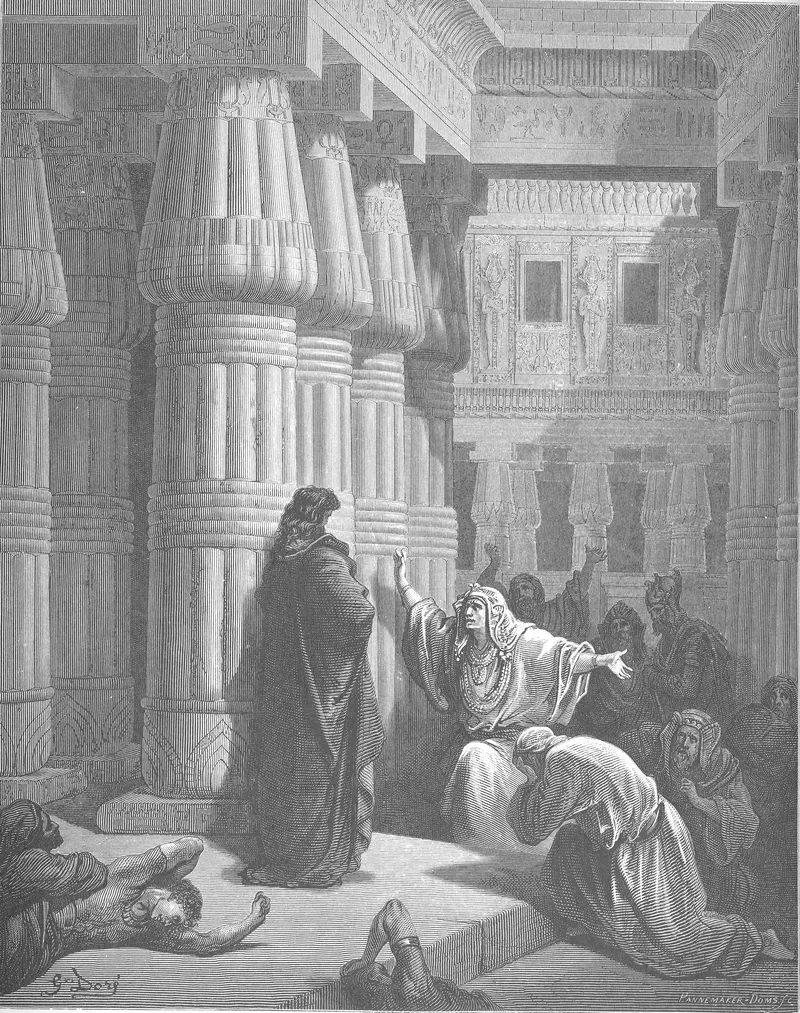
Jeremiah 51:1-14Babylon Is Suddenly Fallen
1Thus saith the LORD; Behold, I will raise up against Babylon, and against them that dwell in the midst of them that rise up against me, a destroying wind; 2And will send unto Babylon fanners, that shall fan her, and shall empty her land: for in the day of trouble they shall be against her round about. 3Against him that bendeth let the archer bend his bow, and against him that lifteth himself up in his brigandine: and spare ye not her young men; destroy ye utterly all her host. 4Thus the slain shall fall in the land of the Chaldeans, and they that are thrust through in her streets. 5For Israel hath not been forsaken, nor Judah of his God, of the LORD of hosts; though their land was filled with sin against the Holy One of Israel. 6Flee out of the midst of Babylon, and deliver every man his soul: be not cut off in her iniquity; for this is the time of the LORD’s vengeance; he will render unto her a recompence. 7Babylon hath been a golden cup in the LORD’s hand, that made all the earth drunken: the nations have drunken of her wine; therefore the nations are mad. 8Babylon is suddenly fallen and destroyed: howl for her; take balm for her pain, if so be she may be healed. 9We would have healed Babylon, but she is not healed: forsake her, and let us go every one into his own country: for her judgment reacheth unto heaven, and is lifted up even to the skies. 10The LORD hath brought forth our righteousness: come, and let us declare in Zion the work of the LORD our God. 11Make bright the arrows; gather the shields: the LORD hath raised up the spirit of the kings of the Medes: for his device is against Babylon, to destroy it; because it is the vengeance of the LORD, the vengeance of his temple. 12Set up the standard upon the walls of Babylon, make the watch strong, set up the watchmen, prepare the ambushes: for the LORD hath both devised and done that which he spake against the inhabitants of Babylon. 13O thou that dwellest upon many waters, abundant in treasures, thine end is come, and the measure of thy covetousness. 14The LORD of hosts hath sworn by himself, saying, Surely I will fill thee with men, as with caterpillers; and they shall lift up a shout against thee.
The sentence opens with the same authority that opened all of Jeremiah's preaching: Thus saith the LORD; Behold, I will raise up against Babylon… a destroying wind (v. 1). For decades Babylon had been the rod in God's hand against His own people; now the chapter turns that hand against Babylon herself. The destroying wind and the fanners, that shall fan her, and shall empty her land (v. 2) are images from the threshing floor - the wind that drives away chaff - and they make the point that what is coming is not chance but a deliberate winnowing.
Verse 5 names the reason the verdict is just: For Israel hath not been forsaken, nor Judah of his God… though their land was filled with sin against the Holy One of Israel. Judah had sinned deeply and been chastened for it, but she was never abandoned. The covenant God had not walked away. And because He had not, the empire that had assumed His people were friendless and finished would now learn otherwise. The whole oracle rests on this: the LORD of hosts has not forgotten the people He disciplined, and He will call their oppressor to account.1
Two images sit side by side here and govern the section. First, the call to God's people inside the city: Flee out of the midst of Babylon, and deliver every man his soul: be not cut off in her iniquity (v. 6). The danger is not only Babylon's fall but being swept up in her iniquity - sharing her guilt and so sharing her ruin. Then the image of the city herself: Babylon hath been a golden cup in the LORD's hand, that made all the earth drunken (v. 7).
It is a careful picture. The cup is golden - beautiful, costly, dazzling - and the nations have drunken of her wine until they are mad, intoxicated and reeling, their judgment gone. Yet the cup is in the LORD's hand. Even at the height of her power Babylon was never her own master; she was an instrument, and an instrument can be set down or shattered. The wine that maddened the nations was poured by a hand that was always above her.
So when the verdict falls in the next breath - Babylon is suddenly fallen and destroyed (v. 8) - it is no accident of history. The hand that held the cup has emptied it.
Verse 8 ends with a strange, almost mocking summons: howl for her; take balm for her pain, if so be she may be healed. And verse 9 answers it with one of the most sobering lines in the chapter: We would have healed Babylon, but she is not healed: forsake her, and let us go every one into his own country: for her judgment reacheth unto heaven. The voice here is that of the nations who have tried and failed - balm was offered, healing was attempted, and it did not take.
There comes a point where judgment on the unrepentant can no longer be turned back, where the wound is mortal because the heart will not change, and the only honest counsel is to forsake her. This is not God delighting in ruin; the same prophet wept over his own city. It is the recognition that Babylon's guilt has reached its full measure - her judgment reacheth unto heaven, and is lifted up even to the skies. Against that stands verse 10: The LORD hath brought forth our righteousness: come, and let us declare in Zion the work of the LORD our God. The same act that ends Babylon vindicates God's wronged people.
What is a sealed sentence for the proud city is, for those who trusted the LORD through long exile, a cause to go up to Zion and tell what God has done.
The middle of the section names the human means and then lifts the curtain on the divine one. Make bright the arrows; gather the shields: the LORD hath raised up the spirit of the kings of the Medes (v. 11). History would record the Medes and Persians taking Babylon, and the chapter says plainly that the armies marshalling on the horizon are armies the LORD has stirred. But the deepest reason is given twice in a single verse: because it is the vengeance of the LORD, the vengeance of his temple. Babylon had broken down the house of God in Jerusalem and burned it; that desecration is not forgotten, and the reckoning is, in part, the temple's vindication.
Verse 12 underscores how certain it all is: the LORD hath both devised and done that which he spake against the inhabitants of Babylon. The plan and its execution belong to Him alike. Then the city is addressed directly: O thou that dwellest upon many waters, abundant in treasures, thine end is come (v. 13). Babylon sat astride the Euphrates and its canals, rich and seemingly secure behind its waters and walls. None of it can hold back the sworn word of the LORD of hosts, who hath sworn by himself (v. 14) - the strongest oath there is, for there is none greater by whom to swear.
Jeremiah 51:15-24He Hath Made the Earth by His Power · The Portion of Jacob
15He hath made the earth by his power, he hath established the world by his wisdom, and hath stretched out the heaven by his understanding. 16When he uttereth his voice, there is a multitude of waters in the heavens; and he causeth the vapours to ascend from the ends of the earth: he maketh lightnings with rain, and bringeth forth the wind out of his treasures. 17Every man is brutish by his knowledge; every founder is confounded by the graven image: for his molten image is falsehood, and there is no breath in them. 18They are vanity, the work of errors: in the time of their visitation they shall perish. 19The portion of Jacob is not like them; for he is the former of all things: and Israel is the rod of his inheritance: the LORD of hosts is his name. 20Thou art my battle axe and weapons of war: for with thee will I break in pieces the nations, and with thee will I destroy kingdoms; 21And with thee will I break in pieces the horse and his rider; and with thee will I break in pieces the chariot and his rider; 22With thee also will I break in pieces man and woman; and with thee will I break in pieces old and young; and with thee will I break in pieces the young man and the maid; 23I will also break in pieces with thee the shepherd and his flock; and with thee will I break in pieces the husbandman and his yoke of oxen; and with thee will I break in pieces captains and rulers. 24And I will render unto Babylon and to all the inhabitants of Chaldea all their evil that they have done in Zion in your sight, saith the LORD.
In the middle of an oracle about armies and ruin, the prophet breaks into a hymn - and it is the same hymn he sang back in chapter 10 against the idols of the nations. He hath made the earth by his power, he hath established the world by his wisdom, and hath stretched out the heaven by his understanding (v. 15). The reason for placing it here is profound. Babylon was a city full of gods, the religious center of the age, and her people trusted images of silver and gold.
So before the sentence on the city is finished, the prophet sets the LORD beside those gods and shows the difference. He made the earth; He established the world; He stretched out the heaven - the sky spread like a tent over all things by His own understanding. And He governs it still: When he uttereth his voice, there is a multitude of waters in the heavens… he maketh lightnings with rain, and bringeth forth the wind out of his treasures (v. 16).
The storehouses of the weather are His; the storm answers His voice. This is the God who has pronounced Babylon's end. The point is not abstract theology dropped into a war oracle; it is the ground of the whole prophecy. The One who made the world and commands its winds is more than able to bring down a city that trusts in lifeless gods.1
The hymn now turns to the idols themselves, and the verdict is withering: Every man is brutish by his knowledge; every founder is confounded by the graven image: for his molten image is falsehood, and there is no breath in them. They are vanity, the work of errors: in the time of their visitation they shall perish (vv. 17-18). Notice the irony in every man is brutish by his knowledge. The idol-maker prides himself on his skill, his craft, his expertise - and that very cleverness makes him a fool, because all his learning has gone into shaping a lie.
The founder, the metalworker who casts the image, is confounded: his finished work is falsehood, and the most damning words of all are the simplest - there is no breath in them. The thing he bows to does not breathe. It cannot live, cannot answer, cannot save. They are vanity - emptiness, a puff of breath - and the work of errors, a labor that is mistaken at its root. And their end is fixed: in the time of their visitation they shall perish. When God comes to reckon, the gods of Babylon will go down with the city that made them, because they were never anything at all.
The whole portrait is built to throw the next verse into the brightest possible relief.
After the hymn comes a stretch of relentless repetition: Thou art my battle axe and weapons of war: for with thee will I break in pieces the nations (v. 20). The phrase break in pieces falls like hammer-blows nine times in four verses - horse and rider, chariot and rider, man and woman, old and young, shepherd and flock, husbandman and oxen, captains and rulers. Who is the battle axe? Most naturally Babylon herself, the weapon the LORD had wielded to shatter the nations - the very tool of judgment, addressed here in the moment before the tool is itself broken.
The drumbeat makes a sobering point: the empire that dealt out destruction so freely will now receive it. And verse 24 names the principle plainly: I will render unto Babylon and to all the inhabitants of Chaldea all their evil that they have done in Zion in your sight, saith the LORD. The little phrase that they have done in Zion is the moral center of the whole chapter. This is not arbitrary violence; it is recompense measured to a specific wrong - what Babylon did to the city of God.
And it will be done in your sight, before the eyes of the wronged, so that the exiles who watched Jerusalem fall will see the account settled. The God who keeps such books does not lose track of what was done to His people.
Jeremiah 51:25-44O Destroying Mountain · The Wall of Babylon Shall Fall
25Behold, I am against thee, O destroying mountain, saith the LORD, which destroyest all the earth: and I will stretch out mine hand upon thee, and roll thee down from the rocks, and will make thee a burnt mountain. 26And they shall not take of thee a stone for a corner, nor a stone for foundations; but thou shalt be desolate for ever, saith the LORD. 27Set ye up a standard in the land, blow the trumpet among the nations, prepare the nations against her, call together against her the kingdoms of Ararat, Minni, and Ashchenaz; appoint a captain against her; cause the horses to come up as the rough caterpillers. 28Prepare against her the nations with the kings of the Medes, the captains thereof, and all the rulers thereof, and all the land of his dominion. 29And the land shall tremble and sorrow: for every purpose of the LORD shall be performed against Babylon, to make the land of Babylon a desolation without an inhabitant. 30The mighty men of Babylon have forborn to fight, they have remained in their holds: their might hath failed; they became as women: they have burned her dwellingplaces; her bars are broken. 31One post shall run to meet another, and one messenger to meet another, to shew the king of Babylon that his city is taken at one end, 32And that the passages are stopped, and the reeds they have burned with fire, and the men of war are affrighted. 33For thus saith the LORD of hosts, the God of Israel; The daughter of Babylon is like a threshingfloor, it is time to thresh her: yet a little while, and the time of her harvest shall come. 34Nebuchadrezzar the king of Babylon hath devoured me, he hath crushed me, he hath made me an empty vessel, he hath swallowed me up like a dragon, he hath filled his belly with my delicates, he hath cast me out. 35The violence done to me and to my flesh be upon Babylon, shall the inhabitant of Zion say; and my blood upon the inhabitants of Chaldea, shall Jerusalem say. 36Therefore thus saith the LORD; Behold, I will plead thy cause, and take vengeance for thee; and I will dry up her sea, and make her springs dry. 37And Babylon shall become heaps, a dwellingplace for dragons, an astonishment, and an hissing, without an inhabitant. 38They shall roar together like lions: they shall yell as lions’ whelps. 39In their heat I will make their feasts, and I will make them drunken, that they may rejoice, and sleep a perpetual sleep, and not wake, saith the LORD. 40I will bring them down like lambs to the slaughter, like rams with he goats. 41How is Sheshach taken! and how is the praise of the whole earth surprised! how is Babylon become an astonishment among the nations! 42The sea is come up upon Babylon: she is covered with the multitude of the waves thereof. 43Her cities are a desolation, a dry land, and a wilderness, a land wherein no man dwelleth, neither doth any son of man pass thereby. 44And I will punish Bel in Babylon, and I will bring forth out of his mouth that which he hath swallowed up: and the nations shall not flow together any more unto him: yea, the wall of Babylon shall fall.
The LORD turns and addresses the city face to face: Behold, I am against thee, O destroying mountain… which destroyest all the earth (v. 25). Babylon sat on a flat plain, so the mountain is not geography but stature - a towering power that loomed over the world and laid it waste. To such a height God says, I will… roll thee down from the rocks, and will make thee a burnt mountain. The mountain that crushed others will be tumbled down and left a charred slag-heap.
Verse 26 presses the totality of it: they shall not take of thee a stone for a corner, nor a stone for foundations; but thou shalt be desolate for ever. When a city was destroyed, its dressed stones were usually carted off and reused in the next building; that was the normal afterlife of a ruin. Babylon will not even be quarried for scrap. Her ruin will be so complete that nothing of her is worth carrying away.
Then comes the muster of the armies - blow the trumpet among the nations… the kingdoms of Ararat, Minni, and Ashchenaz (v. 27), the peoples north and east who would join the Medes - and the reason behind them all: every purpose of the LORD shall be performed against Babylon (v. 29). The nations march, but it is God's purpose that moves them.1
The threshing image returns: The daughter of Babylon is like a threshingfloor, it is time to thresh her: yet a little while, and the time of her harvest shall come (v. 33). On the threshing floor the grain is beaten and the chaff driven off; Babylon's “harvest” is her reckoning, and it is near. Then, in verse 34, a new and aching voice speaks - the voice of Zion herself, recalling what was done to her: Nebuchadrezzar the king of Babylon hath devoured me, he hath crushed me, he hath made me an empty vessel, he hath swallowed me up like a dragon… he hath cast me out. The verbs pile up like wounds: devoured, crushed, emptied, swallowed, cast out.
Babylon is pictured as a monster that gulped Jerusalem down and left her hollow. And to this cry the LORD answers in verse 36 with words of a defender taking up a case: Behold, I will plead thy cause, and take vengeance for thee. The wronged city does not have to avenge herself; her God will plead her cause. He will dry up her sea, and make her springs dry - the waters that made Babylon rich and safe - until the proud city becomes heaps, a dwellingplace for dragons, an astonishment, and an hissing (v. 37).
The monster that swallowed God's people will be left a haunted ruin that passers-by hiss at in dismay. The verses that follow press the same reversal in image after image. Babylon's warriors roar together like lions (v. 38), proud and ravenous - but the LORD will spread them a different feast: I will make them drunken… and sleep a perpetual sleep, and not wake (v. 39). The lions are brought down like lambs to the slaughter (v. 40); the roles are exactly inverted.
Verse 41 cries out in astonishment, How is Sheshach taken! - using a veiled name for Babylon, the praise of the whole earth now an astonishment among the nations. And the sea-image that destroyed others now overwhelms her: The sea is come up upon Babylon: she is covered with the multitude of the waves thereof (v. 42), until her cities are a desolation, a dry land, and a wilderness (v. 43). The city that drank the world dry is herself drowned, then left a wasteland - recompense measured to the wrong.
The section comes to rest on the defeat of Babylon's chief god: And I will punish Bel in Babylon, and I will bring forth out of his mouth that which he hath swallowed up… yea, the wall of Babylon shall fall (v. 44). Bel was the great deity of the city, and there was a custom of bringing tribute and offerings into his temple - the nations flowing together to him, and the spoils of conquered peoples, including the sacred vessels carried off from Jerusalem, gathered into his house as if the god had swallowed them.
The LORD says He will make Bel disgorge what he devoured: I will bring forth out of his mouth that which he hath swallowed up. The plundered things will come back out; the worship will dry up - the nations shall not flow together any more unto him. And then the line that says it all: the wall of Babylon shall fall. Babylon's walls were famous, reckoned among the wonders of the world, the very image of impregnable security.
When they fall, the lie at the center of the city falls with them - the lie that her gods could keep her, that her defenses were beyond the reach of heaven. The God who made the earth has only to speak, and the strongest wall ever built lies in the dust.
Jeremiah 51:45-58My People, Go Ye Out of the Midst of Her
45My people, go ye out of the midst of her, and deliver ye every man his soul from the fierce anger of the LORD. 46And lest your heart faint, and ye fear for the rumour that shall be heard in the land; a rumour shall both come one year, and after that in another year shall come a rumour, and violence in the land, ruler against ruler. 47Therefore, behold, the days come, that I will do judgment upon the graven images of Babylon: and her whole land shall be confounded, and all her slain shall fall in the midst of her. 48Then the heaven and the earth, and all that is therein, shall sing for Babylon: for the spoilers shall come unto her from the north, saith the LORD. 49As Babylon hath caused the slain of Israel to fall, so at Babylon shall fall the slain of all the earth. 50Ye that have escaped the sword, go away, stand not still: remember the LORD afar off, and let Jerusalem come into your mind. 51We are confounded, because we have heard reproach: shame hath covered our faces: for strangers are come into the sanctuaries of the LORD’s house. 52Wherefore, behold, the days come, saith the LORD, that I will do judgment upon her graven images: and through all her land the wounded shall groan. 53Though Babylon should mount up to heaven, and though she should fortify the height of her strength, yet from me shall spoilers come unto her, saith the LORD. 54A sound of a cry cometh from Babylon, and great destruction from the land of the Chaldeans: 55Because the LORD hath spoiled Babylon, and destroyed out of her the great voice; when her waves do roar like great waters, a noise of their voice is uttered: 56Because the spoiler is come upon her, even upon Babylon, and her mighty men are taken, every one of their bows is broken: for the LORD God of recompences shall surely requite. 57And I will make drunk her princes, and her wise men, her captains, and her rulers, and her mighty men: and they shall sleep a perpetual sleep, and not wake, saith the King, whose name is the LORD of hosts. 58Thus saith the LORD of hosts; The broad walls of Babylon shall be utterly broken, and her high gates shall be burned with fire; and the people shall labour in vain, and the folk in the fire, and they shall be weary.
The great refrain returns, now even more tender: My people, go ye out of the midst of her, and deliver ye every man his soul from the fierce anger of the LORD (v. 45). The first thing to feel is the two words My people. Even after exile, even with the temple in ashes, the LORD still calls them His own - and because they are His, He will not let them be destroyed with the city under His wrath.
The danger named is precise: the fierce anger of the LORD. Babylon is about to absorb a judgment that belongs to God Himself, and to remain inside her is to stand in the path of it. So the command is to come out and deliver… every man his soul. Then God anticipates exactly the fear that would keep them frozen: And lest your heart faint, and ye fear for the rumour that shall be heard in the land; a rumour shall both come one year, and after that in another year shall come a rumour (v. 46).
The end will not come in a single tidy stroke. There will be unsettling years - report after report, violence in the land, ruler against ruler - the long, frightening churn of an empire collapsing. Through all of it the counsel is the same: do not let your heart faint, do not be paralyzed by the headlines, do not drift back. The certainty of God's purpose is meant to steady His people while the world around them shakes.
Verse 48 lifts the eyes from the falling city to all creation: Then the heaven and the earth, and all that is therein, shall sing for Babylon: for the spoilers shall come unto her from the north. When a tyranny that destroyest all the earth finally falls, the response of the cosmos is song. This is not cruelty; it is the relief of a creation long groaning under oppression, the same note struck when the Scriptures picture heaven rejoicing over the end of what crushed the innocent.
Verse 49 gives the principle in a single balanced line: As Babylon hath caused the slain of Israel to fall, so at Babylon shall fall the slain of all the earth. The measure Babylon used is measured back to her. Then the word turns gently to the survivors: Ye that have escaped the sword, go away, stand not still: remember the LORD afar off, and let Jerusalem come into your mind (v. 50). Even far from home, in a foreign land, they are to keep the LORD in memory and let Jerusalem rise before their minds - to stay oriented toward God and His city while they are still scattered.
And verse 51 lets us hear their grief: shame hath covered our faces: for strangers are come into the sanctuaries of the LORD's house. The wound of the desecrated temple is still raw. But the chapter answers their shame with God's certain reckoning - the very next verses turn back to judgment on the city that caused it.
The section drives toward the fall of the impregnable. Though Babylon should mount up to heaven, and though she should fortify the height of her strength, yet from me shall spoilers come unto her (v. 53). The language deliberately recalls an older pride - the tower whose builders said, let us build us a city and a tower, whose top may reach unto heaven. No matter how high Babylon climbs, no matter how she fortifies her strength, the spoilers come from me, says the LORD; there is no altitude beyond His reach.
Before that, verse 52 had already sealed the fate of her gods - I will do judgment upon her graven images - and verses 54 and 55 let us hear the result: A sound of a cry cometh from Babylon, and great destruction… because the LORD hath spoiled Babylon, and destroyed out of her the great voice. The proud city that made the nations reel now sends up only a cry of ruin; her great voice, her boast and her clamor, is silenced.
Verse 56 names the One behind it all in His office of recompense: the LORD God of recompences shall surely requite - a God who repays in full and never overlooks a debt of justice. Verse 57 shows even the leadership of Babylon undone: her princes, wise men, captains, and mighty men made drunk, sleeping a perpetual sleep, and not wake - and the One who decrees it is named with a great title, the King, whose name is the LORD of hosts. Over against the king of Babylon stands the true King of all.
Then the climactic image: The broad walls of Babylon shall be utterly broken, and her high gates shall be burned with fire (v. 58). The walls were wide enough, it was said, to drive chariots along the top; they were the wonder and boast of the age. And they will be utterly broken. The verse ends with a weary futility - the people shall labour in vain… and they shall be weary - every effort to save the city spent for nothing.
What human strength built to last forever cannot outlast the word of God.
Jeremiah 51:59-64Thus Shall Babylon Sink, and Shall Not Rise
59The word which Jeremiah the prophet commanded Seraiah the son of Neriah, the son of Maaseiah, when he went with Zedekiah the king of Judah into Babylon in the fourth year of his reign. And this Seraiah was a quiet prince. 60So Jeremiah wrote in a book all the evil that should come upon Babylon, even all these words that are written against Babylon. 61And Jeremiah said to Seraiah, When thou comest to Babylon, and shalt see, and shalt read all these words; 62Then shalt thou say, O LORD, thou hast spoken against this place, to cut it off, that none shall remain in it, neither man nor beast, but that it shall be desolate for ever. 63And it shall be, when thou hast made an end of reading this book, that thou shalt bind a stone to it, and cast it into the midst of Euphrates: 64And thou shalt say, Thus shall Babylon sink, and shall not rise from the evil that I will bring upon her: and they shall be weary. Thus far are the words of Jeremiah.
The chapter ends not with a battle but with an errand, told as plain history. The word which Jeremiah the prophet commanded Seraiah… when he went with Zedekiah the king of Judah into Babylon in the fourth year of his reign (v. 59). A delegation is travelling from Judah to Babylon, and Jeremiah entrusts one of its members, Seraiah - described as a quiet prince, a man of rank and steady character - with a strange commission.
So Jeremiah wrote in a book all the evil that should come upon Babylon… And Jeremiah said to Seraiah, When thou comest to Babylon, and shalt see, and shalt read all these words (vv. 60-61). The scroll of this very oracle is to be carried into the heart of the empire and read aloud there - spoken over the proud city while she still stands at the height of her glory. And then Seraiah is to pray: O LORD, thou hast spoken against this place, to cut it off… that it shall be desolate for ever (v. 62).
The point of the errand is quiet but immense. The word of judgment is delivered to Babylon's face, witnessed, and committed to God in prayer - an act of faith that what God has said, though the city looks invincible, He will surely do.1
Then comes the sign that seals the whole book against Babylon: when thou hast made an end of reading this book, that thou shalt bind a stone to it, and cast it into the midst of Euphrates: And thou shalt say, Thus shall Babylon sink, and shall not rise from the evil that I will bring upon her (vv. 63-64). Babylon's life ran along the Euphrates - the river was her water, her wealth, her highway, her protection.
Into that very river the scroll is to be thrown, weighted with a stone so it cannot float. The acted parable is unmistakable. As the stone-bound book drops out of sight and the current closes over it, so the city itself will go down - and the crucial words are shall not rise. Sunk past returning, like a stone in deep water that no one will ever fish out again. There is a deep fitness in binding the word and the stone together.
The very word that pronounced the sentence becomes the thing that enacts it; the prophecy and its fulfillment go down into the river as one. And the book closes its long oracle with a kind of signature: Thus far are the words of Jeremiah. The prophet's preaching against the nations is finished, sealed by a stone in a river - a sign that what God has spoken, even against the mightiest power on earth, will sink that power beyond recovery.
Research trail
Sources & further study
These references support the historical, linguistic, manuscript, and contextual notes in this chapter. Scripture remains the primary text; external sources are provided so readers can inspect the research directly.
- Jeremiah 51 - Translators' NotesThe NET Bible's detailed footnotes on Jeremiah 51 - the “destroying wind” raised against Babylon (v. 1), the golden-cup image (v. 7), the much-noted hymn to the Creator (vv. 15-19), and the historical setting of the scroll carried by Seraiah and sunk in the Euphrates (vv. 59-64).
- Jeremiah 51 · Hebrew + classical Jewish commentaryThe Hebrew text of Jeremiah 51 with Rashi, Radak, and other classical commentators side by side - useful for cheleq Yaaqov (v. 19, “the portion of Jacob”), for the verbs of flight nusu and malletu (v. 6, “flee… deliver”), and for the wordplay Sheshach (v. 41) that veils the name of Babylon.
- Jeremiah 51 ↔ Revelation 17-18 · Jeremiah 10 · Daniel 2Traces the threads tying Jeremiah 51 to the rest of Scripture - the call flee out of the midst of Babylon (vv. 6, 45) read alongside Come out of her, my people (Rev. 18:4), the hymn to the Maker over against dead idols (vv. 15-19, repeating Jer. 10:12-16), and the stone sunk in the river (vv. 63-64) beside the great millstone cast into the sea (Rev. 18:21).
Where this echoes in Scripture
Babylon Is Suddenly Fallen
- Revelation 18:4Come out of her, my people, that ye be not partakers of her sins, and that ye receive not of her plagues.The call of verses 6 and 45 taken up word for word and laid on the last Babylon.
- Revelation 17:4having a golden cup in her hand full of abominations and filthiness of her fornication.The golden cup of verse 7 reappears in the hand of the great city at the end.
- Isaiah 13:19And Babylon, the glory of kingdoms, the beauty of the Chaldees’ excellency, shall be as when God overthrew Sodom and Gomorrah.The same sentence as verse 8 - the proud city suddenly and utterly overthrown.
- Jeremiah 25:15Take the wine cup of this fury at my hand, and cause all the nations... to drink it.The cup of wrath in the LORD's hand (v. 7) - first poured for the nations, now drained by Babylon herself.
- 2 Corinthians 6:17Come out from among them, and be ye separate, saith the Lord... and I will receive you.The summons of verse 6 in the key of the Gospel - a people called out and received.
He Hath Made the Earth by His Power · The Portion of Jacob
- Jeremiah 10:12-16He hath made the earth by his power... The portion of Jacob is not like them: for he is the former of all things.The same hymn, word for word - the Maker over against idols, set first against the nations and now against Babylon.
- Psalm 115:4-8Their idols are silver and gold, the work of men’s hands... neither speak they through their throat.The lifeless idols of verses 17-18 - made by hands, unable to see, speak, or breathe.
- Colossians 1:16-17by him were all things created... and he is before all things, and by him all things consist.The Maker of verse 15 named in person - the One by whom all things were made and in whom they hold together.
- Lamentations 3:24The LORD is my portion, saith my soul; therefore will I hope in him.The portion of Jacob (v. 19) claimed by the believing soul - God Himself as one's inheritance and hope.
- Isaiah 40:22It is he... that stretcheth out the heavens as a curtain, and spreadeth them out as a tent to dwell in.The God who stretched out the heaven (v. 15) - the Maker enthroned above the circle of the earth.
O Destroying Mountain · The Wall of Babylon Shall Fall
- Daniel 5:25-30God hath numbered thy kingdom, and finished it... In that night was Belshazzar the king of the Chaldeans slain.The fall of verses 25-44 come to pass - Babylon weighed, found wanting, and taken in a single night.
- Isaiah 46:1Bel boweth down, Nebo stoopeth, their idols were upon the beasts... they are gone into captivity.The punishment of Bel (v. 44) - the great god of Babylon brought low and carried off.
- Romans 12:19Avenge not yourselves... for it is written, Vengeance is mine; I will repay, saith the Lord.The pledge of verse 36 - the wronged need not avenge themselves, for God will plead their cause.
- Jeremiah 50:34their Redeemer is strong; the LORD of hosts is his name: he shall throughly plead their cause.The companion promise to verse 36 - the strong Redeemer who pleads His people's case against Babylon.
- Revelation 18:21a mighty angel took up a stone like a great millstone, and cast it into the sea, saying, Thus... shall... Babylon be thrown down.The desolation of verses 25-26 echoed at the end - the great city thrown down to rise no more.
My People, Go Ye Out of the Midst of Her
- Revelation 18:20Rejoice over her, thou heaven, and ye holy apostles and prophets; for God hath avenged you on her.The song of heaven and earth in verse 48 - creation rejoicing when the oppressing city falls.
- Genesis 11:4let us build us a city and a tower, whose top may reach unto heaven.The pride of verse 53 - Babylon mounting up to heaven, the old ambition that God brings down.
- Obadiah 1:4Though thou exalt thyself as the eagle, and though thou set thy nest among the stars, thence will I bring thee down, saith the LORD.The certainty of verse 53 - no height a proud power can climb is beyond the LORD's reach.
- Psalm 27:14Wait on the LORD: be of good courage, and he shall strengthen thine heart.The remedy for the fainting heart of verse 46 - courage and strength found in waiting on the LORD.
- Hebrews 13:14For here have we no continuing city, but we seek one to come.The exiles told to let Jerusalem come to mind (v. 50) - God's people oriented to the city that endures.
Thus Shall Babylon Sink, and Shall Not Rise
- Revelation 18:21a mighty angel took up a stone like a great millstone, and cast it into the sea, saying, Thus... shall that great city Babylon be thrown down, and shall be found no more at all.The sign of verses 63-64 taken up at the end - the stone cast into the sea, the city sunk past recovery.
- 1 Peter 1:24-25The grass withereth... but the word of the Lord endureth for ever.What the stone could not sink - the word bound to it, which outlasts the city it condemned.
- Daniel 2:44the God of heaven set up a kingdom, which shall never be destroyed... and it shall stand for ever.The kingdom that does not sink - set against the Babylon of verse 64 that shall not rise.
- Hebrews 11:10For he looked for a city which hath foundations, whose builder and maker is God.The city over against Babylon - not the one that sinks, but the one that has lasting foundations.
- Matthew 24:35Heaven and earth shall pass away, but my words shall not pass away.The enduring word of verse 64 - the city falls, but the word that judged it stands for ever.