Joshua 11
People in this chapter
The conquest has moved through the south; now it turns north, and the threat grows to its largest size in the whole book. Jabin king of Hazor - ruler of a city that was the head of all those kingdoms (v. 10) - hears what has happened and gathers an alliance of kings from the mountains, the plains, the valleys, and the coast. They come out they and all their hosts with them, much people, even as the sand that is upon the sea shore in multitude, with horses and chariots very many (v. 4).
It is a force built to make a mortal army despair. They pitch at the waters of Merom to fight against Israel, and the question hanging over the chapter is the oldest one faith ever faces: what do you do when the thing in front of you is plainly bigger than you are?1
Tap any highlighted phrase to jump to the commentary that unpacks it.
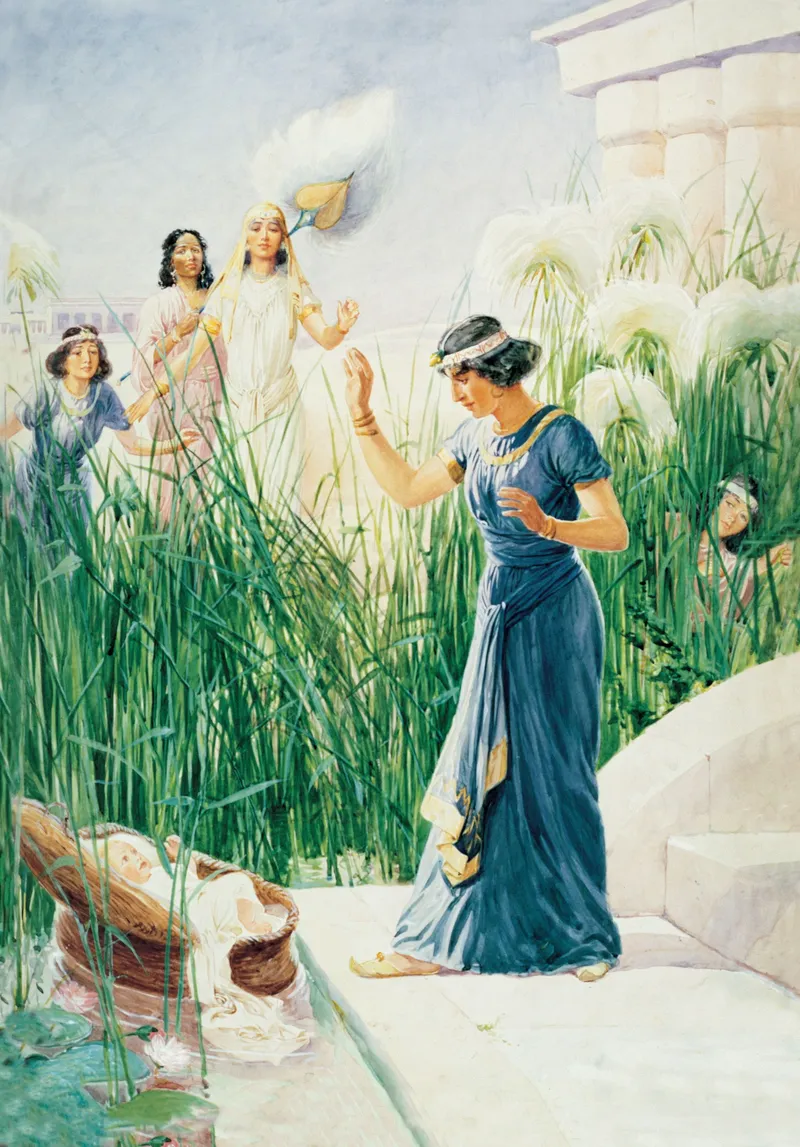
Joshua 11:1-5As the Sand Upon the Sea Shore
1And it came to pass, when Jabin king of Hazor had heard those things, that he sent to Jobab king of Madon, and to the king of Shimron, and to the king of Achshaph, 2And to the kings that were on the north of the mountains, and of the plains south of Chinneroth, and in the valley, and in the borders of Dor on the west, 3And to the Canaanite on the east and on the west, and to the Amorite, and the Hittite, and the Perizzite, and the Jebusite in the mountains, and to the Hivite under Hermon in the land of Mizpeh. 4And they went out, they and all their hosts with them, much people, even as the sand that is upon the sea shore in multitude, with horses and chariots very many. 5And when all these kings were met together, they came and pitched together at the waters of Merom, to fight against Israel.
The chapter opens with a name and a chain reaction: when Jabin king of Hazor had heard those things, that he sent… (v. 1). The things he heard are the southern victories of the chapters before - the long list of kings already fallen to Israel. Jabin does not wait his turn. He reaches out across the whole north, summoning king after king: Jobab of Madon, the kings of Shimron and Achshaph, and then a sweeping muster of the kings that were on the north of the mountains… and of the plains… and in the valley, and in the borders of Dor on the west (vv. 1-2).
The roll of peoples in verse 3 reaches in every direction - Canaanite on the east and the west, Amorite, Hittite, Perizzite, Jebusite, Hivite. This is an entire region organizing into one war. And it is led from Hazor, which the chapter will later call the head of all those kingdoms (v. 10). The strongest power in the north has decided the moment has come to make a stand, and it is pulling everyone it can into the fight.
Verses 4 and 5 let the size of the threat land with full force: they went out, they and all their hosts with them, much people, even as the sand that is upon the sea shore in multitude, with horses and chariots very many. Three things press the danger home. First, the sheer number - the host is likened to the sand… upon the sea shore, an image of a multitude past counting. Second, the horses and chariots very many: the chariot was the most fearsome weapon of the age, fast and armored, and Israel had none.
Third, the chosen ground - they came and pitched together at the waters of Merom, an open terrain where chariots could run and a massed army could deploy its full advantage. The Canaanite kings have stacked every factor in their favor: numbers, technology, and a battlefield made for both. By any reckoning a watching world would do, Israel is the side that loses here. The chapter is deliberately setting the stage at its most hopeless - precisely so that what happens next can be seen for what it is.1
Joshua 11:6-15Be Not Afraid · Hough the Horses, Burn the Chariots
6And the LORD said unto Joshua, Be not afraid because of them: for to morrow about this time will I deliver them up all slain before Israel: thou shalt hough their horses, and burn their chariots with fire. 7So Joshua came, and all the people of war with him, against them by the waters of Merom suddenly; and they fell upon them. 8And the LORD delivered them into the hand of Israel, who smote them, and chased them unto great Zidon, and unto Misrephothmaim, and unto the valley of Mizpeh eastward; and they smote them, until they left them none remaining. 9And Joshua did unto them as the LORD bade him: he houghed their horses, and burnt their chariots with fire.
The word that meets the great host is not a battle plan but a promise over fear: Be not afraid because of them: for to morrow about this time will I deliver them up all slain before Israel (v. 6). Notice what the LORD does and does not say. He does not minimize the army or hand Joshua a clever tactic. He fixes a time - to morrow about this time - and He names Himself as the one who will act: I will deliver them up. The outcome is settled before a sword is drawn, and it is settled by God.
Joshua's part is to believe it and move, and he does: So Joshua came, and all the people of war with him, against them by the waters of Merom suddenly; and they fell upon them (v. 7). He marches on the very ground the enemy chose for its advantage and strikes before they are ready. Then the verse that carries the theological weight: the LORD delivered them into the hand of Israel (v. 8).
The grammar is careful all the way through - Israel smites and chases, but the deliverance is the LORD's doing. The rout runs the length of the north, unto great Zidon, and unto Misrephothmaim, and unto the valley of Mizpeh eastward, until the host that looked like the sand of the sea is broken. The victory was promised; the victory was given.
Two short clauses in verse 9 carry more than they first appear to: And Joshua did unto them as the LORD bade him: he houghed their horses, and burnt their chariots with fire. To hough a horse is to sever its hamstrings, deliberately crippling it so it can never again be driven into battle; to burn the chariots is to destroy them past use. This is the methodical dismantling of the very weapons that had made the coalition so fearsome - and it is done as the LORD bade him. Israel had just watched the chariot-army of the north fall, and the obvious thing would be to keep the surviving horses and chariots, to fold that captured strength into their own forces and become formidable by it.
The LORD commands the opposite. The horses are crippled; the chariots burned. The deliverance God gave is not to become a new arsenal Israel can lean on. The point is restraint at the very moment of triumph: the strength that won the day was the LORD's, and Israel is not to convert His gift into a power they would trust in His place.
10And Joshua at that time turned back, and took Hazor, and smote the king thereof with the sword: for Hazor beforetime was the head of all those kingdoms. 11And they smote all the souls that were therein with the edge of the sword, utterly destroying them: there was not any left to breathe: and he burnt Hazor with fire. 12And all the cities of those kings, and all the kings of them, did Joshua take, and smote them with the edge of the sword, and he utterly destroyed them, as Moses the servant of the LORD commanded. 13But as for the cities that stood still in their strength, Israel burned none of them, save Hazor only; that did Joshua burn. 14And all the spoil of these cities, and the cattle, the children of Israel took for a prey unto themselves; but every man they smote with the edge of the sword, until they had destroyed them, neither left they any to breathe. 15As the LORD commanded Moses his servant, so did Moses command Joshua, and so did Joshua; he left nothing undone of all that the LORD commanded Moses.
With the open-field battle won, Joshua turns to the source of the whole coalition: Joshua at that time turned back, and took Hazor, and smote the king thereof with the sword: for Hazor beforetime was the head of all those kingdoms (v. 10). The reason is given in the same breath - Hazor was the head. It had convened the alliance and led it; to break the north decisively, its center had to fall. So the city that summoned the war is taken, its king struck down, and - alone among the northern cities - the city itself is burned: he burnt Hazor with fire (v. 11).
The text is careful to mark this as an exception. Verse 13 notes that the other cities that stood still in their strength, the ones on their mounds, Israel did not burn, save Hazor only; that did Joshua burn. The burning of Hazor is singled out twice - it answers directly to the LORD's command and fits Hazor's unique role as the head of the kingdoms. The campaign is thorough but not indiscriminate; even here the action is bounded, following what was commanded rather than running past it.
Verses 11 through 14 use language of totality - utterly destroying them, there was not any left to breathe, he utterly destroyed them - and these are among the hardest lines in the book to read. It is essential to take them for what the text itself says they are, and not to make them say more. This is presented as the LORD's specific, bounded judgment on a particular people at a particular moment in history, carried out as Moses the servant of the LORD commanded (v. 12) and as the LORD commanded Moses (v. 15).
It is reported as something done once, under direct command, against a named and resistant population - not offered as a pattern for how God's people are to treat their enemies in any other era or circumstance. The Scriptures elsewhere are emphatic that vengeance belongs to God and not to His people, and that the children of God are to love their enemies and overcome evil with good. The right posture before these verses is sober reverence: to let the conquest stand as the LORD's judgment and the giving of a long-promised land, to refuse to generalize the warfare into a model, and to keep the chapter's redemptive weight where the text places it - on the God who gives the victory, on the call away from trusting human might, and on the obedience of the one who carried out what he was given.
Joshua 11:16-23The Anakim Cut Off · The Land Rested from War
16So Joshua took all that land, the hills, and all the south country, and all the land of Goshen, and the valley, and the plain, and the mountain of Israel, and the valley of the same; 17Even from the mount Halak, that goeth up to Seir, even unto Baalgad in the valley of Lebanon under mount Hermon: and all their kings he took, and smote them, and slew them. 18Joshua made war a long time with all those kings. 19There was not a city that made peace with the children of Israel, save the Hivites the inhabitants of Gibeon: all other they took in battle. 20For it was of the LORD to harden their hearts, that they should come against Israel in battle, that he might destroy them utterly, and that they might have no favour, but that he might destroy them, as the LORD commanded Moses.
Verses 16 and 17 pull back to take in the whole sweep of what has happened. The narrow focus on Merom and Hazor widens to a survey of the entire land: Joshua took all that land, the hills, and all the south country, and all the land of Goshen, and the valley, and the plain, and the mountain of Israel (v. 16), and the boundaries are traced from end to end - from the mount Halak, that goeth up to Seir, even unto Baalgad in the valley of Lebanon under mount Hermon (v. 17).
South to north, hill country to valley, the land is named region by region as taken. And the kings, who in the earlier chapters were listed one fearsome name at a time, are now summed in a single sweeping clause: all their kings he took, and smote them, and slew them. What loomed as an unanswerable coalition has become a closed list. The God who promised to deliver the great host at Merom has, in the end, given the whole land into Israel's hand.
Two verses guard against a false impression that the conquest was quick or easy. Joshua made war a long time with all those kings (v. 18) - this was not a single dramatic season but a long, costly campaign. And there was not a city that made peace with the children of Israel, save the Hivites the inhabitants of Gibeon: all other they took in battle (v. 19). The mention of Gibeon points back to the one city that did seek peace, however it came about - a quiet reminder that the door was not simply shut.
Then comes one of the most weighed lines in the book: it was of the LORD to harden their hearts, that they should come against Israel in battle… that he might destroy them, as the LORD commanded Moses (v. 20). The verse should be read for exactly what it says and no more. It affirms the LORD's hand over the unfolding of these events - that their refusal to seek peace, their coming out to fight, and the judgment that followed were all within His ordering - and it ties that judgment to what was commanded Moses, the long-foretold reckoning with these particular nations.
The text states this plainly without building it into a system; it makes no claim about every human heart or every age, and it does not erase the cities' own resolve to make war. The right response is the one the chapter keeps inviting: reverence before a God whose judgments are just and whose purposes stand, and restraint about reading more into the line than the verse itself sets down.1
21And at that time came Joshua, and cut off the Anakims from the mountains, from Hebron, from Debir, from Anab, and from all the mountains of Judah, and from all the mountains of Israel: Joshua destroyed them utterly with their cities. 22There was none of the Anakims left in the land of the children of Israel: only in Gaza, in Gath, and in Ashdod, there remained. 23So Joshua took the whole land, according to all that the LORD said unto Moses; and Joshua gave it for an inheritance unto Israel according to their divisions by their tribes. And the land rested from war.
The summary names one more foe by name, and it is no accident which one: at that time came Joshua, and cut off the Anakims from the mountains, from Hebron, from Debir, from Anab… Joshua destroyed them utterly (v. 21). The Anakim were the giants - the very people whose size had broken the nerve of an earlier generation. When the spies first scouted this land, it was the Anakim that turned them back: there we saw the giants, the sons of Anak… and we were in our own sight as grasshoppers, and so we were in their sight (Num. 13:33).
For fear of them, a whole generation refused to go in, and wandered until it died in the wilderness. Now those same giants are cut off, because this generation went forward at the LORD's word where the last one had drawn back in fear. The contrast is quiet but pointed. The obstacle had not shrunk; the giants were as real and as tall as ever. What changed was that the people now trusted the God who had promised the land, and acted on it.
The thing that terrified one generation was overcome by the next - because faith, and not fear, was the ground they stood on.
The chapter closes on two words that carry the whole weight of the conquest home: inheritance and rest. So Joshua took the whole land, according to all that the LORD said unto Moses; and Joshua gave it for an inheritance unto Israel according to their divisions by their tribes (v. 23). The land is described as an inheritance - a gift handed down, the keeping of a promise the LORD had made to the fathers long before, something richer than wages earned by conquest.
According to all that the LORD said unto Moses: every part of it answers to a word already spoken. What Israel received in battle was, underneath, what had been theirs by promise all along. And then the final clause, the one the book has been moving toward from its first page: And the land rested from war. The fighting that filled chapter after chapter ceases. For the first time the land is still. It is the closing note of a long labor - a rest given when the work the LORD assigned was done, something freely received rather than seized by exhaustion.
The chapter that opened with a host like the sand of the sea ends in quiet.
Research trail
Sources & further study
These references support the historical, linguistic, manuscript, and contextual notes in this chapter. Scripture remains the primary text; external sources are provided so readers can inspect the research directly.
- Joshua 11 - Translators' NotesThe NET Bible's detailed footnotes on Joshua 11 - the geography of the northern coalition in verses 1-3, the sense of houghing the horses in verse 6, the difficult statement that the LORD hardened the kings' hearts in verse 20, and the summary formula of complete obedience in verse 15.
- Joshua 11 · Hebrew + classical Jewish commentaryThe Hebrew text of Joshua 11 with Rashi, Radak, and other classical commentators side by side - useful for the command al-tira (v. 6, “be not afraid”), for the verb behind “hough” (vv. 6, 9, the deliberate crippling of the war-horses), and for the closing phrase lo hesir davar (v. 15, “he left nothing undone”).
- Joshua 11 ↔ Psalm 20 · 1 Samuel 17 · Hebrews 4Traces the threads tying Joshua 11 to the rest of Scripture - the houghed horses and burned chariots (vv. 6, 9) read beside some trust in chariots… but we will remember the name of the LORD (Ps. 20:7), the given victory (v. 8) beside the battle is the LORD's (1 Sam. 17:47), and the land at rest (v. 23) beside the rest that still remaineth… to the people of God (Heb. 4:9).
Where this echoes in Scripture
As the Sand Upon the Sea Shore
- 1 Samuel 17:47the LORD saveth not with sword and spear: for the battle is the LORD's, and he will give you into our hands.The principle behind the whole chapter - the victory over impossible odds belongs to the LORD, not to human strength.
- 2 Chronicles 20:15Be not afraid nor dismayed by reason of this great multitude; for the battle is not yours, but God's.The same word against a great host that comes to Joshua at Merom (v. 6) - the multitude is not the measure.
- Deuteronomy 20:1When thou goest out to battle against thine enemies, and seest horses, and chariots... be not afraid of them: for the LORD thy God is with thee.The very situation of verses 4-6 anticipated in the law - horses and chariots met with “be not afraid.”
- Genesis 22:17in multiplying I will multiply thy seed... as the sand which is upon the sea shore.The image used for the enemy host in verse 4 is the one God used for the promise to Abraham - here turned against the people it once blessed.
- Romans 8:31If God be for us, who can be against us?The Gospel form of the chapter's confidence - no gathered host outweighs the God who stands with His people.
Be Not Afraid · Hough the Horses, Burn the Chariots
- Joshua 1:9Be strong and of a good courage; be not afraid, neither be thou dismayed: for the LORD thy God is with thee whithersoever thou goest.The same word against fear (v. 6) that opened the conquest - “be not afraid,” grounded in God's presence rather than in the odds.
- Psalm 20:7Some trust in chariots, and some in horses: but we will remember the name of the LORD our God.The heart of the houghed horses and burned chariots (vv. 6, 9) - the refusal to let the nations' weapons become Israel's trust.
- Isaiah 31:1Woe to them... that trust in chariots, because they are many... but they look not unto the Holy One of Israel.The warning behind the burning of the chariots in verse 9 - trusting the engines of war over the LORD.
- Deuteronomy 17:16he shall not multiply horses to himself... forasmuch as the LORD hath said unto you, Ye shall henceforth return no more that way.The law behind the command of verse 6 - Israel's king was not to stockpile the strength the nations relied on.
- John 17:4I have glorified thee on the earth: I have finished the work which thou gavest me to do.The full and complete obedience commended in verse 15 - finished to the end, nothing left undone.
The Anakim Cut Off · The Land Rested from War
- Numbers 13:33there we saw the giants, the sons of Anak... and we were in our own sight as grasshoppers, and so we were in their sight.The fear of the Anakim that turned back an earlier generation - the same giants cut off in verse 21.
- Hebrews 4:8-9For if Jesus had given them rest... There remaineth therefore a rest to the people of God.The rest of verse 23 read as a sign - real and good, yet pointing to a deeper rest still held out.
- Matthew 11:28-29Come unto me, all ye that labour and are heavy laden, and I will give you rest... and ye shall find rest unto your souls.The rest the land's rest (v. 23) anticipates - offered in person to all who come.
- Genesis 15:18In the same day the LORD made a covenant with Abram, saying, Unto thy seed have I given this land.The promise behind the inheritance of verse 23 - the land given was the land long promised.
- Joshua 21:45There failed not ought of any good thing which the LORD had spoken unto the house of Israel; all came to pass.The fulfillment summed in verse 23 - the whole land taken according to all the LORD said unto Moses.