Psalms 51
People in this chapter
Psalm 51 is the most famous prayer of repentance ever written, and it was born out of the worst chapter of David's life. The superscription tells us exactly when: when Nathan the prophet came unto him, after he had gone in to Bathsheba. David - the shepherd-king, the man after God's own heart - had committed adultery with Bathsheba and then arranged the battlefield death of her husband Uriah to hide it.
For the better part of a year he lived with the secret, and Scripture says nothing of his praying. Then God sent Nathan with a parable about a rich man who slaughtered a poor man's one beloved lamb, and when David's anger blazed against the villain, Nathan turned the whole story on him: Thou art the man. Everything David had buried came to the surface, and this psalm is the cry that followed.
Tap any highlighted phrase to jump to the commentary that unpacks it.
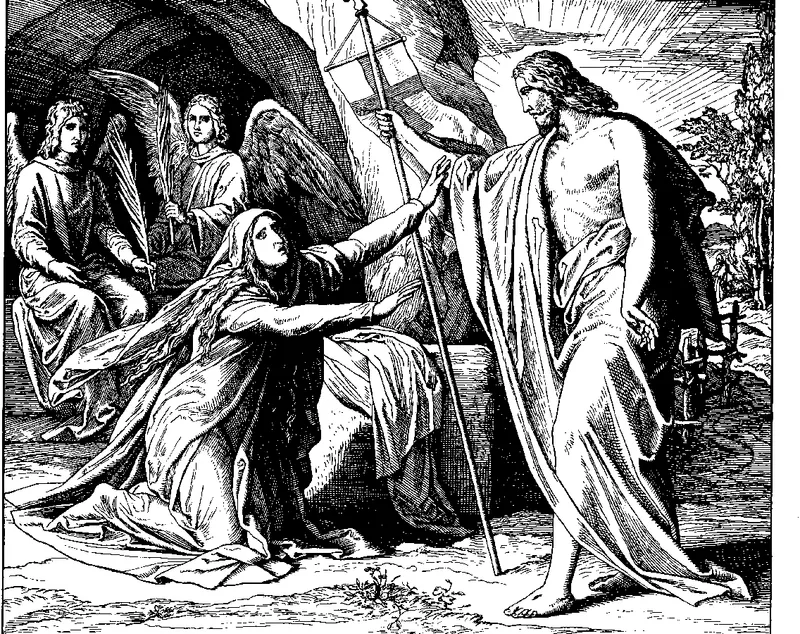
Psalm 51:1-6 · To the chief Musician, A Psalm of David, when Nathan the prophet came unto him, after he had gone in to BathshebaBlot Out My Transgressions
1Have mercy upon me, O God, according to thy lovingkindness: according unto the multitude of thy tender mercies blot out my transgressions. 2Wash me throughly from mine iniquity, and cleanse me from my sin. 3For I acknowledge my transgressions: and my sin is ever before me. 4Against thee, thee only, have I sinned, and done this evil in thy sight: that thou mightest be justified when thou speakest, and be clear when thou judgest. 5Behold, I was shapen in iniquity; and in sin did my mother conceive me. 6Behold, thou desirest truth in the inward parts: and in the hidden part thou shalt make me to know wisdom.
Mark where David begins, because everything in the psalm hangs on it. He does not begin with himself - not with a defence or a plea of his own merits - but with God: Have mercy upon me, O God, according to thy lovingkindness: according unto the multitude of thy tender mercies.
Twice in the first verse he names the ground of his appeal, and both times it is something in God, never anything in himself. Lovingkindness renders the great Hebrew word chesed - God's steadfast, covenant-keeping love, the love that does not let go even when it has every reason to. And the multitude of thy tender mercies - mercy upon mercy, more than can be counted.
This is the only place a guilty man can stand. David has no righteousness to bring; he knows it, and he does not pretend otherwise. He throws the whole weight of his hope onto the character of God, and that is exactly where it belongs. Notice, too, that he does not ask God to overlook the sin or call it something smaller than it is. He asks God to blot it out - to deal with it fully, to erase the record - on the strength of a mercy large enough to do it.1
In verses 3 and 4 David has owned the deed without flinching - I acknowledge my transgressions: and my sin is ever before me. Against thee, thee only, have I sinned. Now, in verse 5, he traces the trouble even deeper than the deed: Behold, I was shapen in iniquity; and in sin did my mother conceive me.
It is important to hear what David is and is not doing here. He is not making an excuse - he is not saying I could not help it, I was born this way, so the fault is not really mine. The whole psalm runs in the opposite direction; he has just said I acknowledge my transgressions. Nor is he casting any shadow on his mother. What David is doing is letting his confession reach as far down as the problem goes.
He has discovered that the sin which broke out in the affair with Bathsheba was not an isolated lapse in an otherwise clean life; it came from something that has been part of him as far back as he can see, woven into him from his very beginning. The disease is older and deeper than the symptom.
And this is precisely why the prayer of verse 10 has to be what it is. If the problem were only on the surface, a good scrubbing might fix it. But a fault that reaches all the way down to the foundations of a person cannot be reformed or patched; it has to be answered by a new creation. David names how deep the ruin goes so that we will understand why nothing less than God's creating power will do.
Verse 6 turns from the depth of the problem to the depth of what God wants: Behold, thou desirest truth in the inward parts: and in the hidden part thou shalt make me to know wisdom. The two Beholds of verses 5 and 6 are meant to be read together. In the inward parts and the hidden part - the same secret depths where David found his sin rooted - God desires truth.
This is the heart of why David's repentance goes so far below the surface. God is not chiefly after a tidy outward record or a correct public performance; He is after honesty and wholeness in the place no one else can see. It would have been possible for David to manage the scandal - to offer the right sacrifices, keep up appearances, and never let the rot in the hidden part be touched. But God desireth truth in the inward parts. He wants the secret self brought into the light and made true.
And the verse holds a quiet hope alongside its demand: in the hidden part thou shalt make me to know wisdom. The very place where sin had its roots is the place God means to fill with wisdom. He does not only expose the hidden part; He intends to remake it. The God who searches the inward parts is the God who can renew them.

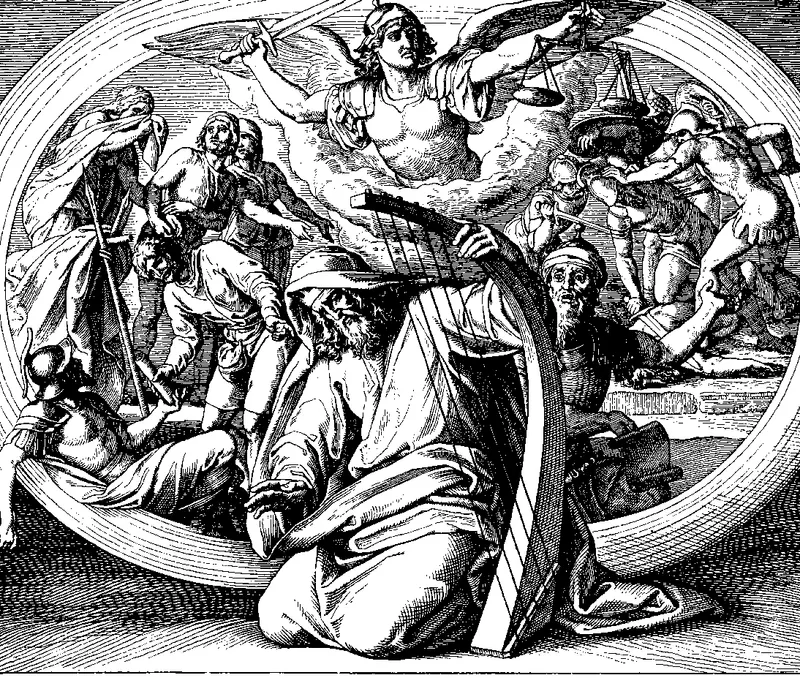
Psalm 51:7-12Create in Me a Clean Heart
7Purge me with hyssop, and I shall be clean: wash me, and I shall be whiter than snow. 8Make me to hear joy and gladness; that the bones which thou hast broken may rejoice. 9Hide thy face from my sins, and blot out all mine iniquities. 10Create in me a clean heart, O God; and renew a right spirit within me. 11Cast me not away from thy presence; and take not thy holy spirit from me. 12Restore unto me the joy of thy salvation; and uphold me with thy free spirit.
The promise inside David's prayer is almost too large to believe: wash me, and I shall be whiter than snow. Not merely clean - not merely better than before - but whiter than snow, which is to say whiter than anything in nature, with no shadow of the old stain left.
This is what makes the mercy of God so different from human forgiveness at its best. People may forgive and still remember; they may pardon and yet keep the mark of the offence somewhere in the back of the mind. But when God washes, the result is not a faded stain; it is snow.
The same staggering reversal is what God Himself offers through Isaiah: Come now, and let us reason together, saith the LORD: though your sins be as scarlet, they shall be as white as snow; though they be red like crimson, they shall be as wool (Isa. 1:18). Scarlet was a fast dye, the kind that did not wash out - and that is exactly the point. The stain that human effort cannot lift, God removes utterly.
David, who has just confessed that his sin runs all the way to the roots of him, dares to believe that God's washing can reach all the way down too, and leave him white. That is not wishful thinking; it is faith taking God at the size of His mercy.
Tucked between the cleansing of verse 7 and the new heart of verse 10 is one of the most tender lines in the psalm: Make me to hear joy and gladness; that the bones which thou hast broken may rejoice (v. 8). David does not pretend that his encounter with God's discipline has been gentle. He speaks of bones… broken - an image of being crushed, brought low, fractured in the deep structure of himself by the weight of his guilt and God's rebuke through Nathan.
He does not resent the breaking or ask that it had never happened. What he asks is astonishing: that the very bones God has broken would one day rejoice. He is asking for the kind of healing in which the broken place itself becomes a source of gladness - not a wound merely bandaged over, but a fracture that mends and, in mending, learns to sing.
There is deep wisdom here for anyone whom sorrow over sin has laid low. The goal of godly grief is not to leave us permanently crushed; it is to break what needs breaking so that it can be set right and made glad. The God who wounds in order to heal (Job 5:18) means for the bones He has broken to rejoice. David asks Him to finish the work He began.
David's next plea carries a particular dread: Cast me not away from thy presence; and take not thy holy spirit from me (v. 11). To feel the weight of it, remember the man David had watched. His predecessor Saul had sinned and clung to his throne, and the record says the Spirit of the LORD departed from Saul (1 Sam. 16:14). David had served in that haunted court; he had seen up close what a man looks like when God's presence has withdrawn and only the office is left.
So David's fear is not chiefly of punishment or of losing his crown; it is the fear of losing God - of being cast out from the presence that is the whole point of his life. This is the mark of a heart that, for all its failure, is still oriented toward God. A merely worldly man, caught as David was caught, would fear exposure and consequences. David fears distance from God most of all.
And the plea tells us something about what repentance is reaching for. It is not only the cancelling of guilt but the keeping of communion - do not send me away from your face. The nearness of God is the treasure David cannot bear to lose, and he begs to keep it.1
Notice carefully what David asks for in verse 12: Restore unto me the joy of thy salvation; and uphold me with thy free spirit. He does not pray, give me back my salvation, as though it had been revoked. He prays, restore unto me the joy of it. Sin had not undone God's saving hold on David, but it had stolen the gladness of it - the lightness, the song, the sense of being safe and loved.
This is one of sin's quietest and cruelest effects: it does not always announce itself with disaster; often it simply drains the joy out of everything, leaving a believer going through the motions with a heavy heart. David knows the difference between being saved and feeling the joy of being saved, and he is honest enough to admit the joy has gone.
So he asks for it back - and asks, too, to be upheld with a free spirit, a willing and generous spirit that obeys God gladly rather than grudgingly. The goal of his repentance is not a grim, joyless caution for the rest of his days. It is restored gladness in God and a freed, willing heart. Repentance that ends in joy is repentance that has reached its destination.
Psalm 51:13-19The Sacrifices of God Are a Broken Spirit
13Then will I teach transgressors thy ways; and sinners shall be converted unto thee. 14Deliver me from bloodguiltiness, O God, thou God of my salvation: and my tongue shall sing aloud of thy righteousness. 15O Lord, open thou my lips; and my mouth shall shew forth thy praise. 16For thou desirest not sacrifice; else would I give it: thou delightest not in burnt offering. 17The sacrifices of God are a broken spirit: a broken and a contrite heart, O God, thou wilt not despise. 18Do good in thy good pleasure unto Zion: build thou the walls of Jerusalem. 19Then shalt thou be pleased with the sacrifices of righteousness, with burnt offering and whole burnt offering: then shall they offer bullocks upon thine altar.
Watch what David intends to do with his forgiveness once he has it: Then will I teach transgressors thy ways; and sinners shall be converted unto thee (v. 13). The little word then looks back over everything he has asked - the cleansing, the clean heart, the restored joy - and forward to what he will do once it is granted.
And his vow is striking. He does not promise to retire quietly into the shadows, hoping people will forget what he did. He promises to teach transgressors - to take the very ruin he has lived through and turn it into a road back for others like him.
This is one of the most hopeful notes in the whole psalm. David assumes that a man restored from a great fall is not disqualified from usefulness but uniquely fitted for a particular kind of it: he can speak to transgressors as one of them, with no pretense of having always been clean. The sins we have genuinely repented of, and the mercy we have genuinely received, become the testimony by which others are converted unto thee. God wastes nothing - not even our worst failures - when they are brought to Him in honest repentance.
The grace that reaches us is meant to flow on through us to other sinners who need the same way home.
Verse 14 names the specific weight on David's conscience without disguise: Deliver me from bloodguiltiness, O God, thou God of my salvation. This is not a vague sense of having fallen short. David had Uriah killed - he had used the sword of the enemy to do murder and keep his own hands technically clean - and he knows it. Bloodguiltiness is the guilt of shed blood, and David, the king charged above all others to do justice, carries the blood of a loyal man.
That he names it so directly is part of the psalm's honesty; true repentance does not hide behind general words but owns the actual deed.
And yet, in the same breath, David calls God thou God of my salvation. Hold those two together: the man confessing bloodguilt still dares to call God his Savior. This is not presumption; it is faith. He does not let the size of his guilt argue him out of God's mercy.
And then comes the promised result - and my tongue shall sing aloud of thy righteousness. The man delivered from such guilt will not whisper his gratitude; he will sing aloud, and the song will be about God's righteousness, not his own. The deeper the pit a person has been lifted from, the louder the praise that ought to follow.1
There is a quiet humility in verse 15 that is easy to pass over: O Lord, open thou my lips; and my mouth shall shew forth thy praise. David does not assume he can simply launch into praise on his own. Sin has shut his mouth - guilt has a way of silencing song, of making worship feel hollow or false while the conscience is unclean - and so he asks God even for this: open thou my lips. He knows that the praise God wants is not a performance he can summon by effort, but a response that God Himself must unlock in a forgiven heart.
It is a small picture of the whole psalm. From the first verse to the last, David asks God to do what David cannot do for himself: blot out, wash, create, restore, and now even open his lips to praise. The cleansed sinner does not stride back into worship on his own strength; he is brought back, and his very praise is a gift.
And there is a lovely order here. First the heart is made clean; then the mouth is opened; then the praise flows. Worship that pleases God rises out of a forgiven and renewed heart - which is exactly what the next verses go on to say.
The psalm ends on a turn that can puzzle a first-time reader. Having just said God desirest not sacrifice (v. 16), David closes by asking God to do good to Zion and build the walls of Jerusalem, then shalt thou be pleased with the sacrifices of righteousness, with burnt offering and whole burnt offering: then shall they offer bullocks upon thine altar (vv. 18-19).
Is this a contradiction - first dismissing sacrifice, then welcoming it back? It is not. David is showing where sacrifice belongs. The problem was never the altar; the problem is an altar approached with an unbroken heart. Burnt offerings brought to cover a hard, unrepentant life are worthless to God - that is verse 16. But the very same offerings, brought by a people whose hearts are right with God, become sacrifices of righteousness in which He delights - that is verse 19.
The little word that makes the difference is then. First the broken and contrite heart (v. 17); then the offerings please God.
David has also lifted his eyes here from his own private guilt to the whole people of God - do good… unto Zion - because one man's restored heart is meant to overflow into the health of the whole community of worship. The psalm that began with one man alone in his sin ends with all Zion gathered rightly around the altar. Personal repentance, it turns out, has a public horizon: a clean heart restored is good news for everyone who worships alongside it.
Research trail
Sources & further study
These references support the historical, linguistic, manuscript, and contextual notes in this chapter. Scripture remains the primary text; external sources are provided so readers can inspect the research directly.
- Psalm 51 - Translators' NotesThe NET Bible's detailed footnotes on Psalm 51 - the force of the three cleansing verbs (blot out, wash, purge), the meaning of bloodguiltiness in verse 14, the sense in which God does and does not desire sacrifice (vv. 16-19), and the historical setting in David's sin and Nathan's rebuke.
- Psalm 51 · Hebrew + classical Jewish commentaryThe Hebrew text of Psalm 51 with Rashi, Ibn Ezra, and other classical commentators side by side - useful for machah (vv. 1, 9, “blot out, wipe away”), for kabas (vv. 2, 7, “wash thoroughly, launder”), and for bara' (v. 10, “create” - the verb of Genesis 1, used only of God's own work).
- Psalm 51 ↔ Romans 3 · John 19 · Matthew 9Traces the verbal threads tying Psalm 51's that thou mightest be justified when thou speakest (v. 4) to Paul's quotation in Romans 3:4, its purge me with hyssop (v. 7) to the hyssop of Passover and the cross, and its broken and… contrite heart (v. 17) to Jesus' I will have mercy, and not sacrifice.
Where this echoes in Scripture
Blot Out My Transgressions
- 2 Samuel 12:13And David said unto Nathan, I have sinned against the LORD. And Nathan said unto David, The LORD also hath put away thy sin.The moment behind the psalm - Nathan's “Thou art the man,” David's confession, and the word of pardon.
- Romans 3:4Let God be true, but every man a liar; as it is written, That thou mightest be justified in thy sayings.Paul quotes verse 4 - God is shown just in His every judgment of sin.
- Luke 18:13God be merciful to me a sinner.The tax collector's prayer - the same empty-handed appeal to mercy that David makes in verse 1.
- Isaiah 43:25I, even I, am he that blotteth out thy transgressions for mine own sake, and will not remember thy sins.God's own promise to do exactly what David asks - to blot out (machah) the record of sin.
Create in Me a Clean Heart
- Ezekiel 36:25-27A new heart also will I give you, and a new spirit will I put within you... and I will put my spirit within you.God's promise to do what David asks in verse 10 - to create a clean heart and renew the spirit within.
- 2 Corinthians 5:17If any man be in Christ, he is a new creature: old things are passed away; behold, all things are become new.The clean heart of verse 10 made reality in Christ - the new creation God alone can bara'.
- John 19:28-29They filled a spunge with vinegar, and put it upon hyssop, and put it to his mouth.The hyssop of verse 7 reappears at the cross - the plant of cleansing lifted to the lips of the Lamb.
- Isaiah 1:18Though your sins be as scarlet, they shall be as white as snow; though they be red like crimson, they shall be as wool.The “whiter than snow” of verse 7 - the stain no effort can lift, removed utterly by God.
The Sacrifices of God Are a Broken Spirit
- Matthew 9:13Go ye and learn what that meaneth, I will have mercy, and not sacrifice: for I am not come to call the righteous, but sinners to repentance.Jesus echoes verses 16-17 - God desires the heart, not the ritual; and He comes for exactly the broken sinner David was.
- Hosea 6:6For I desired mercy, and not sacrifice; and the knowledge of God more than burnt offerings.The prophetic root of verses 16-17, the verse Jesus twice sent His hearers back to learn.
- Psalm 34:18The LORD is nigh unto them that are of a broken heart; and saveth such as be of a contrite spirit.The promise behind verse 17 - God draws near to, rather than despises, the broken and contrite.
- Luke 15:7Joy shall be in heaven over one sinner that repenteth, more than over ninety and nine just persons.The vow of verse 13 set in heaven's key - the rejoicing when transgressors are converted unto God.