- Starting price
- ~$20 hardcover
- Free tier
- No
- Platforms
- Hardcover · Paperback · Kindle
- Developer
- David C. Cook
- Launched
- 1978
- Updated
- May 31, 2026
The verdict
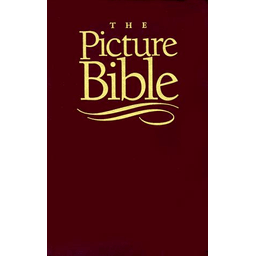
The Picture Bible is the comic Bible a lot of today's parents grew up on, and it still does its one job well: it turns the biblical story into 233 readable comic-strip episodes a child will actually finish. The 1970s art looks its age now - the modern Action Bible, from the same publisher, is the flashier choice for a new buyer - but for nostalgia, for a gentler intensity, and for a value-priced classic, the original still earns its shelf space.
Try The Picture Bible ↗Opens davidccook.org
The Picture Bible has quietly stayed in print for the better part of half a century, which almost nothing in children's publishing manages. Parents who first read it as kids in the 1980s now buy it for their own children. Church libraries still stock the worn red copies. It is the book a grandparent reaches for half on instinct, because it is the one they remember. That longevity is the whole story here - long before the graphic-novel era, The Picture Bible proved that a child who will not sit with a plain Bible will happily read the same stories in comic panels.
The book is the work of writer Iva Hoth and illustrator Andre Le Blanc, with roots in an earlier serialized 'Bible Story' comic that ran for years before David C. Cook gathered and expanded it into the single hardcover volume most people know, published in 1978. Le Blanc was a working comic-strip and comic-book artist, and the pages read like the newspaper comics and adventure strips of their day - panel after panel of action, speech balloons, and narration boxes carrying the story forward. It is, quite literally, the original illustrated comic Bible, and the direct predecessor that David C. Cook later modernized into The Action Bible.
What you actually get is a single volume of 233 stories told in classic comic-strip form, running from Creation through the early church. It does not reprint the biblical text. It does not read like a Bible. It does not try to be a study tool. It is a retelling in pictures - the story dramatized panel by panel so a child can follow it the way they once followed the funny pages - and on that specific job it has sold millions of copies across its decades in print, which is exactly why it still turns up on so many shelves.
✓ The good
- A proven classic - decades in print and millions of copies sold, with a track record of pulling reluctant readers into the biblical story that few children's Bibles can match
- Comic-strip format that kids finish - short, fast-moving panels in the language of newspaper strips and adventure comics keep a young reader turning pages on their own
- Gentler intensity than newer comic Bibles - the vintage art renders battles, the crucifixion, and judgment with restraint, which suits younger or more sensitive readers well
- 233 stories in one chronological-feeling sweep - a child reads from Creation to the early church as a continuous adventure rather than scattered, disconnected tales
- Strong value and easy to find - widely available new and used, often at a lower price than the glossier modern alternatives, so it is a low-risk first Bible for a family
- Nostalgia that carries weight - for the many parents and grandparents who grew up on it, sharing the exact book they remember is part of the appeal and a real reason to buy
- Durable single-volume hardcover - built to survive backpacks, re-reads, and being passed down, which matters for the age and the price it targets
✗ Watch out
- It is a retelling, not the biblical text - the words are paraphrased and condensed for the comic format, so it is a companion to a Bible, not a replacement for one
- The 1970s art shows its age - clothing, faces, and panel styling read as vintage next to The Action Bible's modern graphic-novel look, which is the main reason new buyers often pick the newer book
- Comic art means every scene is depicted - faces, figures, and dramatic moments are drawn and interpreted, which some families and traditions prefer not to have rendered visually for sacred figures
- Uses the Protestant 66-book canon - readers from traditions with a larger canon (for example Catholic or Orthodox) will not find the deuterocanonical/apocryphal books here
- Selective coverage - 233 stories is a lot, but the poetry, law, and much of the wisdom and prophetic literature get little or no room in a story-driven format
- Not a study or reference tool - there are no cross-references, study notes, maps, or original-language helps in the volume
Best for
- Parents and grandparents who grew up on it and want to share the same book
- Younger or more sensitive readers who do best with a gentler comic style
- Reluctant or visual readers who bounce off a plain-text Bible
- Value-minded gift-givers wanting a durable, proven first Bible
Avoid if
- You want the actual biblical text rather than a paraphrased retelling
- You want the newest, most cinematic art rather than a vintage 1970s style
- You prefer sacred figures not be illustrated or dramatized
- You need a canon beyond the Protestant 66 books or built-in study tools
What The Picture Bible is
The Picture Bible is a comic-strip retelling of Scripture, written by Iva Hoth and illustrated by Andre Le Blanc, published in its familiar single-volume form by David C. Cook in 1978. It gathers 233 stories - Creation, the patriarchs, the Exodus, the kings and prophets, the life of Jesus, and the early church - told in classic comic-panel style with speech balloons and narration boxes. It grew out of an earlier serialized 'Bible Story' comic, and the volume reads as one flowing adventure rather than a book-by-book arrangement of the text.
It is a retelling, not a translation: the dialogue and narration are paraphrased and compressed to fit the panels, so it works as a companion to a Bible rather than a substitute for the text itself. The framing is broadly evangelical and non-denominational, drawn from the Protestant 66-book canon, with the emphasis squarely on narrative and adventure. Because it is comic art, every scene - including the face of Jesus and other sacred figures - is depicted and interpreted, which is standard for the illustrated-Bible category and worth knowing going in. The art dates from the 1970s and reads as vintage today, where its modern successor, The Action Bible, uses a contemporary graphic-novel style.
Why families still reach for The Picture Bible
Most children's Bibles are built around either soft, gentle storybook illustration or simple early-reader text. The Picture Bible was built, decades before the term 'graphic novel' was common, around the premise that a child who already reads the comics page will read the same stories in comic panels. Le Blanc's strips move the way newspaper adventure comics moved - short panels, speech balloons, a cliffhanger pulling you to the next page - and that format pulled in reluctant readers a generation before The Action Bible did the same thing with flashier art.
That heritage is why families still reach for it. For the many parents and grandparents who first met the biblical story in these exact pages, handing a child the same red hardcover carries a weight no newer book has yet earned. The vintage art also reads gentler than the cinematic intensity of modern comic Bibles, which makes it a comfortable fit for younger or more sensitive readers. It is not the newest option, and it does not try to be - it is the proven, lower-key, value-priced original, and for a lot of households that is exactly the point.
The comic-strip format: the original illustrated comic Bible
The single biggest practical difference between The Picture Bible and a conventional children's Bible is that it tells the story in sequential comic panels rather than in blocks of text or full-page illustrations. Iva Hoth's script breaks each narrative into short, scene-by-scene beats; Andre Le Blanc - a working comic-strip and comic-book artist - drew them in the visual grammar of mid-century adventure strips, with speech balloons, narration boxes, and a steady forward momentum from panel to panel. This was, quite literally, the first widely successful comic Bible, and the format that David C. Cook would later modernize as The Action Bible.
This sounds like a small thing. In practice it is the whole reason the book worked for so long. A child who has internalized how comics read moves through these pages fluently - the balloons, the cuts between panels, the captions bridging time all signal meaning without effort. The strips keep the pace brisk, and the cliffhanger rhythm of the form (what happens on the next page?) is what carries a reluctant reader from one story into the next. The art is dated by today's standards, but the underlying mechanism - story told as a comic a child will actually finish - is exactly what made The Picture Bible a classic and what the entire category has built on since.
233 stories: the sweep of Scripture as one adventure
The Picture Bible threads 233 stories into a single flowing volume, moving from Creation and the patriarchs through the Exodus, the rise and fall of the kings, the prophets, the life and death and resurrection of Jesus, and the spread of the early church. Narration boxes bridge the gaps between scenes, so a child reads the whole thing as one continuous adventure rather than a set of disconnected episodes. It is a generous count of stories for a single book, and the selection leans hard toward the dramatic, event-driven parts of the biblical narrative.
For a young reader, this continuity does quiet, important work. Many children absorb individual Bible stories - Noah, David and Goliath, the manger - as standalone tales without ever sensing how they connect. Laying 233 of them end to end as one arc helps a child grasp that the Bible tells a single sweeping story moving toward a climax. The trade-off, worth naming, is that a story-first design leaves little room for the non-narrative parts of Scripture - much of the poetry, law, wisdom, and prophecy gets little or no space - so a child who reads only this comes away with the Bible's stories far more than its psalms, proverbs, or prophetic oracles.
The classic that the modern shelf was built on
The Picture Bible's place in the category is unusual: it is not just one option among many, it is the ancestor of the modern comic Bible. Its long success - millions of copies across decades in print - is what proved the format viable and set up its direct successor, The Action Bible (David C. Cook, 2010), which rebuilt the same idea with contemporary graphic-novel art by a mainstream comics veteran. Reading the two side by side is the clearest way to see how the genre evolved: the same publisher, the same core premise, the same job, separated by a generation of changing visual taste.
This lineage is also the most useful thing to know when deciding between them. The Action Bible is the flashier, more cinematic book and the one most new buyers gravitate to for a child raised on superhero films. The Picture Bible is the gentler, more vintage original - lower in intensity, often lower in price, and carrying real nostalgic pull for the parents and grandparents who grew up on it. Neither is the actual biblical text; both are retellings that illustrate every scene. As a first rung on the ladder toward a full Bible, the original still does its job, and for many families the choice comes down to nostalgia and intensity as much as art.
Pricing
Hardcover
~$20
The classic single-volume edition. The copy most families own and the usual gift pick.
Paperback
~$15
A lower-cost softcover of the same retelling. Lighter and cheaper; less durable for hard daily use.
Kindle / e-book
~$10-15
The same stories on a tablet. The art is the point, so a color screen reads far better than grayscale e-ink.
Used copies
~$3-10
Decades in print mean used hardcovers turn up constantly at thrift stores, library sales, and resale sites.
The Picture Bible is not free, and it is priced like a sturdy children's hardcover rather than a premium graphic novel. The standard hardcover runs around $20 as of writing - call it the everyday default - and that is the copy most families own and most gift-givers buy. Because the book has been in print and selling for decades, new copies are easy to find and often discounted below list.
A paperback edition runs cheaper, around $15, and carries the same retelling in a lighter, less durable binding - a reasonable pick if budget matters more than longevity, though for the age it targets the hardcover tends to last better. The Kindle or e-book edition usually lands around $10-15; the art is the whole point, so a color screen is strongly preferable to grayscale e-ink.
The real value play is the used market. After decades in print, used hardcovers turn up constantly at thrift stores, library sales, and resale sites, frequently for just a few dollars - which is how a lot of families acquire their copy in the first place. Condition varies, but the book is built to survive re-reading, so a well-loved used copy is usually fine.
For most buyers the decision is simple. The hardcover is the balanced pick - the most durable version of a book meant to be re-read and passed down - and the used market makes it an easy, low-cost way to try a comic Bible without committing to a pricier new release. Most families do not need anything beyond the single volume.
Limitations and considerations
Not the biblical text. The Picture Bible is a paraphrased, condensed retelling shaped to fit comic strips, not a translation. That is the right call for what it is trying to do, but it means the book is a companion to a Bible, not a replacement - families wanting their child reading the actual words will need a real translation alongside it.
Dated art. The illustrations are pure 1970s comic strip, and they read as vintage next to The Action Bible's modern graphic-novel style. For some buyers that is part of the charm; for others, especially those buying for a child steeped in contemporary animation and superhero films, it is the single biggest reason to choose the newer book instead. It is the most common knock on the original, and worth weighing before you buy.
Everything is illustrated. Because it is comic art, every scene is drawn and interpreted - including the faces of Jesus and other sacred figures. This is standard for the illustrated-Bible category and unremarkable to most buyers, but some families and some traditions specifically prefer that sacred figures not be depicted visually, and for them this is a genuine consideration rather than a feature.
Selective coverage. A story-first design naturally favors narrative, so the patriarchs, the Exodus, the kings, and the Gospels get the room while large stretches of poetry, law, wisdom, and prophecy get little or none. The 233 stories are well chosen, but a child who reads only this will come away with the Bible's stories far more than its psalms, proverbs, or prophetic oracles.
Not a reference tool. There are no cross-references, study notes, maps, or original-language helps. That is by design - it is a reading experience, not a study Bible - but anyone wanting those tools should look to a dedicated study Bible rather than expecting them here.
The Picture Bible vs. The Action Bible vs. The Jesus Storybook Bible
These three come up constantly when people ask for a children's Bible, and they do genuinely different jobs. The Picture Bible (Hoth and Le Blanc, 1978) is the original comic-strip Bible - vintage panel art, 233 stories, gentler in intensity, and carrying decades of nostalgia from the parents who grew up on it. The Action Bible (Sergio Cariello, 2010) is its modern successor from the same publisher - high-energy graphic-novel art, chronological, more cinematic, and aimed squarely at reluctant and visual readers around 9-12. The Jesus Storybook Bible (Sally Lloyd-Jones, 2007) is a different animal entirely - a narrated storybook for younger children that frames every story as pointing toward Jesus, with warm illustrations rather than comic panels.
Different strengths. The Action Bible is the flashiest and most cinematic, the natural pick for a child raised on superhero films. The Picture Bible is gentler and lower-key, a good fit if that modern intensity is too much, if budget matters, or if the nostalgia of sharing the exact book you grew up on is part of the point. The Jesus Storybook Bible is the best for reading aloud to little ones and for a single unifying theme, but it is a storybook, not a comic, and covers fewer stories. If your reader loves modern comics and superheroes, The Action Bible. If you want the gentler original or grew up on it yourself, The Picture Bible. If you are reading to a preschooler at bedtime, The Jesus Storybook Bible.
All three are retellings rather than the biblical text, all three use the Protestant 66-book canon, and all three illustrate their scenes. They are widely used across Protestant homes and churches, and many families own more than one - a storybook Bible for the youngest, a comic Bible for the grade-schooler, and a full translation as the child grows.
The bottom line
The Picture Bible is the comic Bible that started the category and still earns a place on the shelf decades later. It turns Scripture into 233 readable comic-strip stories a child will actually finish, in a gentler, more vintage style than its modern successor, and it carries real nostalgic weight for the parents and grandparents who first met these stories in its pages. The art shows its age, and like any comic Bible it is a retelling that draws every scene - both worth knowing going in. But as a proven, value-priced doorway into the biblical narrative, and as the original that The Action Bible later modernized, the classic still does its job well.
Alternatives to The Picture Bible
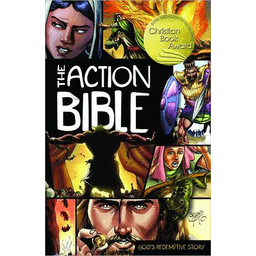 The Action BibleThe Picture Bible's modern successor from the same publisher - high-energy graphic-novel art by a mainstream comics veteran, the flashier pick for new buyers.
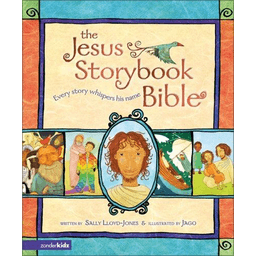 The Jesus Storybook BibleA read-aloud storybook for little ones that frames every story as pointing to Jesus - warm illustrations rather than comic panels.
 The Beginner's BibleThe classic simple-text, brightly illustrated Bible for the youngest readers and preschool story time.
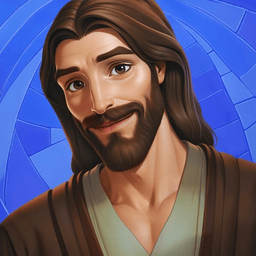 SuperbookThe animated kids-Bible app and series - the screen-based counterpart to a comic Bible, with games and videos.
Frequently asked questions
Is The Picture Bible the actual Bible text?
No. The Picture Bible is a retelling in comic-strip form - the dialogue and narration are paraphrased and condensed to fit the panels. It is best used as a companion that draws a child into the story, alongside an actual translation. The framing is broadly evangelical and non-denominational, drawn from the Protestant 66-book canon.
What age is The Picture Bible for?
It works well for roughly ages 6-12, and its gentler vintage art makes it a comfortable fit for younger or more sensitive readers as well as reluctant ones. Younger children enjoy it read aloud, and grade-schoolers read it on their own. Because it is a comic, every scene is illustrated, including the dramatic ones, so parents of very young children may want to preview certain stories.
How is The Picture Bible different from The Action Bible?
They share a publisher (David C. Cook) and the same core idea - the Bible told as a comic - but a generation apart. The Picture Bible (1978) is the original, with vintage comic-strip art and 233 stories told at a gentler intensity. The Action Bible (2010) is the modern successor, with high-energy graphic-novel art by a mainstream comics veteran. New buyers often prefer the newer art; others choose the original for its gentler style, lower price, or nostalgia.
Who created The Picture Bible?
The text is by writer Iva Hoth and the illustrations are by Andre Le Blanc, a working comic-strip and comic-book artist. It grew out of an earlier serialized "Bible Story" comic and was gathered into the familiar single-volume hardcover published by David C. Cook in 1978. It is widely regarded as the original illustrated comic Bible.
Which Bible canon does it follow?
The Picture Bible retelling is drawn from the Protestant 66-book canon and is broadly evangelical and non-denominational in framing. It does not include the deuterocanonical or apocryphal books found in some traditions, so readers who want a larger canon will need a separate resource.
Is The Picture Bible still in print?
Yes. It has been continuously available for decades and remains easy to find new in hardcover and paperback. Because it has sold in such large numbers over the years, used copies are also widely available - often for just a few dollars - at thrift stores, library sales, and resale sites.
Should I get The Picture Bible or The Jesus Storybook Bible?
They serve different ages and purposes. The Jesus Storybook Bible is a narrated storybook ideal for reading aloud to younger children, framing every story around Jesus. The Picture Bible is a comic-strip retelling that draws reluctant and visual readers (roughly 6-12) through the story panel by panel. Many families own both - a storybook for the youngest and a comic Bible for the grade-schooler.
Sources & further reading
More Children's Bibles & Kids Books
The Jesus Storybook BibleThe children's storybook Bible that retells 44 stories as a single rescue plan pointing to Jesus - the one most parents and grandparents end up gifting, and the one adults quietly read for themselves.The Action BibleThe best-selling graphic-novel Bible of its era - 215+ Scripture narratives told in full-color comic art, built to pull reluctant and visual readers into the story.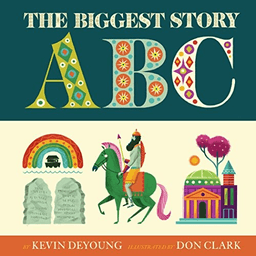 The Biggest StoryKevin DeYoung and Don Clark trace the whole Bible as one story - from the garden, through the promised snake crusher, to the new creation - in a single flowing read-aloud for ages four to eight.The Beginner's BibleThe illustrated storybook Bible that has been the default 'first Bible' for toddlers and preschoolers for more than thirty years - and quietly became the art behind the most-downloaded kids' Bible app in the world.
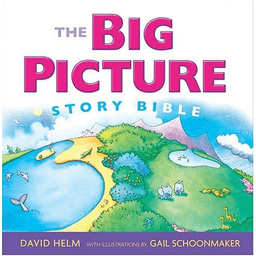 The Big Picture Story BibleThe storybook Bible that tells the whole Bible as one story - God's people, in God's place, under God's rule - written slow and gentle enough for a two-year-old on your lap.
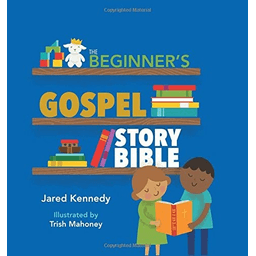 The Gospel Story BibleThe 156-story family storybook Bible that ends every story by connecting it to Jesus - and the hub of a whole devotional-and-curriculum ecosystem built for reading with a range of ages at once.